

Mountain Zebra National Park
Eastern Cape · Year-round
1 place

The melodious lark (Mirafra cheniana) is a species of lark in the family Alaudidae found in southern Africa.
Eastern Cape and beyond
Provinces where Melodious Lark is most recorded. Tap one to find places to stay.
28 records, iNaturalist
Across the Eastern Cape
Mountain Zebra National Park
Melodious Lark recorded here

St Francis Bay

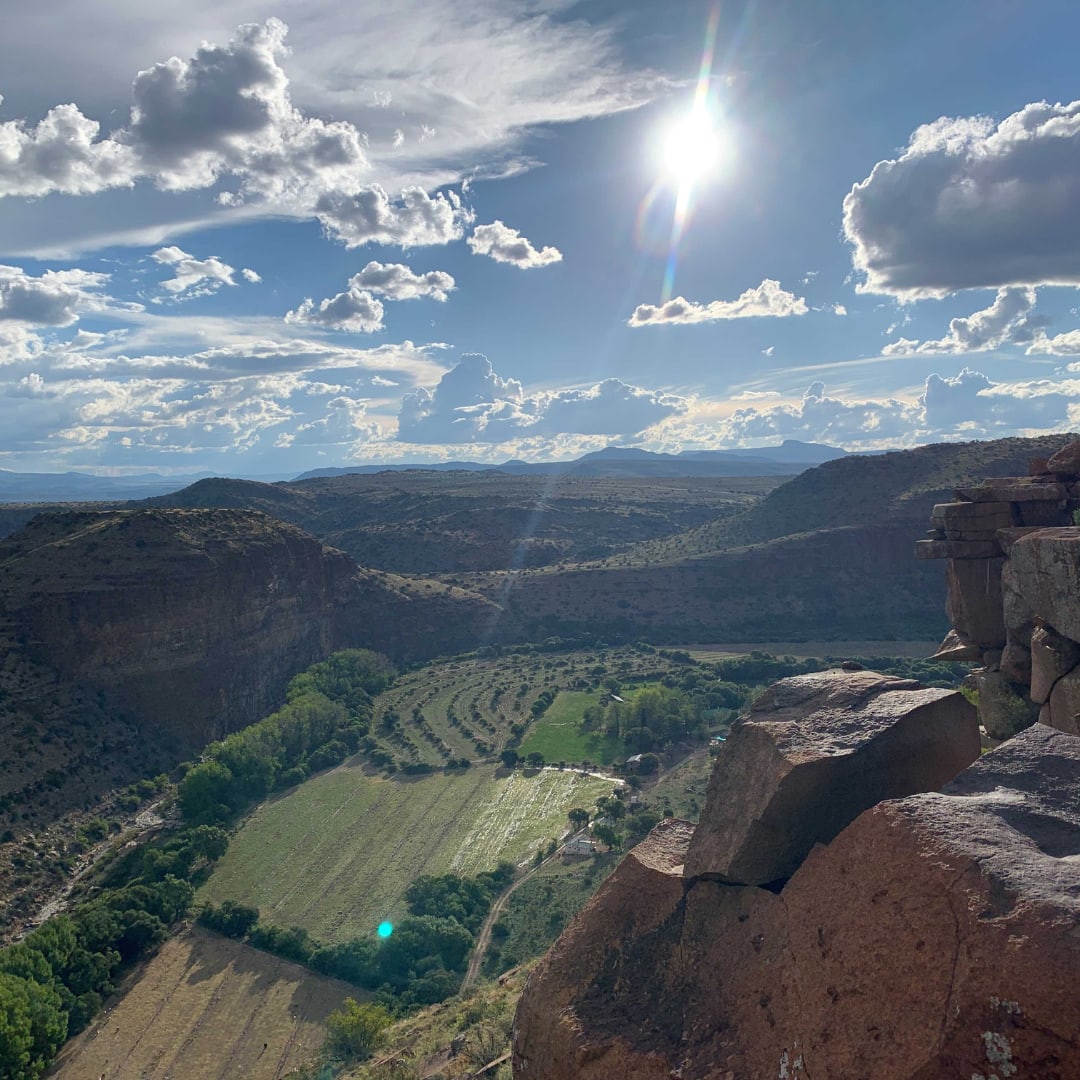
Nieu Bethesda

Birder friendly

Hankey
Birder friendly

Sundays River Valley, Addo


Walmer, Port Elizabeth

Kwandwe Private Game Reserve

Mkambati Nature Reserve
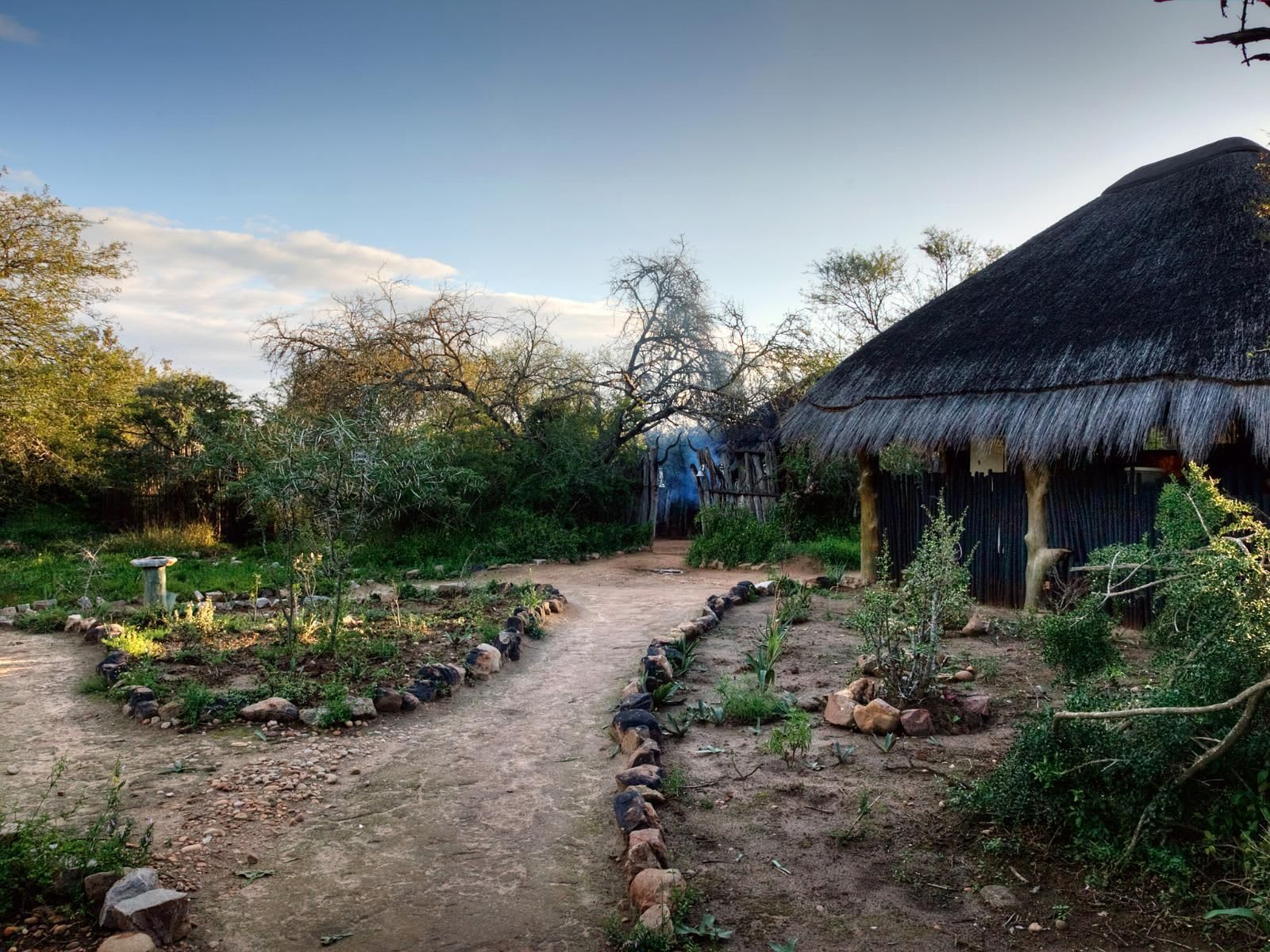
Paterson


Kwandwe Private Game Reserve

Sneeuberg Nature Reserve, Nieu Bethesda

Amakhala Game Reserve

Kwandwe Private Game Reserve

Sundays River Valley, Addo

Aberdeen
Birder friendly

Kwandwe Private Game Reserve

Rhodes
Birder friendly

Garden Route National Park

Kwandwe Private Game Reserve

Addo Elephant National Park

Lalibela Wildlife Reserve, Paterson

Addo Elephant National Park

Camdeboo National Park

Lalibela Wildlife Reserve, Paterson

Next stop
Forests, lagoons, and Knysna's sheltered bay
See places that give backPlanning a trip
Hosts have recorded the Melodious Lark at stays in or beside Mountain Zebra National Park.
Drive yourself
Your own vehicle and pace, on the park's roads.
Where hosts record it
IUCN Red List
Least Concern
Species
Mirafra cheniana
Records
28
iNaturalist observations
Every booking on Spekboom supports conservation.
A record means a host has seen the Melodious Lark on the property or nearby. It is never a guarantee of a sighting.
Hosts on Spekboom have recorded the Melodious Lark at stays in or beside Mountain Zebra National Park. A record means a host has seen it on the property or nearby, which makes these the places to base yourself; it is never a guarantee of a sighting on any given day.
The Melodious Lark is most recorded in Eastern Cape (29% of records), Free State (21% of records), Northern Cape (14% of records), based on 28 iNaturalist observations. 1 place to stay on Spekboom in Eastern Cape has recorded the Melodious Lark on site or nearby.
The Melodious Lark (Mirafra cheniana) is listed as Least Concern on the IUCN Red List.
The melodious lark (Mirafra cheniana) is a species of lark in the family Alaudidae found in southern Africa. It is currently threatened by habitat loss.
