Early human fossil sites
Gauteng, South Africa
The Cradle of Humankind is a World Heritage Site about an hour north-west of Johannesburg, a dolomite landscape of caves that has produced more hominin fossils than anywhere else on earth, including Mrs Ples, Little Foot and Homo naledi. Sterkfontein Caves can be visited on guided tours, and the Maropeng visitor centre tells the story. The hills around the caves are grassland with small private reserves, restaurants and country guesthouses, so it works as a day trip from the city or a quiet weekend base. It is malaria-free and combines naturally with Magaliesberg walks and the Cradle's own restaurants and craft breweries.
Things to do: Cultural tours · Heritage interpretation · Photography
Where you can stay: Camping · Chalets · Nearby B&Bs
What people record most across Gauteng. Past sightings, never a guarantee.
From iNaturalist records across Gauteng, not confirmed sightings inside this reserve.
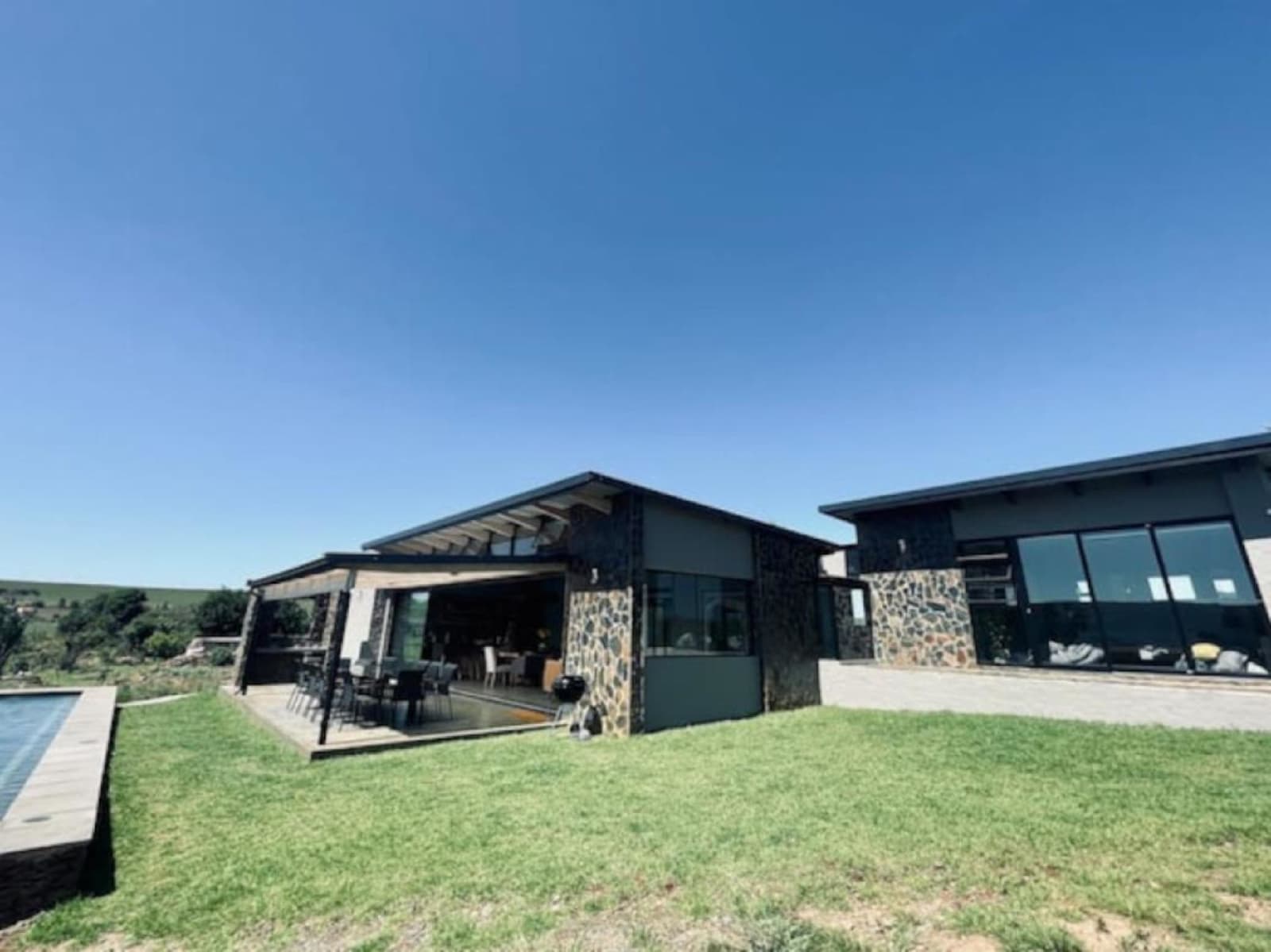
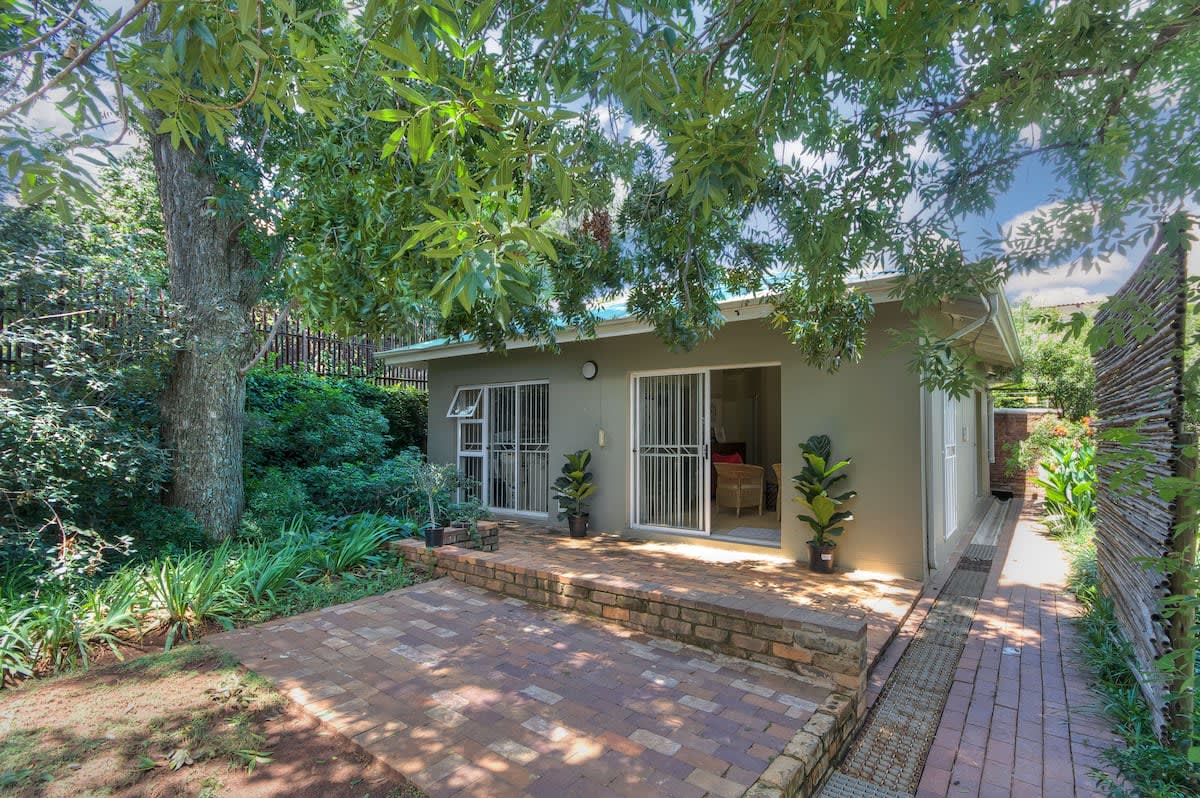
Inside-park stays and nearby lodges, sorted by distance.
No stays are linked to Fossil Hominid Sites (Cradle of Humankind) yet. These are the closest ones we have, by straight-line distance from the park, so check the drive before you book.
25.9703° S, 27.6610° E800 km from Cape TownOpen in Maps
Why book here
Wild places survive when the communities around them earn more from protecting wildlife than from anything that would replace it. Every stay you book through Spekboom carries a conservation contribution built into the price, never added on top, so choosing where you sleep becomes a way to fund the people and projects keeping this landscape intact.
Fossil Hominid Sites (Cradle of Humankind) is in Gauteng, South Africa.
Yes. Fossil Hominid Sites (Cradle of Humankind) is in an area recorded as malaria-free, which is why it is a common choice for families with young children and for a first safari. Malaria risk can shift with the season and the year, so confirm current advice with a travel clinic before you go.
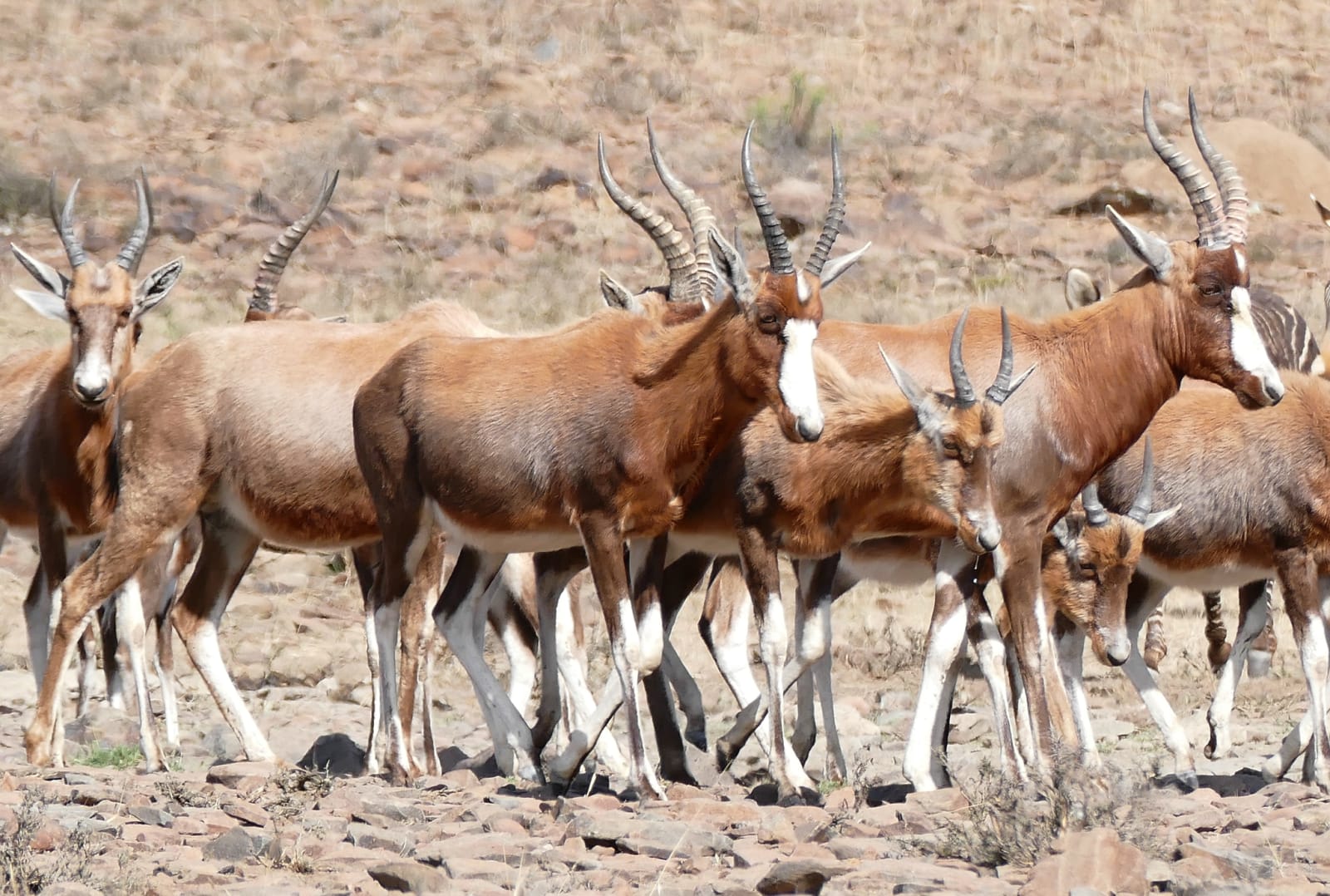
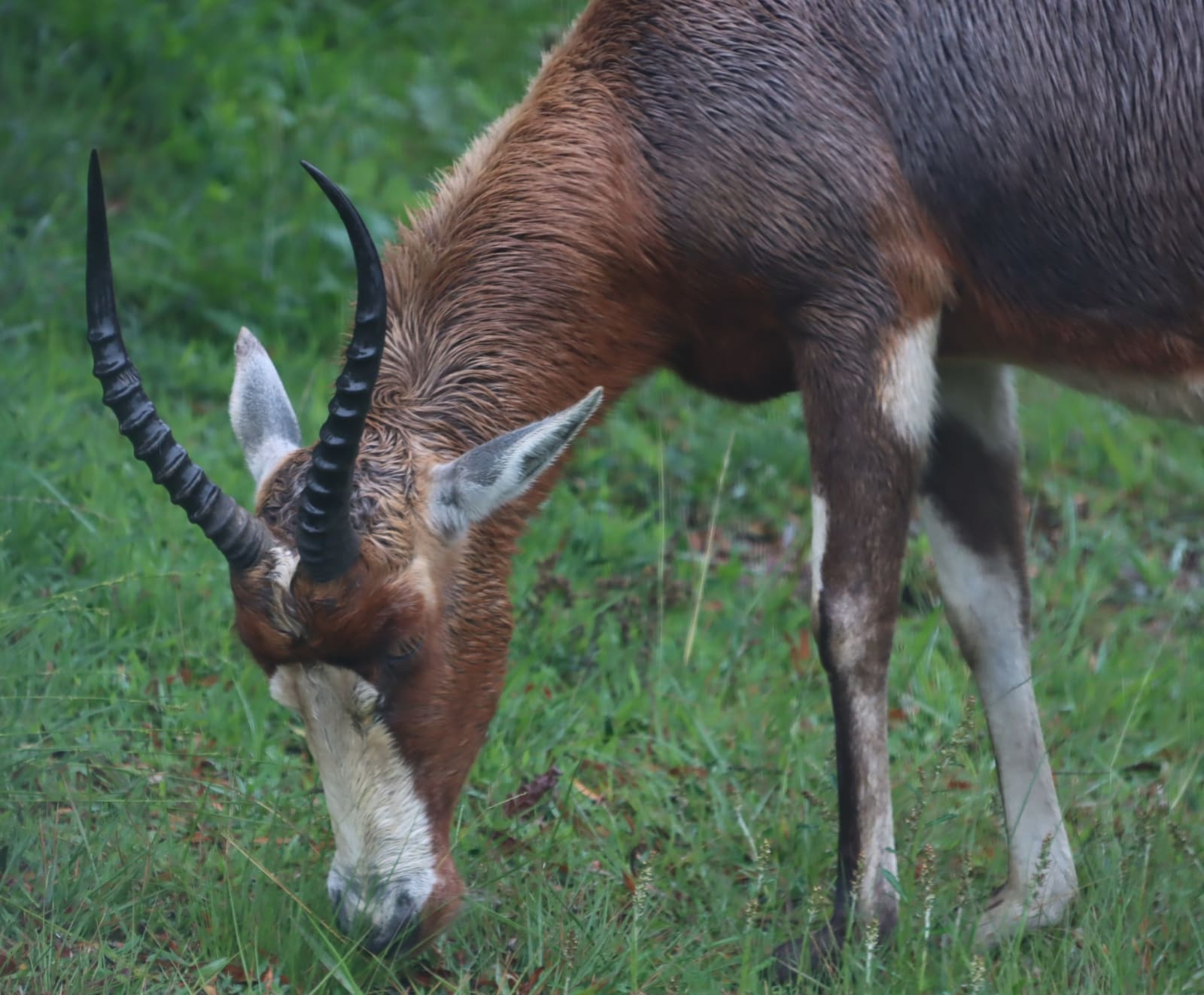
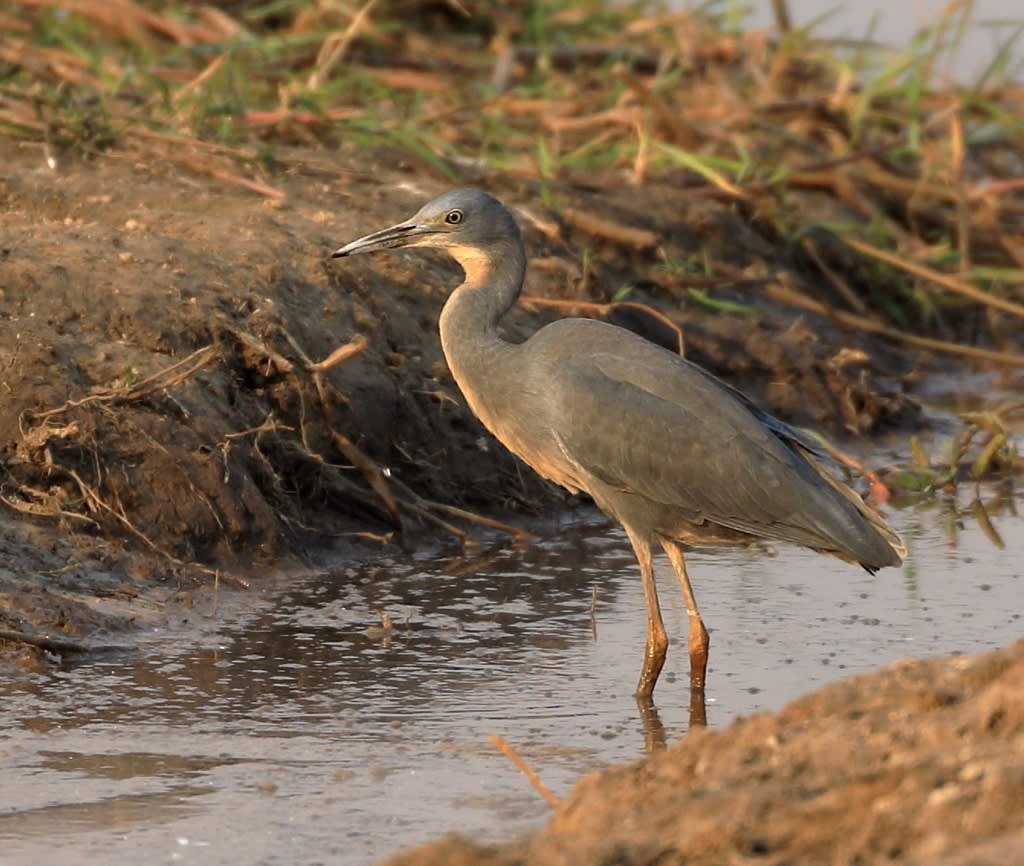
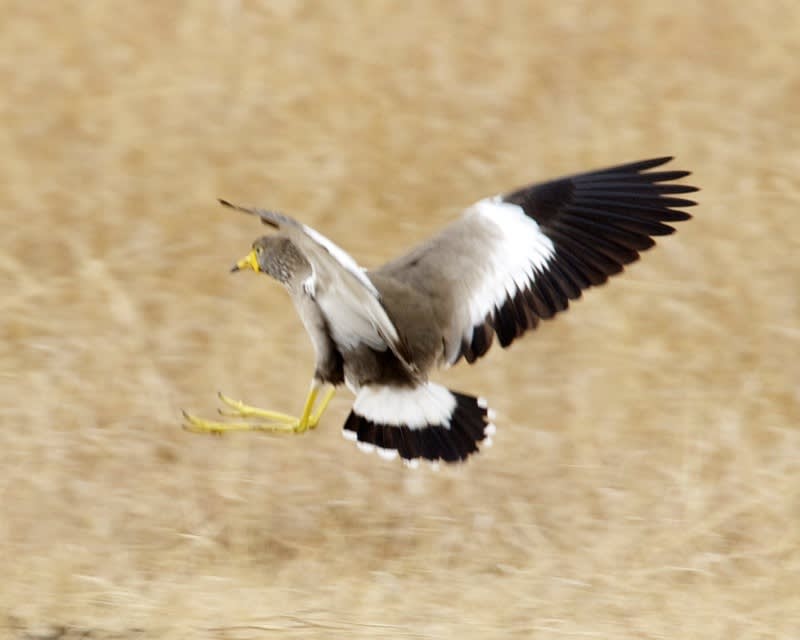
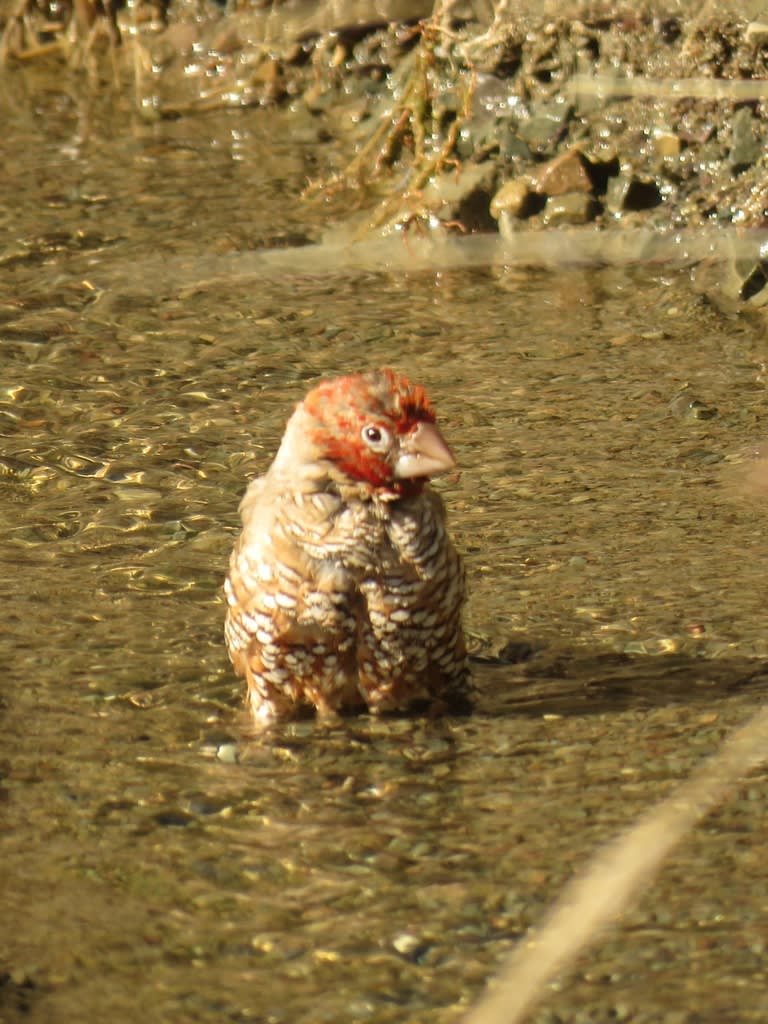
In Gauteng, commonly recorded species include animals such as Black Wildebeest, Blesbok, Serval, Bontebok and birds including Karoo Thrush, Slaty Egret, Long-tailed Widowbird, based on iNaturalist occurrence data. These reflect the wider province, not confirmed sightings inside the reserve.
The best time to visit Fossil Hominid Sites (Cradle of Humankind) is Mar-May, Aug-Oct.
Popular activities at Fossil Hominid Sites (Cradle of Humankind) include cultural tours, heritage interpretation, photography.
Other parks and reserves that share something with Fossil Hominid Sites (Cradle of Humankind).
UNESCO World Heritage Sites in AfricaMalaria-free parks and game reservesNational parks and reserves in South AfricaNature reserves and parks in GautengAll protected areas