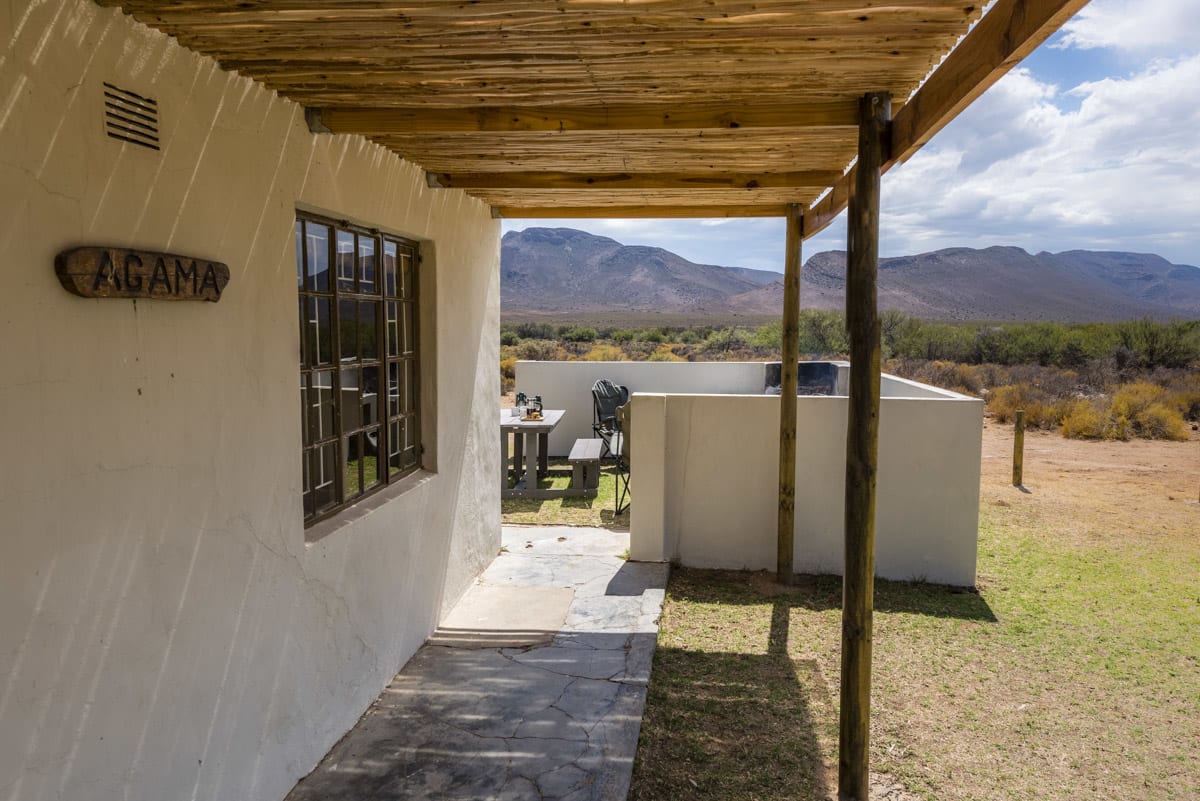
Cederberg Wilderness Area
Western Cape · Best Sep to Apr
9 plekken

The Cape bulbul (Pycnonotus capensis) is a member of the bulbul family of passerine birds.
Recorded year-round
Recorded in every month, so no month is the wrong month to look. We would rather say that than invent a best time.
Curve from 5,397 national iNaturalist observations, not from one property. Single-month spikes are discarded as upload artefacts, and below 50 records we show no curve at all.
Western Cape and beyond
Provinces where Cape Bulbul is most recorded. Tap one to find places to stay.
5,397 records, iNaturalist
Door heel Zuid-Afrika

Benguela Cove, Hermanus
Betrouwbaar te zien · Vogelaarsvriendelijk · Fynbos-bioom
Steunt Walker Bay Fynbos Conservancy en 1 ander goed doel
Vanaf R 34,972 per nacht

Benguela Cove, Hermanus
Betrouwbaar te zien · Vogelaarsvriendelijk · Fynbos-bioom · Southern right whale · Caracal
Steunt Walker Bay Fynbos Conservancy en 1 ander goed doel
Vanaf R 29,981 per nacht

Robertson
Betrouwbaar te zien · Vogelaarsvriendelijk · Fynbos-bioom
Steunt Pietersfontein Conservancy
Vanaf R 1,155 per nacht

Riebeek Valley, Riebeek West
Betrouwbaar te zien · Vogelaarsvriendelijk · Fynbos-bioom · Black wildebeest · Bontebok
Steunt BirdLife South Africa
Vanaf R 5,636 per nacht

Oudtshoorn
Betrouwbaar te zien · Vogelaarsvriendelijk · Fynbos-bioom · Gemsbok · Greater kudu
Steunt Wolwekraal Nature Reserve
Vanaf R 5,060 per nacht
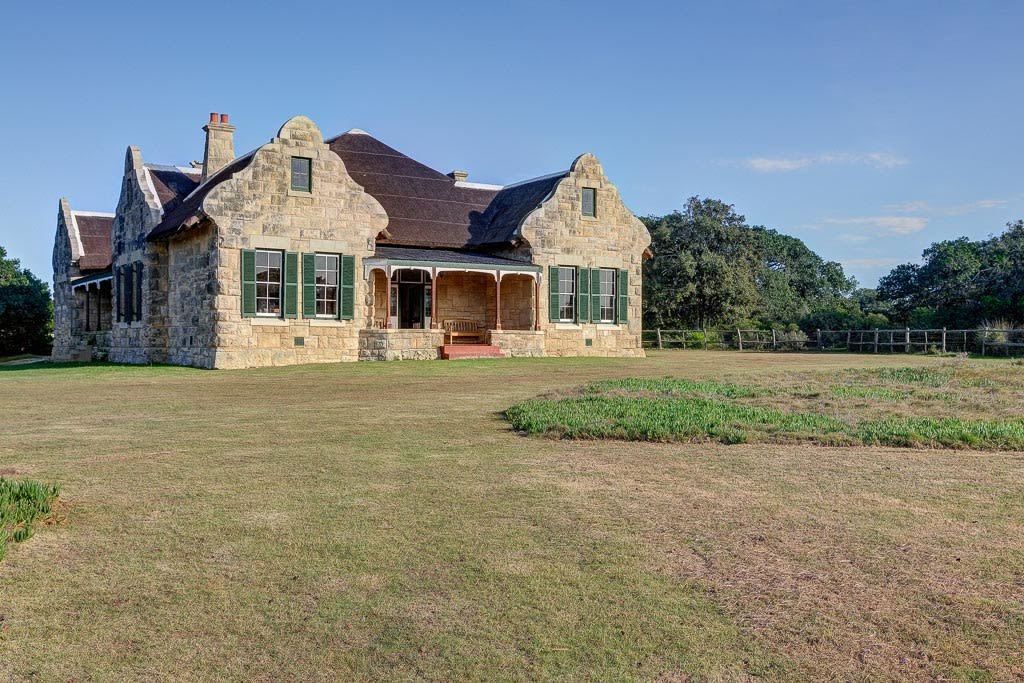
De Hoop Nature Reserve
Betrouwbaar te zien · Vogelaarsvriendelijk · Fynbos-bioom · Bontebok · Southern right whale
Prijs op aanvraag

Hunter's Home, Knysna
Betrouwbaar te zien · Vogelaarsvriendelijk · Fynbos-bioom · Spekboom · Outeniqua yellowwood
Steunt Revive Knysna
Vanaf R 2,310 per nacht

Benguela Cove, Hermanus
Betrouwbaar te zien · Vogelaarsvriendelijk · Fynbos-bioom
Steunt Walker Bay Fynbos Conservancy en 1 ander goed doel
Vanaf R 14,985 per nacht
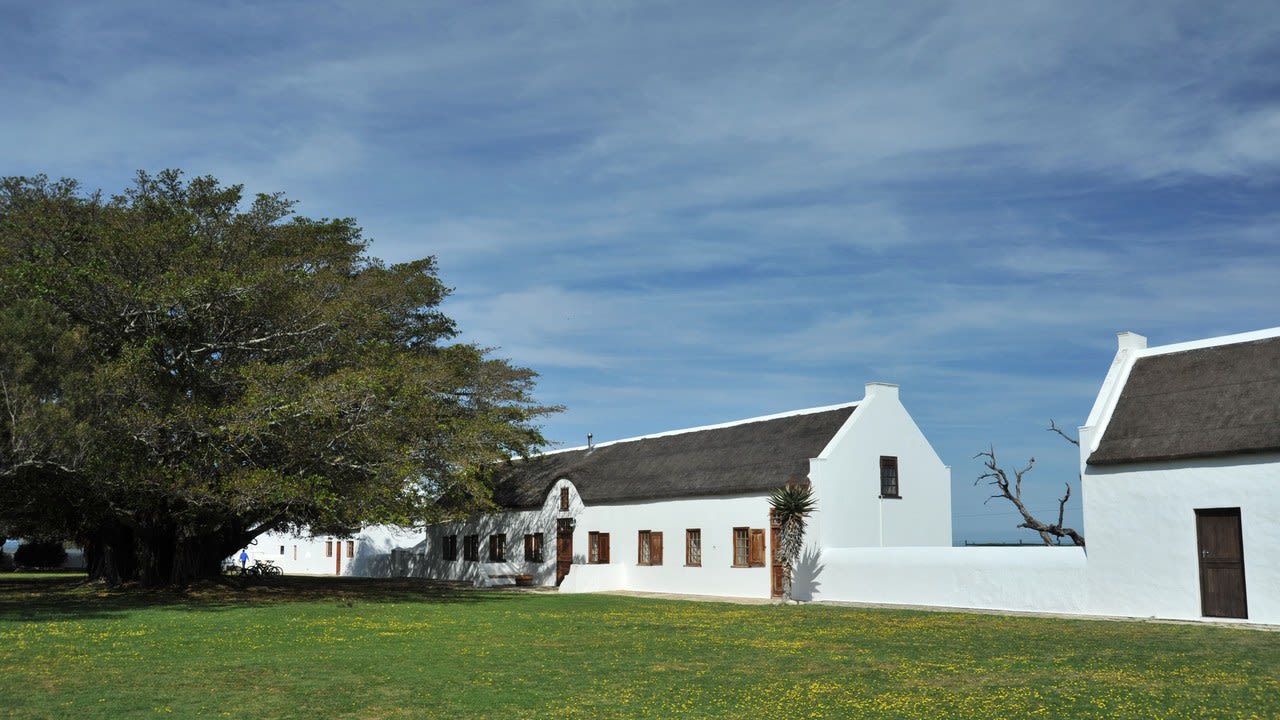
De Hoop Nature Reserve
Betrouwbaar te zien · Vogelaarsvriendelijk · Fynbos-bioom · Bontebok · Southern right whale
Prijs op aanvraag

Benguela Cove, Hermanus
Betrouwbaar te zien · Vogelaarsvriendelijk · Fynbos-bioom
Steunt Walker Bay Fynbos Conservancy en 1 ander goed doel
Vanaf R 24,990 per nacht

Benguela Cove, Hermanus
Betrouwbaar te zien · Vogelaarsvriendelijk · Fynbos-bioom
Steunt Walker Bay Fynbos Conservancy en 1 ander goed doel
Vanaf R 34,972 per nacht
Benguela Cove, Hermanus
Betrouwbaar te zien · Vogelaarsvriendelijk · Fynbos-bioom
Steunt Walker Bay Fynbos Conservancy en 1 ander goed doel
Prijs op aanvraag

Benguela Cove, Hermanus
Betrouwbaar te zien · Vogelaarsvriendelijk · Fynbos-bioom
Steunt Walker Bay Fynbos Conservancy en 1 ander goed doel
Vanaf R 24,990 per nacht

Benguela Cove, Hermanus
Betrouwbaar te zien · Vogelaarsvriendelijk · Fynbos-bioom
Steunt Walker Bay Fynbos Conservancy en 1 ander goed doel
Vanaf R 17,492 per nacht

Glencairn, Cape Town
Betrouwbaar te zien · Vogelaarsvriendelijk · Fynbos-bioom
Steunt BirdLife South Africa
Prijs op aanvraag

Benguela Cove, Hermanus
Betrouwbaar te zien · Vogelaarsvriendelijk · Fynbos-bioom
Steunt Walker Bay Fynbos Conservancy en 1 ander goed doel
Vanaf R 17,492 per nacht

Benguela Cove, Hermanus
Betrouwbaar te zien · Vogelaarsvriendelijk · Fynbos-bioom
Steunt Walker Bay Fynbos Conservancy en 1 ander goed doel
Vanaf R 34,972 per nacht

Benguela Cove, Hermanus
Betrouwbaar te zien · Vogelaarsvriendelijk · Fynbos-bioom
Steunt Walker Bay Fynbos Conservancy en 1 ander goed doel
Vanaf R 24,990 per nacht

Benguela Cove, Hermanus
Betrouwbaar te zien · Vogelaarsvriendelijk · Fynbos-bioom
Steunt Walker Bay Fynbos Conservancy en 1 ander goed doel
Vanaf R 17,492 per nacht

Benguela Cove, Hermanus
Betrouwbaar te zien · Vogelaarsvriendelijk · Fynbos-bioom
Steunt Walker Bay Fynbos Conservancy en 1 ander goed doel
Vanaf R 31,223 per nacht

Montagu
Cape Bulbul hier waargenomen · Fynbos-bioom · Bontebok · Gemsbok
Steunt Cape Leopard Trust
Vanaf R 350 per nacht

Swartberg Nature Reserve
Cape Bulbul hier waargenomen · Succulente Karoo-bioom
Vanaf R 630 per nacht

Pringle Bay
Cape Bulbul hier waargenomen · Fynbos-bioom · Southern right whale
Vanaf R 4,640 per nacht

Marloth Nature Reserve
Cape Bulbul hier waargenomen · Fynbos-bioom
Vanaf R 1,180 per nacht

Volgende stop
Stellenbosch and Franschhoek vineyards, an hour up the N1
Bekijk plekken die iets teruggevenEen reis plannen
Cape Bulbul: door verhuurders waargenomen in of bij Cederberg Wilderness Area, Goukamma Nature Reserve and Anysberg Nature Reserve.
Zelf rijden
Uw eigen auto en tempo, op de wegen van het park.
Waar verhuurders de soort waarnemen
Soort
Pycnonotus capensis
Waarnemingen
5,397
iNaturalist-waarnemingen
Elke boeking op Spekboom steunt natuurbehoud.
Een waarneming betekent dat een verhuurder de Cape Bulbul op of bij het terrein heeft gezien. Het is nooit een garantie dat u de soort ziet.
Hosts on Spekboom have recorded the Cape Bulbul at stays in or beside Cederberg Wilderness Area, Goukamma Nature Reserve, Anysberg Nature Reserve, Gamkaberg Nature Reserve, Rocherpan Nature Reserve and Table Mountain National Park and other reserves. A record means a host has seen it on the property or nearby, which makes these the places to base yourself; it is never a guarantee of a sighting on any given day.
The Cape Bulbul is most recorded in Western Cape (91% of records), Eastern Cape (8% of records), based on 5,397 iNaturalist observations. 83 places to stay on Spekboom in South Africa have recorded the Cape Bulbul on site or nearby.
The Cape Bulbul is recorded throughout the year, so no month is the wrong month to look for it. For the parks where hosts record it most, these are the best seasons they give. Cederberg Wilderness Area: Sep-Apr, flowers Aug-Oct; Goukamma Nature Reserve: year-round, warm Oct-Apr; Anysberg Nature Reserve: Autumn and spring, Mar-May, Sep-Nov; Gamkaberg Nature Reserve: Autumn and spring, Mar-May, Sep-Nov. In the dry months animals concentrate at water and the grass is short.
The Cape bulbul (Pycnonotus capensis) is a member of the bulbul family of passerine birds. It is an endemic resident breeder in coastal bush, open forest, gardens and fynbos in western and southern South Africa. This species nests mainly in the southern spring from September to November. The nest is thick walled cup concealed by foliage in a small tree or shrub.