Kruger National Park
Limpopo · Best Apr to Sep
42 luoghi

Wildlife
The common genet (Genetta genetta) is a small viverrid indigenous to Africa that was introduced to southwestern Europe and the Balearic Islands.
In tutto il Sudafrica

Montagu

Small-spotted Genet: segnalato qui

Kruger National Park
Small-spotted Genet: segnalato qui
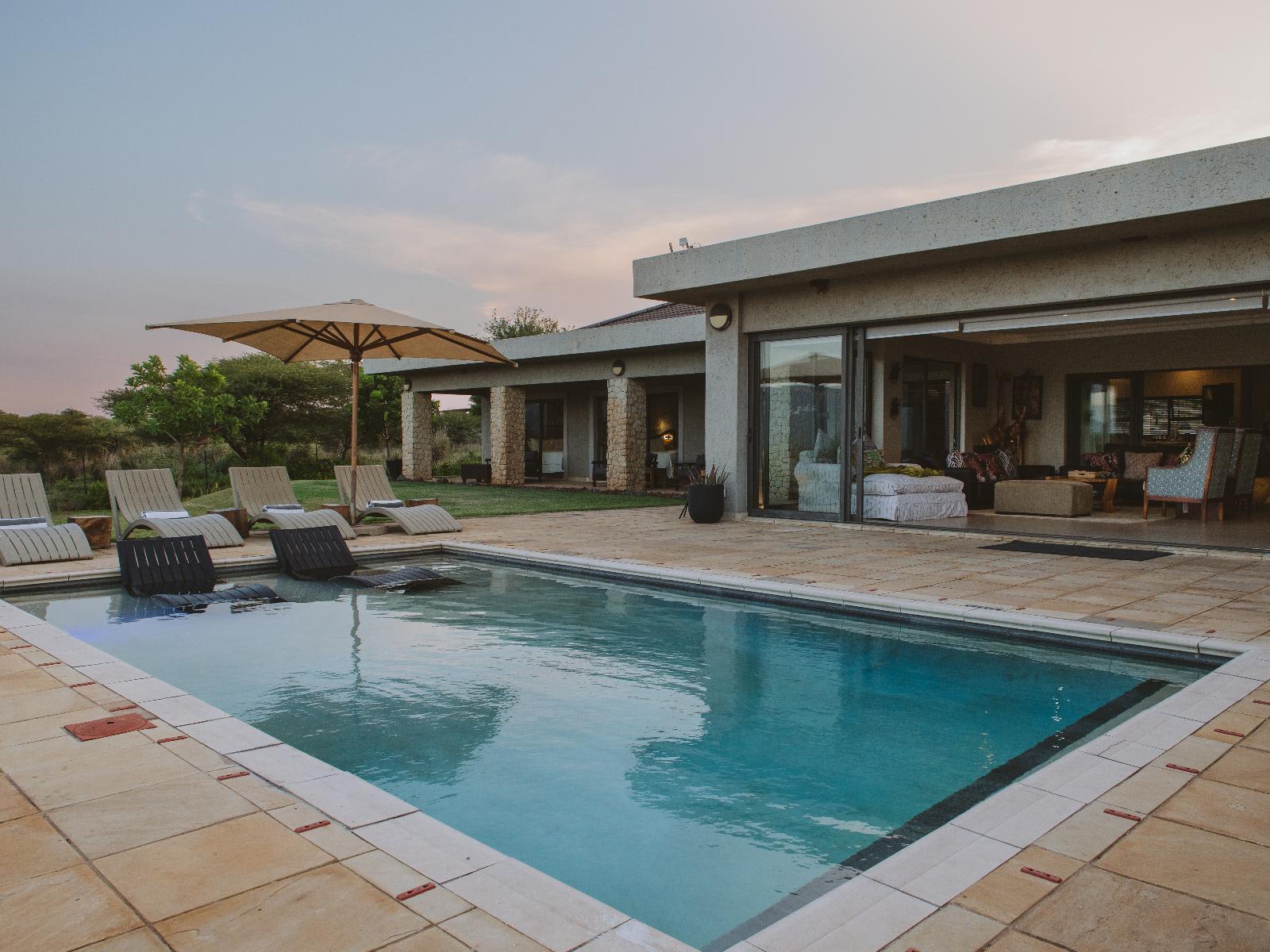
Mkuze
Small-spotted Genet: segnalato qui

Kruger National Park
Small-spotted Genet: segnalato qui

Kruger National Park
Small-spotted Genet: segnalato qui

Kruger National Park

Small-spotted Genet: segnalato qui

Kruger National Park
Small-spotted Genet: segnalato qui

Hunter's Home, Knysna
Small-spotted Genet: segnalato qui

Marakele National Park
Small-spotted Genet: segnalato qui

Parkview, Johannesburg

Small-spotted Genet: segnalato qui

Kruger National Park
Small-spotted Genet: segnalato qui
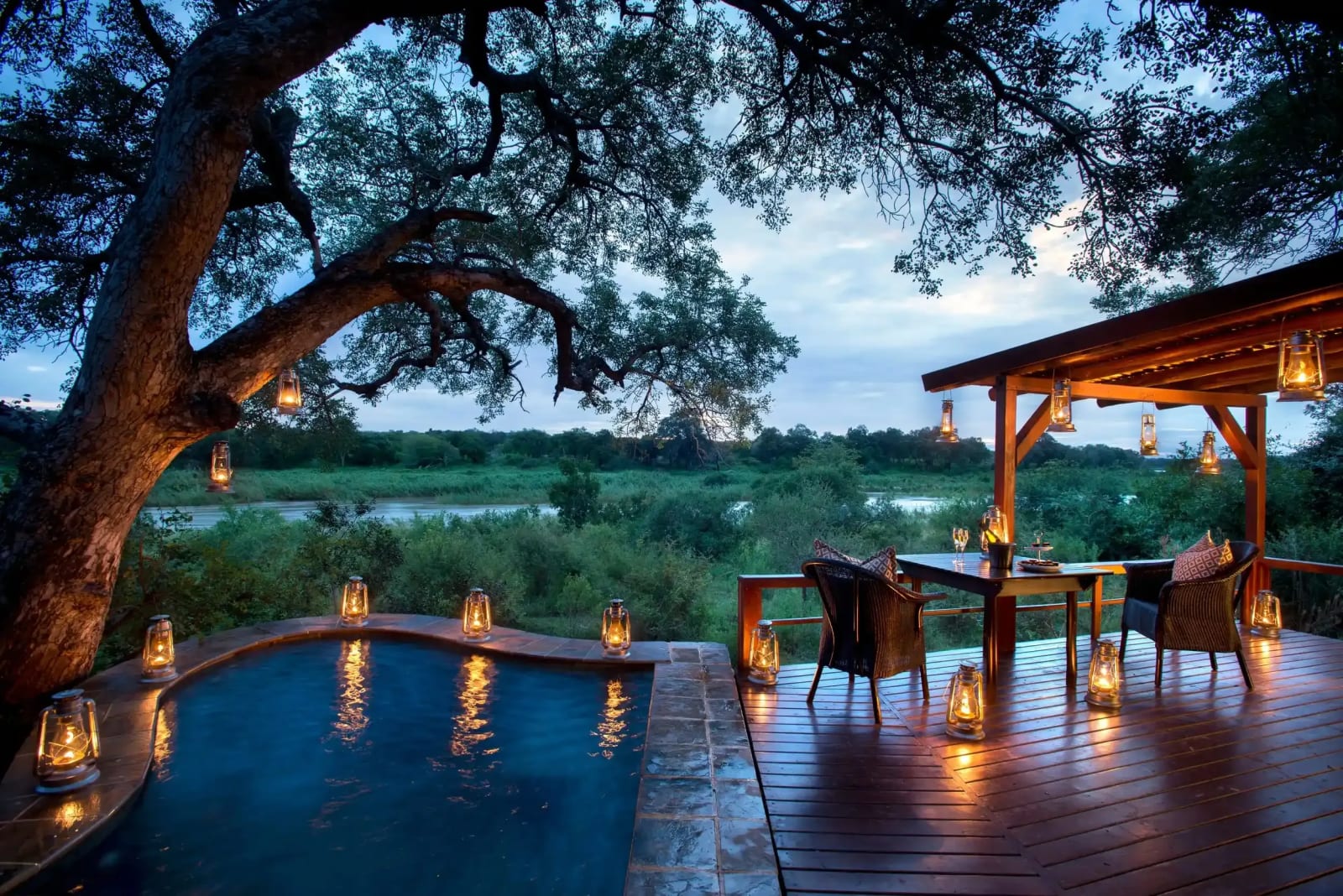
Kruger National Park
Small-spotted Genet: segnalato qui
Kruger National Park

Small-spotted Genet: segnalato qui

Kruger National Park
Small-spotted Genet: segnalato qui
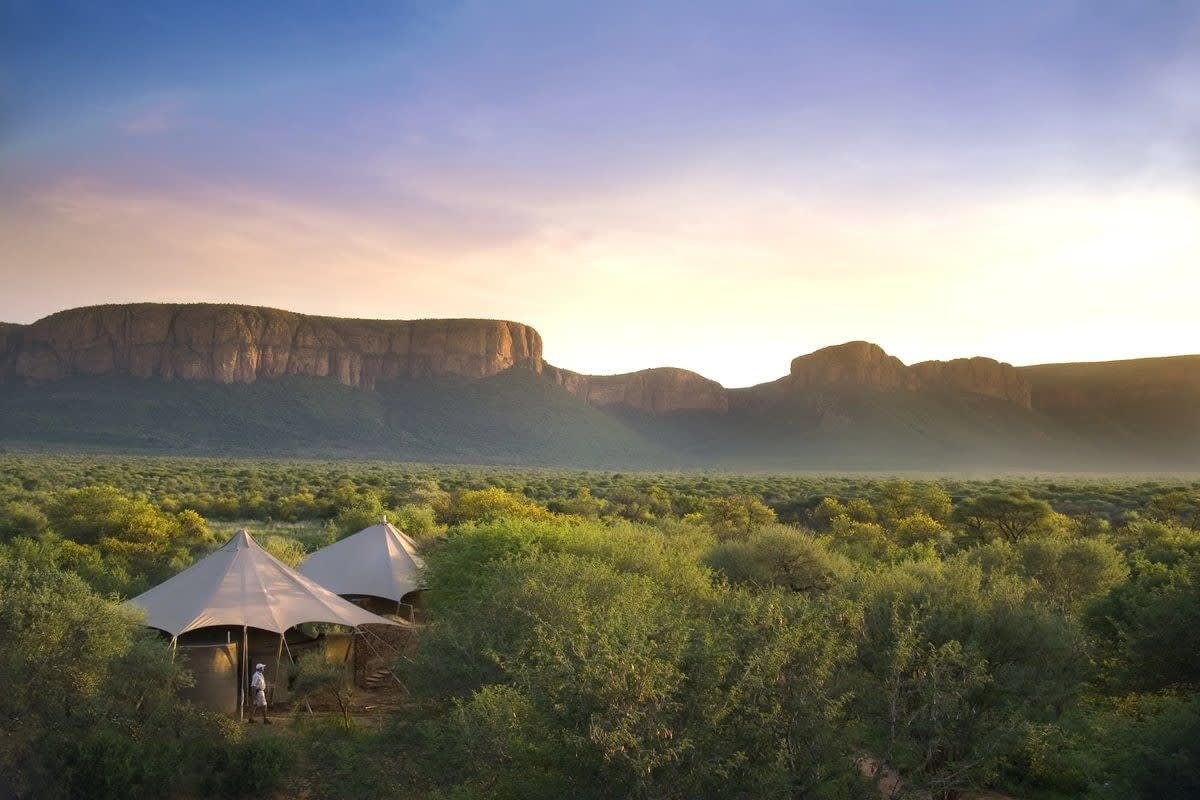
Marakele National Park
Small-spotted Genet: segnalato qui

Kruger National Park
Small-spotted Genet: segnalato qui

Kruger National Park
Small-spotted Genet: segnalato qui

Kruger National Park
Small-spotted Genet: segnalato qui

Kruger National Park
Small-spotted Genet: segnalato qui

Montagu
Small-spotted Genet: segnalato qui

Kruger National Park
Small-spotted Genet: segnalato qui

Table Mountain National Park
Small-spotted Genet: segnalato qui

Table Mountain National Park
Small-spotted Genet: segnalato qui
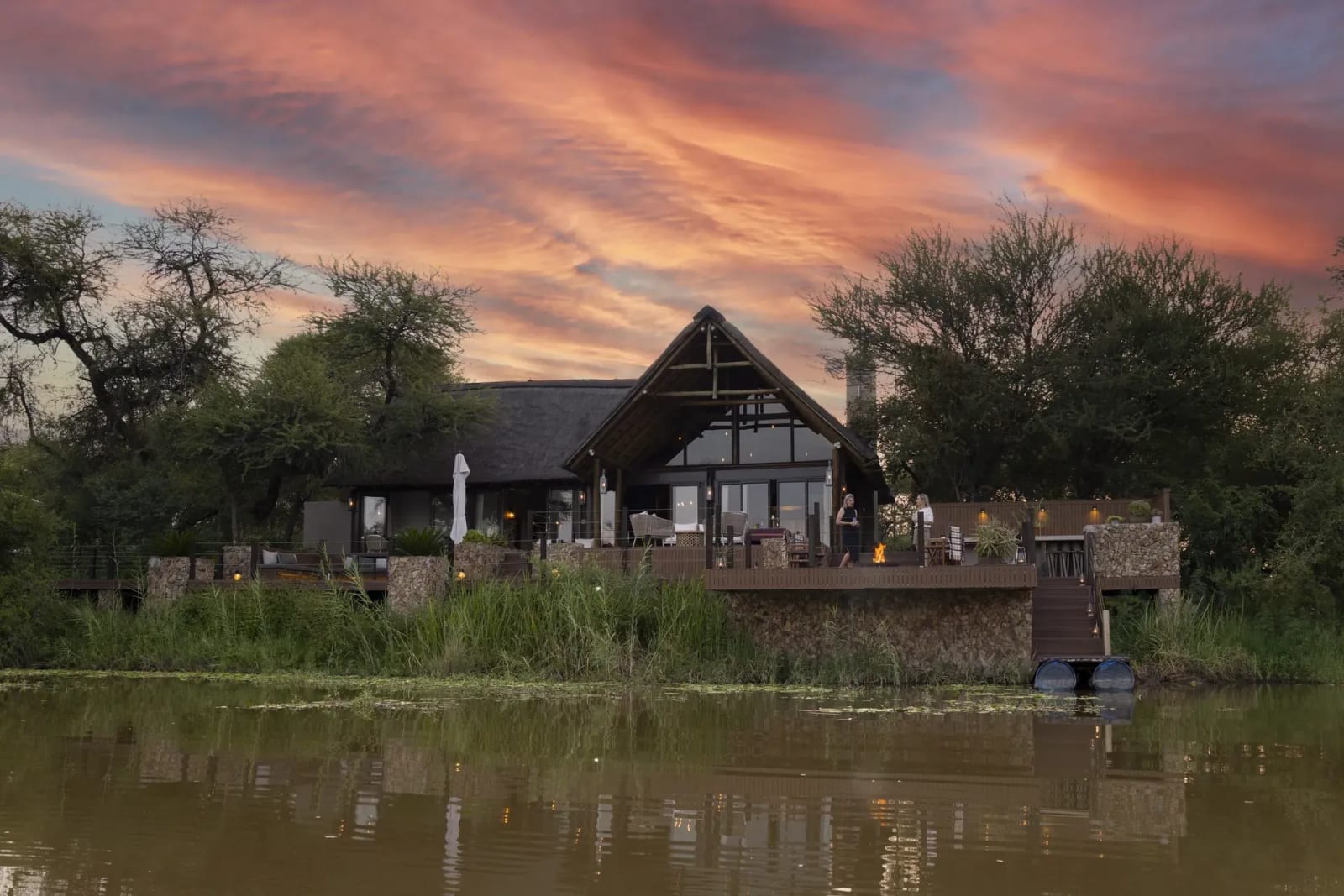
Marakele National Park
Small-spotted Genet: segnalato qui

Prossima tappa
Sandstone amphitheatres and cool mountain air
Vedi le strutture che sostengono una causaPianificare un viaggio
Gli host hanno segnalato questa specie (Small-spotted Genet) in strutture dentro o accanto a Kruger National Park, Kgalagadi Transfrontier Park and Addo Elephant National Park.
| Parco | gen | feb | mar | apr | mag | giu | lug | ago | set | ott | nov | dic |
|---|---|---|---|---|---|---|---|---|---|---|---|---|
| Kruger | Presente | Presente | Presente | Osservazione più facile | Osservazione più facile | Osservazione più facile | Osservazione più facile | Osservazione più facile | Osservazione più facile | Presente | Presente | Presente |
| Kgalagadi | Presente | Presente | Osservazione più facile | Osservazione più facile |
I mesi più scuri sono la stagione migliore di ciascun parco, quando la vegetazione più rada o la scarsità d’acqua rendono più facile l’osservazione. Nessun avvistamento è garantito.
Kruger · Marakele · Welgevonden

Kgalagadi · Ai-Ais/Richtersveld · Mokala
Table Mountain · Gondwana · Agulhas

Addo Elephant
Guidare in autonomia
Il Suo veicolo e il Suo ritmo, sulle strade del parco.
Dove lo segnalano gli host
Fotosafari guidati da un lodge
Una guida che sa dove guardare, con uscite fuoristrada e safari notturni nelle riserve private.
Dove lo segnalano gli host
Specie
Genetta genetta
Ogni prenotazione su Spekboom sostiene la conservazione.
Una segnalazione significa che un host ha visto questa specie (Small-spotted Genet) nella struttura o nei dintorni. Non è mai una garanzia di avvistamento.
Hosts on Spekboom have recorded the Small-spotted Genet at stays in or beside Kruger National Park, Kgalagadi Transfrontier Park, Addo Elephant National Park, Marakele National Park, Table Mountain National Park and Ai-Ais/Richtersveld Transfrontier Park and other reserves. A record means a host has seen it on the property or nearby, which makes these the places to base yourself; it is never a guarantee of a sighting on any given day.
The common genet (Genetta genetta) is a small viverrid indigenous to Africa that was introduced to southwestern Europe and the Balearic Islands. It is widely distributed north of the Sahara, in savanna zones south of the Sahara to southern Africa and along the coast of Arabia, Yemen and Oman. It is listed as Least Concern on the IUCN Red List.
| Osservazione più facile |
| Presente |
| Presente |
| Presente |
| Presente |
| Presente |
| Presente |
| Presente |
| Addo Elephant | Presente | Presente | Osservazione più facile | Osservazione più facile | Osservazione più facile | Presente | Presente | Presente | Osservazione più facile | Osservazione più facile | Osservazione più facile | Presente |
|---|
| Marakele | Presente | Presente | Presente | Presente | Osservazione più facile | Osservazione più facile | Osservazione più facile | Osservazione più facile | Osservazione più facile | Presente | Presente | Presente |
|---|
| Table Mountain | Osservazione più facile | Osservazione più facile | Osservazione più facile | Osservazione più facile | Presente | Presente | Presente | Presente | Osservazione più facile | Osservazione più facile | Osservazione più facile | Osservazione più facile |
|---|
| Ai-Ais/Richtersveld | Presente | Presente | Presente | Presente | Presente | Presente | Presente | Presente | Presente | Presente | Presente | Presente |
|---|
| Mokala | Presente | Presente | Osservazione più facile | Osservazione più facile | Osservazione più facile | Presente | Presente | Presente | Presente | Presente | Presente | Presente |
|---|