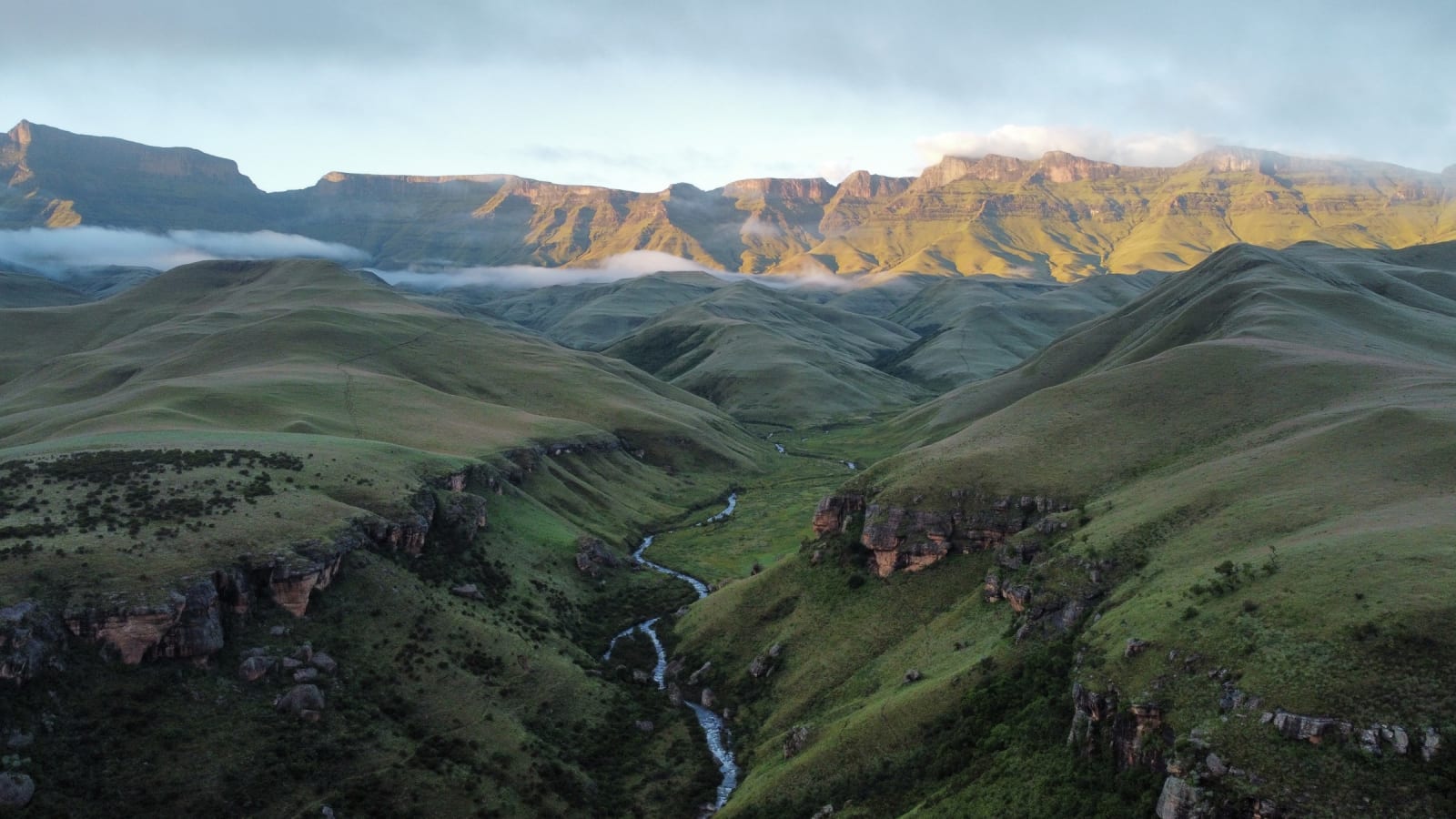
Kruger National Park
Limpopo · Best Apr to Sep
42 luoghi

The black cuckoo (Cuculus clamosus) is a species of cuckoo in the family Cuculidae.
Most records Oct to Feb
When Black Cuckoo sightings peak, from open records. Outside these months it is seen less often, not never.
Curve from 254 national iNaturalist observations, not from one property. Single-month spikes are discarded as upload artefacts, and below 50 records we show no curve at all.
Western Cape and beyond
Provinces where Black Cuckoo is most recorded. Tap one to find places to stay.
255 records, iNaturalist
In tutto il Sudafrica

Mbombela

Avvistato spesso · Birder Friendly

Kruger National Park
Avvistato spesso · Birder Friendly

Wakkerstroom
Avvistato spesso · Birder Friendly

Kruger National Park
Avvistato spesso · Birder Friendly

Kruger National Park
Avvistato spesso · Birder Friendly

Hluhluwe-Imfolozi Park

Black Cuckoo: segnalato qui

Kruger National Park
Avvistato spesso · Birder Friendly

Hunter's Home, Knysna

Avvistato spesso · Birder Friendly

Kruger National Park

Black Cuckoo: segnalato qui

Drakensberg, Bergville

Avvistato spesso · Birder Friendly

Kruger National Park
Black Cuckoo: segnalato qui

Kruger National Park
Black Cuckoo: segnalato qui
Kruger National Park

Black Cuckoo: segnalato qui

Kruger National Park
Black Cuckoo: segnalato qui

Kruger National Park
Black Cuckoo: segnalato qui

Kruger National Park
Black Cuckoo: segnalato qui

Kruger National Park
Black Cuckoo: segnalato qui

Kruger National Park
Black Cuckoo: segnalato qui

Kruger National Park
Black Cuckoo: segnalato qui

Wakkerstroom
Avvistato spesso · Birder Friendly

Kruger National Park
Black Cuckoo: segnalato qui
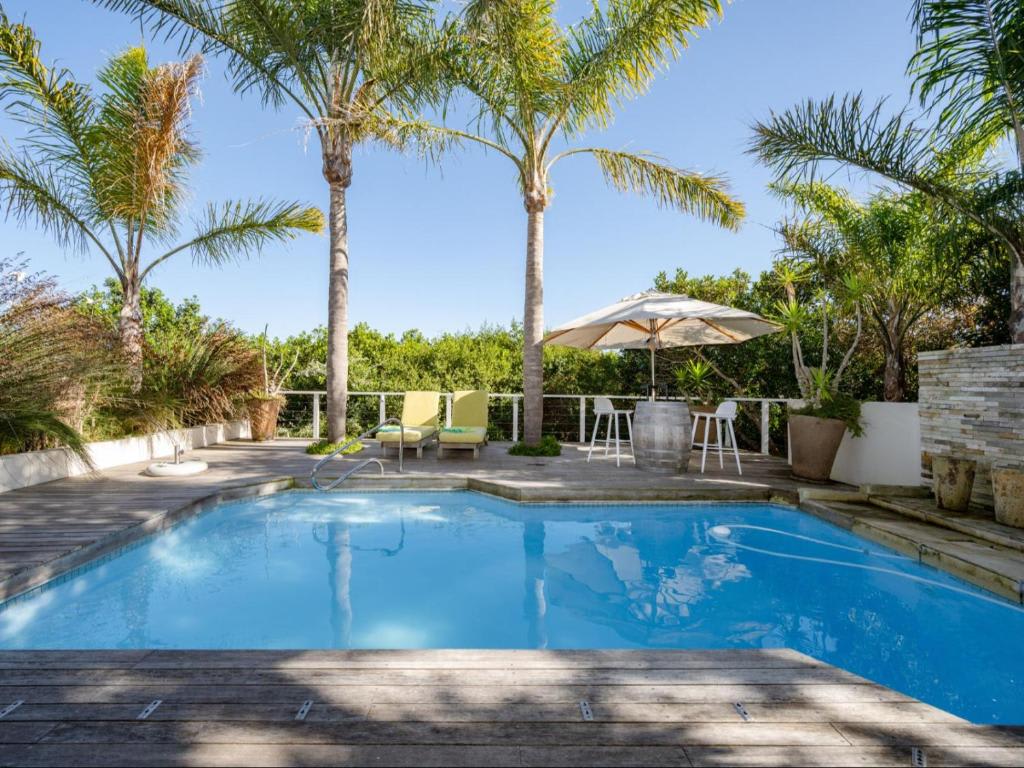
Keurbooms River Nature Reserve
Black Cuckoo: segnalato qui

Bronkhorstspruit

Avvistato spesso · Birder Friendly

Kruger National Park
Black Cuckoo: segnalato qui

Prossima tappa
Bushveld game country and the southern gates of the Kruger
Vedi le strutture che sostengono una causaPianificare un viaggio
Gli host hanno segnalato questa specie (Black Cuckoo) in strutture dentro o accanto a Kruger National Park, uKhahlamba-Drakensberg Park and Goukamma Nature Reserve.
Kruger · Mapungubwe

Goukamma · Grootvadersbosch · Garden Route

Addo Elephant · Kwandwe · Tsitsikamma
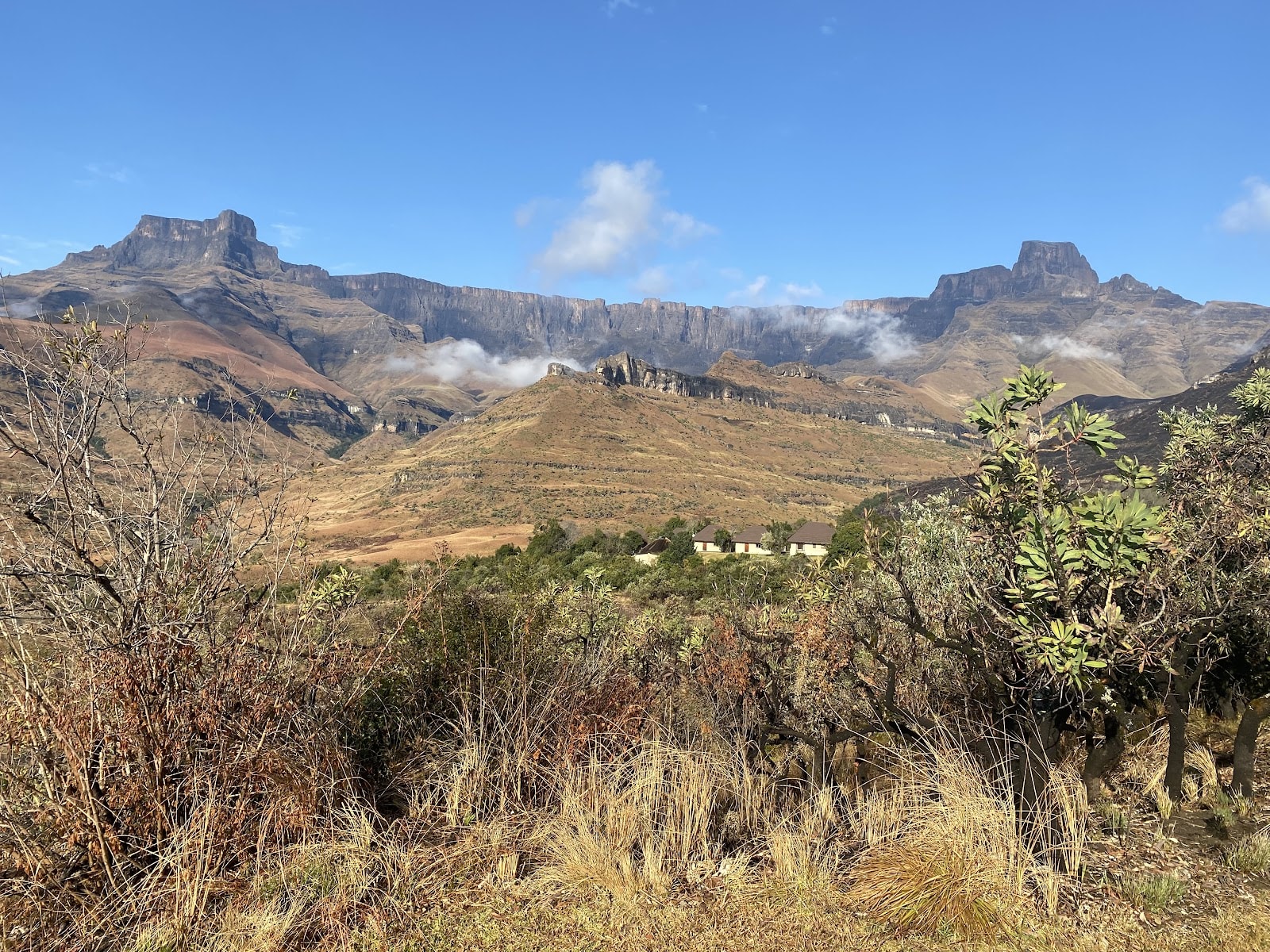
uKhahlamba-Drakensberg · Giants Castle
Guidare in autonomia
Il Suo veicolo e il Suo ritmo, sulle strade del parco.
Dove lo segnalano gli host
Fotosafari guidati da un lodge
Una guida che sa dove guardare, con uscite fuoristrada e safari notturni nelle riserve private.
Dove lo segnalano gli host
Specie
Cuculus clamosus
Segnalazioni
255
Osservazioni su iNaturalist
Ogni prenotazione su Spekboom sostiene la conservazione.
Una segnalazione significa che un host ha visto questa specie (Black Cuckoo) nella struttura o nei dintorni. Non è mai una garanzia di avvistamento.
Hosts on Spekboom have recorded the Black Cuckoo at stays in or beside Kruger National Park, uKhahlamba-Drakensberg Park, Goukamma Nature Reserve, Addo Elephant National Park, Kwandwe Private Game Reserve and Grootvadersbosch Nature Reserve and other reserves. A record means a host has seen it on the property or nearby, which makes these the places to base yourself; it is never a guarantee of a sighting on any given day.
The Black Cuckoo is most recorded in Western Cape (28% of records), Eastern Cape (22% of records), KwaZulu-Natal (20% of records), based on 255 iNaturalist observations. 105 places to stay on Spekboom in South Africa have recorded the Black Cuckoo on site or nearby.
Sightings of the Black Cuckoo peak from Oct to Feb, based on 254 iNaturalist records. You may still see it outside those months, sightings are just less frequent.
The black cuckoo (Cuculus clamosus) is a species of cuckoo in the family Cuculidae. The species is distributed widely across sub-Saharan Africa. There are two subspecies. This cuckoo has a very wide range and is a common bird so the International Union for Conservation of Nature has rated it as a "least-concern species".