The bearded woodpecker (Chloropicus namaquus) is a species of bird in the family Picidae.
Recorded year-round
Recorded in every month, so no month is the wrong month to look. We would rather say that than invent a best time.
Curve from 463 national iNaturalist observations, not from one property. Single-month spikes are discarded as upload artefacts, and below 50 records we show no curve at all.
Mpumalanga and beyond
Provinces where Bearded Woodpecker is most recorded. Tap one to find places to stay.
463 records, iNaturalist
20+ risultati in Sudafrica
Pianificare un viaggio
Gli host hanno segnalato questa specie (Bearded Woodpecker) in strutture dentro o accanto a Kruger National Park.
Guidare in autonomia
Il Suo veicolo e il Suo ritmo, sulle strade del parco.
Dove lo segnalano gli host
Specie
Chloropicus namaquus
Segnalazioni
463
Osservazioni su iNaturalist
Ogni prenotazione su Spekboom sostiene la conservazione.
Una segnalazione significa che un host ha visto questa specie (Bearded Woodpecker) nella struttura o nei dintorni. Non è mai una garanzia di avvistamento.
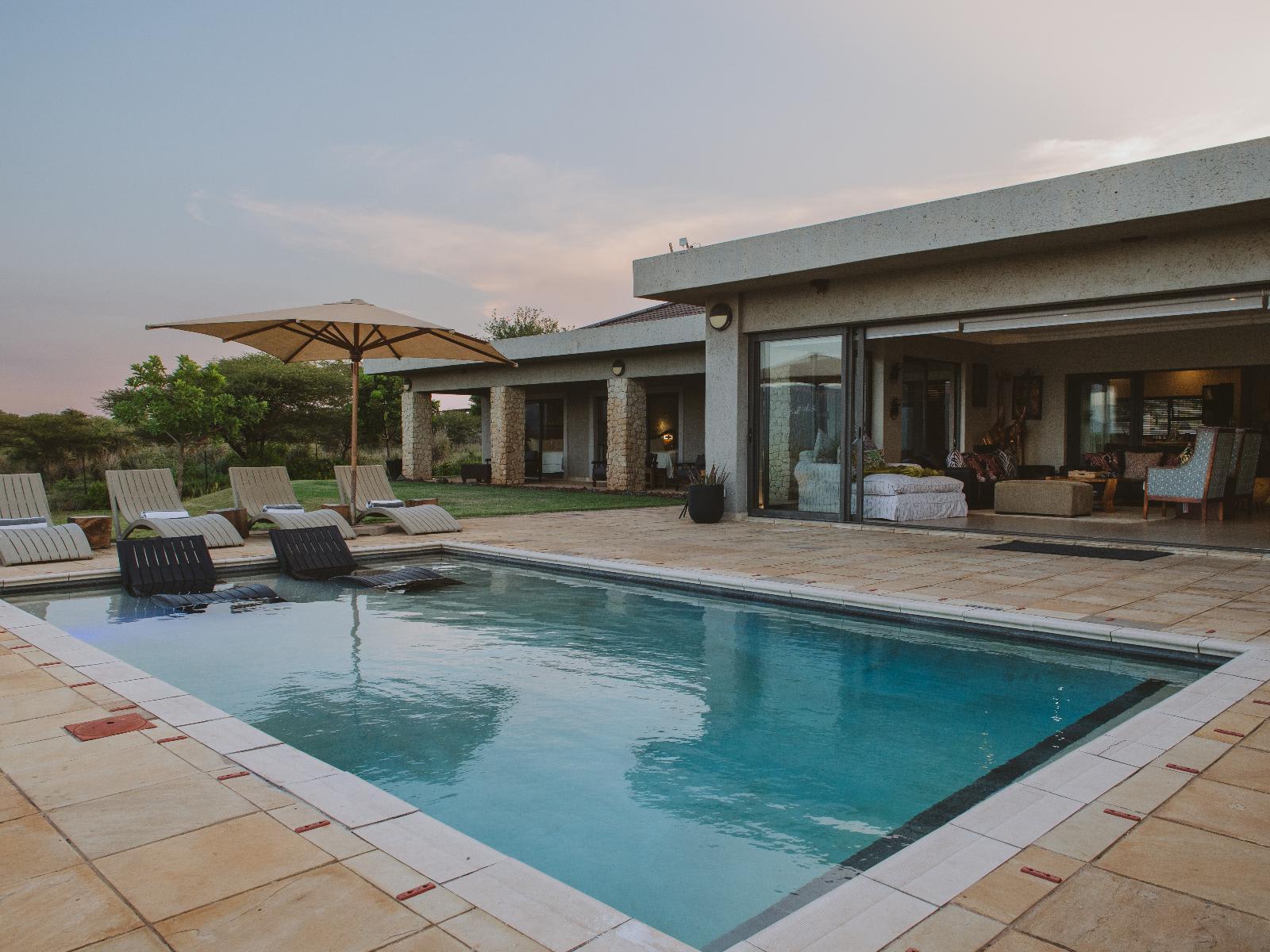
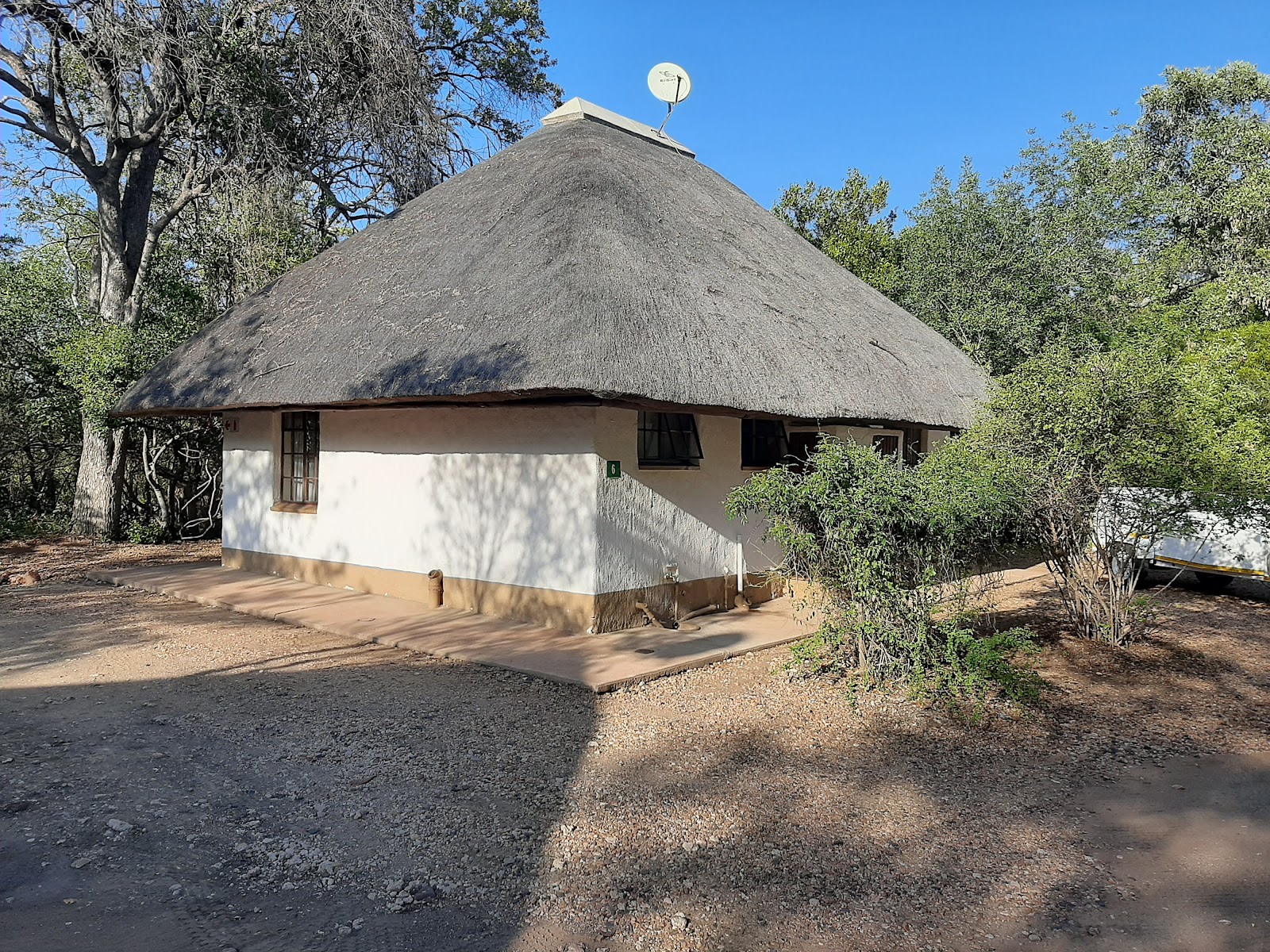
Hosts on Spekboom have recorded the Bearded Woodpecker at stays in or beside Kruger National Park. A record means a host has seen it on the property or nearby, which makes these the places to base yourself; it is never a guarantee of a sighting on any given day.
The Bearded Woodpecker is most recorded in Mpumalanga (45% of records), Limpopo (33% of records), KwaZulu-Natal (10% of records), based on 463 iNaturalist observations. 21 places to stay on Spekboom in South Africa have recorded the Bearded Woodpecker on site or nearby.
The Bearded Woodpecker is recorded throughout the year, so no month is the wrong month to look for it. For the parks where hosts record it most, these are the best seasons they give. Kruger National Park: Apr-Sep. In the dry months animals concentrate at water and the grass is short.
The bearded woodpecker (Chloropicus namaquus) is a species of bird in the family Picidae. It has a distinctive black and white head and brownish barred body. It is native to tropical central Africa. It has an extremely wide range and is a fairly common species, and the International Union for Conservation of Nature has rated its conservation status as being of "least concern".