Spekboom country: stays in the Albany Thicket

Insider Guide: Thicket and Restoration

Spekboom country: stays in the Albany Thicket

The Eastern Cape valleys where the elephant bush grows, what it does for the climate, and the lodges and camps that sit inside it

Updated

Spekboom is a small succulent shrub with round, jade-green leaves that you can eat, a slight sour taste, and a habit nobody expected: in the dense thicket of the Eastern Cape valleys it can store carbon at rates closer to a rainforest than a scrubland, because it switches the way it breathes between night and day and grows almost year-round. Elephants eat it from the top, and it responds by rooting from every dropped branch. That is the plant this platform is named for.

The landscape it builds is the Albany Thicket, a biome found nowhere else on earth: a dense, spiny, evergreen tangle in the warm valleys between the Karoo and the coast, from the Sundays River through Addo to the Great Fish River and the Kowie. Two centuries of goat farming stripped much of it to bare, eroding ground. Restoring it, by planting spekboom cuttings by hand across degraded valleys, is one of the largest ecological restoration efforts in the country. This guide is the stays inside that landscape, and the work your booking helps fund.

Addo: elephants in the thicket

Addo Elephant National Park exists because of the thicket. In 1931 eleven elephants were left in the Sundays River valley, hunted almost out for raiding citrus; the park was fenced around them and the spekboom they ate, and today more than 600 elephants live on a thicket that has never stopped feeding them. It is the easiest place in the country to see what intact Albany Thicket looks like, and the main camp waterhole is the easiest place to watch elephants eat it.

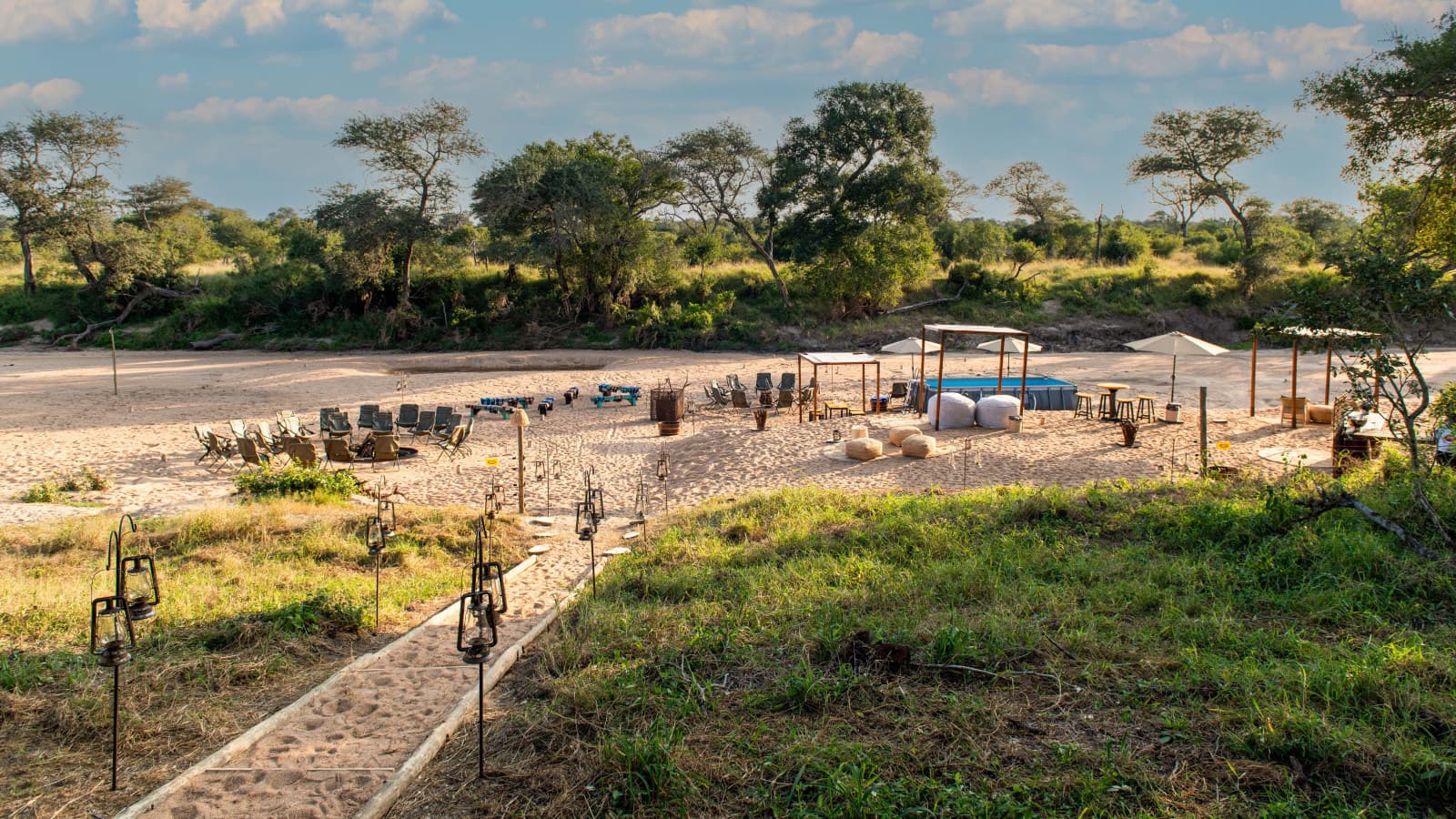
Stays run from the SANParks camps inside the fence, including the Spekboom Tented Rest Camp that shares our name, to the lodges and guesthouses of the Sundays River valley around Addo village and Colchester. It is malaria-free, an hour from Gqeberha, and a natural end to a Garden Route trip.

The Great Fish River and the frontier

East of Addo the thicket follows the river valleys of the old frontier, the Bushmans, the Kariega, the Kowie and the Great Fish, where it is at its densest and least visited. The Great Fish River reserve is the largest stretch in provincial hands, and the private reserves around Makhanda have rebuilt thicket on former farmland while returning elephant, rhino and lion to it. This is the country where restoration is easiest to see, because the difference between a restored slope and a bare one is visible from the road.

The Karoo edge: Camdeboo and Graaff-Reinet

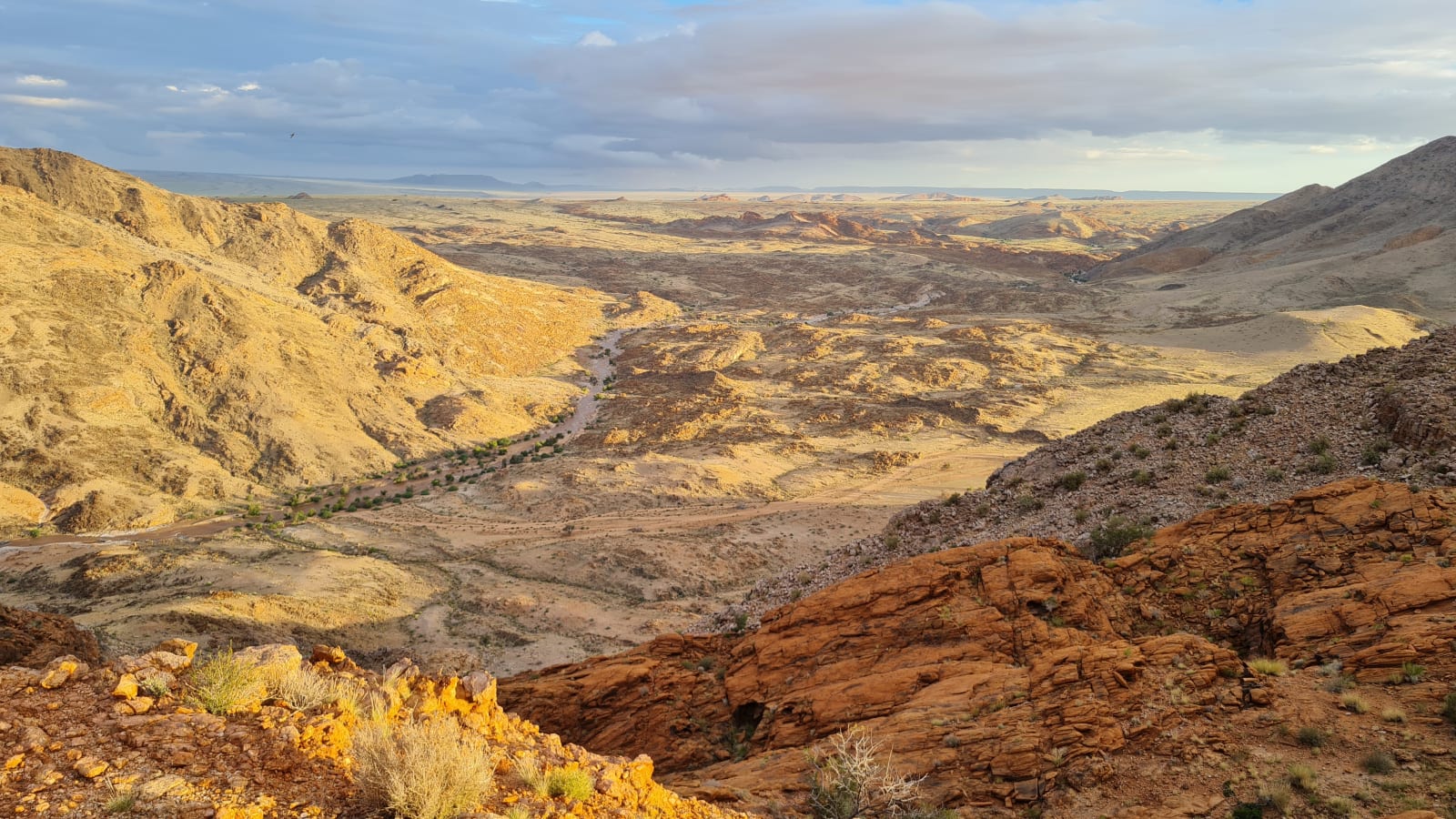
Inland, the thicket climbs the valleys until the Karoo takes over. Camdeboo National Park, wrapped around Graaff-Reinet, holds the transition: thicket in the kloofs below the Valley of Desolation, Karoo plains above. The town itself, with more national monuments than any other in the country, is the base, and its cottages and guesthouses are a night away from Addo in either direction.

The work your stay funds

Conservation and community causes linked to the stays in this guide. A share of every booking goes to the cause each host has chosen.

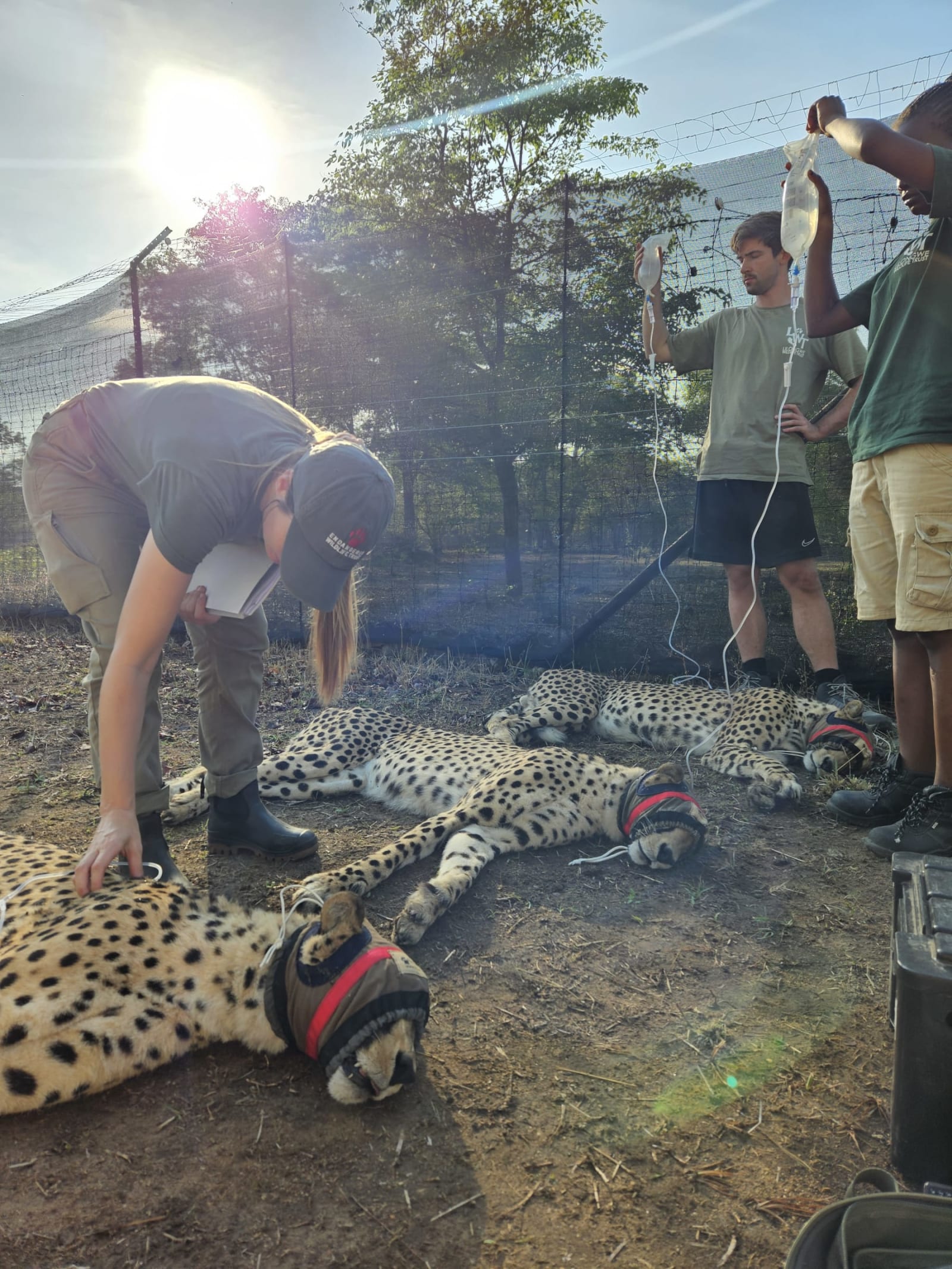
Endangered Wildlife Trust

Endangered Wildlife Trust

Conserving threatened species and ecosystems across Africa since 1973

Wilderness Foundation Africa

Wilderness Foundation Africa

Wilderness Foundation Africa works across Species, Spaces and People to enable thriving natural ecosystems and wilderness areas, while striving to uplift the lives of disadvantaged…

Thicket country on the map

The stays in this guide and the causes behind them.

Questions travellers ask

What is spekboom?

Spekboom (Portulacaria afra), also called elephant bush or pork bush, is a succulent shrub native to the dry valleys of the Eastern Cape. It grows to about three metres, has small round edible leaves, and is a keystone plant of the Albany Thicket, where elephants, kudu and tortoises browse it. It is also one of the easiest plants in the world to propagate: a branch pushed into the ground will root.

Why is spekboom good for the climate?

In dense thicket, spekboom can switch between two ways of taking in carbon dioxide, one by day and one by night, which lets it keep growing through drought and store unusually large amounts of carbon in its stems, roots and the soil beneath it. Research in the Eastern Cape has measured intact spekboom thicket storing carbon at rates comparable to some forests, which is why restoring it is used as a carbon project. The plant is not a substitute for cutting emissions, and figures quoted for a single plant in a garden are often overstated; the climate case is for restoring whole valleys.

Where is the Albany Thicket?

The Albany Thicket biome runs through the warm river valleys of the Eastern Cape between the Karoo and the coast, from the Sundays River and Addo in the west through the Bushmans, Kariega and Kowie valleys to the Great Fish River in the east, with outliers into the Little Karoo of the Western Cape. Addo Elephant National Park holds the largest intact stretch.

What is thicket restoration?

Much of the thicket was stripped by goat farming over the last two centuries and does not recover on its own once the spekboom canopy is gone. Restoration means planting spekboom cuttings by hand, in their thousands per hectare, across degraded valleys so the canopy closes again and the soil and the rest of the thicket plants return. The Working for Ecosystems programme and private reserves in the Eastern Cape have planted large areas since the mid-2000s, and it is one of the largest ecological restoration efforts in South Africa.

Is the Albany Thicket malaria-free?

Yes. The whole of the Eastern Cape, including Addo, the Great Fish River valley and Camdeboo, is malaria-free, which is why the region is the usual choice for a first safari with young children.

When is the best time to visit Addo and the thicket?

The thicket is evergreen and the parks are open all year. Autumn (March to May) and spring (September to November) are the mildest; summer is hot in the valleys and winter mornings are cold but the days are clear. Elephant sightings at the Addo waterholes are best in the dry, cooler months.

Plan a thicket trip

Addo, the Great Fish River and Graaff-Reinet make a natural loop from Gqeberha. Sign in to plan the route and book the stays.

Plan a trip

How your stay makes an impact

Book any stay in this guide through Spekboom and a share of the booking supports the causes above. You can also donate to them directly.

1

Book your stay

Choose from the places to stay in this guide

2

Choose a cause

A portion of booking fees goes to the linked causes

3

Make an impact

Your stay supports conservation and community work on the ground