Go Birdingfrom Wikipedia
Kaapse Bosbontrokkie
Cape BatisBatis capensis
The Cape batis (Batis capensis) is a small, stout insect-eating passerine bird in the wattle-eye family.
Wanneer om te gaan
Recorded year-round
Recorded in every month, so no month is the wrong month to look. We would rather say that than invent a best time.
Beste maandeEnige maand
Recorded in Western Cape~1,454 records
Curve from 1,965 national iNaturalist observations, not from one property and not from this province. Single-month spikes are discarded as upload artefacts, and below 50 records we show no curve at all.
Waar jy dit sal kry
Western Cape and beyond
Provinces where Cape Batis is most recorded. Tap one to find places to stay.
1,965 records, iNaturalist
Parke waar gashere die Cape Batis aanteken
 Cederberg Wilderness AreaWestern Cape · Best Sep to Apr9 plekke
 Goukamma Nature ReserveWestern Cape · Year-round9 plekke
 Gamkaberg Nature ReserveWestern Cape · Best Autumn and spring7 plekke
 De Hoop Nature ReserveWestern Cape · Best Sep to Apr5 plekke
 Grootvadersbosch Nature ReserveWestern Cape · Best Sep to Apr3 plekke
 Kogelberg Nature ReserveWestern Cape · Best Sep to Apr3 plekke
 Vrolijkheid Nature ReserveWestern Cape · Best Autumn and spring3 plekke
 De Mond Nature ReserveWestern Cape · Best Summer for terns and waders2 plekke
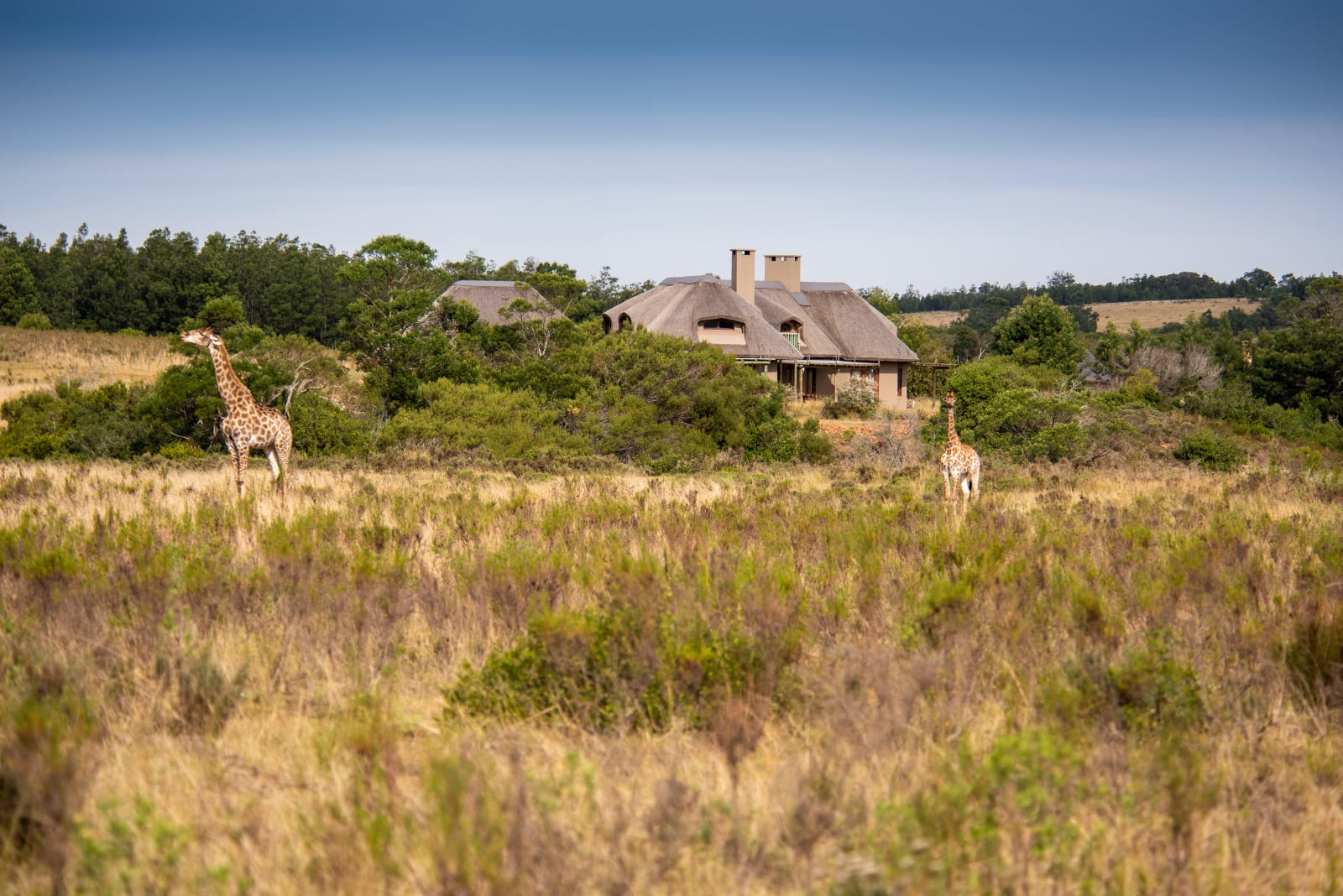 Gondwana Game ReserveWestern Cape · Best Sep to Apr2 plekke
 Groot Winterhoek Wilderness AreaWestern Cape · Best Spring and autumn1 plek
 Hottentots Holland Nature ReserveWestern Cape · Best Sep to Apr1 plek
 Keurbooms River Nature ReserveWestern Cape · Year-round1 plek
Verblyfplekke
50+ resultate in die Wes-Kaap