

Table Mountain National Park
Western Cape · Best Sep to Apr
4 places

The sooty albatross, dark-mantled sooty albatross or dark-mantled albatross, (Phoebetria fusca), is a species of bird in the albatross family.
Across the Western Cape
Table Mountain National Park
Sooty Albatross recorded here

Table Mountain National Park
Sooty Albatross recorded here

Table Mountain National Park
Sooty Albatross recorded here

Table Mountain National Park
Sooty Albatross recorded here
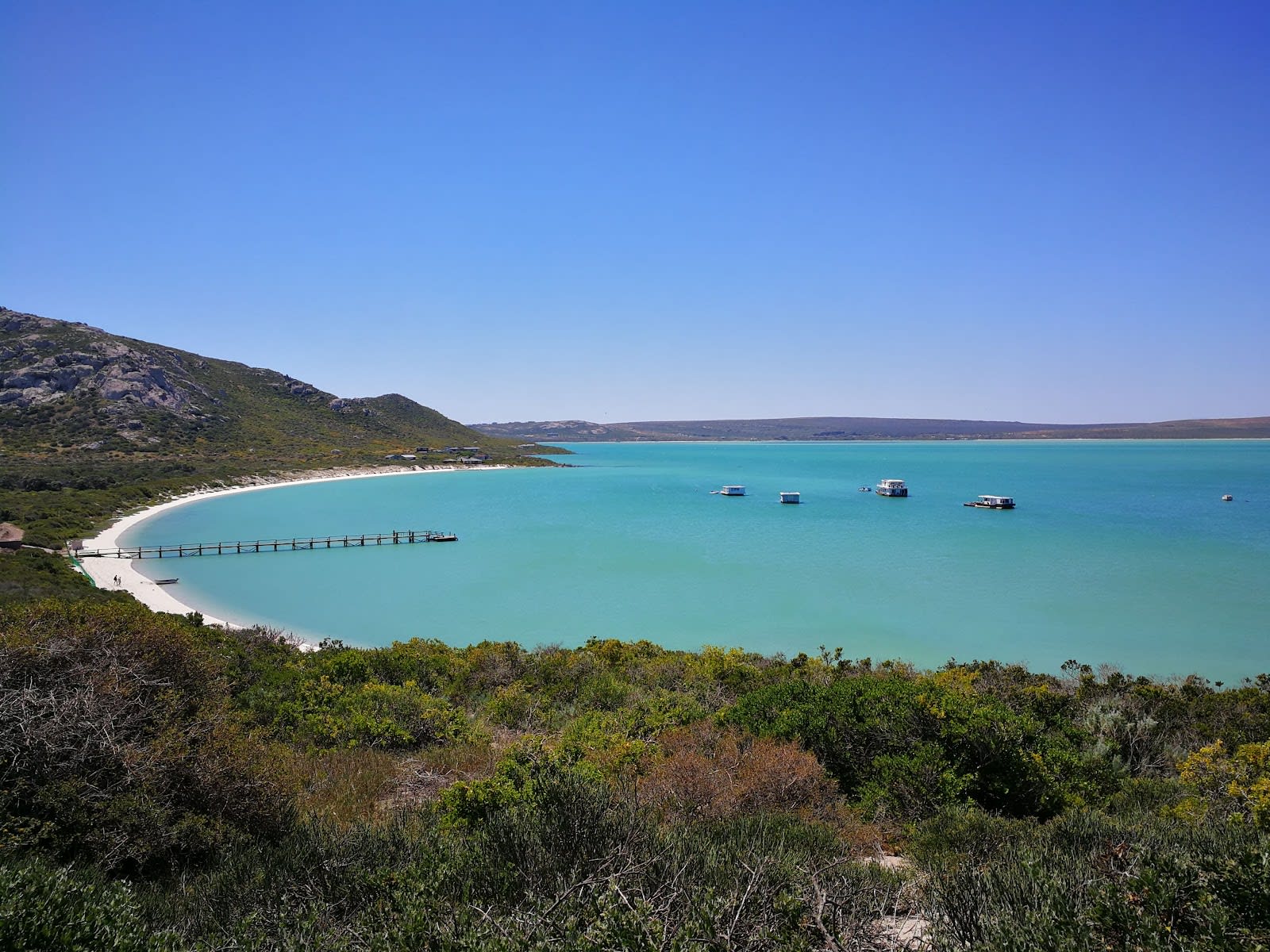
West Coast National Park
Sooty Albatross recorded here

Benguela Cove, Hermanus

Birder friendly

Oudtshoorn


Wittedrift, Plettenberg Bay


Riebeek Valley, Riebeek West

Birder friendly

Gardens, Cape Town

Klapmuts, Simondium

Bakoven, Cape Town

Swellendam


Franschhoek

Stanford
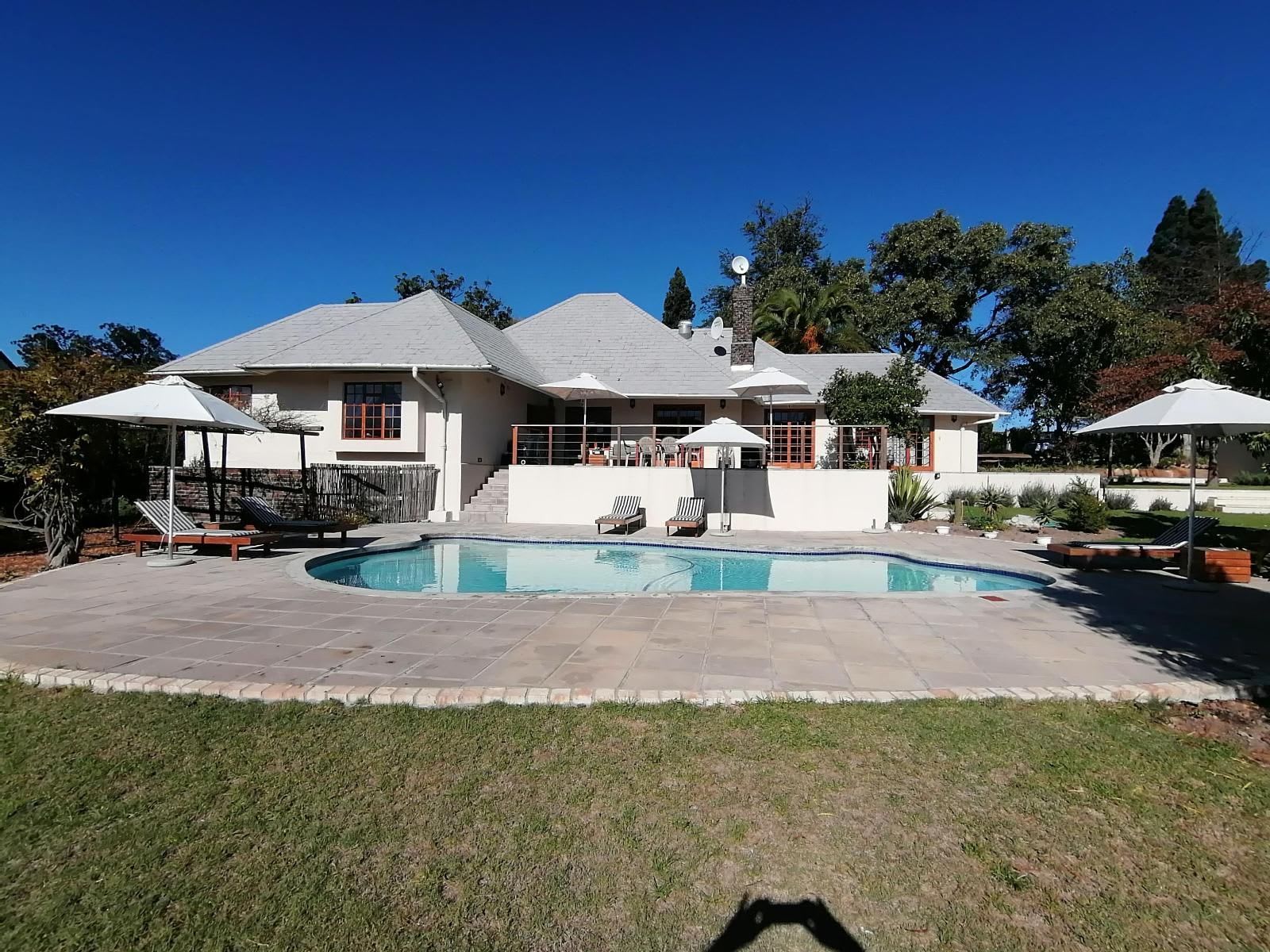
Stellenbosch


Stanford
Birder friendly

The Crags, Plettenberg Bay

Voëlklip, Hermanus


Somerset West


Franschhoek

Prince Albert

Simon's Town, Cape Town


Franschhoek

Next stop
Mountain, ocean, and fynbos within reach of the city
See places that give backPlanning a trip
Hosts have recorded the Sooty Albatross at stays in or beside Table Mountain National Park and West Coast National Park.
Drive yourself
Your own vehicle and pace, on the park's roads.
Where hosts record it
IUCN Red List
Endangered
Species
Phoebetria fusca
Every booking on Spekboom supports conservation.
A record means a host has seen the Sooty Albatross on the property or nearby. It is never a guarantee of a sighting.
Hosts on Spekboom have recorded the Sooty Albatross at stays in or beside Table Mountain National Park and West Coast National Park. A record means a host has seen it on the property or nearby, which makes these the places to base yourself; it is never a guarantee of a sighting on any given day.
The Sooty Albatross (Phoebetria fusca) is listed as Endangered on the IUCN Red List.
The sooty albatross, dark-mantled sooty albatross or dark-mantled albatross, (Phoebetria fusca), is a species of bird in the albatross family. They breed on sub-Antarctic islands and range at sea across the Southern Ocean from South America to Australia.