

Addo Elephant National Park
Eastern Cape · Year-round
5 places

The little shearwater (Puffinus assimilis) is a small shearwater in the petrel family Procellariidae.
Across the Eastern Cape

Addo Elephant National Park
Little Shearwater recorded here

Addo Elephant National Park
Little Shearwater recorded here
Addo Elephant National Park
Little Shearwater recorded here

Addo Elephant National Park
Little Shearwater recorded here

Addo Elephant National Park
Little Shearwater recorded here

St Francis Bay

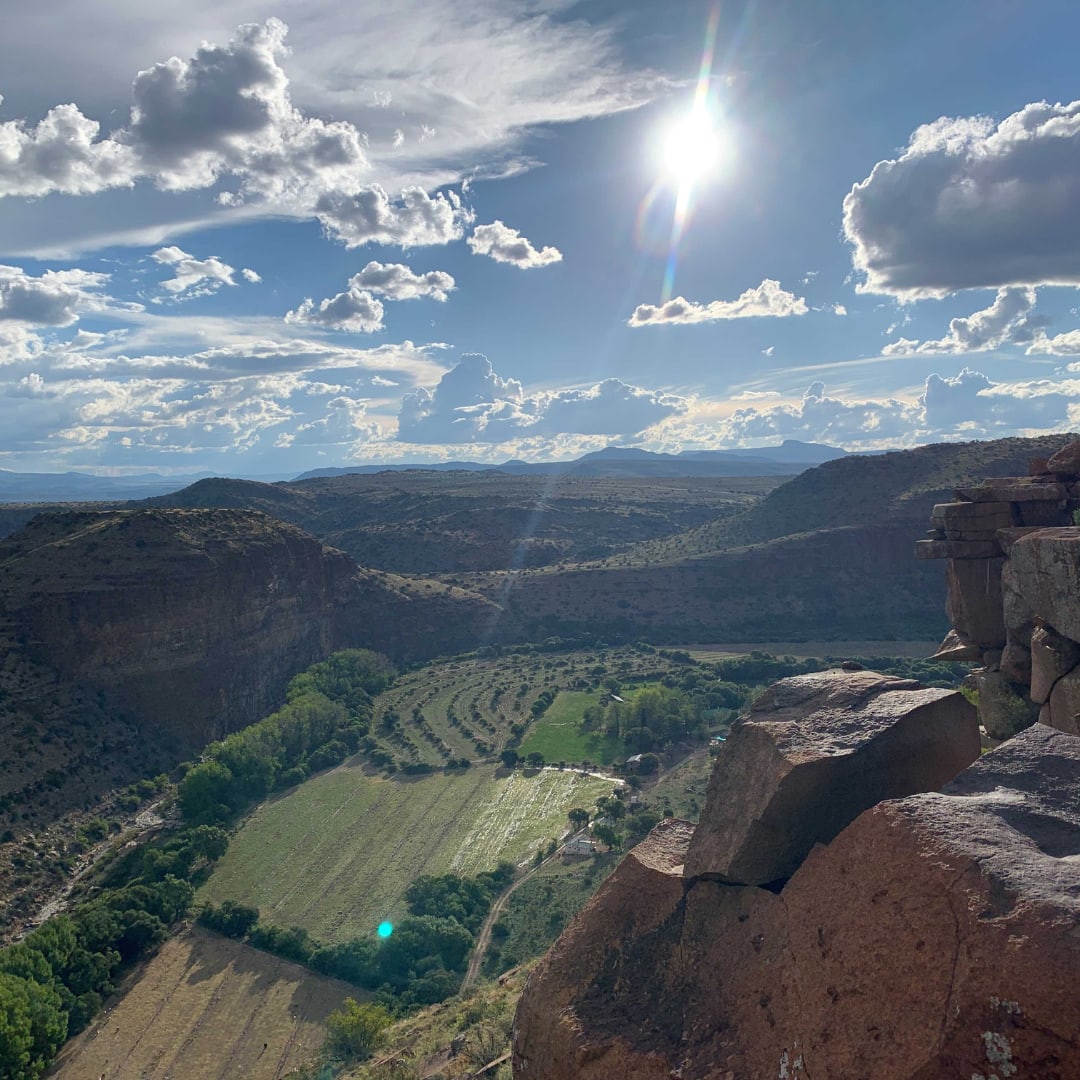
Nieu Bethesda

Birder friendly

Hankey
Birder friendly

Sundays River Valley, Addo


Walmer, Port Elizabeth

Kwandwe Private Game Reserve

Mkambati Nature Reserve
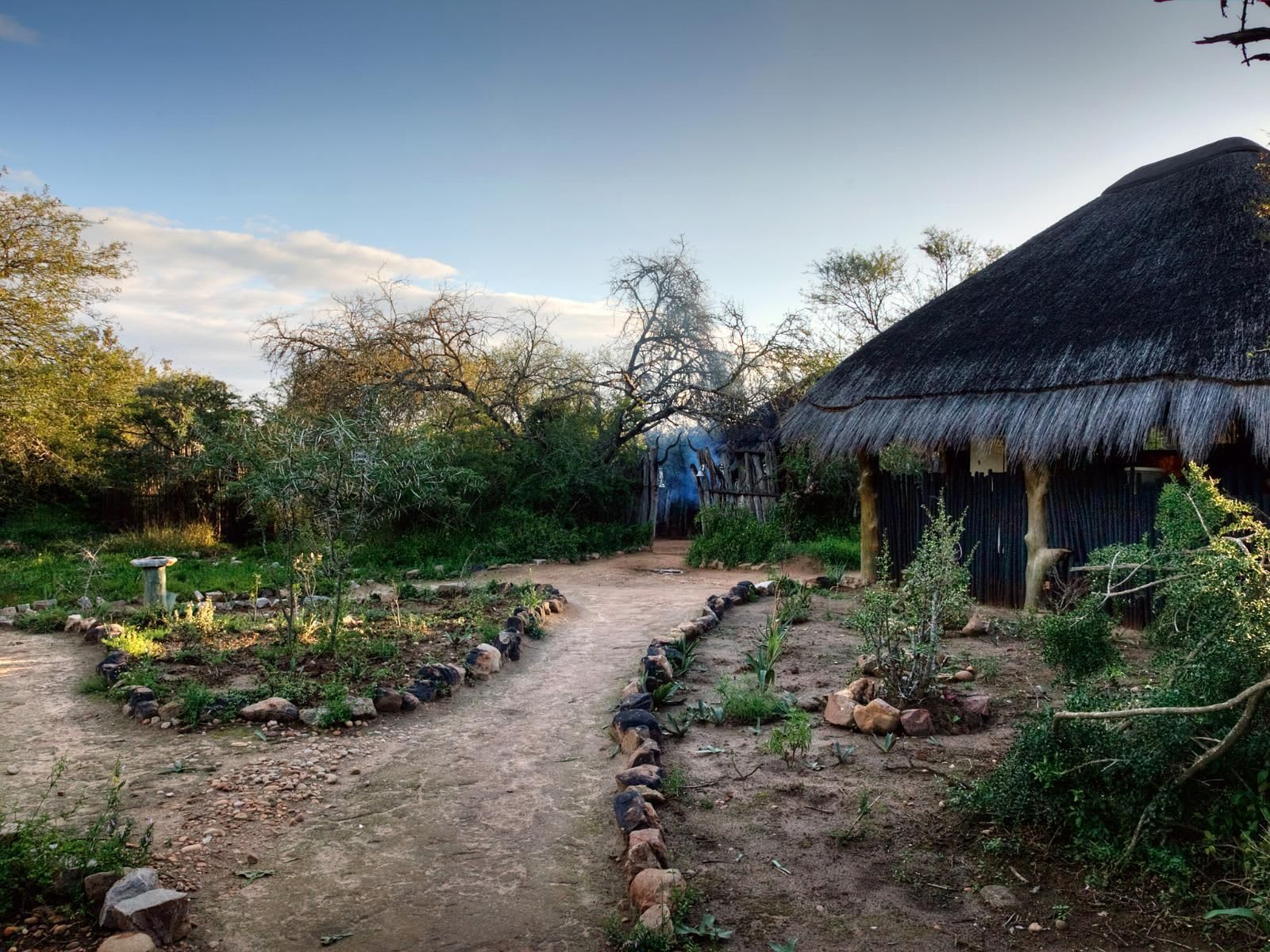
Paterson


Kwandwe Private Game Reserve

Sneeuberg Nature Reserve, Nieu Bethesda

Amakhala Game Reserve

Kwandwe Private Game Reserve

Sundays River Valley, Addo

Aberdeen
Birder friendly

Kwandwe Private Game Reserve

Rhodes
Birder friendly

Garden Route National Park

Kwandwe Private Game Reserve

Mountain Zebra National Park

Next stop
Forests, lagoons, and Knysna's sheltered bay
See places that give backPlanning a trip
Hosts have recorded the Little Shearwater at stays in or beside Addo Elephant National Park.
Drive yourself
Your own vehicle and pace, on the park's roads.
Where hosts record it
IUCN Red List
Least Concern
Species
Puffinus assimilis
Every booking on Spekboom supports conservation.
A record means a host has seen the Little Shearwater on the property or nearby. It is never a guarantee of a sighting.
Hosts on Spekboom have recorded the Little Shearwater at stays in or beside Addo Elephant National Park. A record means a host has seen it on the property or nearby, which makes these the places to base yourself; it is never a guarantee of a sighting on any given day.
The Little Shearwater (Puffinus assimilis) is listed as Least Concern on the IUCN Red List.
The little shearwater (Puffinus assimilis) is a small shearwater in the petrel family Procellariidae. Despite the generic name, it is unrelated to the puffins, which are auks, the only similarity being that they are both burrow-nesting seabirds.