

Tsitsikamma National Park
Eastern Cape · Best Apr to Sep
1 place

The African crake is a small- to medium-size ground-living bird in the rail family, found in most of central to southern Africa.
Most records Jan to Mar
When African Crake sightings peak, from open records. Outside these months it is seen less often, not never.
Curve from 101 national iNaturalist observations, not from one property. Single-month spikes are discarded as upload artefacts, and below 50 records we show no curve at all.
Limpopo and beyond
Provinces where African Crake is most recorded. Tap one to find places to stay.
101 records, iNaturalist
Across the Eastern Cape
Garden Route National Park
African Crake recorded here

St Francis Bay


Sneeuberg Nature Reserve, Nieu Bethesda


Amakhala Game Reserve

Sundays River Valley, Addo


Walmer, Port Elizabeth

Kwandwe Private Game Reserve

Mkambati Nature Reserve
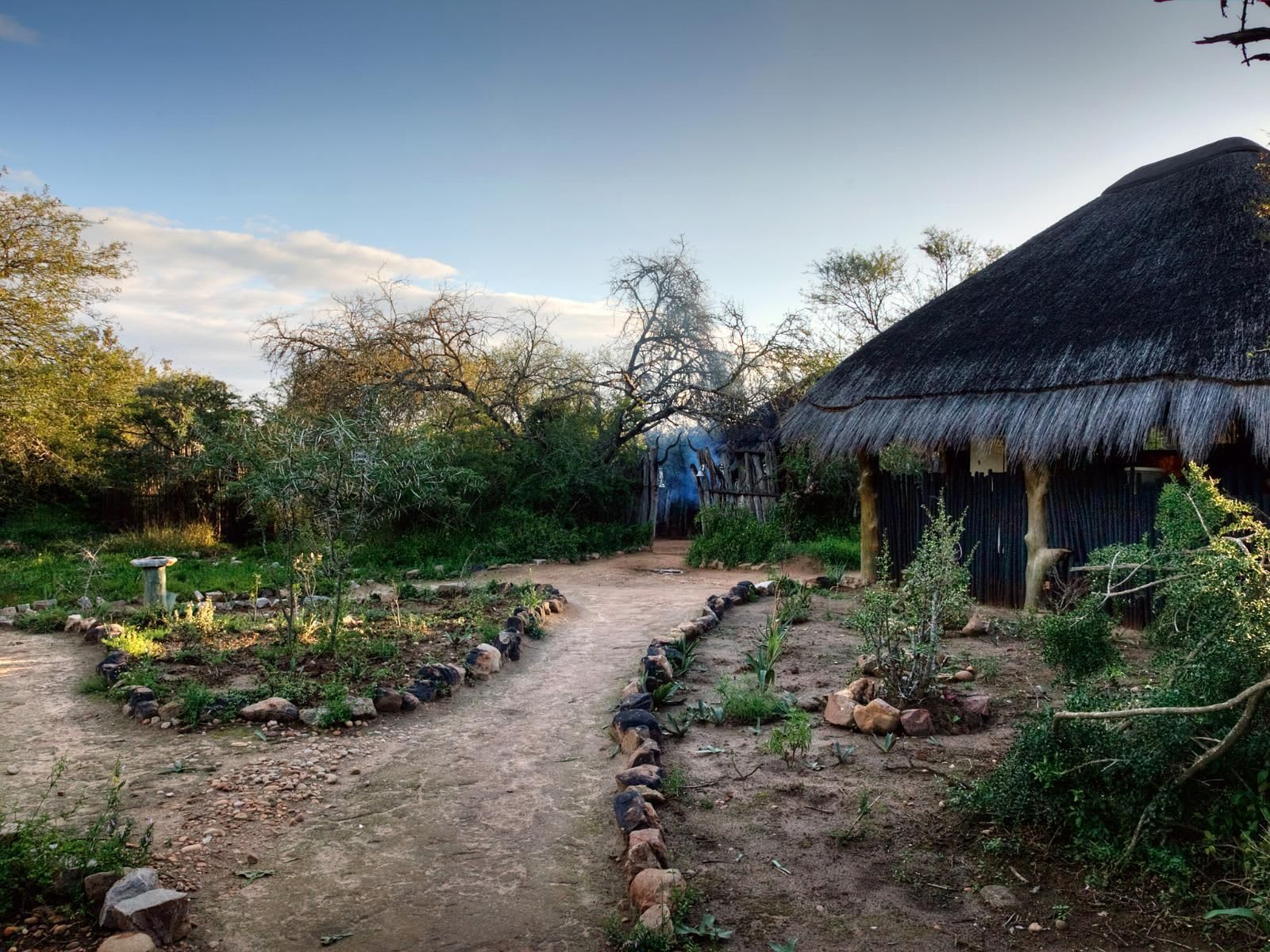
Paterson

Kwandwe Private Game Reserve

Sundays River Valley, Addo

Aberdeen

Birder friendly

Kwandwe Private Game Reserve
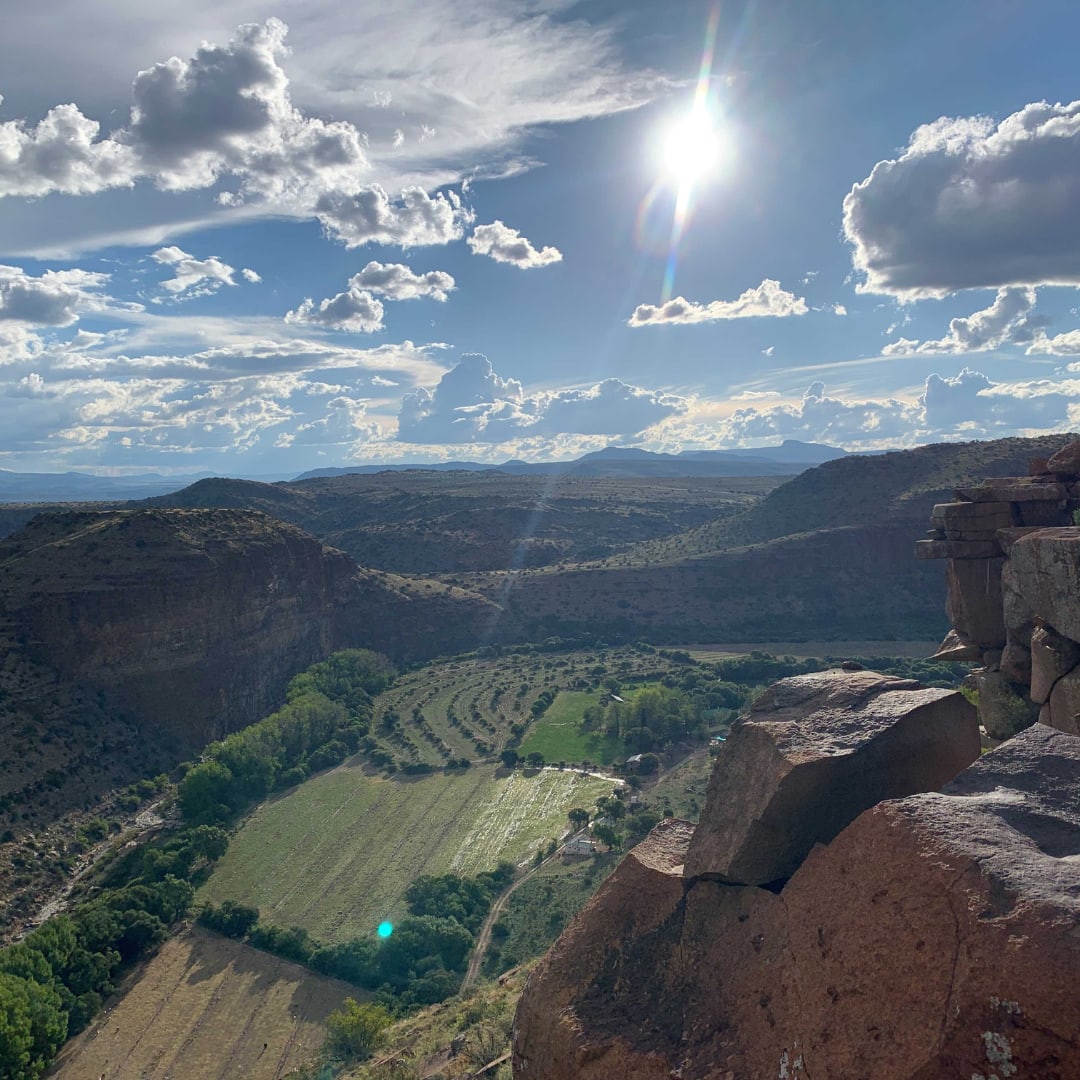
Nieu Bethesda
Birder friendly

Hankey
Birder friendly

Kwandwe Private Game Reserve

Rhodes
Birder friendly

Kwandwe Private Game Reserve

Mountain Zebra National Park

Addo Elephant National Park

Lalibela Wildlife Reserve, Paterson

Addo Elephant National Park

Camdeboo National Park

Lalibela Wildlife Reserve, Paterson

Next stop
Forests, lagoons, and Knysna's sheltered bay
See places that give backPlanning a trip
Hosts have recorded the African Crake at stays in or beside Tsitsikamma National Park.
Drive yourself
Your own vehicle and pace, on the park's roads.
Where hosts record it
Species
Crex egregia
Records
101
iNaturalist observations
Every booking on Spekboom supports conservation.
A record means a host has seen the African Crake on the property or nearby. It is never a guarantee of a sighting.
Hosts on Spekboom have recorded the African Crake at stays in or beside Tsitsikamma National Park. A record means a host has seen it on the property or nearby, which makes these the places to base yourself; it is never a guarantee of a sighting on any given day.
The African Crake is most recorded in Limpopo (27% of records), KwaZulu-Natal (21% of records), Western Cape (17% of records), based on 101 iNaturalist observations. 1 place to stay on Spekboom in Eastern Cape has recorded the African Crake on site or nearby.
Sightings of the African Crake peak from Jan to Mar, based on 101 iNaturalist records. You may still see it outside those months, sightings are just less frequent.
The African crake is a small- to medium-size ground-living bird in the rail family, found in most of central to southern Africa. It is seasonally common in most of its range other than the rainforests and areas that have low annual rainfall. This crake is a partial migrant, moving away from the equator as soon as the rains provide sufficient grass cover to allow it to breed elsewhere.
