

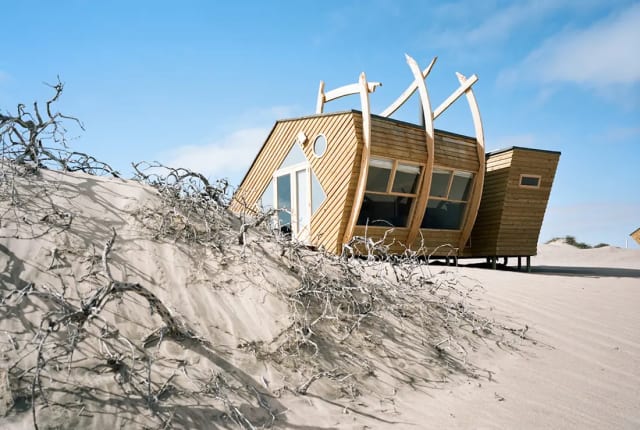


The Mole Guesthouse
Swakopmund · From R 1,048 a night
Across Namibia
Swakopmund · From R 1,048 a night

Boplaas · From R 880 a night
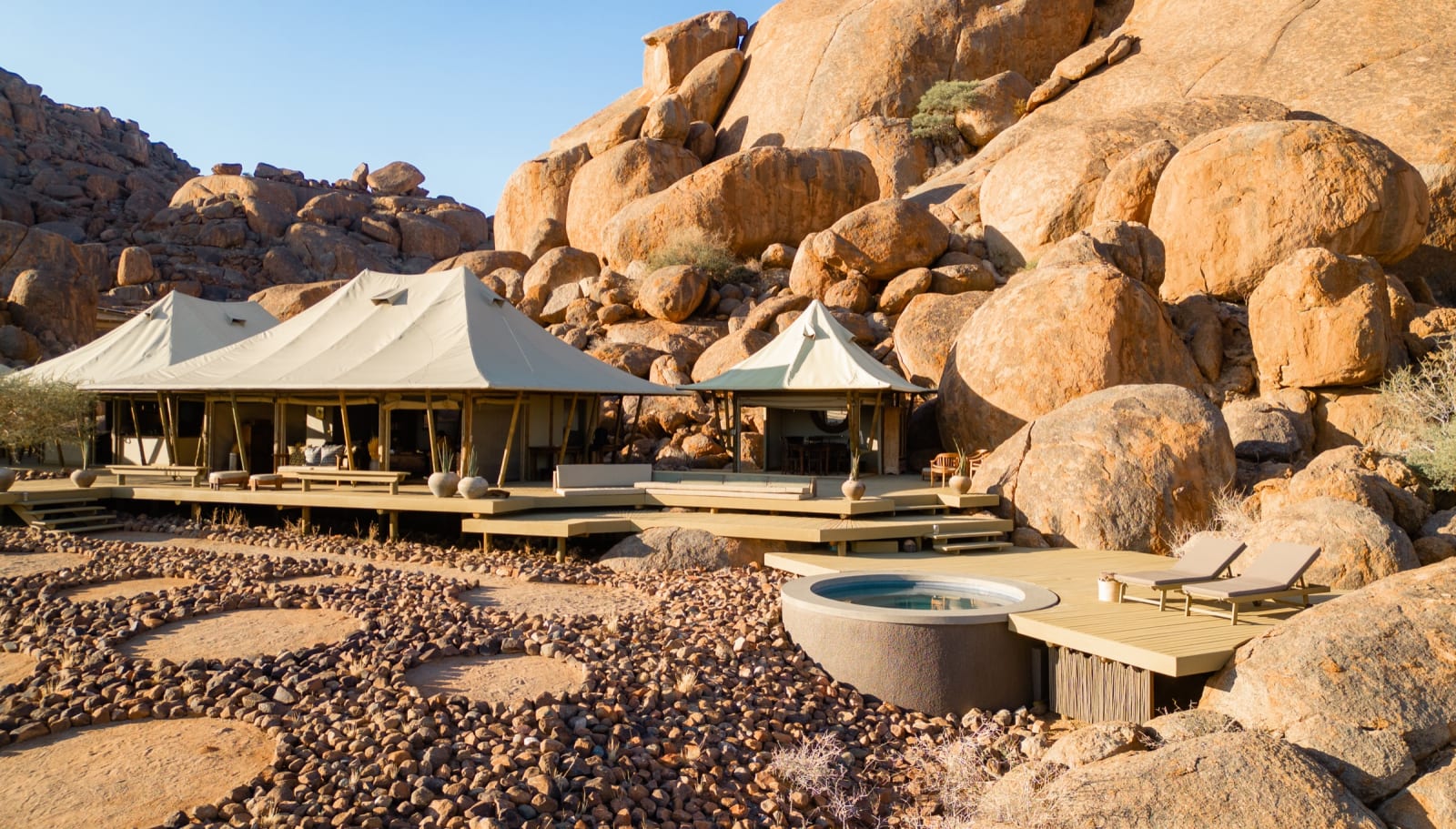
NamibRand Nature Reserve · Price on request

Dorob National Park · From R 960 a night

Dorob National Park · From R 960 a night

NamibRand Nature Reserve · Price on request

Dorob National Park · From R 1,520 a night

Shark Island · From R 2,420 a night

NamibRand Nature Reserve · Price on request

Skeleton Coast Park · From R 2,480 a night

Skeleton Coast Park · From R 3,480 a night

NamibRand Nature Reserve · Price on request

Namib-Naukluft Park · From R 5,360 a night

Etosha National Park · From R 4,080 a night
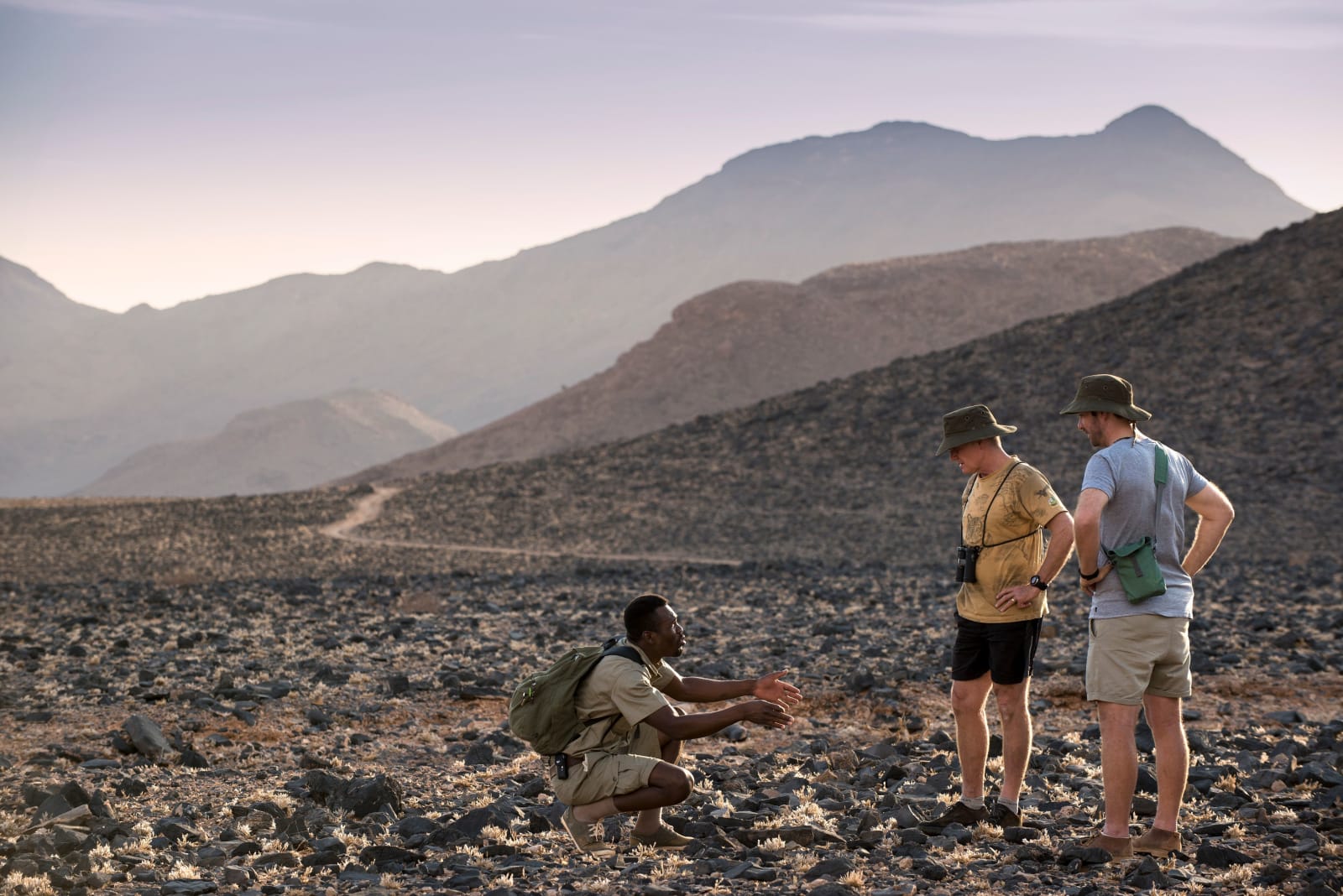
NamibRand Nature Reserve · Price on request

Namib-Naukluft Park · From R 2,300 a night

Ai-Ais/Fish River Canyon Park · From R 3,780 a night

Skeleton Coast National Park · Price on request

Khorixas · From R 1,240 a night

Waterberg Plateau Park · From R 2,200 a night

NamibRand Nature Reserve · Price on request

Bwabwata National Park · From R 1,360 a night

Hardap Game Reserve · From R 1,440 a night

Windhoek · Price on request
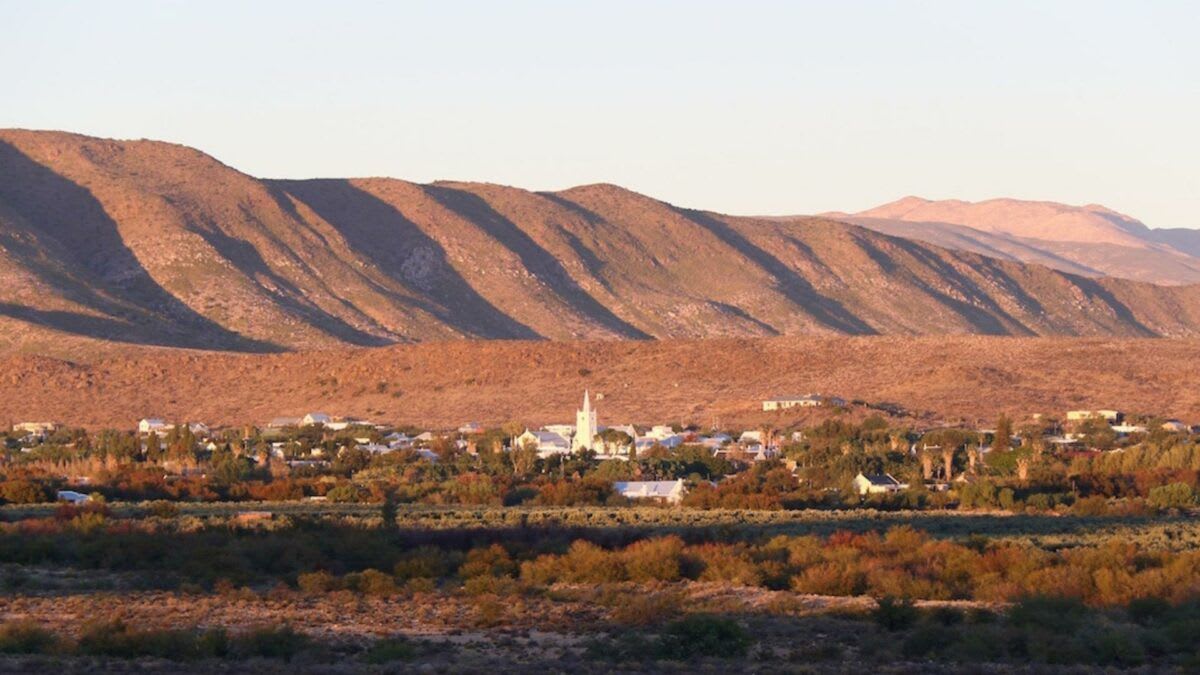
Next stop
South Africa's vast inland heart: silence, stars, and wide horizons
See places that give backNamibia is the self-drive country. The roads are long, empty and mostly gravel, the distances are honest, and the landscape changes completely every day: the red dunes of the Namib one morning, the white pan of Etosha a few days later, fog and shipwrecks on the Skeleton Coast in between. Two weeks and a car with decent clearance cover the classic loop out of Windhoek; three weeks reach the far north or the Fish River Canyon in the south.
May to October is the season. Days are clear and bearable, nights are cold, and in Etosha the dry months pull game to the waterholes in numbers, with the floodlit holes at the rest camps running through the night. Sossusvlei is best in the first hour after the Sesriem gate opens, which is an argument for sleeping inside it. Summer is very hot inland and turns the Etosha pan into a shallow lake with flamingos on it.
Much of the country is malaria-free, which is unusual for this kind of trip, and the desert skies are among the darkest anywhere. Stays run from the Namibia Wildlife Resorts camps inside the national parks to small private camps on the reserves, and the guesthouses of Swakopmund and the farm towns between them.
May to October, the dry winter, for clear days at Sossusvlei, the most game at the Etosha waterholes and comfortable driving. Nights are cold, sometimes below freezing. November to March is hot inland with occasional rain, though the coast stays cool and the green season turns the Etosha pan into a lake.
Not for the classic loop. The graded gravel roads to Sossusvlei, the coast, Damaraland and Etosha suit a two-wheel drive with good clearance driven slowly. A 4x4 is needed for the Kaokoveld, the far north and the coastal sand concessions. Carry two spare tyres, extra water and fuel for the long stretches.
The desert, the coast and the south are malaria-free. Etosha and the north, particularly the Zambezi region in summer, carry a risk. Speak to a travel clinic if your route goes north of Etosha or into the Zambezi strip in the wet season.
Two weeks covers Windhoek, Sossusvlei, the coast, Damaraland and Etosha at a reasonable pace, with roughly 300 to 400 kilometres of gravel on the longer days. Three weeks adds the Fish River Canyon in the south or the Kaokoveld in the north.