
Cederberg Wilderness Area
Western Cape · Best Sep to Apr
9 lugares

The black kite (Milvus migrans) is a medium-sized bird of prey in the family Accipitridae, which also includes many other diurnal raptors.
Recorded year-round
Recorded in every month, so no month is the wrong month to look. We would rather say that than invent a best time.
Curve from 3,163 national iNaturalist observations, not from one property and not from this province. Single-month spikes are discarded as upload artefacts, and below 50 records we show no curve at all.
KwaZulu-Natal and beyond
Provinces where Yellow-billed Kite is most recorded. Tap one to find places to stay.
3,165 records, iNaturalist
Por todo o Cabo Ocidental

Oudtshoorn · A partir de R 5,060 por noite

Avistado com frequência · Observação de aves

Robertson · A partir de R 1,155 por noite
Avistado com frequência · Observação de aves

Riebeek Valley, Riebeek West · A partir de R 5,636 por noite

Avistado com frequência · Observação de aves

Pringle Bay · A partir de R 4,640 por noite
Yellow-billed Kite: registrado aqui

Marloth Nature Reserve · A partir de R 1,180 por noite
Yellow-billed Kite: registrado aqui
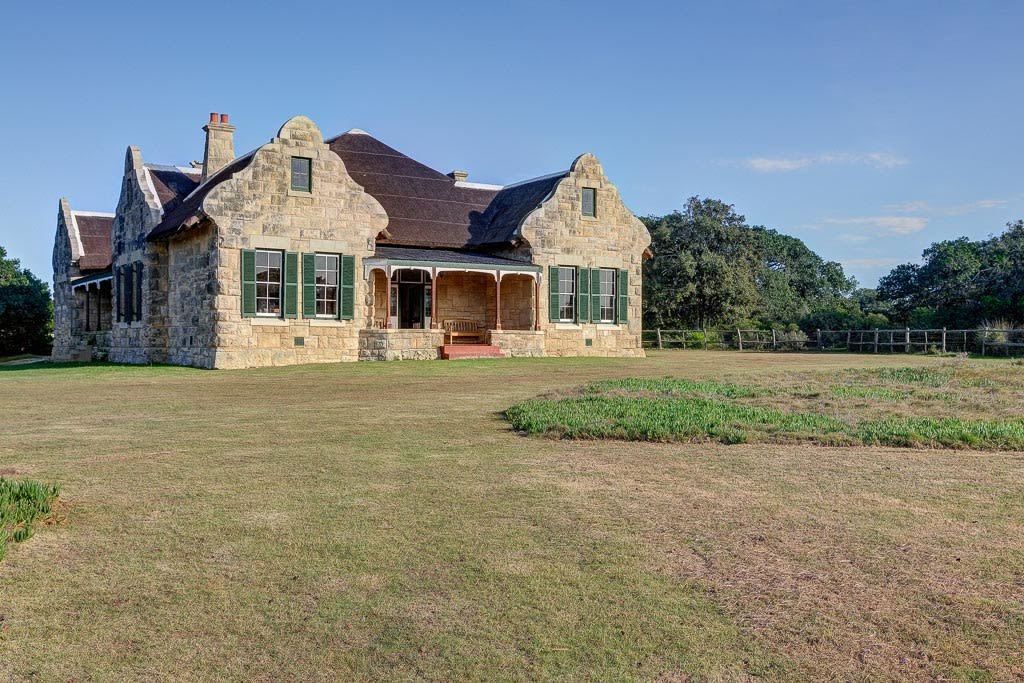
De Hoop Nature Reserve · Preço sob consulta
Avistado com frequência · Observação de aves

Limietberg Nature Reserve · A partir de R 220 por noite
Yellow-billed Kite: registrado aqui
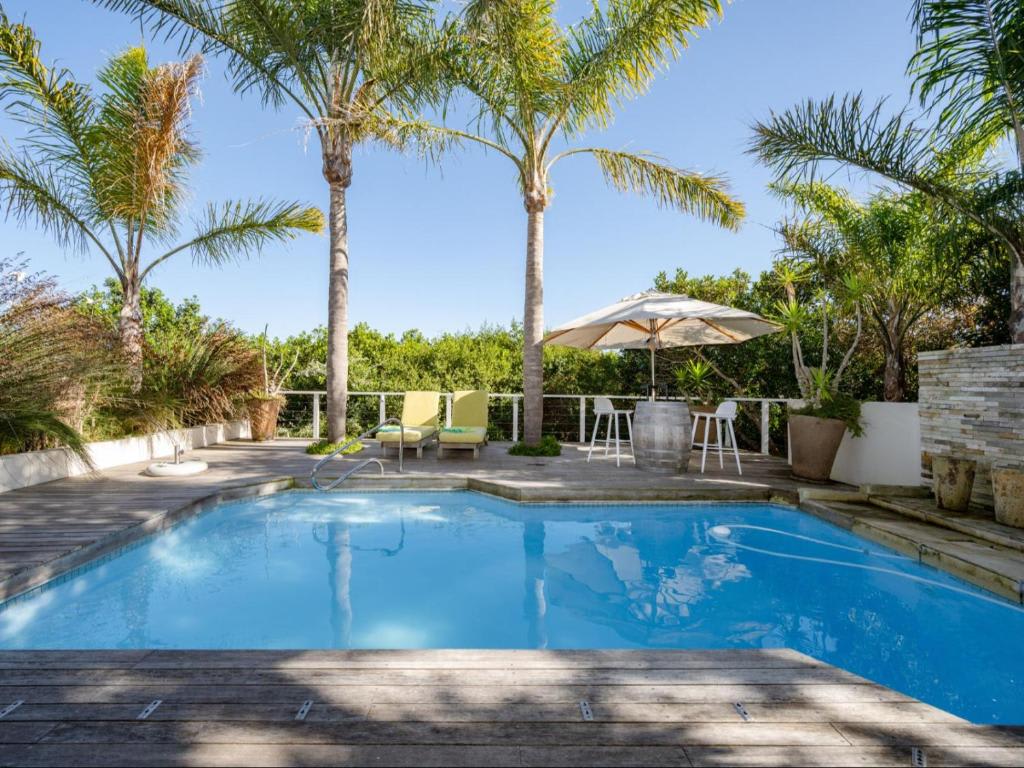
Keurbooms River Nature Reserve · A partir de R 2,170 por noite
Yellow-billed Kite: registrado aqui
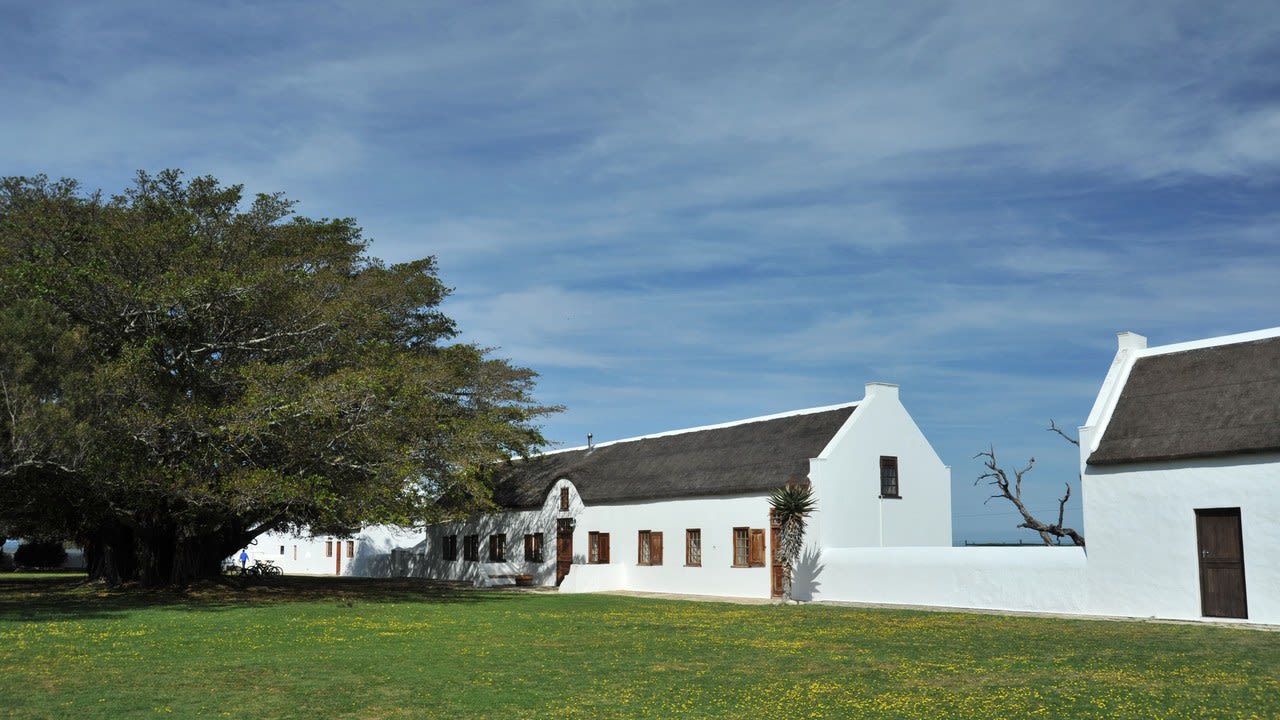
De Hoop Nature Reserve · Preço sob consulta
Avistado com frequência · Observação de aves

Hottentots Holland Nature Reserve · A partir de R 680 por noite
Yellow-billed Kite: registrado aqui

Cederberg Wilderness Area · A partir de R 180 por noite
Yellow-billed Kite: registrado aqui

Glencairn, Cape Town · Preço sob consulta
Avistado com frequência · Observação de aves

Grootvadersbosch Nature Reserve · A partir de R 300 por noite
Yellow-billed Kite: registrado aqui

Grootvadersbosch Nature Reserve · A partir de R 1,460 por noite
Yellow-billed Kite: registrado aqui

Vrolijkheid Nature Reserve · A partir de R 1,750 por noite
Yellow-billed Kite: registrado aqui

Vrolijkheid Nature Reserve · A partir de R 1,750 por noite
Yellow-billed Kite: registrado aqui

Rocherpan Nature Reserve · A partir de R 1,990 por noite
Yellow-billed Kite: registrado aqui
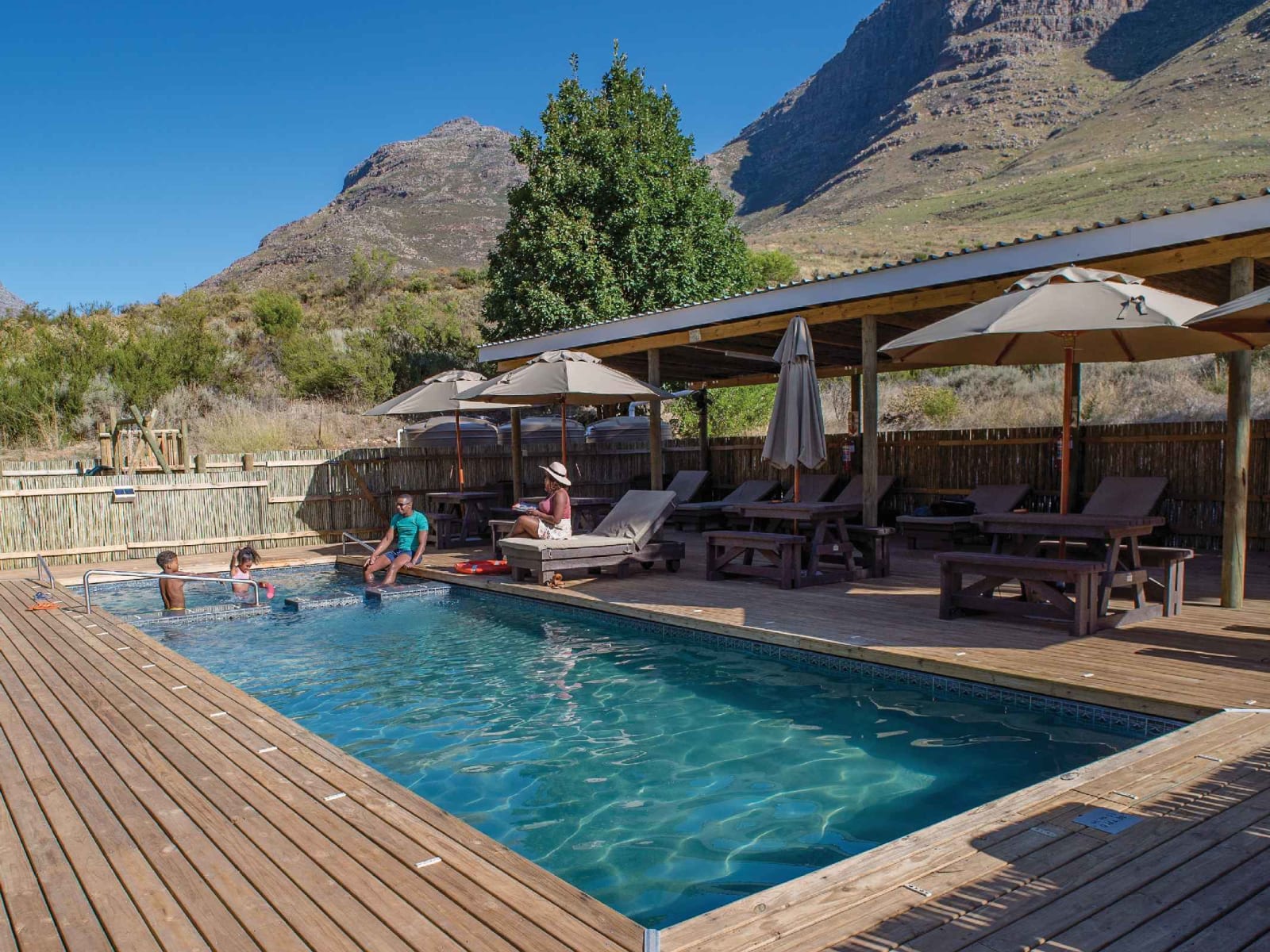
Cederberg Wilderness Area · A partir de R 1,990 por noite
Yellow-billed Kite: registrado aqui

Grootvadersbosch Nature Reserve · A partir de R 1,780 por noite
Yellow-billed Kite: registrado aqui

Rocherpan Nature Reserve · A partir de R 1,500 por noite
Yellow-billed Kite: registrado aqui

Rocherpan Nature Reserve · A partir de R 1,430 por noite
Yellow-billed Kite: registrado aqui

Rocherpan Nature Reserve · A partir de R 1,430 por noite
Yellow-billed Kite: registrado aqui

Rocherpan Nature Reserve · A partir de R 1,430 por noite
Yellow-billed Kite: registrado aqui

Cederberg Wilderness Area · A partir de R 1,580 por noite
Yellow-billed Kite: registrado aqui

Próxima paragem
Stellenbosch and Franschhoek vineyards, an hour up the N1
Ver lugares que retribuemPlanejando uma viagem
Os anfitriões registraram esta espécie (Yellow-billed Kite) em hospedagens dentro ou ao lado de Cederberg Wilderness Area, Goukamma Nature Reserve and Rocherpan Nature Reserve.
Dirija por conta própria
Seu próprio veículo e seu próprio ritmo, nas estradas do parque.
Onde os anfitriões registram
Espécie
Milvus migrans
Registros
3,165
Observações no iNaturalist
Cada reserva no Spekboom apoia a conservação.
Um registro significa que um anfitrião avistou esta espécie (Yellow-billed Kite) na propriedade ou nas proximidades. Nunca é garantia de avistamento.
Hosts on Spekboom have recorded the Yellow-billed Kite at stays in or beside Cederberg Wilderness Area, Goukamma Nature Reserve, Rocherpan Nature Reserve, De Hoop Nature Reserve, Grootvadersbosch Nature Reserve and Vrolijkheid Nature Reserve and other reserves. A record means a host has seen it on the property or nearby, which makes these the places to base yourself; it is never a guarantee of a sighting on any given day.
The Yellow-billed Kite is most recorded in KwaZulu-Natal (40% of records), Western Cape (37% of records), Mpumalanga (9% of records), based on 3,165 iNaturalist observations. 43 places to stay on Spekboom in Western Cape have recorded the Yellow-billed Kite on site or nearby.
The Yellow-billed Kite is recorded throughout the year, so no month is the wrong month to look for it. For the parks where hosts record it most, these are the best seasons they give. Cederberg Wilderness Area: Sep-Apr, flowers Aug-Oct; Goukamma Nature Reserve: year-round, warm Oct-Apr; Rocherpan Nature Reserve: Winter and spring for birds and flowers, Jun-Oct; De Hoop Nature Reserve: Sep-Apr, flowers Aug-Oct. In the dry months animals concentrate at water and the grass is short.
The black kite (Milvus migrans) is a medium-sized bird of prey in the family Accipitridae, which also includes many other diurnal raptors. It is thought to be the world's most abundant species of Accipitridae, although some populations have experienced dramatic declines or fluctuations. Current global population estimates run up to 6 million individuals.

