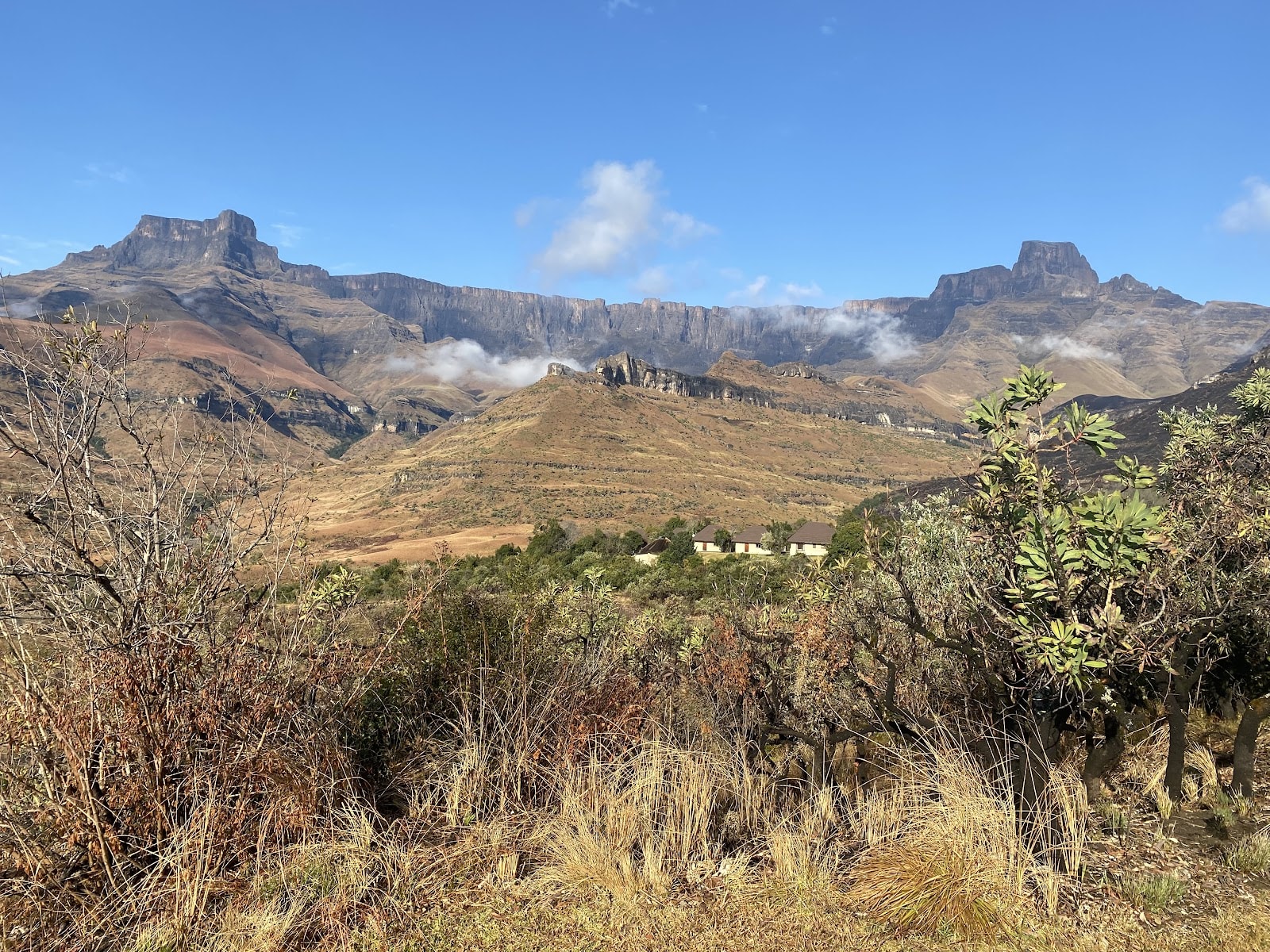
uKhahlamba-Drakensberg Park
KwaZulu-Natal · Year-round
10 plekken

The southern bald ibis (Geronticus calvus) is a large bird found in open grassland or semi-desert in the mountains of southern Africa.Taxonomically, it is most closely related to its counterpart in the northern regions of Africa, the waldrapp.
Recorded year-round
Recorded in every month, so no month is the wrong month to look. We would rather say that than invent a best time.
Curve from 605 national iNaturalist observations, not from one property. Single-month spikes are discarded as upload artefacts, and below 50 records we show no curve at all.
KwaZulu-Natal and beyond
Provinces where Southern Bald Ibis is most recorded. Tap one to find places to stay.
605 records, iNaturalist
Door heel Zuid-Afrika

Estcourt
Betrouwbaar te zien · Vogelaarsvriendelijk · Grasland-bioom
Steunt Royal Drakensberg Education Trust
Vanaf R 2,000 per nacht

Bronkhorstspruit
Betrouwbaar te zien · Vogelaarsvriendelijk · Savanne-bioom
Steunt Lessons in Conservation (LiC)
Vanaf R 600 per nacht

Wakkerstroom
Betrouwbaar te zien · Vogelaarsvriendelijk · Grasland-bioom
Steunt BirdLife South Africa
Vanaf R 1,500 per nacht

Drakensberg, Bergville
Betrouwbaar te zien · Vogelaarsvriendelijk · Grasland-bioom · Bushbuck · Common eland
Steunt Royal Drakensberg Education Trust en 1 ander goed doel
Vanaf R 6,800 per nacht

Wakkerstroom
Betrouwbaar te zien · Vogelaarsvriendelijk · Grasland-bioom
Steunt BirdLife South Africa
Vanaf R 2,550 per nacht

Hluhluwe-Imfolozi Park
Southern Bald Ibis hier waargenomen · Savanne-bioom · African wild dog · Spotted hyena
Steunt Isibindi Foundation
Prijs op aanvraag
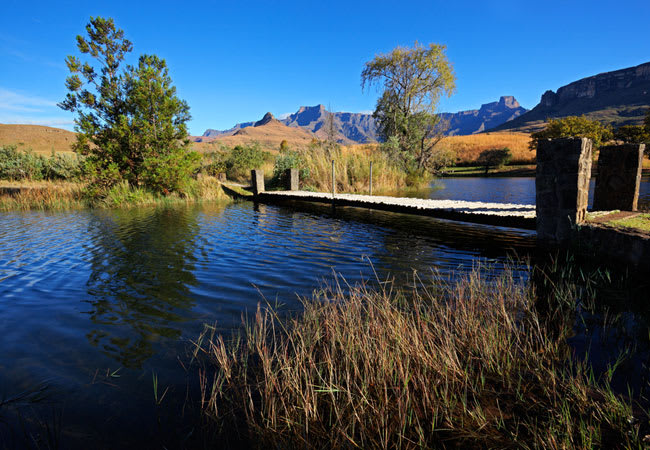
uKhahlamba-Drakensberg Park
Southern Bald Ibis hier waargenomen · Grasland-bioom · Southern rock agama · Tree fuchsia
Vanaf R 190 per nacht
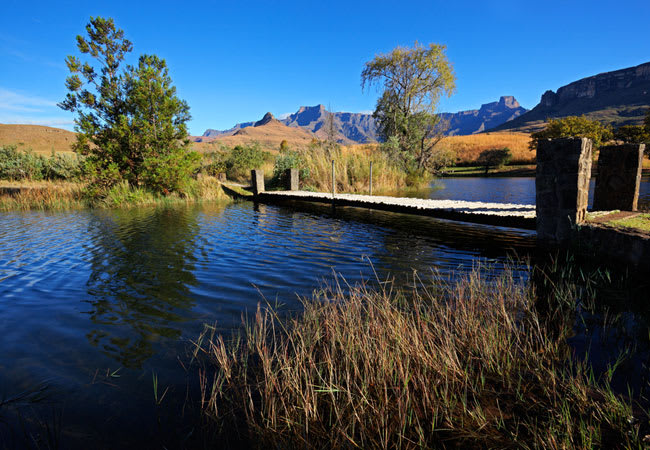
uKhahlamba-Drakensberg Park
Southern Bald Ibis hier waargenomen · Grasland-bioom · Southern rock agama · Cape heath
Vanaf R 190 per nacht

Dullstroom
Southern Bald Ibis hier waargenomen · Grasland-bioom
Steunt DAKTARI Bush School
Prijs op aanvraag
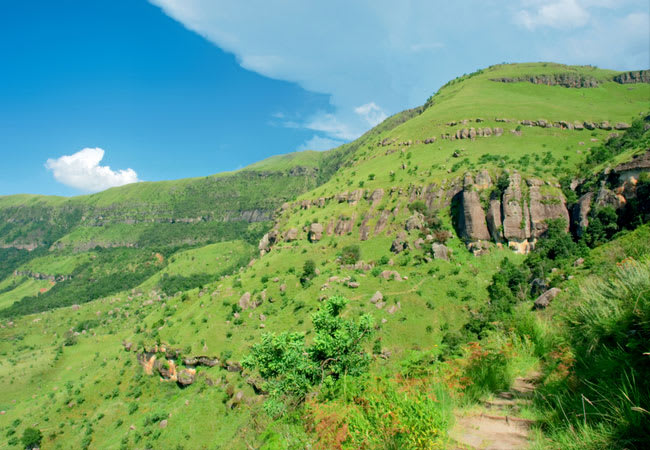
uKhahlamba-Drakensberg Park
Southern Bald Ibis hier waargenomen · Grasland-bioom · Real yellowwood · Chacma baboon
Vanaf R 130 per nacht
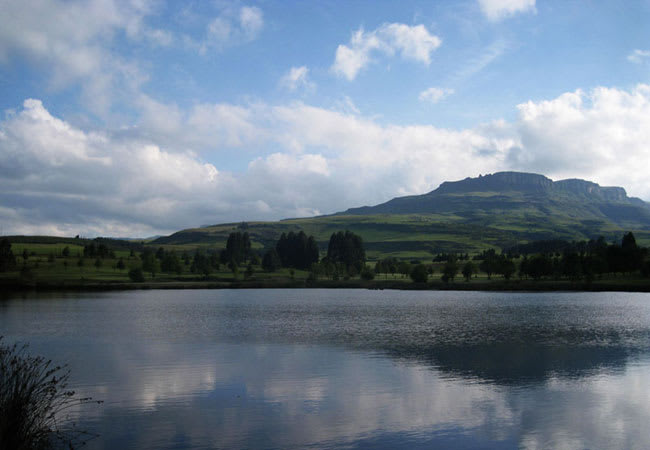
uKhahlamba-Drakensberg Park
Southern Bald Ibis hier waargenomen · Grasland-bioom · Tree fuchsia · Black wildebeest
Vanaf R 840 per nacht
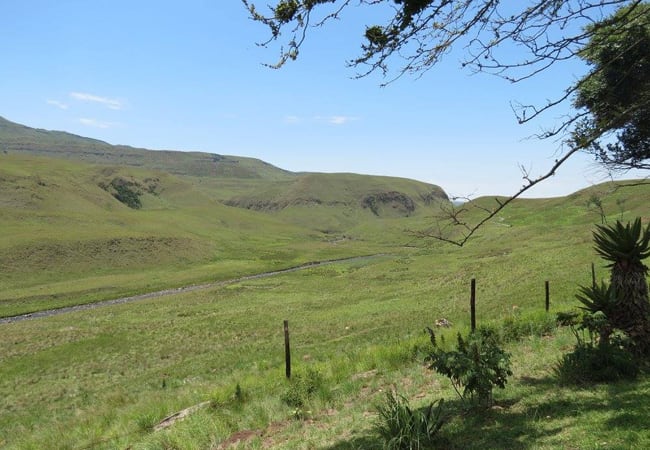
uKhahlamba-Drakensberg Park
Southern Bald Ibis hier waargenomen · Grasland-bioom · Southern rock agama · Common eland
Vanaf R 270 per nacht
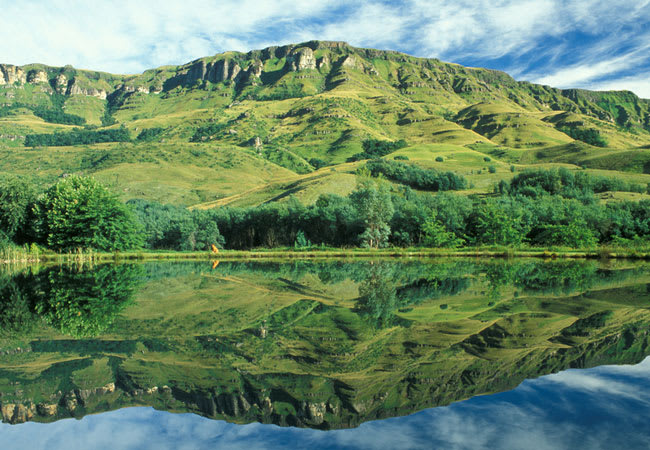
uKhahlamba-Drakensberg Park
Southern Bald Ibis hier waargenomen · Grasland-bioom · Real yellowwood · Chacma baboon
Vanaf R 200 per nacht
uKhahlamba-Drakensberg Park
Southern Bald Ibis hier waargenomen · Grasland-bioom · Chacma baboon · Bushbuck
Vanaf R 360 per nacht

Hluhluwe-iMfolozi Park
Southern Bald Ibis hier waargenomen · Savanne-bioom · Leopard · Lion
Vanaf R 1,420 per nacht

Hluhluwe-iMfolozi Park
Southern Bald Ibis hier waargenomen · Savanne-bioom · Leopard · Lion
Vanaf R 900 per nacht

Ithala Game Reserve
Southern Bald Ibis hier waargenomen · Savanne-bioom · Leopard · Lion
Vanaf R 130 per nacht
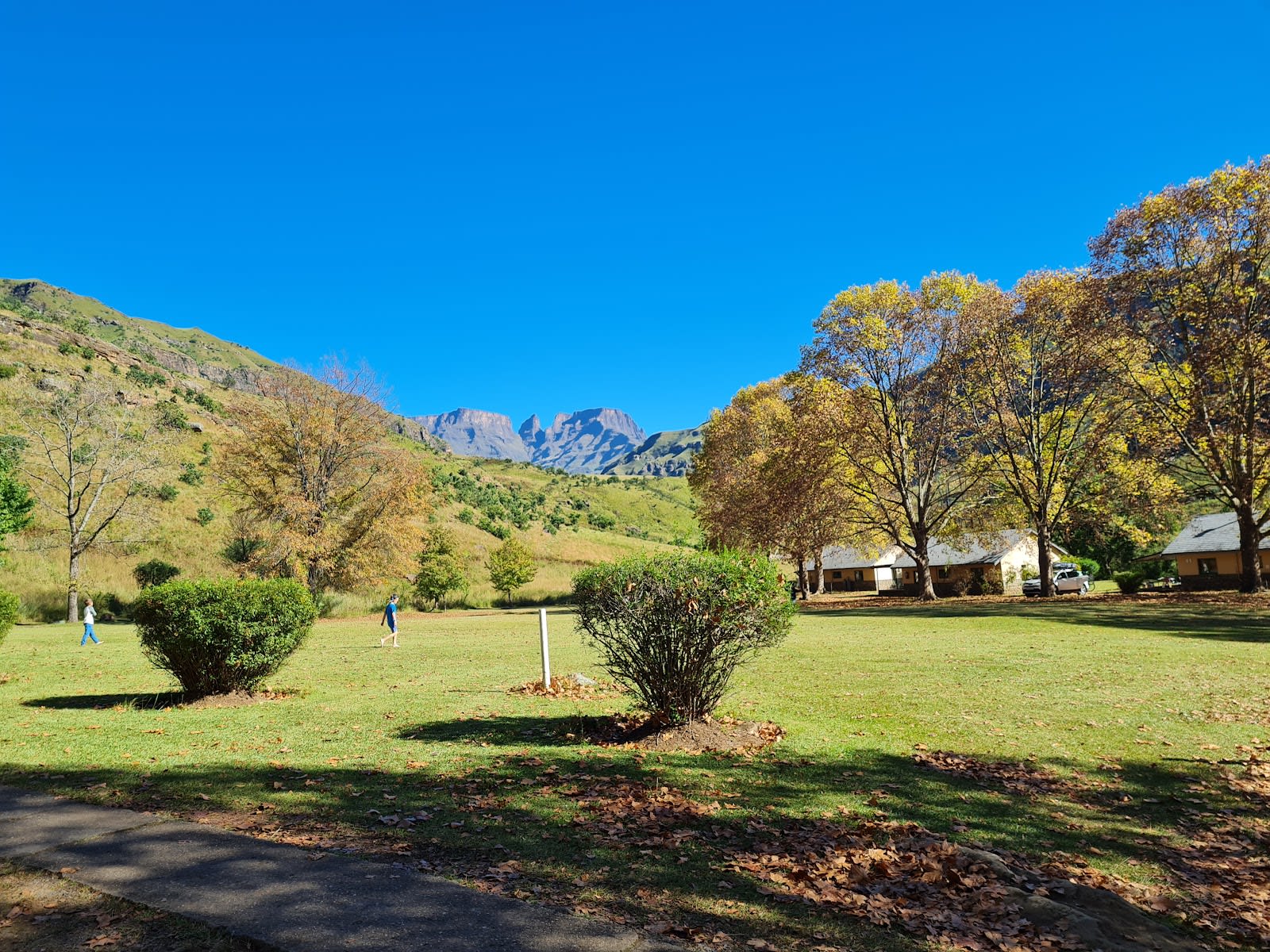
uKhahlamba-Drakensberg Park
Southern Bald Ibis hier waargenomen · Grasland-bioom · Real yellowwood · Chacma baboon
Vanaf R 170 per nacht
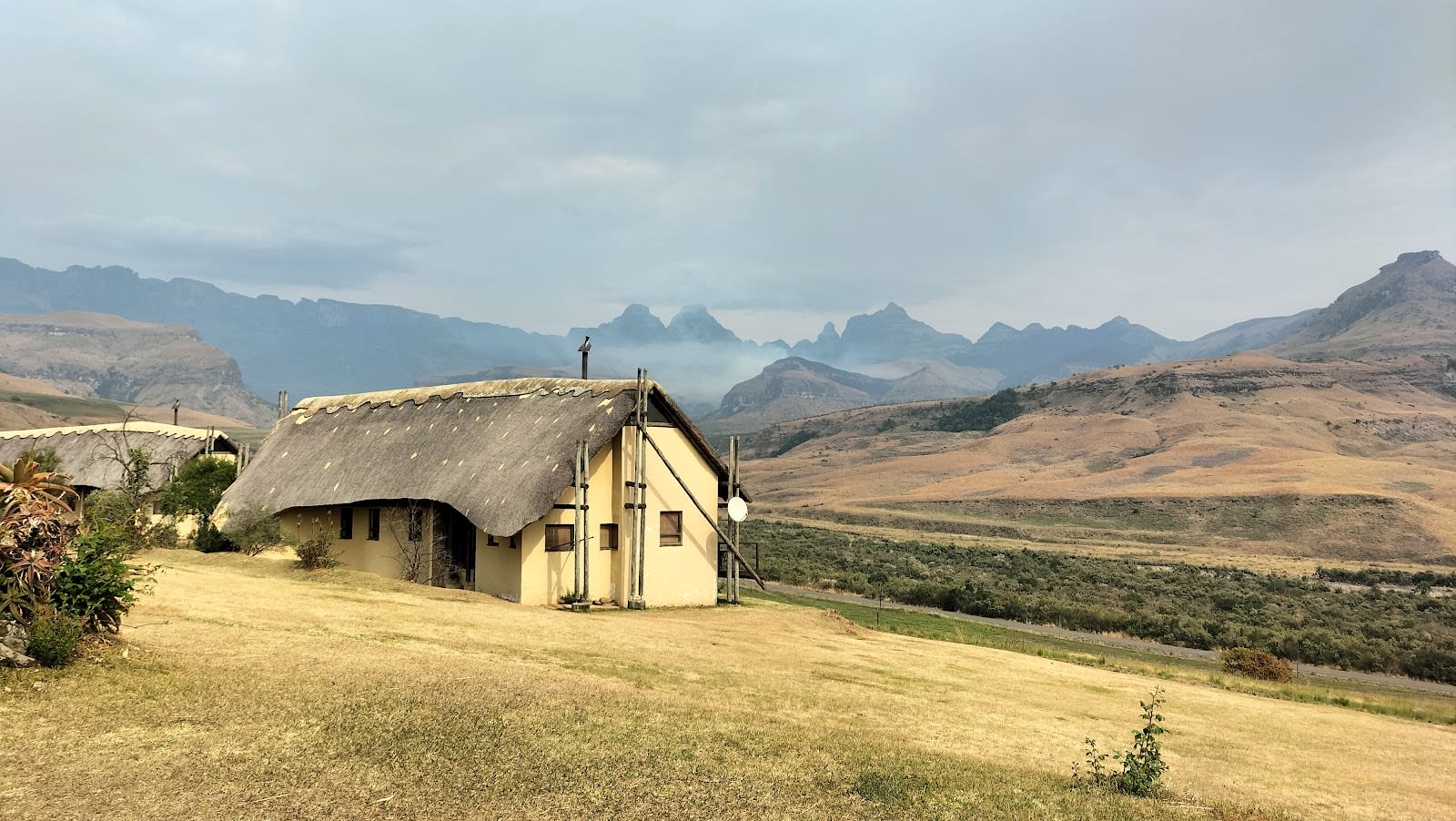
uKhahlamba-Drakensberg Park
Southern Bald Ibis hier waargenomen · Grasland-bioom · Real yellowwood · Tree fuchsia
Vanaf R 1,070 per nacht
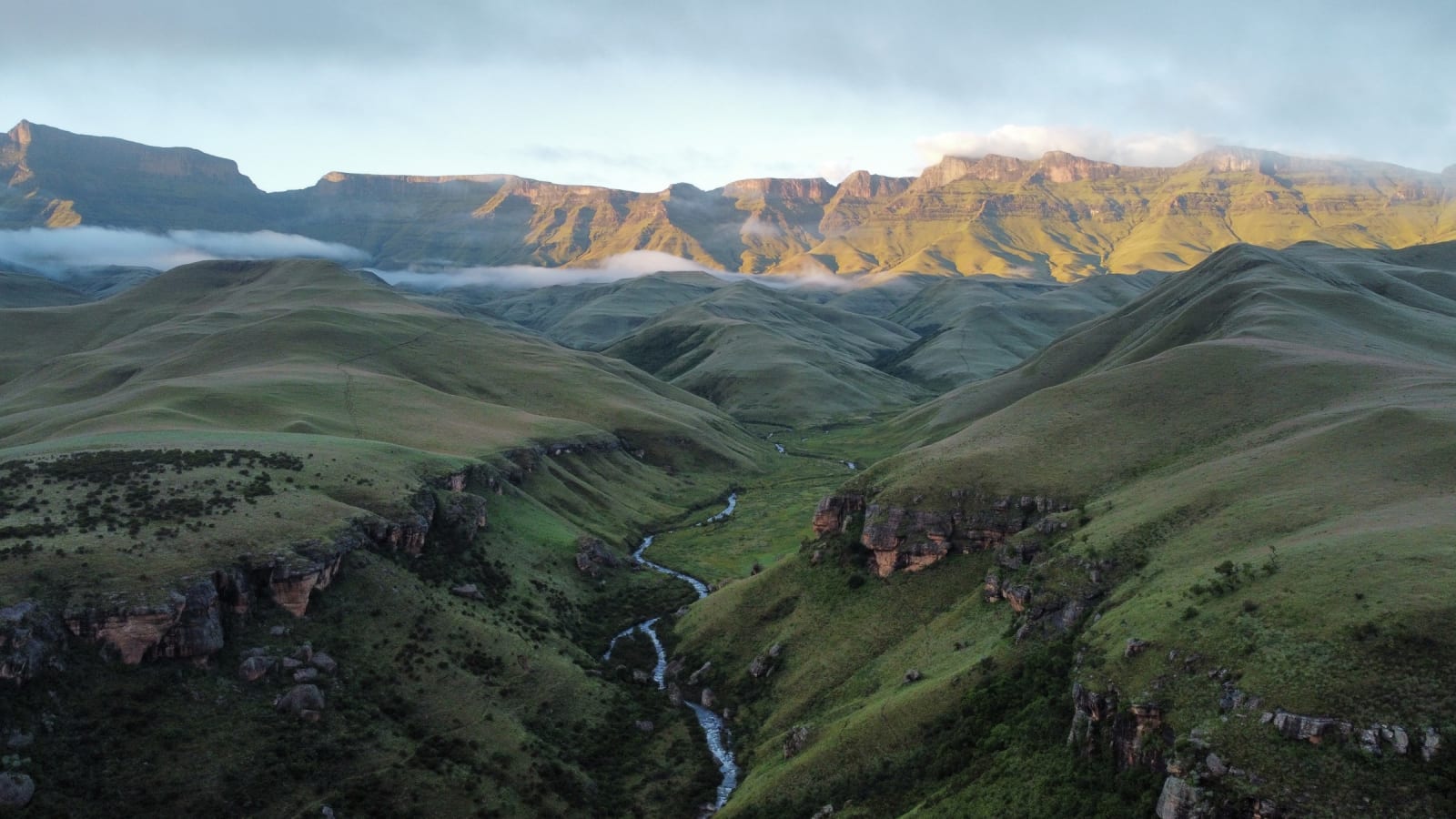
uKhahlamba-Drakensberg Park
Southern Bald Ibis hier waargenomen · Grasland-bioom · Real yellowwood · Chacma baboon
Vanaf R 1,150 per nacht

Dullstroom
Southern Bald Ibis hier waargenomen · Grasland-bioom
Steunt DAKTARI Bush School
Vanaf R 2,200 per nacht

Benguela Cove, Hermanus
Vogelaarsvriendelijk · Fynbos-bioom
Steunt Walker Bay Fynbos Conservancy en 1 ander goed doel
Vanaf R 14,985 per nacht
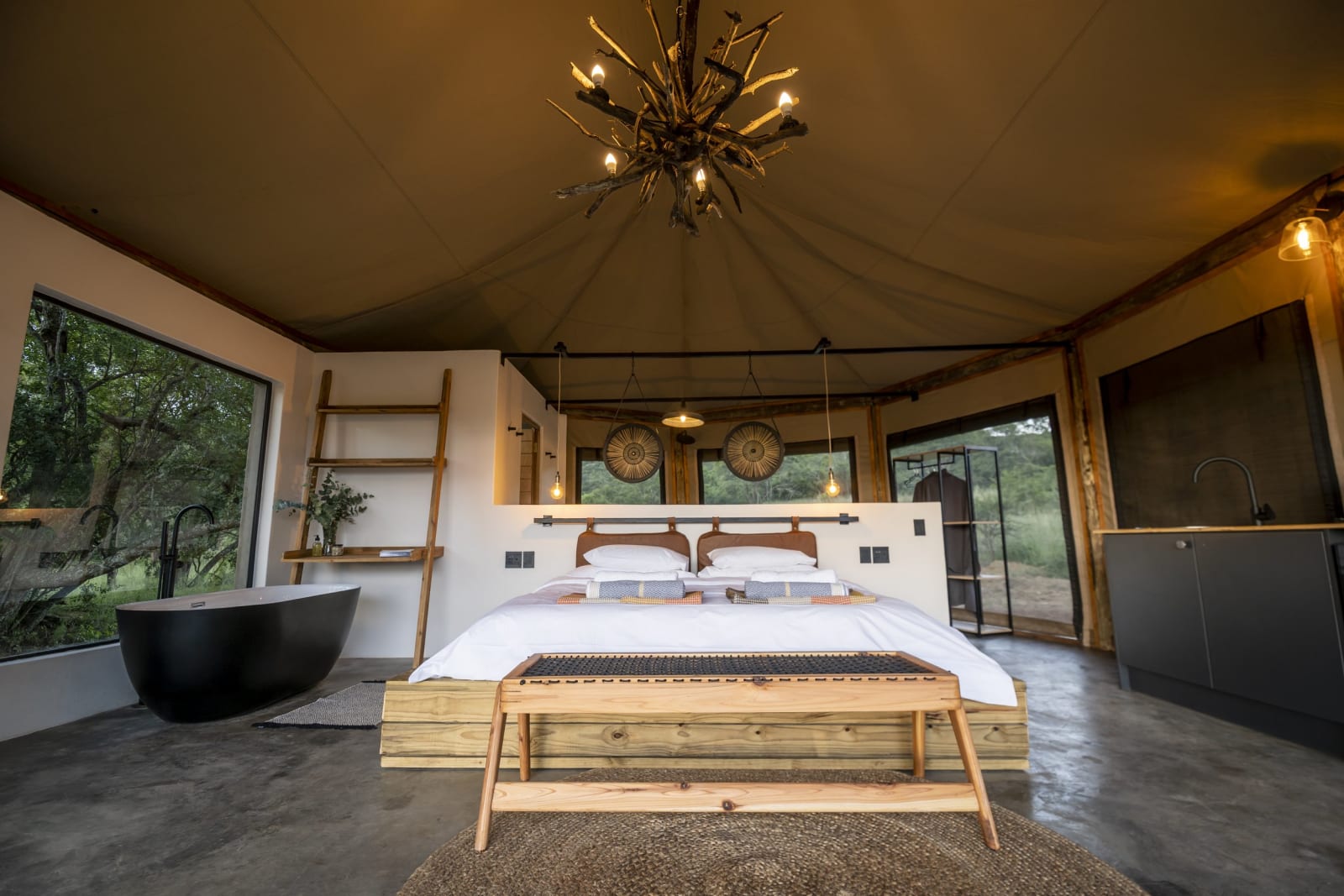
Bergville
Grasland-bioom
Steunt Royal Drakensberg Education Trust en 2 andere goede doelen
Vanaf R 5,400 per nacht

Kruger National Park
Vogelaarsvriendelijk · Savanne-bioom · Makalani palm · Ana tree
Steunt BirdLife South Africa
Vanaf R 11,820 per nacht

Volgende stop
Rolling green hills, dairy farms, and pottery studios
Bekijk plekken die iets teruggevenEen reis plannen
Southern Bald Ibis: door verhuurders waargenomen in of bij uKhahlamba-Drakensberg Park, Hluhluwe-Imfolozi Park and Giants Castle Game Reserve.
Zelf rijden
Uw eigen auto en tempo, op de wegen van het park.
Waar verhuurders de soort waarnemen
Rode Lijst van de IUCN
Near Threatened
Soort
Geronticus calvus
Waarnemingen
605
iNaturalist-waarnemingen
Elke boeking op Spekboom steunt natuurbehoud.
Een waarneming betekent dat een verhuurder de Southern Bald Ibis op of bij het terrein heeft gezien. Het is nooit een garantie dat u de soort ziet.
Hosts on Spekboom have recorded the Southern Bald Ibis at stays in or beside uKhahlamba-Drakensberg Park, Hluhluwe-Imfolozi Park, Giants Castle Game Reserve, Ithala Game Reserve, Kamberg Nature Reserve and Royal Natal National Park. A record means a host has seen it on the property or nearby, which makes these the places to base yourself; it is never a guarantee of a sighting on any given day.
The Southern Bald Ibis is most recorded in KwaZulu-Natal (47% of records), Mpumalanga (32% of records), Free State (14% of records), based on 605 iNaturalist observations. 21 places to stay on Spekboom in South Africa have recorded the Southern Bald Ibis on site or nearby.
The Southern Bald Ibis is recorded throughout the year, so no month is the wrong month to look for it. For the parks where hosts record it most, these are the best seasons they give. uKhahlamba-Drakensberg Park: year-round, dry season May-Sep; Hluhluwe-Imfolozi Park: year-round, dry season May-Sep; Giants Castle Game Reserve: year-round, dry season May-Sep; Ithala Game Reserve: year-round, dry season May-Sep. In the dry months animals concentrate at water and the grass is short.
The Southern Bald Ibis (Geronticus calvus) is listed as Near Threatened on the IUCN Red List.
The southern bald ibis (Geronticus calvus) is a large bird found in open grassland or semi-desert in the mountains of southern Africa.Taxonomically, it is most closely related to its counterpart in the northern regions of Africa, the waldrapp. As a species, it has a very restricted homerange, limited to the southern tips of South Africa in highland and mountainous regions.


