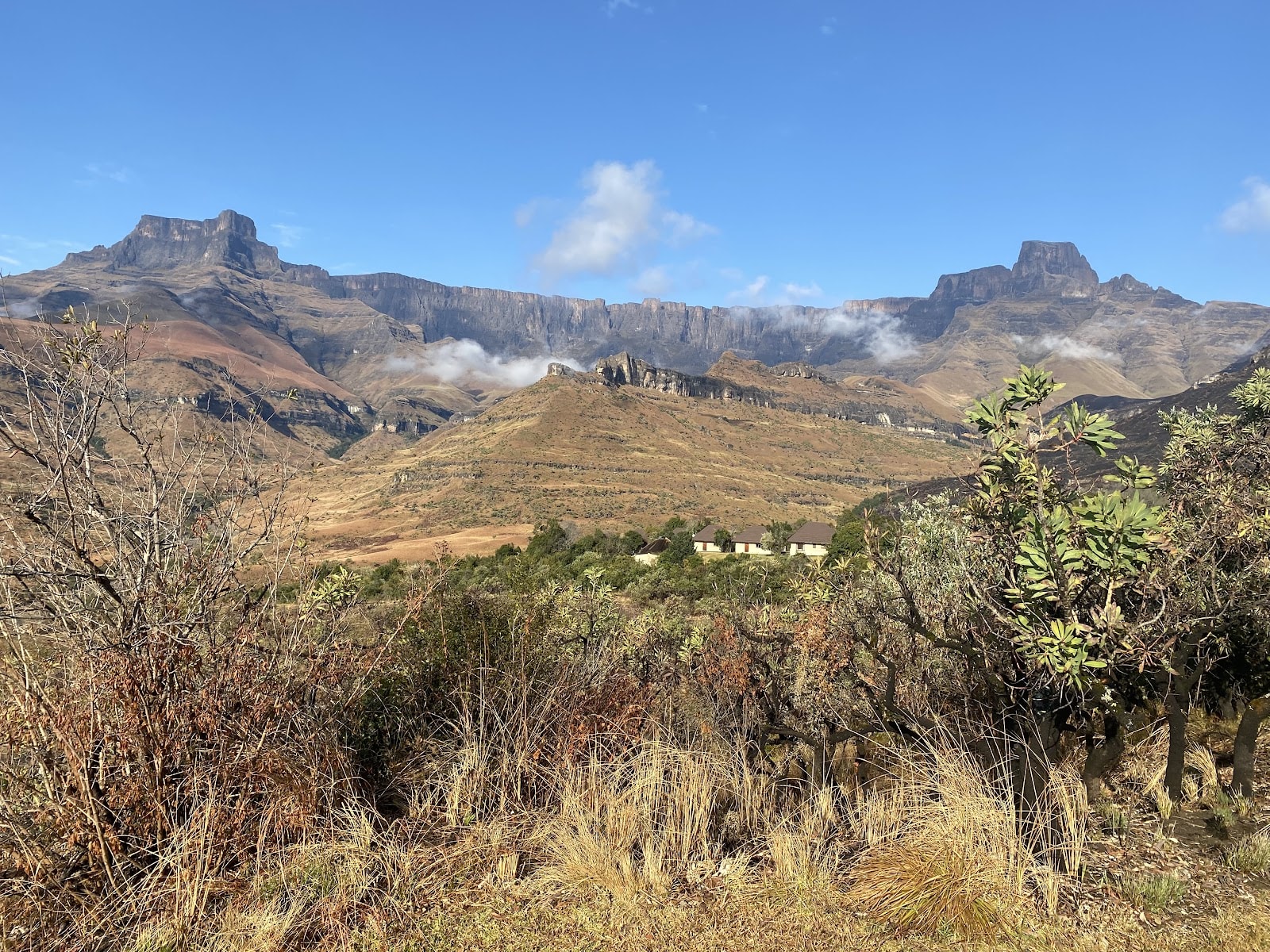
uKhahlamba-Drakensberg Park
KwaZulu-Natal · Year-round
10 Orte

The southern bald ibis (Geronticus calvus) is a large bird found in open grassland or semi-desert in the mountains of southern Africa.Taxonomically, it is most closely related to its counterpart in the northern regions of Africa, the waldrapp.
Recorded year-round
Recorded in every month, so no month is the wrong month to look. We would rather say that than invent a best time.
Curve from 605 national iNaturalist observations, not from one property. Single-month spikes are discarded as upload artefacts, and below 50 records we show no curve at all.
KwaZulu-Natal and beyond
Provinces where Southern Bald Ibis is most recorded. Tap one to find places to stay.
605 records, iNaturalist
In ganz Südafrika

Estcourt
Zuverlässig zu sehen · Für Vogelbeobachter · Grasland-Biom
Hilft Royal Drakensberg Education Trust
Ab R 2,000 pro Nacht

Bronkhorstspruit
Zuverlässig zu sehen · Für Vogelbeobachter · Savanne-Biom
Hilft Lessons in Conservation (LiC)
Ab R 600 pro Nacht

Wakkerstroom
Zuverlässig zu sehen · Für Vogelbeobachter · Grasland-Biom
Hilft BirdLife South Africa
Ab R 1,500 pro Nacht

Drakensberg, Bergville
Zuverlässig zu sehen · Für Vogelbeobachter · Grasland-Biom · Bushbuck · Common eland
Hilft Royal Drakensberg Education Trust und einem weiteren Projekt
Ab R 6,800 pro Nacht

Wakkerstroom
Zuverlässig zu sehen · Für Vogelbeobachter · Grasland-Biom
Hilft BirdLife South Africa
Ab R 2,550 pro Nacht

Hluhluwe-Imfolozi Park
Southern Bald Ibis hier erfasst · Savanne-Biom · African wild dog · Spotted hyena
Hilft Isibindi Foundation
Preis auf Anfrage
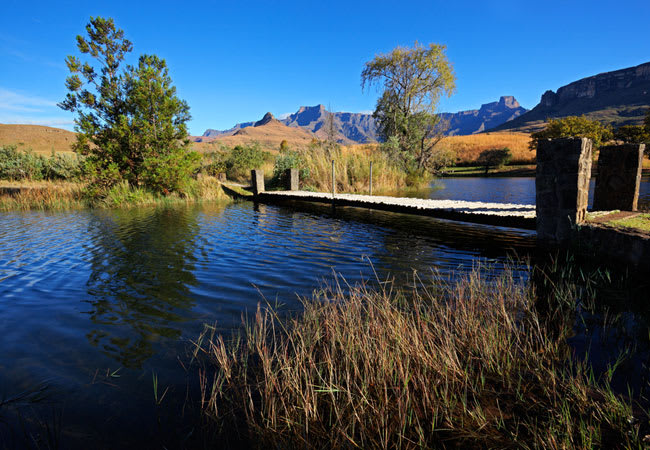
uKhahlamba-Drakensberg Park
Southern Bald Ibis hier erfasst · Grasland-Biom · Southern rock agama · Tree fuchsia
Ab R 190 pro Nacht
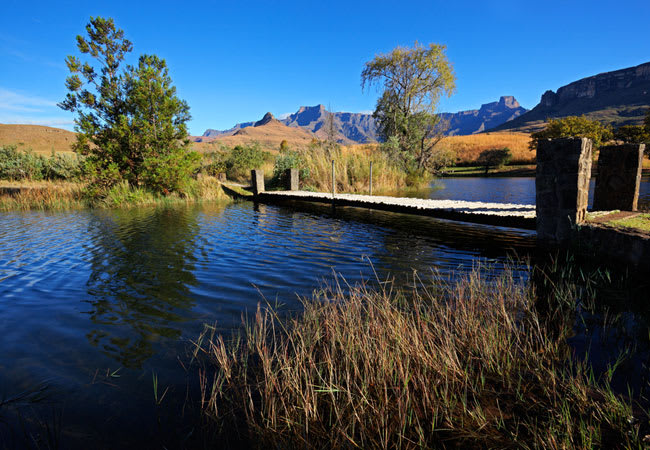
uKhahlamba-Drakensberg Park
Southern Bald Ibis hier erfasst · Grasland-Biom · Southern rock agama · Cape heath
Ab R 190 pro Nacht

Dullstroom
Southern Bald Ibis hier erfasst · Grasland-Biom
Hilft DAKTARI Bush School
Preis auf Anfrage
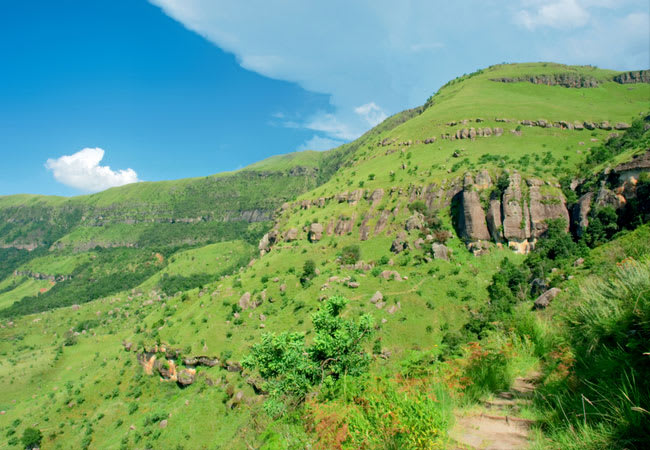
uKhahlamba-Drakensberg Park
Southern Bald Ibis hier erfasst · Grasland-Biom · Real yellowwood · Chacma baboon
Ab R 130 pro Nacht
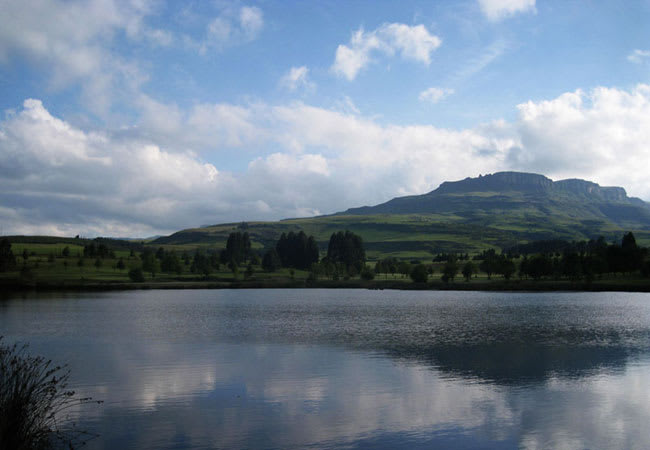
uKhahlamba-Drakensberg Park
Southern Bald Ibis hier erfasst · Grasland-Biom · Tree fuchsia · Black wildebeest
Ab R 840 pro Nacht
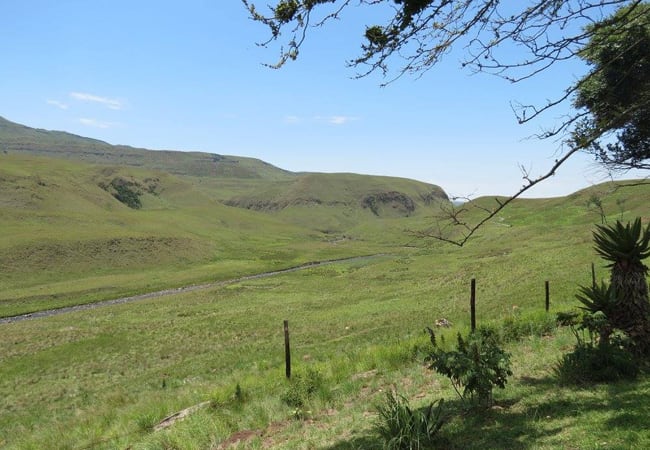
uKhahlamba-Drakensberg Park
Southern Bald Ibis hier erfasst · Grasland-Biom · Southern rock agama · Common eland
Ab R 270 pro Nacht
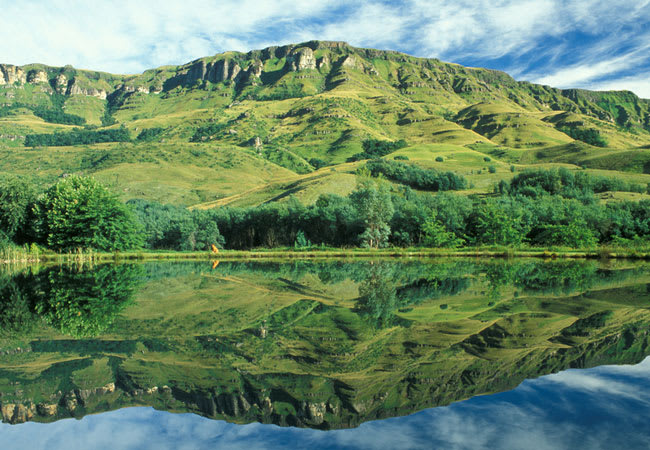
uKhahlamba-Drakensberg Park
Southern Bald Ibis hier erfasst · Grasland-Biom · Real yellowwood · Chacma baboon
Ab R 200 pro Nacht
uKhahlamba-Drakensberg Park
Southern Bald Ibis hier erfasst · Grasland-Biom · Chacma baboon · Bushbuck
Ab R 360 pro Nacht

Hluhluwe-iMfolozi Park
Southern Bald Ibis hier erfasst · Savanne-Biom · Leopard · Lion
Ab R 1,420 pro Nacht

Hluhluwe-iMfolozi Park
Southern Bald Ibis hier erfasst · Savanne-Biom · Leopard · Lion
Ab R 900 pro Nacht

Ithala Game Reserve
Southern Bald Ibis hier erfasst · Savanne-Biom · Leopard · Lion
Ab R 130 pro Nacht
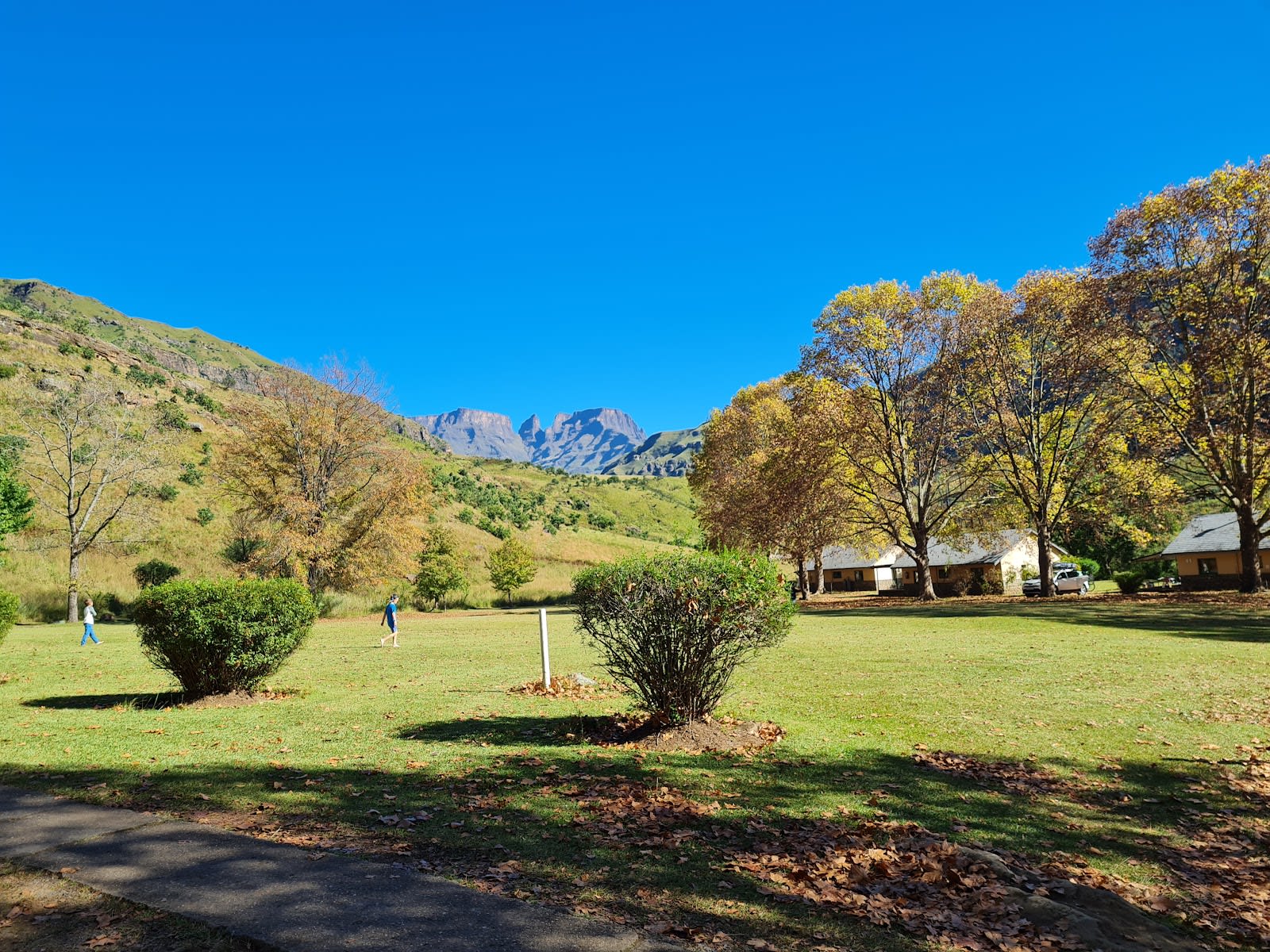
uKhahlamba-Drakensberg Park
Southern Bald Ibis hier erfasst · Grasland-Biom · Real yellowwood · Chacma baboon
Ab R 170 pro Nacht
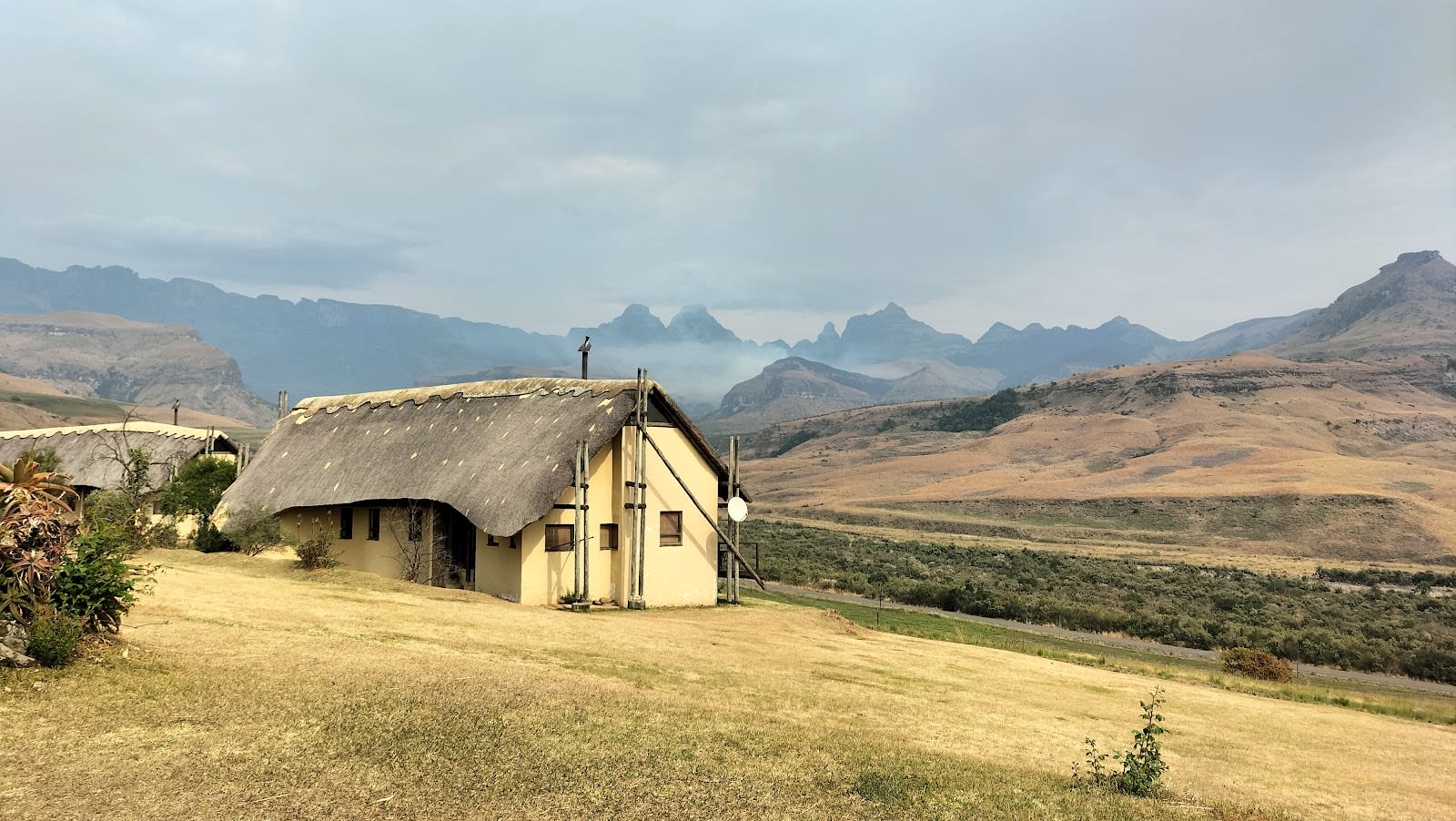
uKhahlamba-Drakensberg Park
Southern Bald Ibis hier erfasst · Grasland-Biom · Real yellowwood · Tree fuchsia
Ab R 1,070 pro Nacht
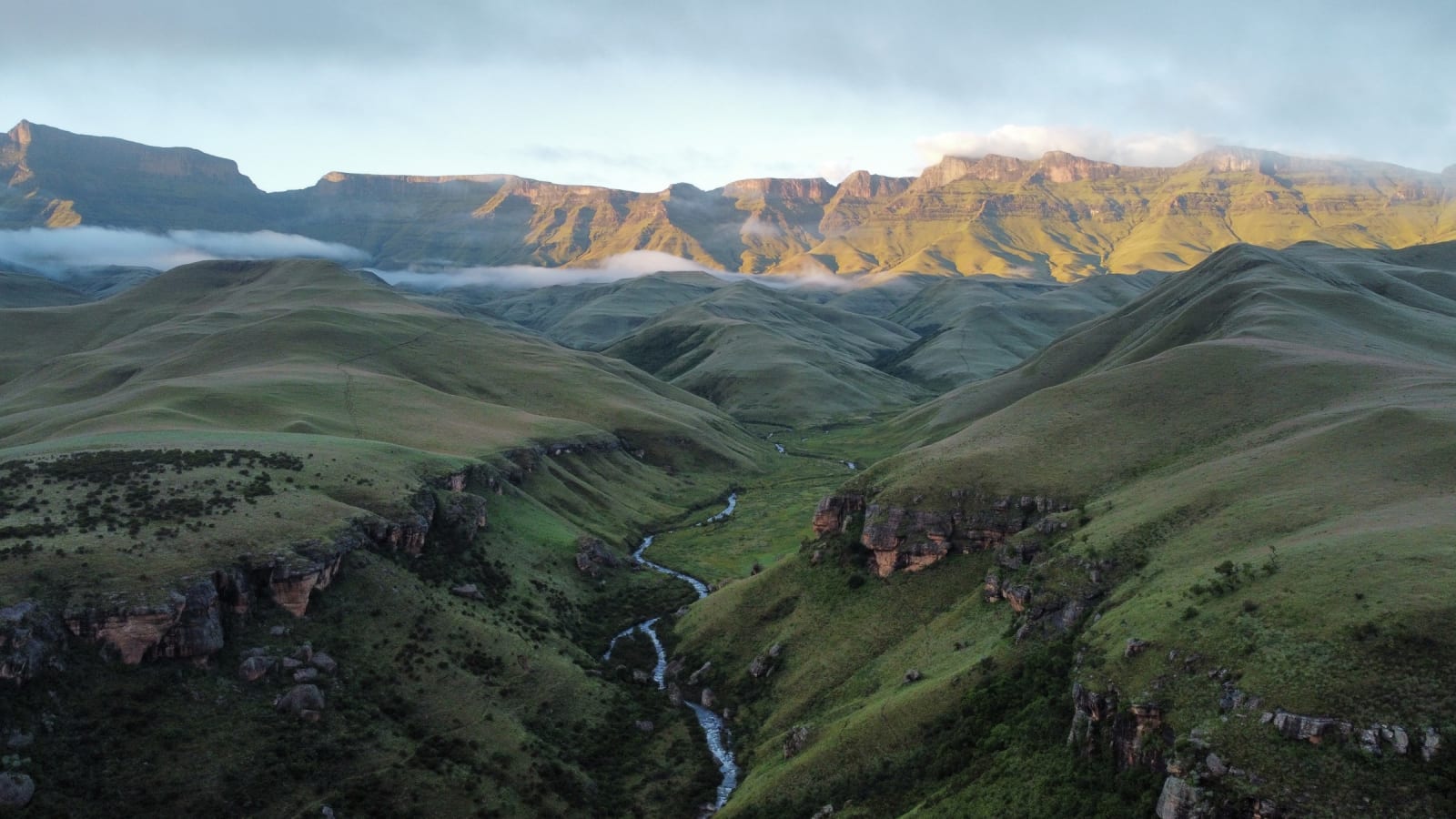
uKhahlamba-Drakensberg Park
Southern Bald Ibis hier erfasst · Grasland-Biom · Real yellowwood · Chacma baboon
Ab R 1,150 pro Nacht

Dullstroom
Southern Bald Ibis hier erfasst · Grasland-Biom
Hilft DAKTARI Bush School
Ab R 2,200 pro Nacht

Benguela Cove, Hermanus
Für Vogelbeobachter · Fynbos-Biom
Hilft Walker Bay Fynbos Conservancy und einem weiteren Projekt
Ab R 14,985 pro Nacht
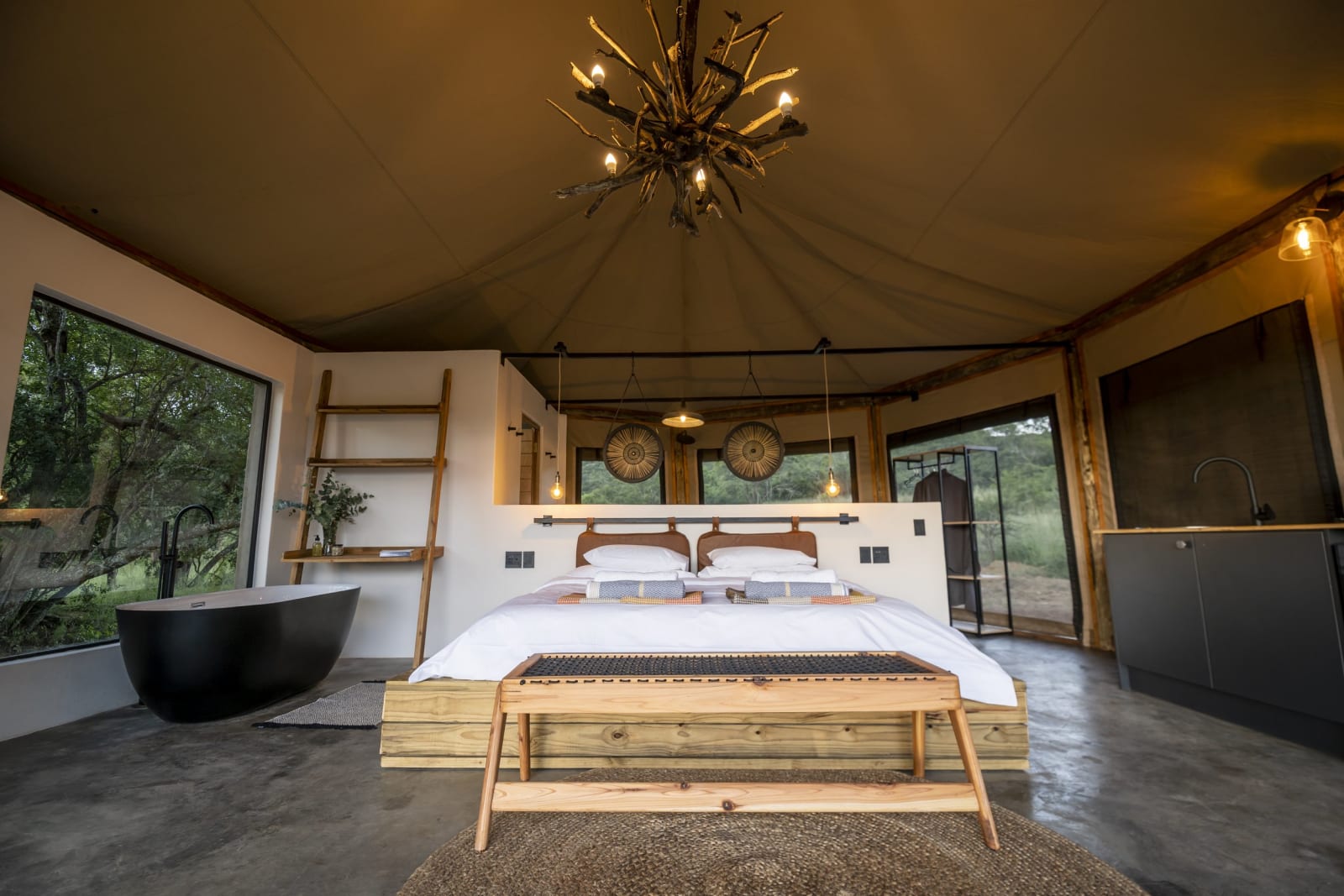
Bergville
Grasland-Biom
Hilft Royal Drakensberg Education Trust und 2 weiteren Projekten
Ab R 5,400 pro Nacht

Kruger National Park
Für Vogelbeobachter · Savanne-Biom · Makalani palm · Ana tree
Hilft BirdLife South Africa
Ab R 11,820 pro Nacht

Nächster Halt
Rolling green hills, dairy farms, and pottery studios
Orte ansehen, die etwas zurückgebenEine Reise planen
Gastgeber haben die Art Southern Bald Ibis in oder bei uKhahlamba-Drakensberg Park, Hluhluwe-Imfolozi Park and Giants Castle Game Reserve erfasst.
Selbst fahren
Eigenes Fahrzeug, eigenes Tempo, auf den Straßen des Parks.
Wo Gastgeber die Art erfassen
Rote Liste der IUCN
Near Threatened
Art
Geronticus calvus
Nachweise
605
iNaturalist-Beobachtungen
Jede Buchung auf Spekboom unterstützt den Naturschutz.
Ein Nachweis bedeutet, dass ein Gastgeber die Art Southern Bald Ibis auf dem Grundstück oder in der Nähe gesehen hat. Eine Sichtung ist nie garantiert.
Hosts on Spekboom have recorded the Southern Bald Ibis at stays in or beside uKhahlamba-Drakensberg Park, Hluhluwe-Imfolozi Park, Giants Castle Game Reserve, Ithala Game Reserve, Kamberg Nature Reserve and Royal Natal National Park. A record means a host has seen it on the property or nearby, which makes these the places to base yourself; it is never a guarantee of a sighting on any given day.
The Southern Bald Ibis is most recorded in KwaZulu-Natal (47% of records), Mpumalanga (32% of records), Free State (14% of records), based on 605 iNaturalist observations. 21 places to stay on Spekboom in South Africa have recorded the Southern Bald Ibis on site or nearby.
The Southern Bald Ibis is recorded throughout the year, so no month is the wrong month to look for it. For the parks where hosts record it most, these are the best seasons they give. uKhahlamba-Drakensberg Park: year-round, dry season May-Sep; Hluhluwe-Imfolozi Park: year-round, dry season May-Sep; Giants Castle Game Reserve: year-round, dry season May-Sep; Ithala Game Reserve: year-round, dry season May-Sep. In the dry months animals concentrate at water and the grass is short.
The Southern Bald Ibis (Geronticus calvus) is listed as Near Threatened on the IUCN Red List.
The southern bald ibis (Geronticus calvus) is a large bird found in open grassland or semi-desert in the mountains of southern Africa.Taxonomically, it is most closely related to its counterpart in the northern regions of Africa, the waldrapp. As a species, it has a very restricted homerange, limited to the southern tips of South Africa in highland and mountainous regions.


