

Addo Elephant National Park
Eastern Cape · Year-round
5 plekken

The red-fronted tinkerbird, (Pogoniulus pusillus) is a small African barbet.
Recorded year-round
Recorded in every month, so no month is the wrong month to look. We would rather say that than invent a best time.
Curve from 201 national iNaturalist observations, not from one property. Single-month spikes are discarded as upload artefacts, and below 50 records we show no curve at all.
Eastern Cape and beyond
Provinces where Red-fronted Tinkerbird is most recorded. Tap one to find places to stay.
201 records, iNaturalist
Door heel Zuid-Afrika

Mbombela

Betrouwbaar te zien · Vogelaarsvriendelijk

Mountain Zebra National Park
Red-fronted Tinkerbird hier waargenomen

Addo Elephant National Park
Red-fronted Tinkerbird hier waargenomen

iSimangaliso Wetland Park

Betrouwbaar te zien · Vogelaarsvriendelijk

Addo Elephant National Park
Red-fronted Tinkerbird hier waargenomen

Camdeboo National Park
Red-fronted Tinkerbird hier waargenomen
Addo Elephant National Park
Red-fronted Tinkerbird hier waargenomen
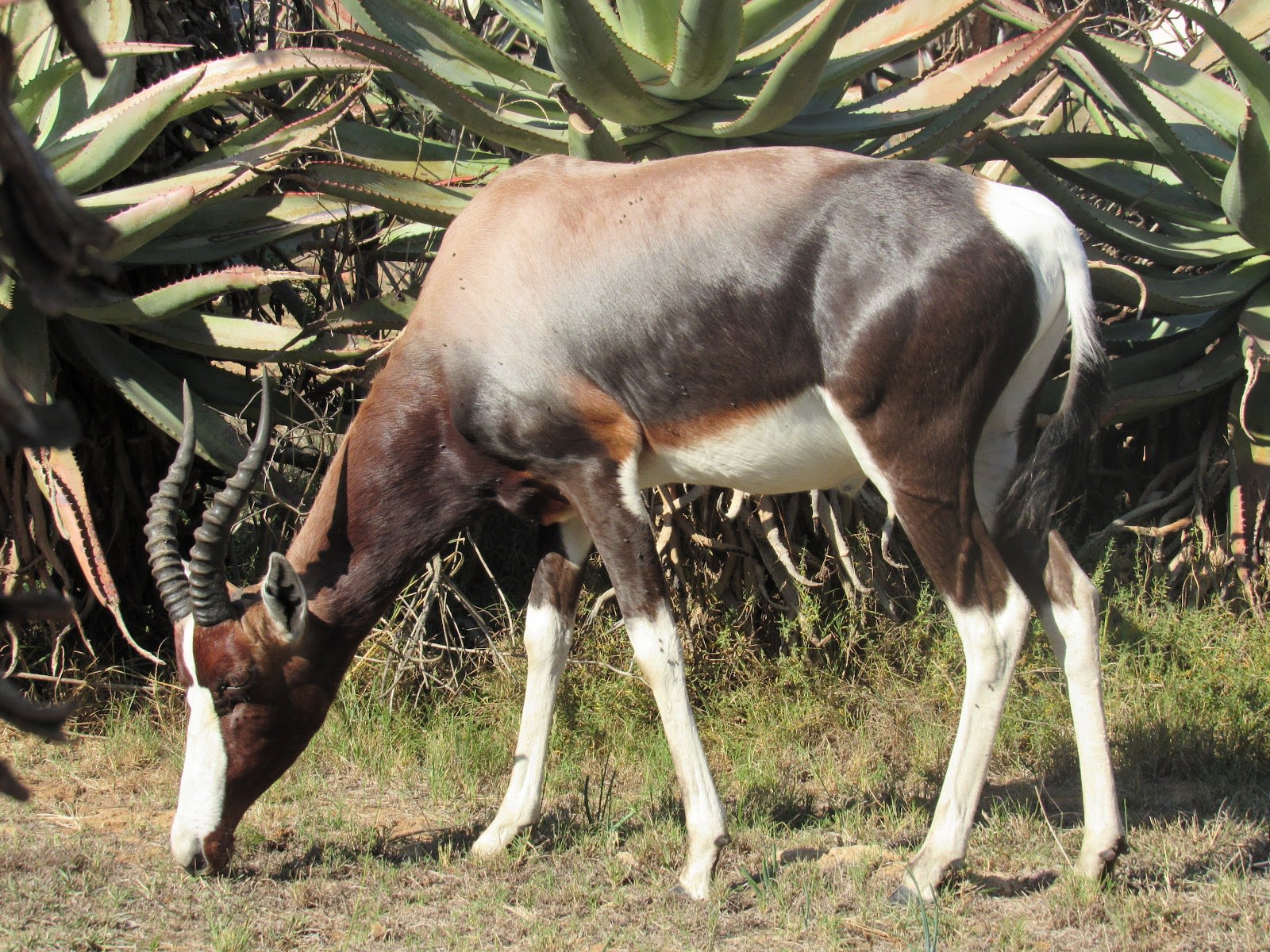
Bontebok National Park
Red-fronted Tinkerbird hier waargenomen

Addo Elephant National Park
Red-fronted Tinkerbird hier waargenomen

Addo Elephant National Park
Red-fronted Tinkerbird hier waargenomen
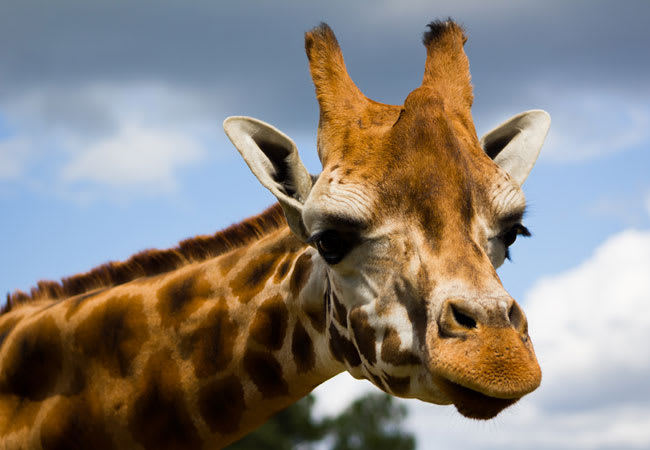
Weenen Game Reserve
Red-fronted Tinkerbird hier waargenomen
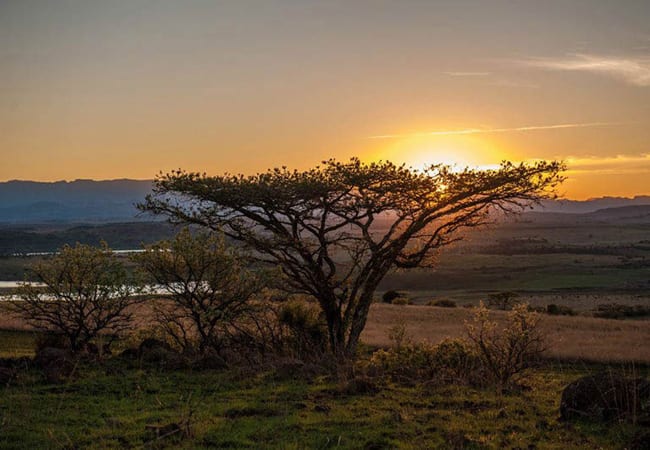
Spioenkop Resort
Red-fronted Tinkerbird hier waargenomen

Ithala Game Reserve
Red-fronted Tinkerbird hier waargenomen

Voëlklip, Hermanus


Swellendam

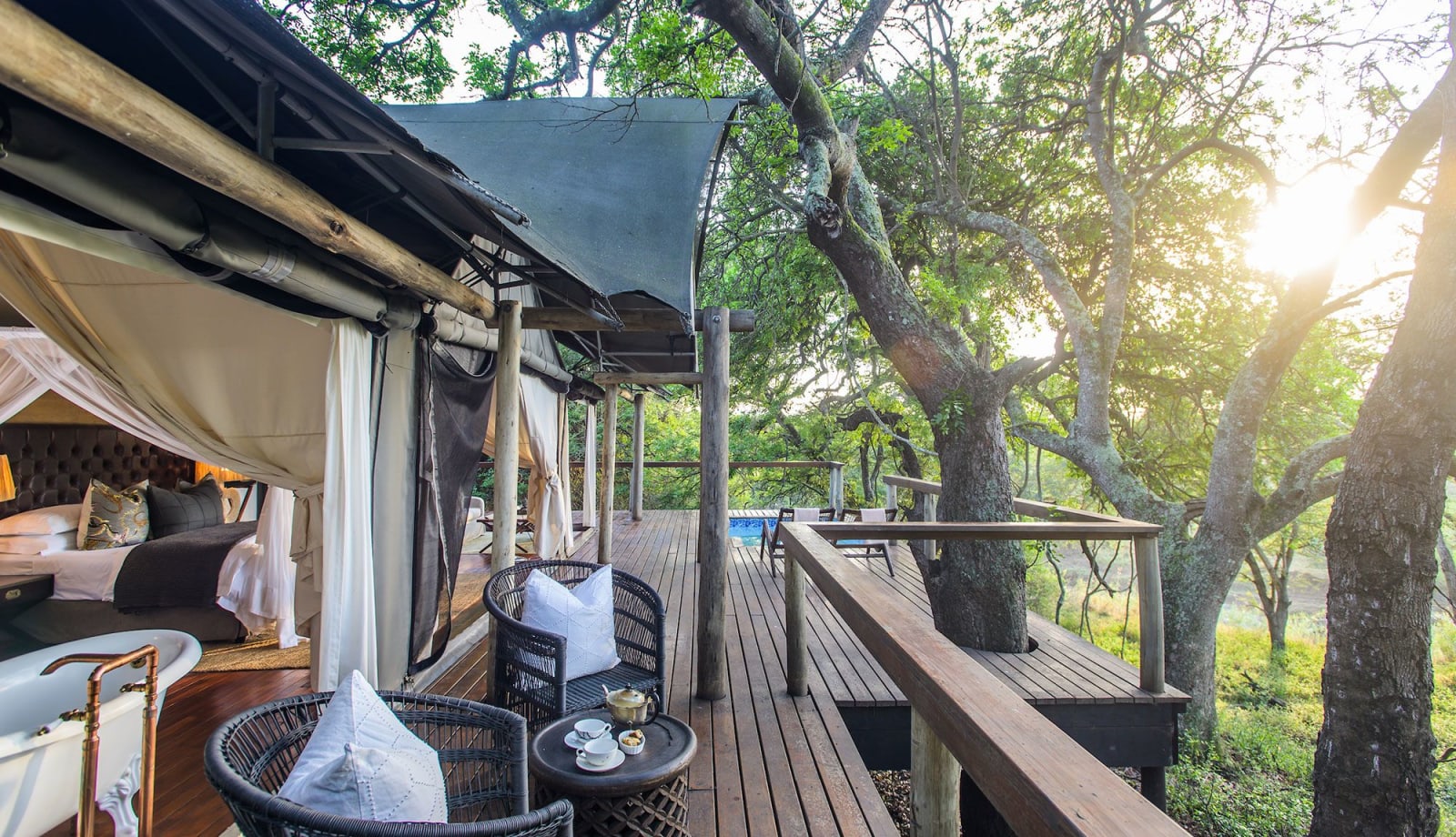
Hazyview


Riebeek Valley, Riebeek West
Vogelaarsvriendelijk

Gardens, Cape Town

Klapmuts, Simondium

Bakoven, Cape Town

Kruger National Park
Vogelaarsvriendelijk

Timbavati Private Nature Reserve

Kruger National Park
Vogelaarsvriendelijk

Kruger National Park
Vogelaarsvriendelijk

Volgende stop
Sandstone amphitheatres and cool mountain air
Bekijk plekken die iets teruggevenEen reis plannen
Red-fronted Tinkerbird: door verhuurders waargenomen in of bij Addo Elephant National Park, Bontebok National Park and Camdeboo National Park.
Addo Elephant · Camdeboo · Mountain Zebra
iSimangaliso Wetland · Ithala · Spioenkop Dam
Bontebok
Zelf rijden
Uw eigen auto en tempo, op de wegen van het park.
Waar verhuurders de soort waarnemen
Rode Lijst van de IUCN
Least Concern
Soort
Pogoniulus pusillus
Waarnemingen
201
iNaturalist-waarnemingen
Elke boeking op Spekboom steunt natuurbehoud.
Een waarneming betekent dat een verhuurder de Red-fronted Tinkerbird op of bij het terrein heeft gezien. Het is nooit een garantie dat u de soort ziet.
Hosts on Spekboom have recorded the Red-fronted Tinkerbird at stays in or beside Addo Elephant National Park, Bontebok National Park, Camdeboo National Park, iSimangaliso Wetland Park, Ithala Game Reserve and Mountain Zebra National Park and other reserves. A record means a host has seen it on the property or nearby, which makes these the places to base yourself; it is never a guarantee of a sighting on any given day.
The Red-fronted Tinkerbird is most recorded in Eastern Cape (53% of records), KwaZulu-Natal (47% of records), based on 201 iNaturalist observations. 13 places to stay on Spekboom in South Africa have recorded the Red-fronted Tinkerbird on site or nearby.
The Red-fronted Tinkerbird is recorded throughout the year, so no month is the wrong month to look for it. For the parks where hosts record it most, these are the best seasons they give. Addo Elephant National Park: year-round, best Mar-May, Sep-Nov; Bontebok National Park: Sep-Apr, flowers Aug-Oct; Camdeboo National Park: year-round, best Mar-May, Sep-Nov; iSimangaliso Wetland Park: year-round, dry season May-Sep. In the dry months animals concentrate at water and the grass is short.
The Red-fronted Tinkerbird (Pogoniulus pusillus) is listed as Least Concern on the IUCN Red List.
The red-fronted tinkerbird, (Pogoniulus pusillus) is a small African barbet. Barbets are near-passerine birds with bristles around the base of the bill. They have a world-wide tropical distribution.