The African Parks parks, and where to stay in each

Park Guide: African Parks

The African Parks parks, and where to stay in each

From Akagera and Liuwa Plain to Majete, Bazaruto and Odzala: what each park is like and the camps inside it

Updated

African Parks is a non-profit conservation organisation that takes on the full management of national parks and reserves at the request of African governments. The park stays the property of the country; African Parks runs it under a long-term agreement, hires and trains the rangers, works with the communities around it, and keeps the revenue from tourism inside the park.

Some of the most remarkable comebacks in African conservation have happened under that model: lions and rhino back in Rwanda, the Big Five back in Malawi, and one of the continent’s great wildebeest migrations restored in western Zambia. Here are the parks, what each one is like, and where you can stay in them.

Akagera National Park, Rwanda

Rwanda’s savanna park, on the Tanzanian border, is the easiest African Parks park to reach: an easy morning’s drive from Kigali on tar. Lions returned in 2015 and black rhino in 2017, so Akagera is a Big Five park again, with lakes, papyrus swamps and rolling hills in a small area.

Most visitors pair it with gorilla trekking in Volcanoes National Park. Two or three nights lets you do a boat trip on Lake Ihema as well as morning and evening drives; a day trip from Kigali is possible but rushed.

Where to stay in Akagera

Liuwa Plain National Park, Zambia

A flat, far-western floodplain on the upper Zambezi, and one of the first parks African Parks took on. Its blue wildebeest gather in their thousands when the rains arrive, usually from around November, in what is often called Africa’s second-largest wildebeest migration. Spotted hyena clans, wild dogs and huge numbers of wetland birds share the plain.

Liuwa is remote. Most guests fly in by light aircraft or drive in on sand from Kalabo, and the plain floods for part of the year, so camp opening dates follow the water. Check dates when you request a stay.

Where to stay in Liuwa Plain

Prijs op aanvraag

Liuwa Camp

Bangweulu Wetlands, Zambia

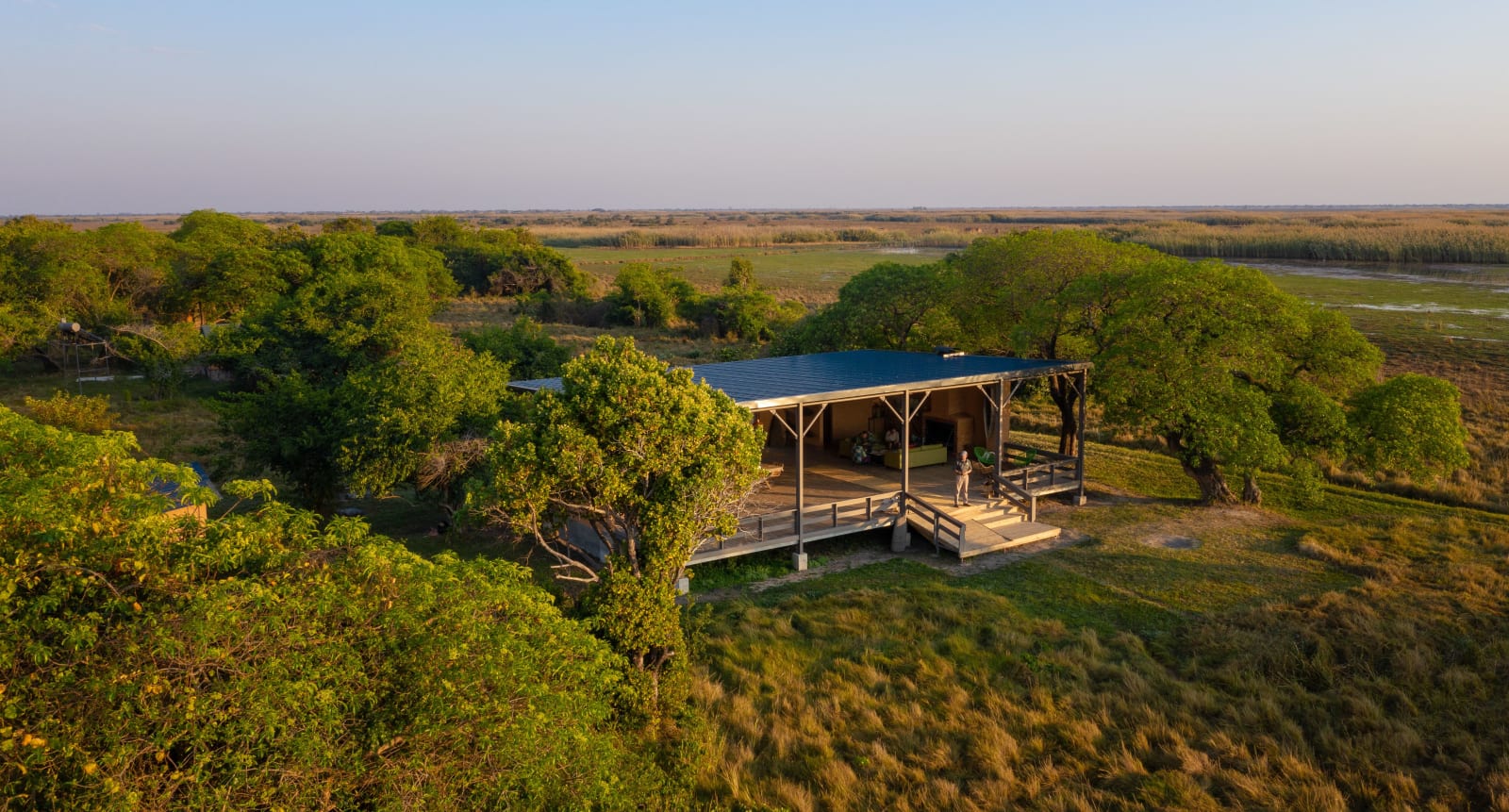
A vast seasonal wetland in northern Zambia and one of the best places in Africa to look for the shoebill, usually found in the months after the rains as the water begins to drop. The black lechwe, an antelope found nowhere else, gathers on the floodplains in large herds.

Unusually, the wetland belongs to the communities who live and fish there, and African Parks manages it with them. Shoebill sightings are never guaranteed, but the guides here know the birds better than anyone.

Where to stay in Bangweulu

Kafue National Park, Zambia

One of the largest national parks in Africa, under African Parks management since 2022. The Busanga Plains in the north flood in the rains and dry into open grassland for the season, with lechwe, puku and the lions that follow them; the woodland and rivers further south are good leopard country.

The camps in Kafue are run by private lodge operators. Booking one still supports the park through its fees.

Where to stay in Kafue

Majete Wildlife Reserve, Malawi

Majete was one of the first two parks African Parks took on, in 2003, and is the reserve that brought the Big Five back to Malawi after its wildlife had been almost entirely lost. Elephant, black rhino, buffalo, leopard and lion were all reintroduced, and the reserve now sends animals on to restock other parks.

It is an easy drive from Blantyre, which makes it a natural first or last stop on a Malawi trip.

Where to stay in Majete

Prijs op aanvraag

Thawale Lodge

Liwonde National Park, Malawi

The Shire River runs the length of Liwonde, and a boat safari among its hippos, crocodiles and bathing elephants is the classic way to see it. Cheetahs returned to the park in 2017 after decades away, and lion and black rhino are back too.

The riverine birding is some of the best in Malawi. Liwonde sits on the road between Blantyre and Lake Malawi, so it pairs easily with both.

Where to stay in Liwonde

Nkhotakota Wildlife Reserve, Malawi

Rugged miombo woodland and rivers on the escarpment above Lake Malawi. Nkhotakota was restocked in one of the largest elephant translocations ever attempted, when around 500 elephants were moved here from Liwonde and Majete in 2016 and 2017.

It is quieter than the southern parks, with walking and river trips on the Bua, and it is close enough to the lake to combine a few nights in the bush with a few on the beach.

Where to stay in Nkhotakota

Bazaruto Archipelago National Park, Mozambique

A chain of islands off Vilanculos with high dunes, seagrass, coral reefs and some of the clearest water on the East African coast. It is one of the last places on that coast with a breeding population of dugongs; a sighting is a privilege, never a promise.

The island lodges here are run by private operators inside the park, and a stay on Benguerra or Bazaruto contributes to the park through its fees. Reach them by boat or light aircraft from Vilanculos.

Where to stay in Bazaruto

Matusadona National Park, Zimbabwe

Matusadona runs from the southern shore of Lake Kariba up into the escarpment behind it, so a stay mixes game drives with boat trips among the drowned trees of the lake. African Parks has managed it with Zimbabwe Parks and Wildlife since 2019.

Most guests arrive by boat or light aircraft from Kariba town. Some lodges sit inside the park and some on its edge.

Where to stay in Matusadona

Odzala-Kokoua National Park, Republic of the Congo

One of Africa’s oldest national parks, in the Congo Basin rainforest, where savanna islands break up the forest. Western lowland gorillas, forest elephants and forest buffalo come out into the clearings known as bais, and guided visits to habituated gorilla groups are possible from some camps.

Getting here is part of the journey: most guests fly to Brazzaville, then on by charter. Plan the transfers alongside the stay.

Where to stay in Odzala-Kokoua

Prijs op aanvraag

Camp Imbalanga

The other parks African Parks manages

African Parks also manages parks where we do not list stays yet: Nyungwe Forest in Rwanda, known for chimpanzees and its canopy walkway; Mangochi Forest Reserve in Malawi; Iona National Park in Angola’s Namib Desert; Zakouma National Park, the Ennedi Natural and Cultural Reserve and Siniaka-Minia in Chad; Garamba National Park in the Democratic Republic of the Congo; Chinko in the Central African Republic; Pendjari and W National Parks in Benin; Boma and Badingilo National Parks in South Sudan; and Gambella National Park in Ethiopia.

Several of these are open to visitors and some are not, and conditions change. Check with African Parks directly before planning a trip to any of them.

Questions travellers ask

What is African Parks?

African Parks is a non-profit conservation organisation that manages national parks and reserves on behalf of African governments, under long-term agreements. The parks remain the property of each country; African Parks runs them day to day, including law enforcement, wildlife reintroductions, community programmes and tourism.

Which parks does African Parks manage?

Its parks include Akagera and Nyungwe in Rwanda; Liuwa Plain, Bangweulu and Kafue in Zambia; Majete, Liwonde, Nkhotakota and Mangochi in Malawi; Bazaruto Archipelago in Mozambique; Matusadona in Zimbabwe; Odzala-Kokoua in the Republic of the Congo; Iona in Angola; Zakouma, Ennedi and Siniaka-Minia in Chad; Garamba in the DRC; Chinko in the Central African Republic; Pendjari and W in Benin; Boma and Badingilo in South Sudan; and Gambella in Ethiopia. New parks join from time to time.

Where can I stay in an African Parks park?

On Spekboom you can request camps in Akagera, Liuwa Plain, Bangweulu, Kafue, Majete, Liwonde, Nkhotakota, Bazaruto, Matusadona and Odzala-Kokoua. Some are run by the park itself and some by private lodge operators inside the park.

How do I book an African Parks camp?

Choose a camp and your dates on Spekboom and send a request. We confirm with the park or the lodge that runs the camp, then you pay on Spekboom. Park fees and activities are usually charged separately.

Which African Parks park is best for a first safari?

Akagera in Rwanda and Majete and Liwonde in Malawi are the easiest to reach by road and have the Big Five. Liuwa Plain, Bangweulu and Odzala-Kokoua are for travellers after something rarer, such as the wildebeest migration, shoebills or lowland gorillas, and need more planning to reach.

Does my stay support the park?

Yes. African Parks keeps park revenue inside the park it comes from, so the fees and stays of visitors help pay for rangers, wildlife reintroductions and community programmes.

Are African Parks camps open all year?

Not all of them. Some remote camps, especially in Liuwa Plain and Bangweulu, close in the rainy season when roads and airstrips flood. Check dates when you request a stay.

Combining more than one park?

Akagera pairs with gorilla trekking in Rwanda, and Majete, Liwonde and Nkhotakota make a loop with Lake Malawi. Tell us your dates and we will help you put the stays together.

Plan a trip

How your stay makes an impact

Book any stay in this guide through Spekboom and a share of the booking supports the causes above. You can also donate to them directly.

1

Book your stay

Choose from the places to stay in this guide

2

Choose a cause

A portion of booking fees goes to the linked causes

3

Make an impact

Your stay supports conservation and community work on the ground