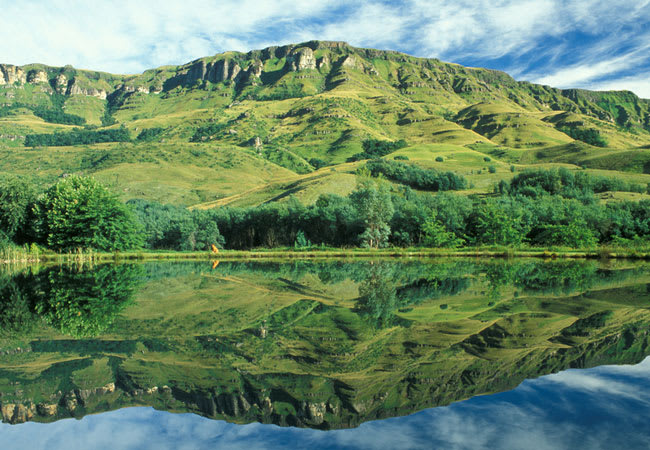
uKhahlamba-Drakensberg Park
KwaZulu-Natal · Year-round
4 luoghi

Wildlife
The black wildebeest or white-tailed gnu (Connochaetes gnou) is one of the two closely related wildebeest species.
Recorded year-round
Recorded in every month, so no month is the wrong month to look. We would rather say that than invent a best time.
Curve from 1,115 national iNaturalist observations, not from one property. Single-month spikes are discarded as upload artefacts, and below 50 records we show no curve at all.
Gauteng and beyond
Provinces where Black Wildebeest is most recorded. Tap one to find places to stay.
1,115 records, iNaturalist
In tutto il KwaZulu-Natal
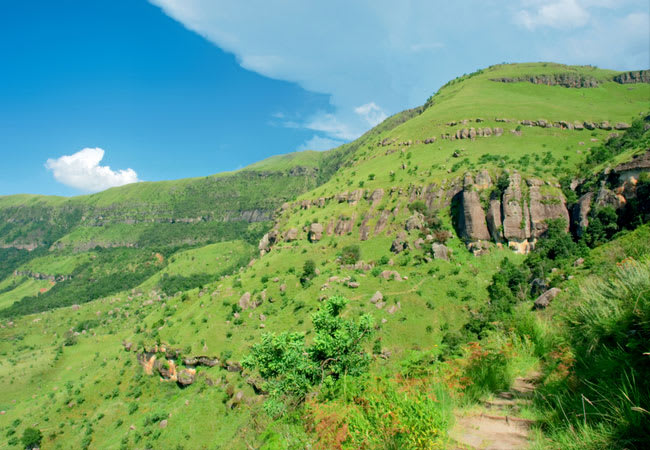
uKhahlamba-Drakensberg Park
Black Wildebeest: segnalato qui · Bioma: Praterie · Real yellowwood · Chacma baboon
Da R 130 a notte
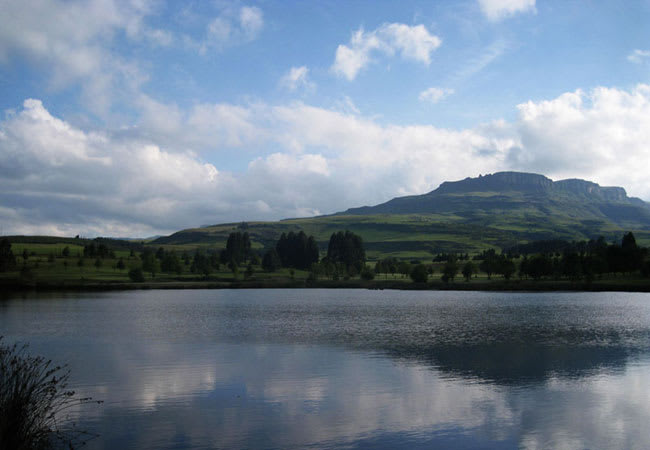
uKhahlamba-Drakensberg Park
Black Wildebeest: segnalato qui · Bioma: Praterie · Tree fuchsia · Black wildebeest
Da R 840 a notte
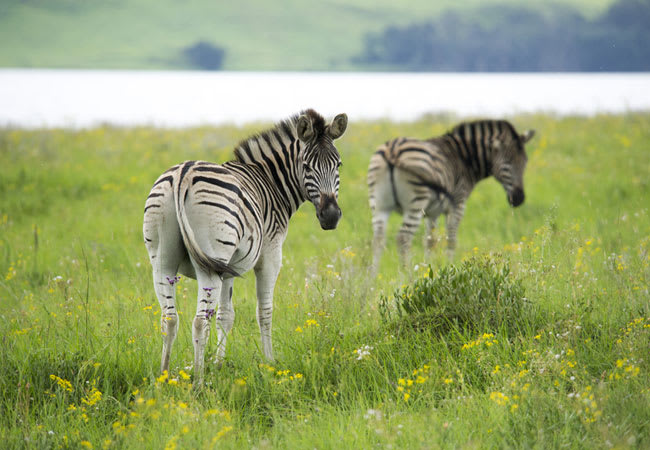
Midmar Resort
Black Wildebeest: segnalato qui · Bioma: Praterie · Plains zebra · Black wildebeest
Da R 220 a notte
uKhahlamba-Drakensberg Park
Black Wildebeest: segnalato qui · Bioma: Praterie · Real yellowwood · Chacma baboon
Da R 200 a notte
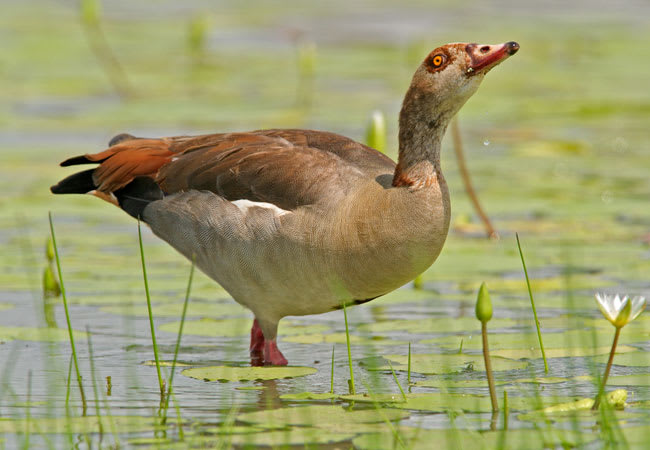
Chelmsford Resort
Black Wildebeest: segnalato qui · Bioma: Praterie · Black wildebeest · Springbok
Da R 190 a notte
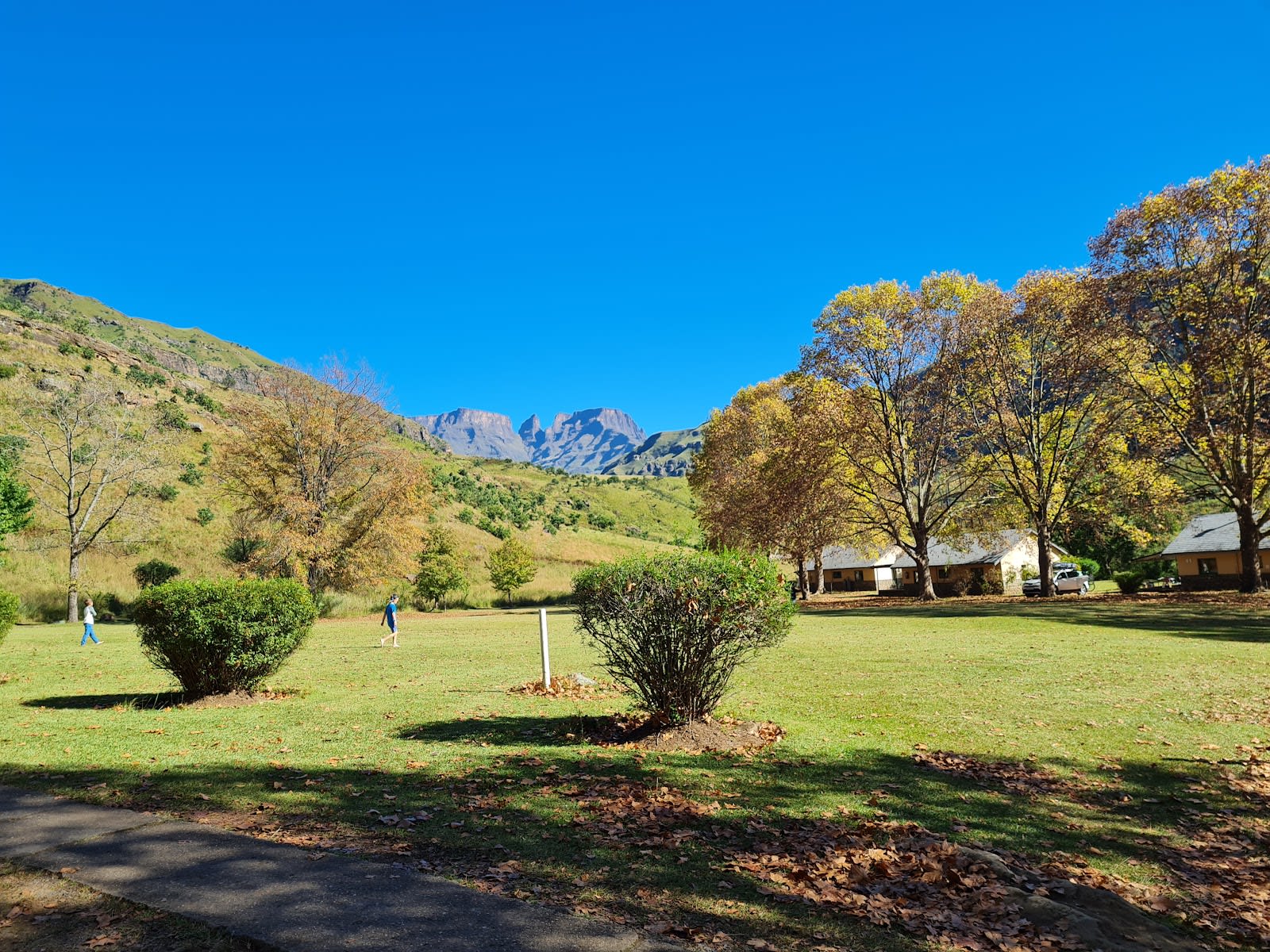
uKhahlamba-Drakensberg Park
Black Wildebeest: segnalato qui · Bioma: Praterie · Real yellowwood · Chacma baboon
Da R 170 a notte

Umdloti, Ballito
Bioma: Costa dell’Oceano Indiano
Sostiene Isibindi Foundation
Da R 13,000 a notte
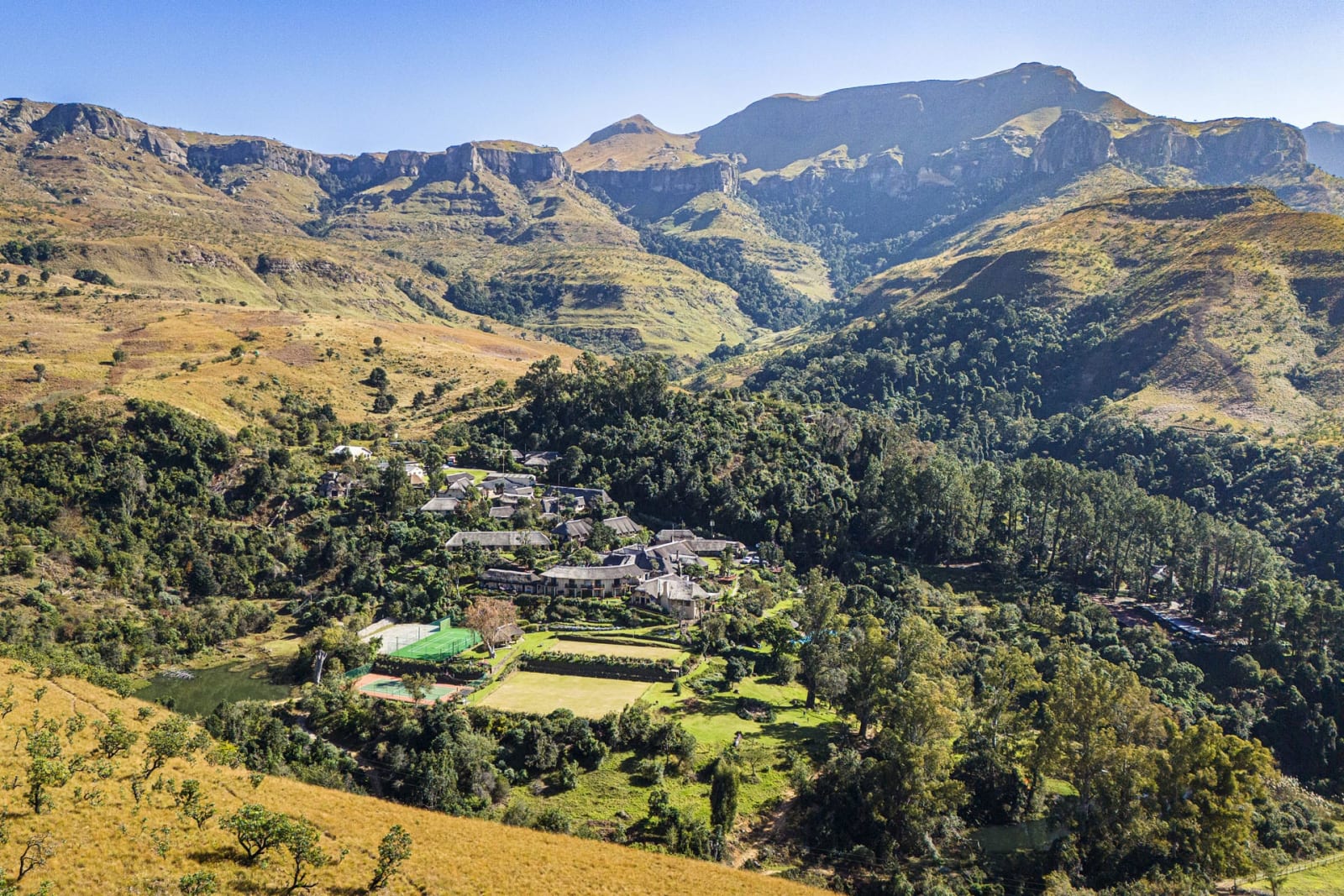
Drakensberg, Bergville
Bioma: Praterie
Sostiene Royal Drakensberg Education Trust
Da R 4,280 a notte
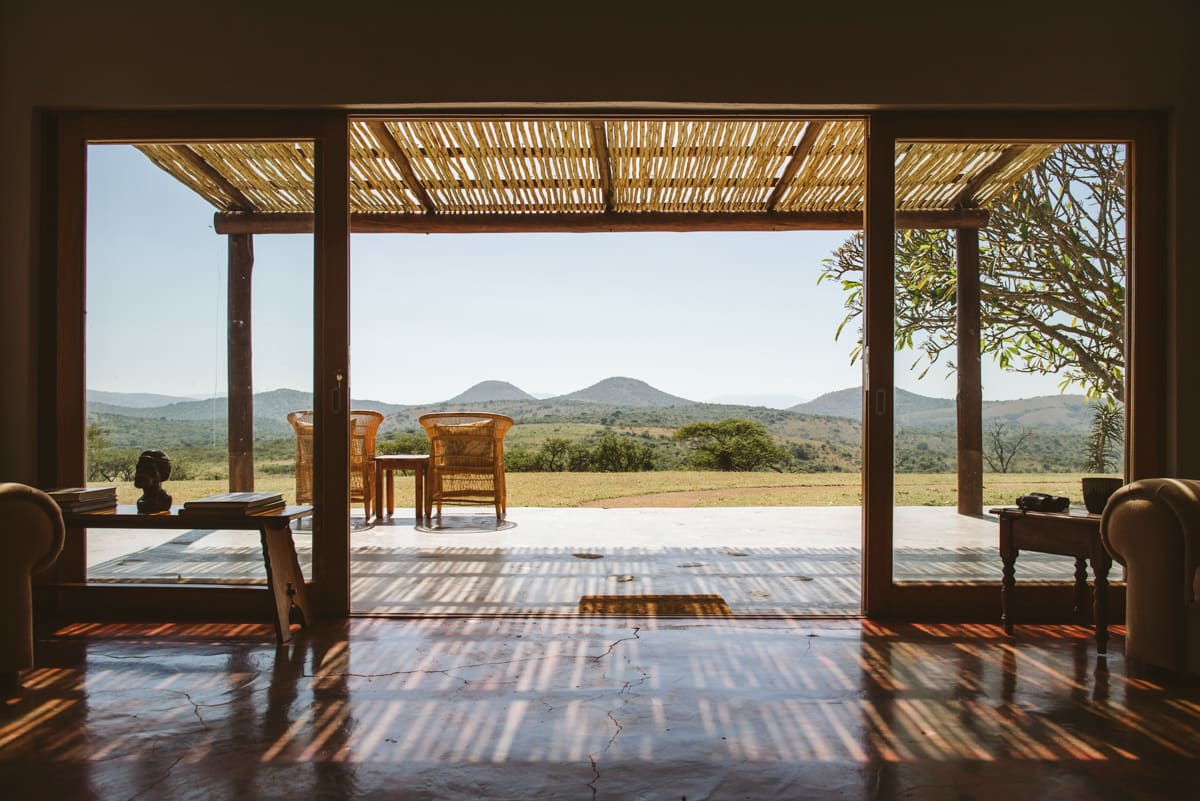
Magudu
Bioma: Savana · Leopard · Lion
Sostiene Zululand Conservation Trust
Da R 1,280 a notte
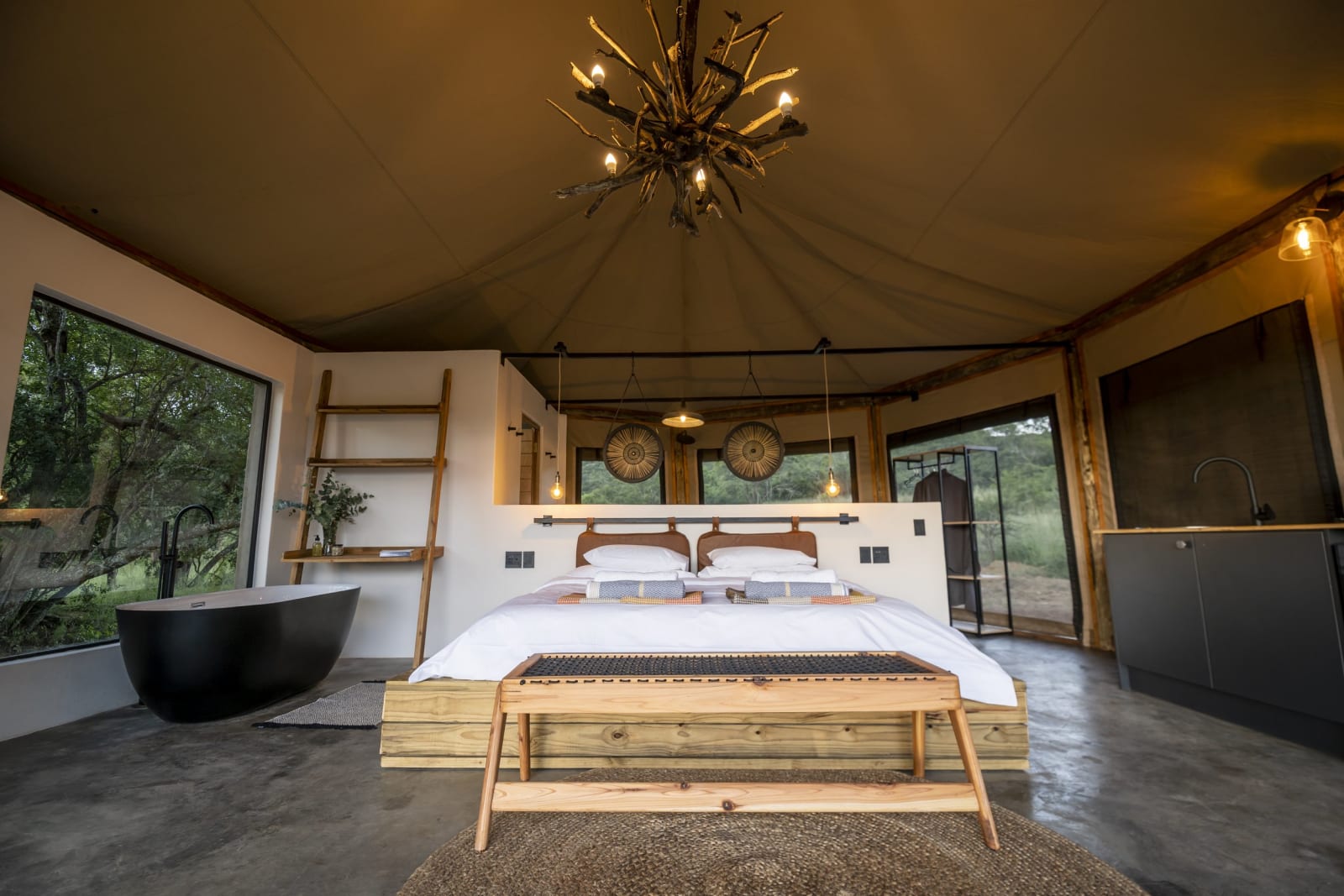
Bergville
Bioma: Praterie
Sostiene Royal Drakensberg Education Trust e altre 2
Da R 5,400 a notte

Richmond
Bioma: Praterie
Sostiene Isibindi Foundation
Da R 5,990 a notte

Hluhluwe-Imfolozi Park
Bioma: Savana · African wild dog · Spotted hyena
Sostiene Isibindi Foundation
Prezzo su richiesta

Drakensberg, Bergville
Bioma: Praterie · Spotted hyena · Leopard
Sostiene Royal Drakensberg Education Trust
Da R 1,140 a notte
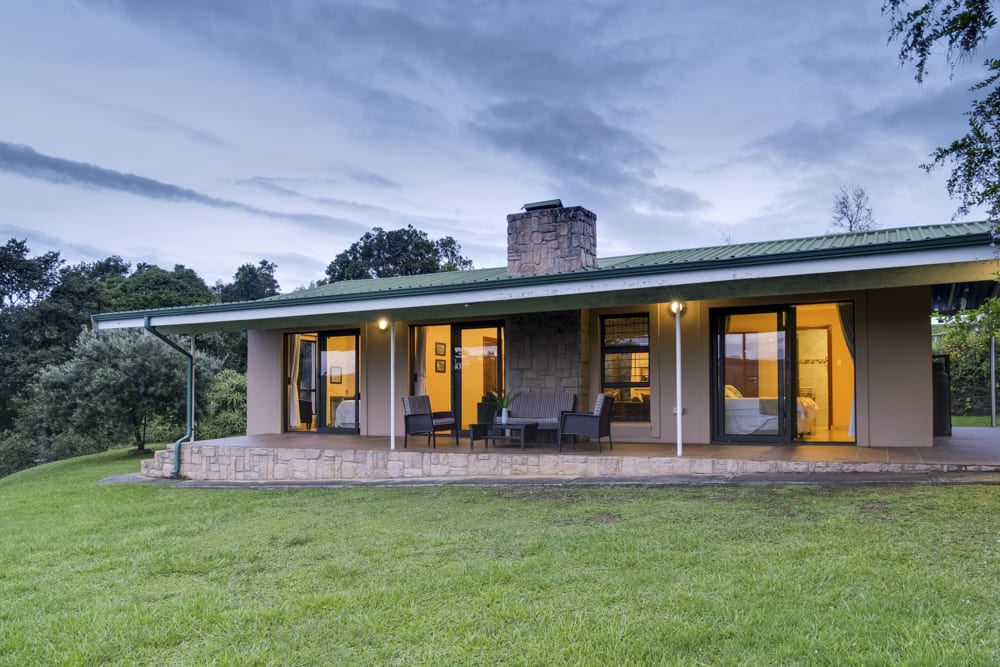
Cathkin Park
Bioma: Praterie
Sostiene Royal Drakensberg Education Trust
Da R 1,691 a notte

iSimangaliso Wetland Park
Bioma: Foresta · Humpback whale · Southern right whale
Sostiene Isibindi Foundation
Prezzo su richiesta

Underberg
Bioma: Praterie · Blesbok · Serval
Sostiene Zululand Conservation Trust e altre 3
Da R 1,200 a notte

Drakensberg, Bergville
Bioma: Praterie
Sostiene Royal Drakensberg Education Trust
Da R 1,950 a notte

iSimangaliso Wetland Park
Bioma: Foresta · Hippopotamus · Nile crocodile
Sostiene Isibindi Foundation e un’altra causa
Prezzo su richiesta

Drakensberg, Bergville
Bioma: Praterie · Bushbuck · Common eland
Sostiene Royal Drakensberg Education Trust e un’altra causa
Da R 6,800 a notte
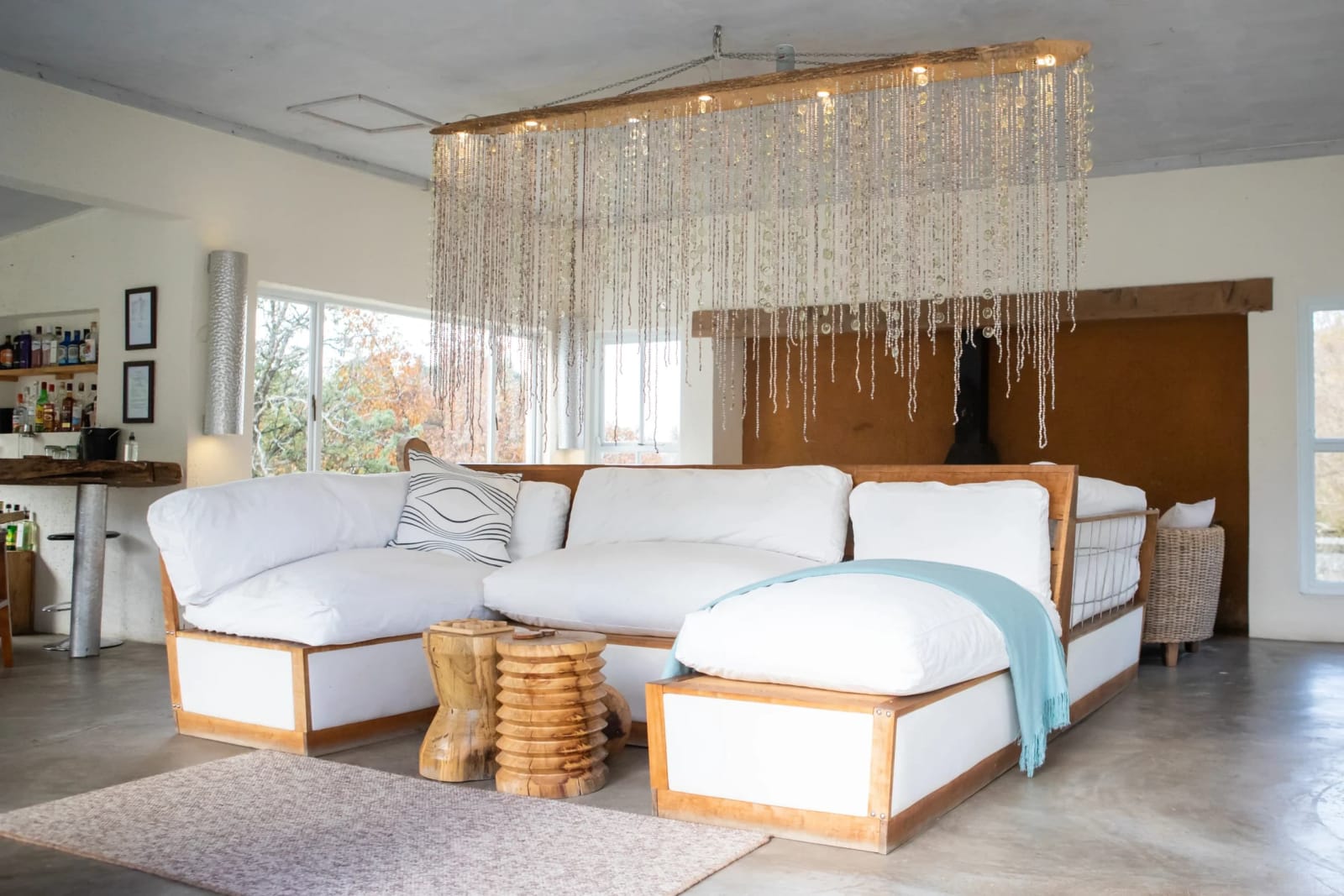
Nottingham Road
Bioma: Praterie · Bushbuck · Serval
Sostiene Royal Drakensberg Education Trust
Da R 4,100 a notte

Phinda Private Game Reserve
Bioma: Savana · Leopard · Lion
Sostiene Endangered Wildlife Trust
Prezzo su richiesta

Ballito
Bioma: Costa dell’Oceano Indiano
Sostiene National Sea Rescue Institute
Da R 3,995 a notte

Howick
Bioma: Praterie · Bushbuck · Vervet monkey
Sostiene Isibindi Foundation
Da R 795 a notte

Phinda Private Game Reserve
Bioma: Savana · Leopard · Lion
Sostiene Endangered Wildlife Trust
Prezzo su richiesta

Prossima tappa
iSimangaliso wetlands, sand forest, and Sodwana reefs
Vedi le strutture che sostengono una causaPianificare un viaggio
Gli host hanno segnalato questa specie (Black Wildebeest) in strutture dentro o accanto a uKhahlamba-Drakensberg Park, Chelmsford Nature Reserve (Ntshingwayo Dam) and Kamberg Nature Reserve.
| Parco | gen | feb | mar | apr | mag | giu | lug | ago | set | ott | nov | dic |
|---|---|---|---|---|---|---|---|---|---|---|---|---|
| uKhahlamba-Drakensberg | Presente | Presente | Presente | Presente | Osservazione più facile | Osservazione più facile | Osservazione più facile | Osservazione più facile | Osservazione più facile | Presente | Presente | Presente |
| Chelmsford Nature Reserve (Ntshingwayo Dam) | Presente | Presente | Presente | Presente |
I mesi più scuri sono la stagione migliore di ciascun parco, quando la vegetazione più rada o la scarsità d’acqua rendono più facile l’osservazione. Nessun avvistamento è garantito.
Guidare in autonomia
Il Suo veicolo e il Suo ritmo, sulle strade del parco.
Dove lo segnalano gli host
Specie
Connochaetes gnou
Segnalazioni
1,115
Osservazioni su iNaturalist
Ogni prenotazione su Spekboom sostiene la conservazione.
Una segnalazione significa che un host ha visto questa specie (Black Wildebeest) nella struttura o nei dintorni. Non è mai una garanzia di avvistamento.
Hosts on Spekboom have recorded the Black Wildebeest at stays in or beside uKhahlamba-Drakensberg Park, Chelmsford Nature Reserve (Ntshingwayo Dam), Kamberg Nature Reserve and Midmar Dam Nature Reserve. A record means a host has seen it on the property or nearby, which makes these the places to base yourself; it is never a guarantee of a sighting on any given day.
The Black Wildebeest is most recorded in Gauteng (33% of records), Eastern Cape (24% of records), Free State (18% of records), based on 1,115 iNaturalist observations. 6 places to stay on Spekboom in KwaZulu-Natal have recorded the Black Wildebeest on site or nearby.
The Black Wildebeest is recorded throughout the year, so no month is the wrong month to look for it. For the parks where hosts record it most, these are the best seasons they give. uKhahlamba-Drakensberg Park: year-round, dry season May-Sep; Chelmsford Nature Reserve (Ntshingwayo Dam): year-round; Kamberg Nature Reserve: year-round, dry season May-Sep; Midmar Dam Nature Reserve: year-round, summer for water sports. In the dry months animals concentrate at water and the grass is short.
The black wildebeest or white-tailed gnu (Connochaetes gnou) is one of the two closely related wildebeest species. It is a member of the genus Connochaetes and family Bovidae. It was first described in 1780 by Eberhard August Wilhelm von Zimmermann. The black wildebeest is typically between 170-220 cm (67-87 in) in head-and-body length, and the average weight is 110-180 kg (240-400 lb).
| Presente |
| Presente |
| Presente |
| Presente |
| Presente |
| Presente |
| Presente |
| Presente |
| Kamberg | Presente | Presente | Presente | Presente | Osservazione più facile | Osservazione più facile | Osservazione più facile | Osservazione più facile | Osservazione più facile | Presente | Presente | Presente |
|---|
| Midmar Dam | Presente | Presente | Presente | Presente | Presente | Presente | Presente | Presente | Presente | Presente | Presente | Presente |
|---|


