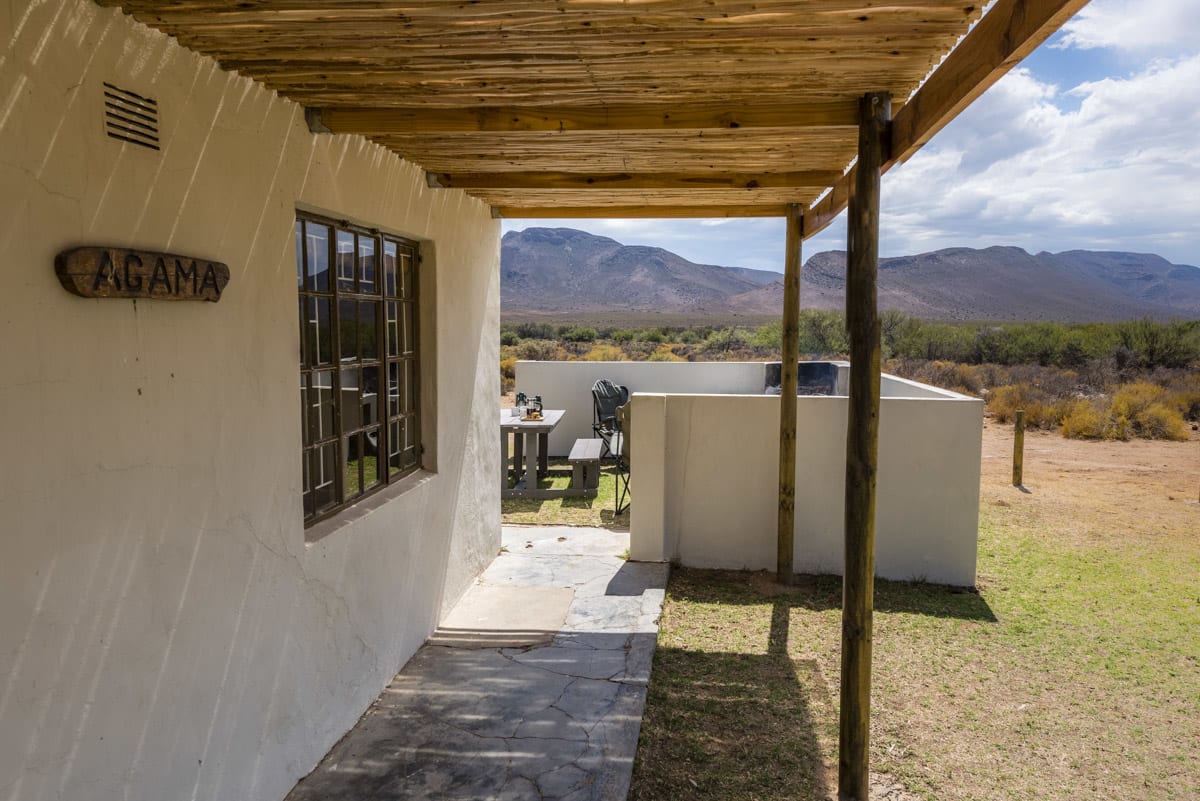
Goukamma Nature Reserve
Western Cape · Year-round
9 luoghi

The Knysna woodpecker (Campethera notata) is a species of bird in the family Picidae.
Most records Dec to Jan
When Knysna Woodpecker sightings peak, from open records. Outside these months it is seen less often, not never.
Curve from 232 national iNaturalist observations, not from one property. Single-month spikes are discarded as upload artefacts, and below 50 records we show no curve at all.
Western Cape and beyond
Provinces where Knysna Woodpecker is most recorded. Tap one to find places to stay.
232 records, iNaturalist
In tutto il Sudafrica

Oudtshoorn

Avvistato spesso · Birder Friendly

Hankey

Avvistato spesso · Birder Friendly

Wilderness
Avvistato spesso · Birder Friendly

Hunter's Home, Knysna

Avvistato spesso · Birder Friendly

Swartberg Nature Reserve
Knysna Woodpecker: segnalato qui
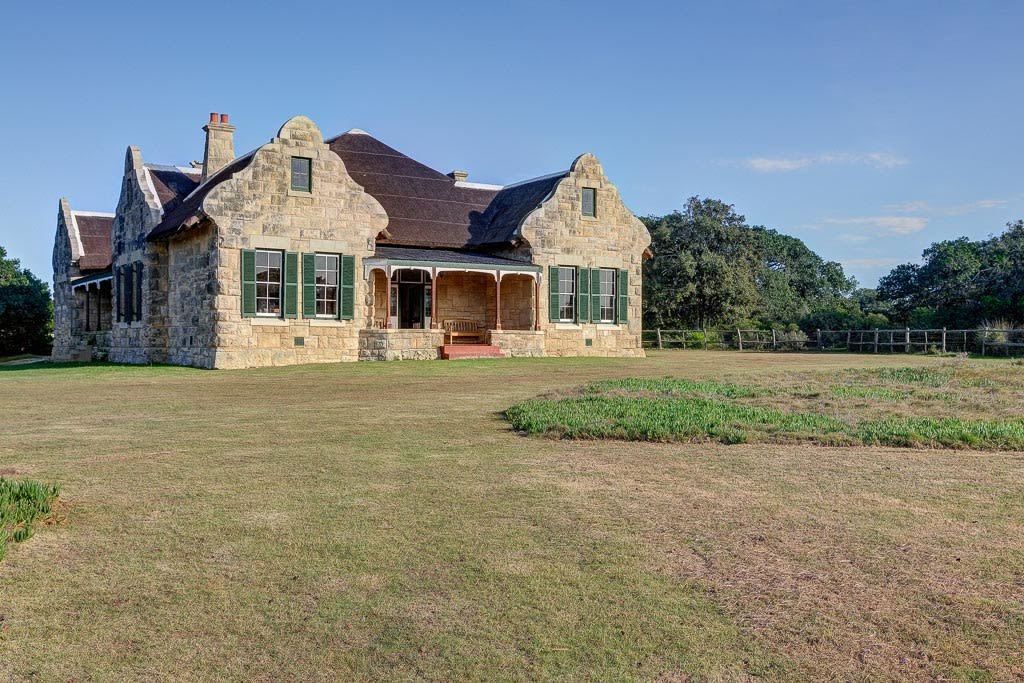
De Hoop Nature Reserve
Avvistato spesso · Birder Friendly

Marloth Nature Reserve
Knysna Woodpecker: segnalato qui

Keurbooms River Nature Reserve
Knysna Woodpecker: segnalato qui
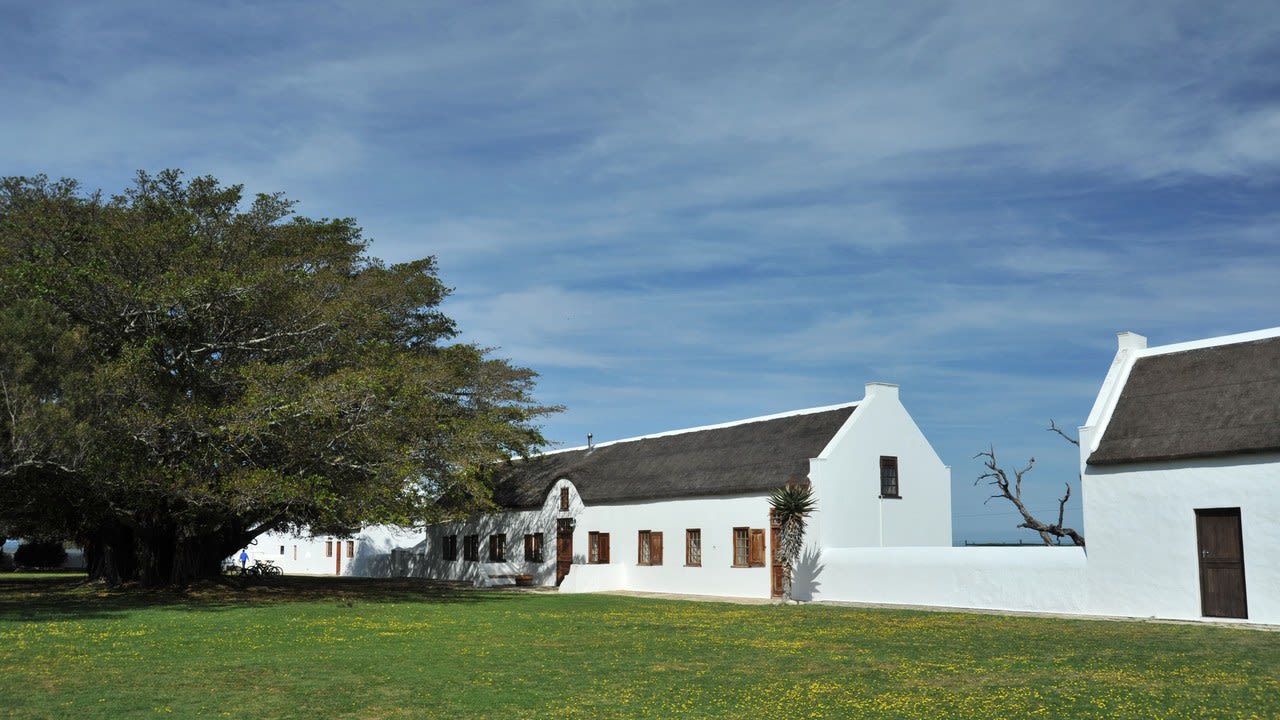
De Hoop Nature Reserve
Avvistato spesso · Birder Friendly

Gamkaberg Nature Reserve
Knysna Woodpecker: segnalato qui

Grootvadersbosch Nature Reserve
Knysna Woodpecker: segnalato qui

Kwandwe Private Game Reserve
Knysna Woodpecker: segnalato qui

Grootvadersbosch Nature Reserve
Knysna Woodpecker: segnalato qui

Gamkaberg Nature Reserve
Knysna Woodpecker: segnalato qui

Kwandwe Private Game Reserve
Knysna Woodpecker: segnalato qui

Gamkaberg Nature Reserve
Knysna Woodpecker: segnalato qui

Gamkaberg Nature Reserve
Knysna Woodpecker: segnalato qui

Kwandwe Private Game Reserve
Knysna Woodpecker: segnalato qui

Gamkaberg Nature Reserve
Knysna Woodpecker: segnalato qui

Gamkaberg Nature Reserve
Knysna Woodpecker: segnalato qui

Kwandwe Private Game Reserve
Knysna Woodpecker: segnalato qui

Gamkaberg Nature Reserve
Knysna Woodpecker: segnalato qui

Grootvadersbosch Nature Reserve
Knysna Woodpecker: segnalato qui

Kwandwe Private Game Reserve
Knysna Woodpecker: segnalato qui
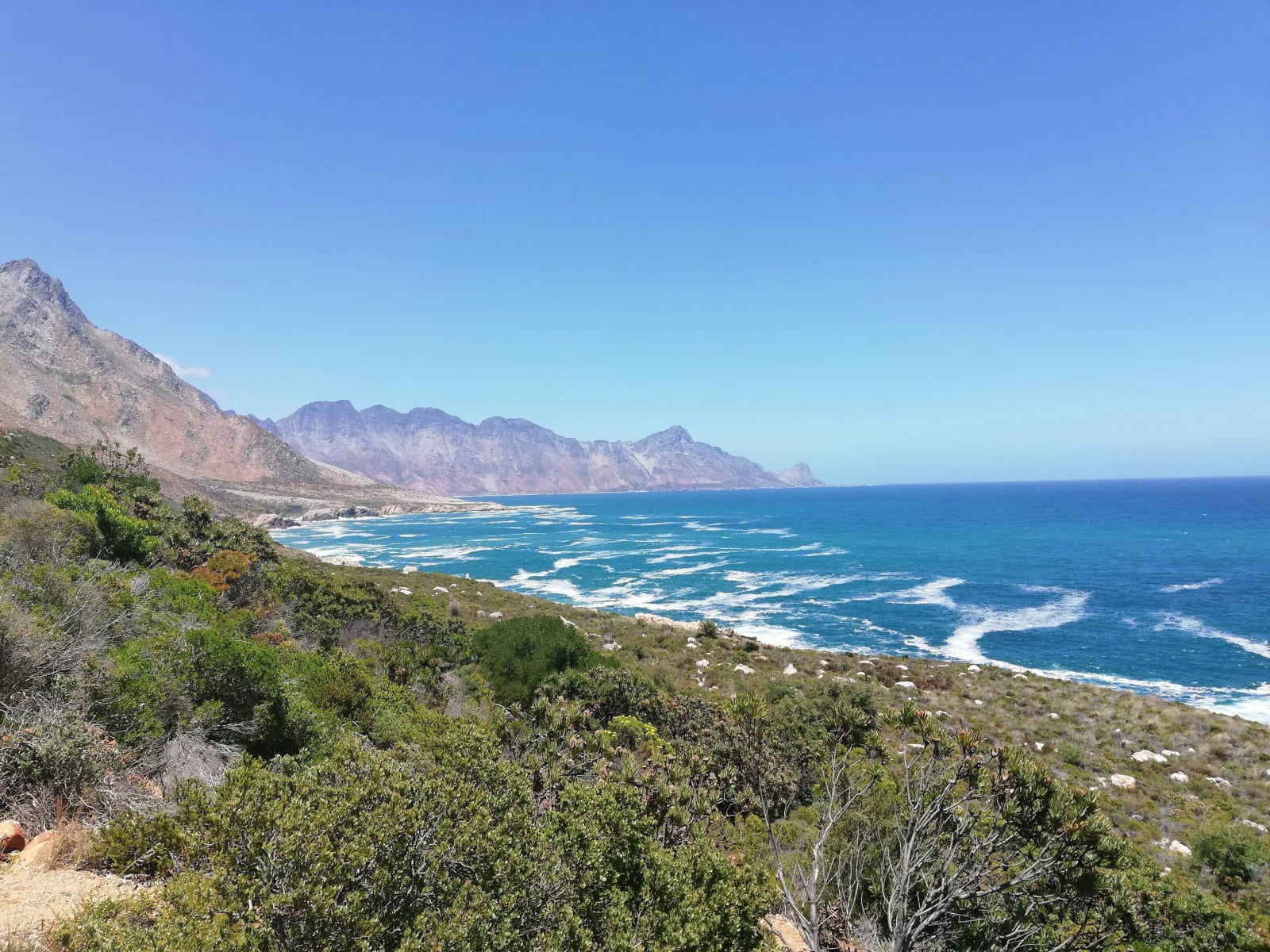
Prossima tappa
Whale coast and rolling farm country
Vedi le strutture che sostengono una causaPianificare un viaggio
Gli host hanno segnalato questa specie (Knysna Woodpecker) in strutture dentro o accanto a Goukamma Nature Reserve, Anysberg Nature Reserve and Gamkaberg Nature Reserve.
Goukamma · Anysberg · Gamkaberg

Addo Elephant · Kwandwe · Tsitsikamma
Guidare in autonomia
Il Suo veicolo e il Suo ritmo, sulle strade del parco.
Dove lo segnalano gli host
Fotosafari guidati da un lodge
Una guida che sa dove guardare, con uscite fuoristrada e safari notturni nelle riserve private.
Dove lo segnalano gli host
Lista Rossa IUCN
Near Threatened
Specie
Campethera notata
Segnalazioni
232
Osservazioni su iNaturalist
Ogni prenotazione su Spekboom sostiene la conservazione.
Una segnalazione significa che un host ha visto questa specie (Knysna Woodpecker) nella struttura o nei dintorni. Non è mai una garanzia di avvistamento.
Hosts on Spekboom have recorded the Knysna Woodpecker at stays in or beside Goukamma Nature Reserve, Anysberg Nature Reserve, Gamkaberg Nature Reserve, Addo Elephant National Park, Kwandwe Private Game Reserve and De Hoop Nature Reserve and other reserves. A record means a host has seen it on the property or nearby, which makes these the places to base yourself; it is never a guarantee of a sighting on any given day.
The Knysna Woodpecker is most recorded in Western Cape (59% of records), Eastern Cape (38% of records), based on 232 iNaturalist observations. 52 places to stay on Spekboom in South Africa have recorded the Knysna Woodpecker on site or nearby.
Sightings of the Knysna Woodpecker peak from Dec to Jan, based on 232 iNaturalist records. You may still see it outside those months, sightings are just less frequent.
The Knysna Woodpecker (Campethera notata) is listed as Near Threatened on the IUCN Red List.
The Knysna woodpecker (Campethera notata) is a species of bird in the family Picidae. It is endemic to South Africa, where its natural habitats are subtropical or tropical moist lowland forests, moist savanna, and subtropical or tropical moist shrubland. It is threatened by habitat loss. It belongs to a species complex that includes the golden-tailed and Mombasa woodpeckers.