
Goukamma Nature Reserve
Western Cape · Year-round
9 lieux

The tambourine dove (Turtur tympanistria) is a pigeon which is a widespread resident breeding bird in woodlands and other thick vegetation in Africa south of the Sahara Desert.
Recorded year-round
Recorded in every month, so no month is the wrong month to look. We would rather say that than invent a best time.
Curve from 401 national iNaturalist observations, not from one property and not from this province. Single-month spikes are discarded as upload artefacts, and below 50 records we show no curve at all.
KwaZulu-Natal and beyond
Provinces where Tambourine Dove is most recorded. Tap one to find places to stay.
401 records, iNaturalist
À travers Cap-Occidental

Robertson · À partir de R 620 la nuit

Tambourine Dove : espèce observée ici

Robertson · À partir de R 1,155 la nuit
Observé régulièrement · Accueillant pour les ornithologues

Oudtshoorn · À partir de R 5,060 la nuit

Observé régulièrement · Accueillant pour les ornithologues

Swartberg Nature Reserve · À partir de R 630 la nuit
Tambourine Dove : espèce observée ici

Marloth Nature Reserve · À partir de R 1,180 la nuit
Tambourine Dove : espèce observée ici

Groot Winterhoek Wilderness Area · À partir de R 680 la nuit
Tambourine Dove : espèce observée ici
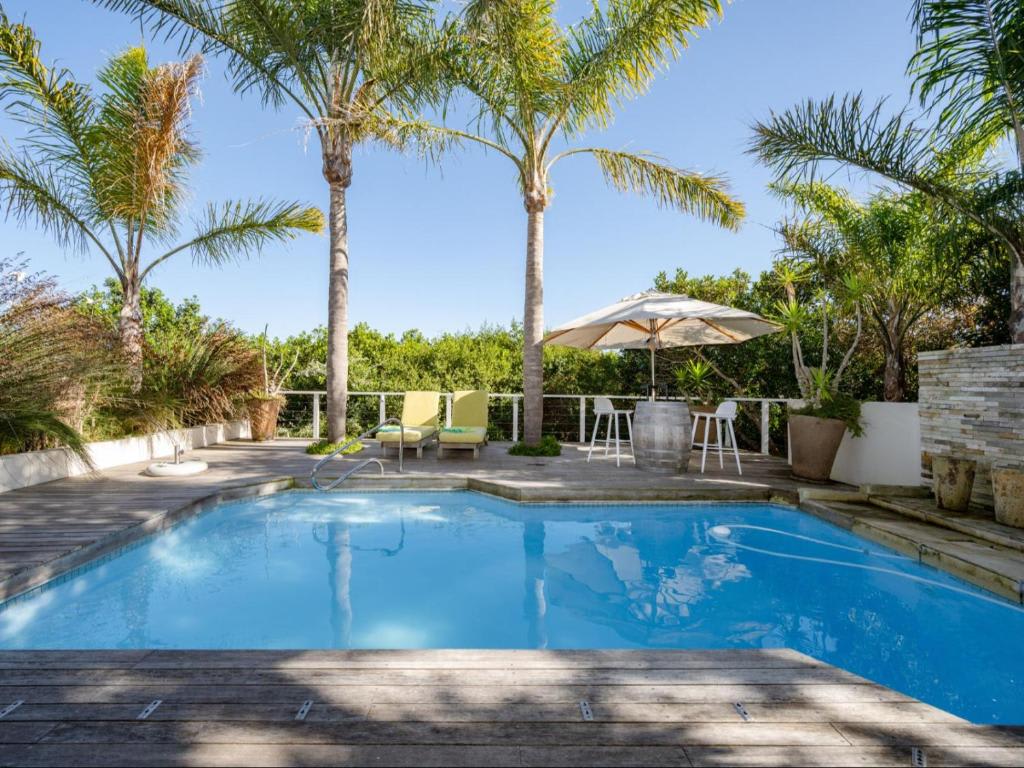
Keurbooms River Nature Reserve · À partir de R 2,170 la nuit
Tambourine Dove : espèce observée ici

Robberg Nature Reserve · À partir de R 1,560 la nuit
Tambourine Dove : espèce observée ici

Grootvadersbosch Nature Reserve · À partir de R 300 la nuit
Tambourine Dove : espèce observée ici

Grootvadersbosch Nature Reserve · À partir de R 1,460 la nuit
Tambourine Dove : espèce observée ici

Vrolijkheid Nature Reserve · À partir de R 1,750 la nuit
Tambourine Dove : espèce observée ici

Vrolijkheid Nature Reserve · À partir de R 1,750 la nuit
Tambourine Dove : espèce observée ici

Grootvadersbosch Nature Reserve · À partir de R 1,780 la nuit
Tambourine Dove : espèce observée ici

Vrolijkheid Nature Reserve · À partir de R 1,950 la nuit
Tambourine Dove : espèce observée ici
Goukamma Nature Reserve · À partir de R 1,340 la nuit
Tambourine Dove : espèce observée ici

Goukamma Nature Reserve · À partir de R 1,370 la nuit
Tambourine Dove : espèce observée ici

Goukamma Nature Reserve · À partir de R 1,560 la nuit
Tambourine Dove : espèce observée ici

Goukamma Nature Reserve · À partir de R 1,560 la nuit
Tambourine Dove : espèce observée ici

Goukamma Nature Reserve · À partir de R 1,560 la nuit
Tambourine Dove : espèce observée ici

Goukamma Nature Reserve · À partir de R 1,380 la nuit
Tambourine Dove : espèce observée ici

Goukamma Nature Reserve · À partir de R 1,580 la nuit
Tambourine Dove : espèce observée ici

Goukamma Nature Reserve · À partir de R 1,580 la nuit
Tambourine Dove : espèce observée ici

Goukamma Nature Reserve · À partir de R 1,410 la nuit
Tambourine Dove : espèce observée ici

Benguela Cove, Hermanus · À partir de R 14,985 la nuit

Accueillant pour les ornithologues
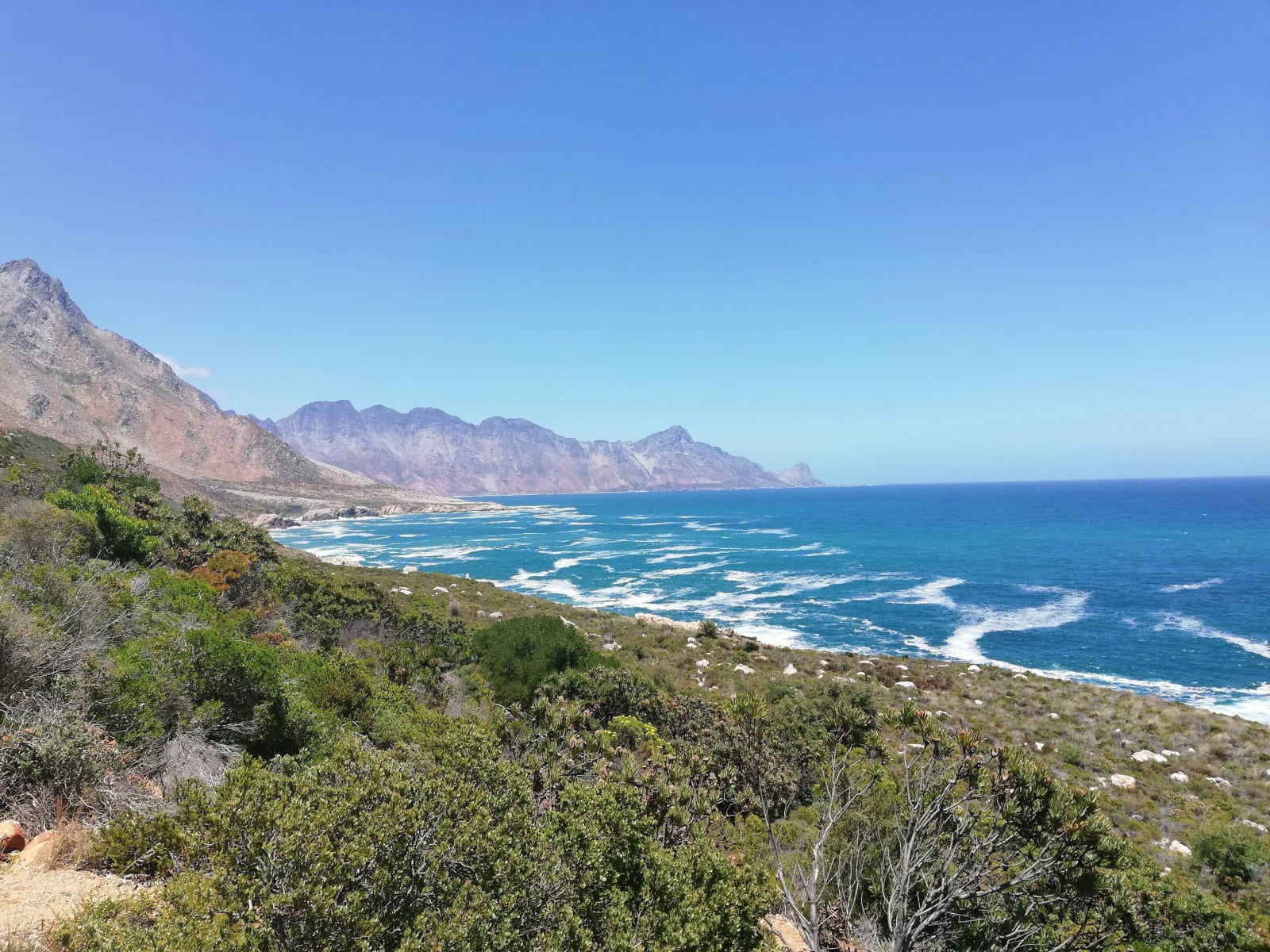
Prochaine étape
Whale coast and rolling farm country
Voir les hébergements engagésPréparer un voyage
Tambourine Dove : signalé par des hôtes dans ou près de Goukamma Nature Reserve, Grootvadersbosch Nature Reserve and Vrolijkheid Nature Reserve.
Conduire soi-même
Votre véhicule et votre rythme, sur les routes du parc.
Parcs où l’espèce est signalée
Espèce
Turtur tympanistria
Observations
401
observations iNaturalist
Chaque réservation sur Spekboom soutient la conservation.
Une observation signifie qu’un hôte a vu l’espèce Tambourine Dove sur place ou à proximité. Ce n’est jamais une garantie de la voir.
Hosts on Spekboom have recorded the Tambourine Dove at stays in or beside Goukamma Nature Reserve, Grootvadersbosch Nature Reserve, Vrolijkheid Nature Reserve, Groot Winterhoek Wilderness Area, Keurbooms River Nature Reserve and Marloth Nature Reserve and other reserves. A record means a host has seen it on the property or nearby, which makes these the places to base yourself; it is never a guarantee of a sighting on any given day.
The Tambourine Dove is most recorded in KwaZulu-Natal (66% of records), Western Cape (16% of records), Limpopo (8% of records), based on 401 iNaturalist observations. 23 places to stay on Spekboom in Western Cape have recorded the Tambourine Dove on site or nearby.
The Tambourine Dove is recorded throughout the year, so no month is the wrong month to look for it. For the parks where hosts record it most, these are the best seasons they give. Goukamma Nature Reserve: year-round, warm Oct-Apr; Grootvadersbosch Nature Reserve: Sep-Apr, flowers Aug-Oct; Vrolijkheid Nature Reserve: Autumn and spring, Mar-May, Sep-Nov; Groot Winterhoek Wilderness Area: Spring and autumn, Sep-Nov, Mar-May. In the dry months animals concentrate at water and the grass is short.
The tambourine dove (Turtur tympanistria) is a pigeon which is a widespread resident breeding bird in woodlands and other thick vegetation in Africa south of the Sahara Desert. Its range extends from Senegal east to Ethiopia and Kenya and southwards through eastern Africa to south-eastern South Africa, but it is absent from the drier areas of south-western Africa.