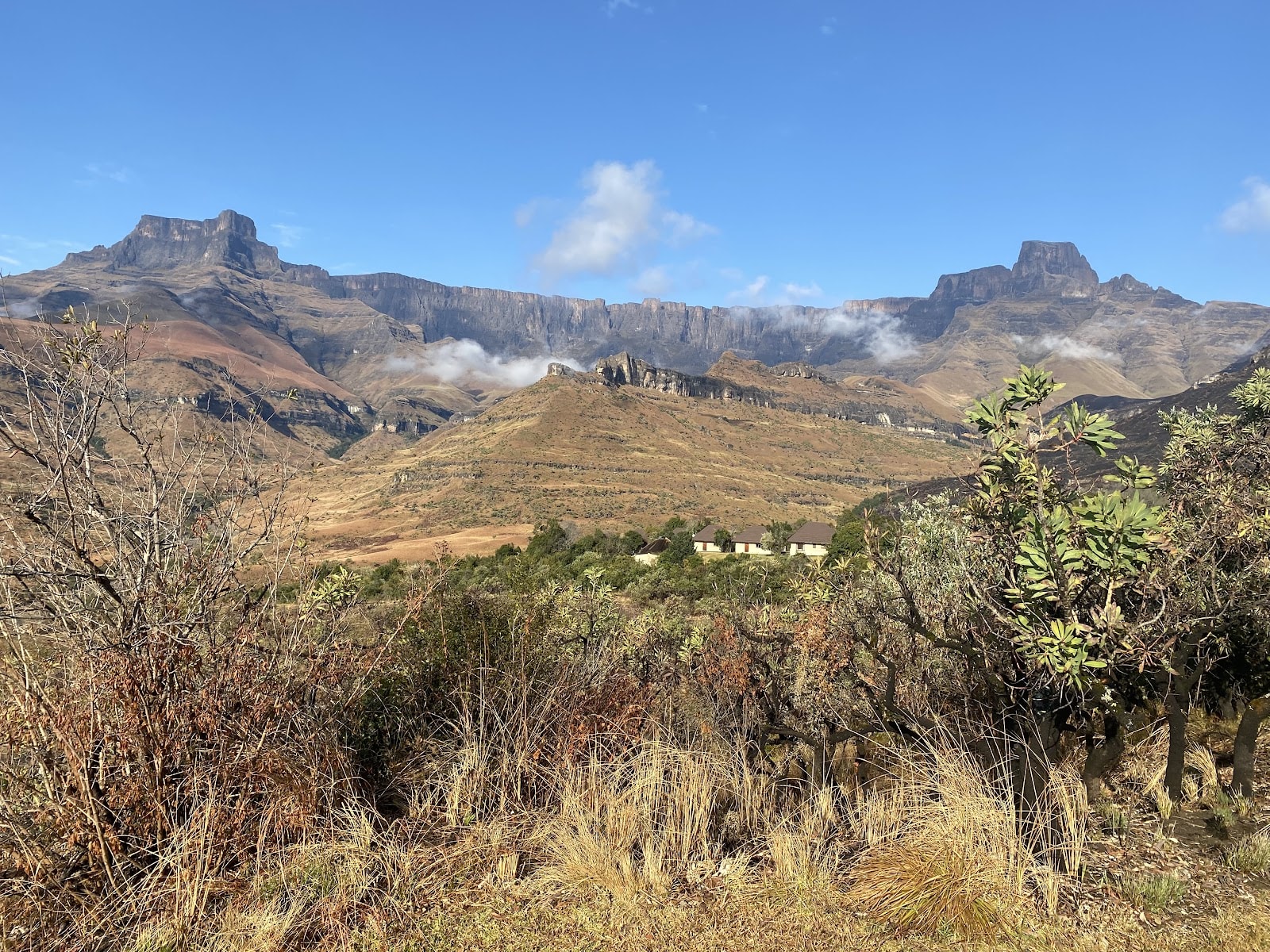
uKhahlamba-Drakensberg Park
KwaZulu-Natal · Year-round
10 lieux

The yellow-breasted pipit is a species of bird in the pipit and wagtail family Motacillidae.
Most records Oct to Feb
When Yellow-breasted Pipit sightings peak, from open records. Outside these months it is seen less often, not never.
Curve from 60 national iNaturalist observations, not from one property. Single-month spikes are discarded as upload artefacts, and below 50 records we show no curve at all.
KwaZulu-Natal and beyond
Provinces where Yellow-breasted Pipit is most recorded. Tap one to find places to stay.
60 records, iNaturalist
À travers Afrique du Sud

Nottingham Road

Yellow-breasted Pipit : espèce observée ici

Wakkerstroom

Observé régulièrement · Accueillant pour les ornithologues

Wakkerstroom
Observé régulièrement · Accueillant pour les ornithologues
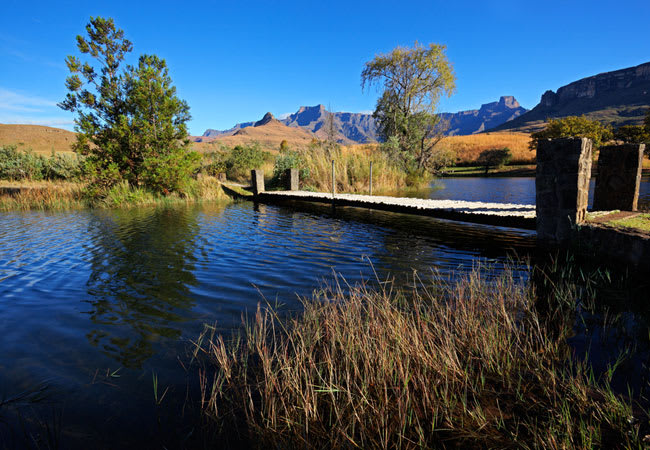
uKhahlamba-Drakensberg Park
Yellow-breasted Pipit : espèce observée ici
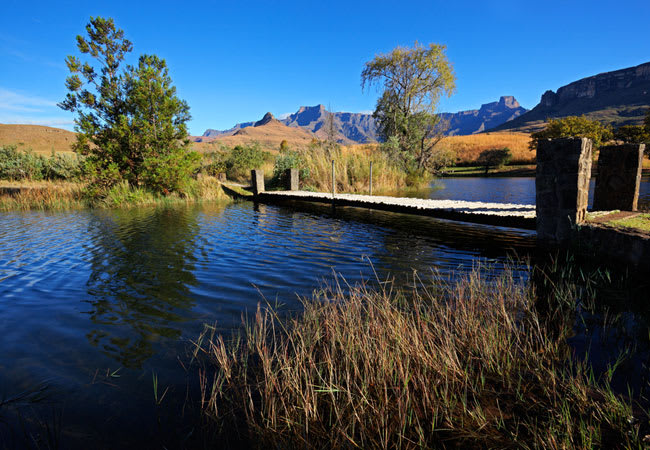
uKhahlamba-Drakensberg Park
Yellow-breasted Pipit : espèce observée ici
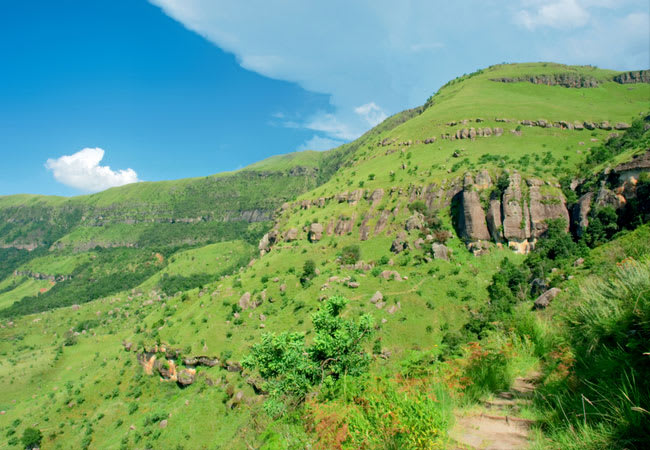
uKhahlamba-Drakensberg Park
Yellow-breasted Pipit : espèce observée ici
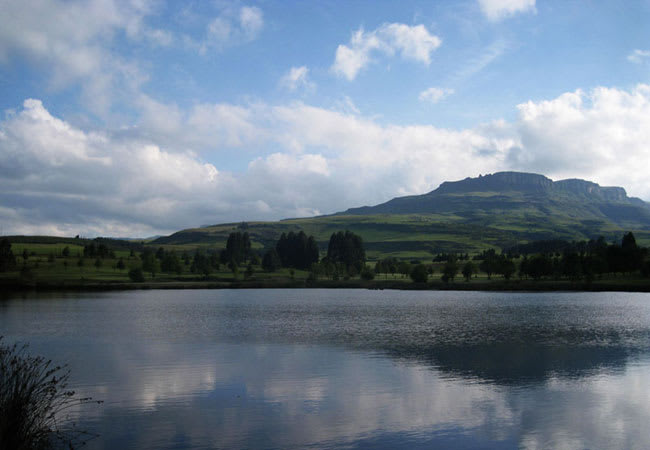
uKhahlamba-Drakensberg Park
Yellow-breasted Pipit : espèce observée ici
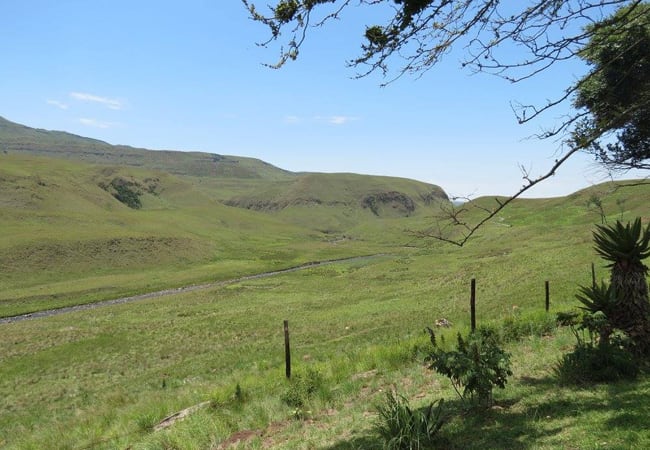
uKhahlamba-Drakensberg Park
Yellow-breasted Pipit : espèce observée ici

uKhahlamba-Drakensberg Park
Yellow-breasted Pipit : espèce observée ici
uKhahlamba-Drakensberg Park
Yellow-breasted Pipit : espèce observée ici
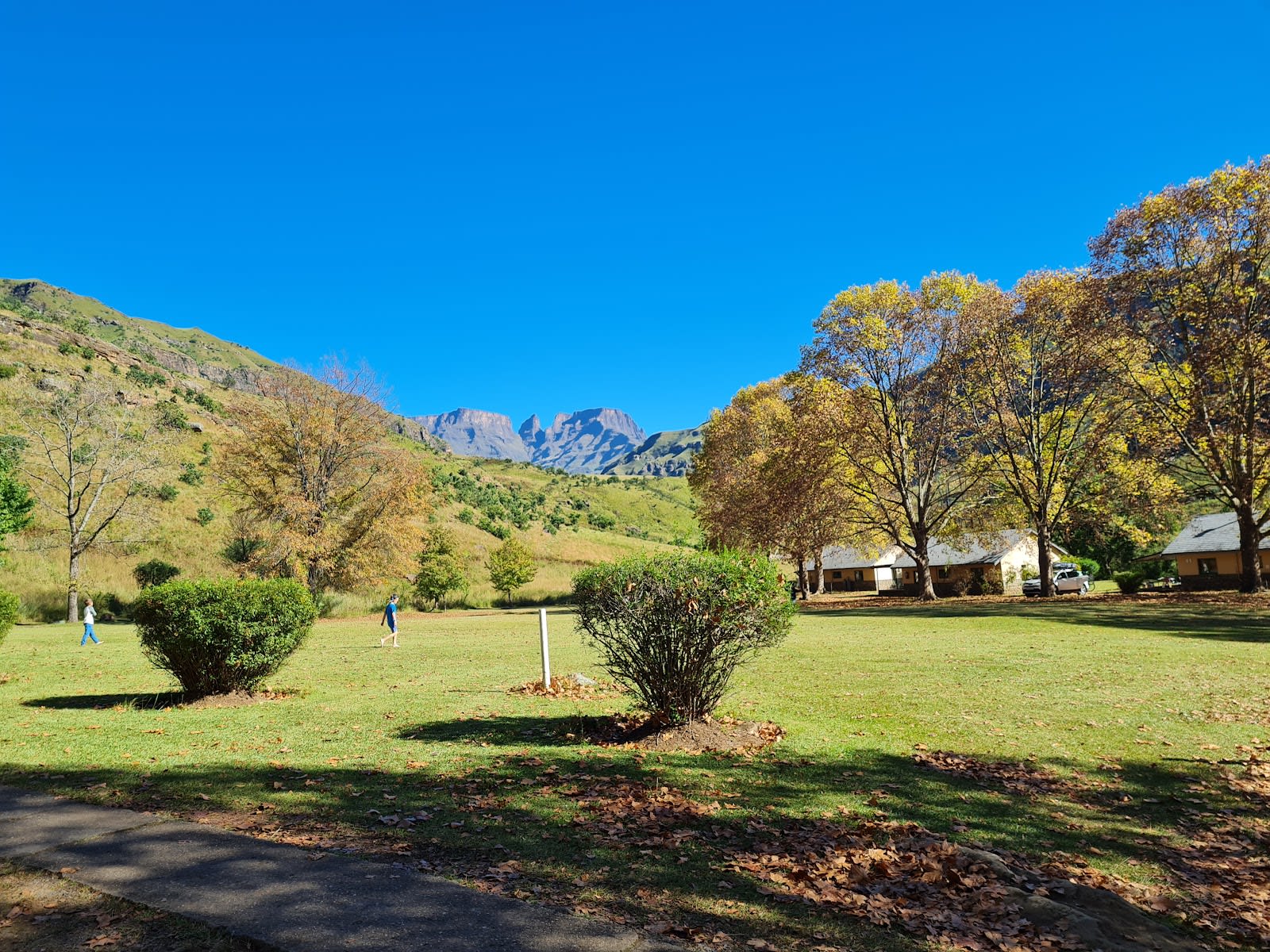
uKhahlamba-Drakensberg Park
Yellow-breasted Pipit : espèce observée ici
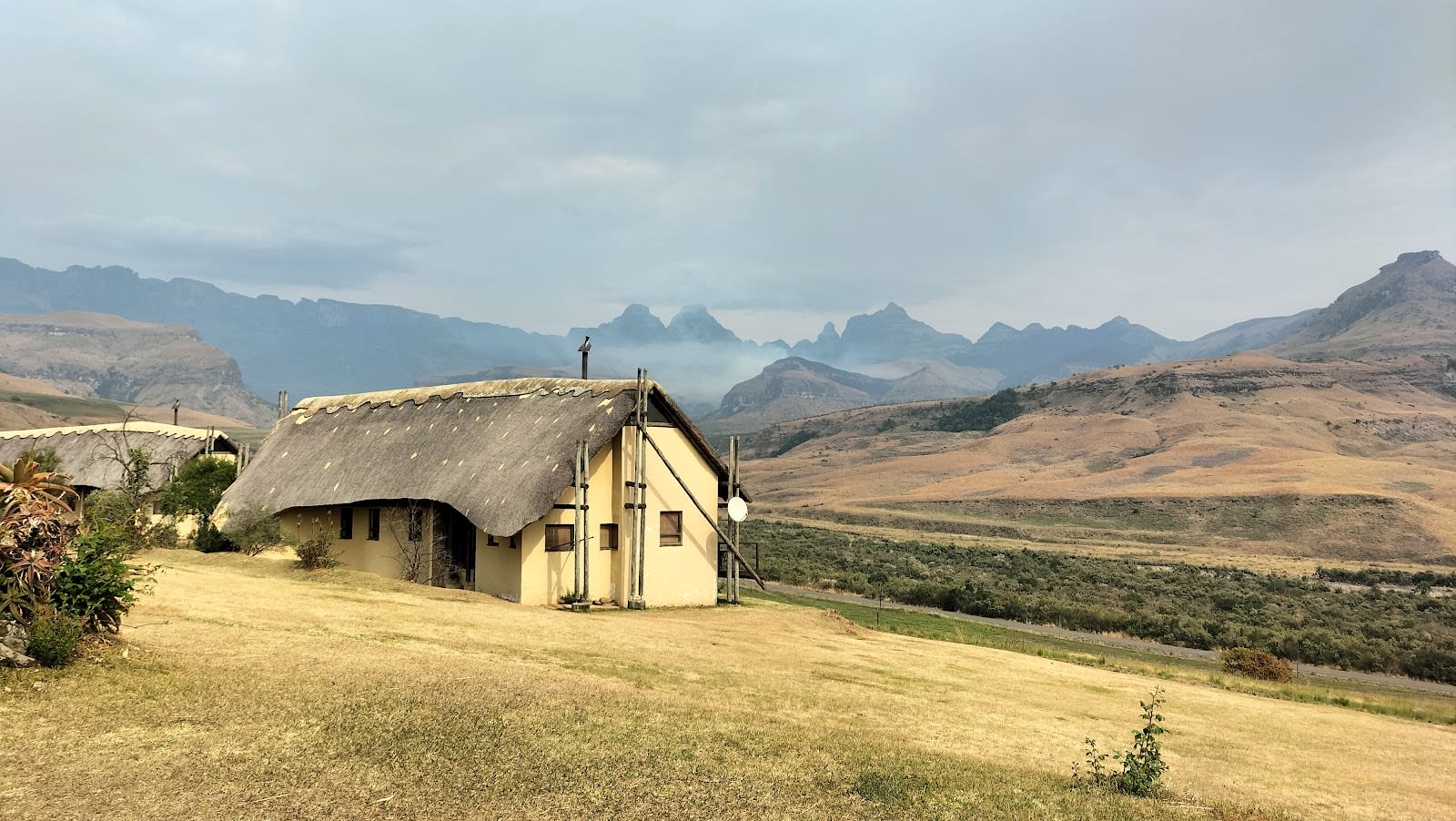
uKhahlamba-Drakensberg Park
Yellow-breasted Pipit : espèce observée ici
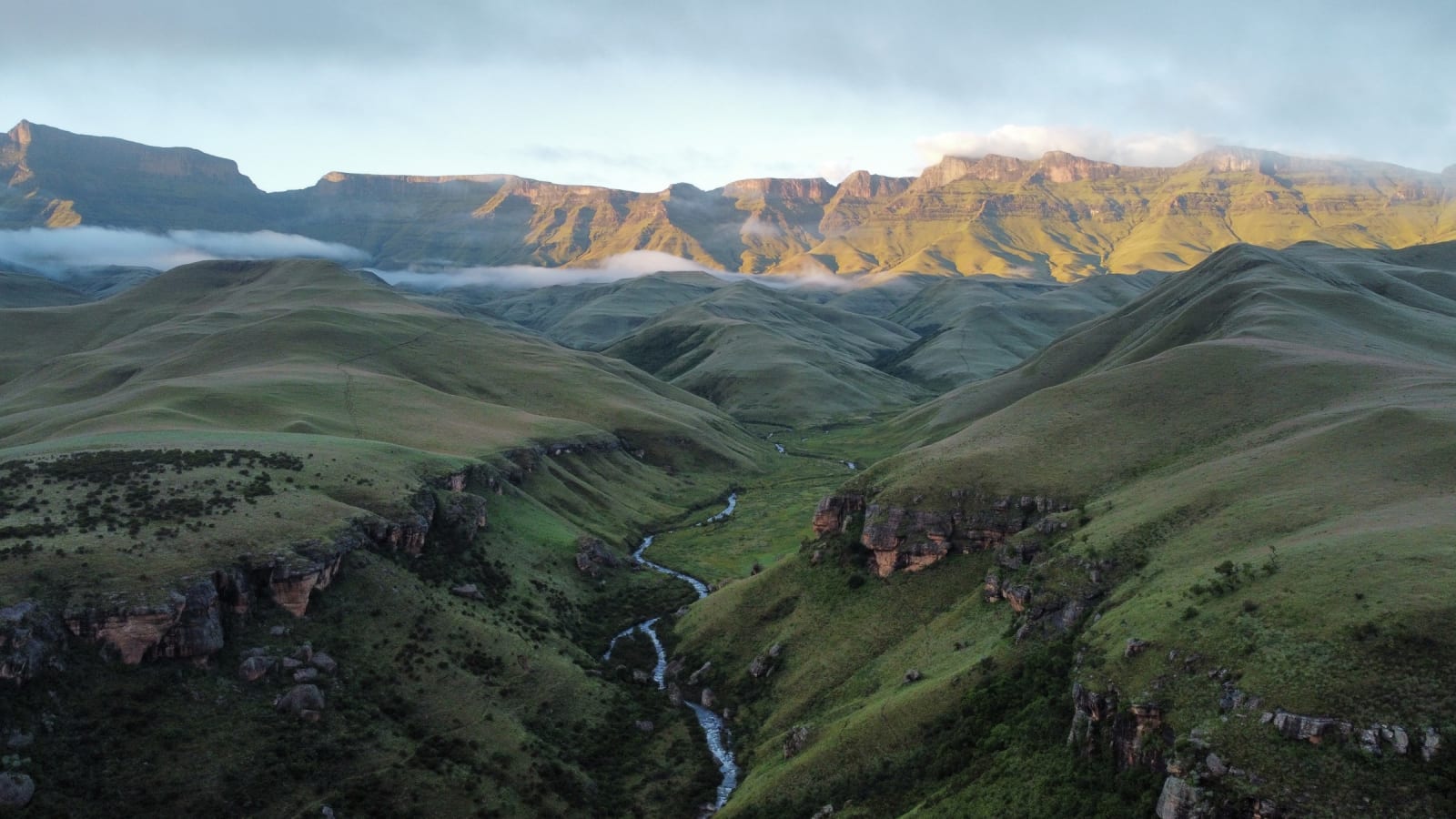
uKhahlamba-Drakensberg Park
Yellow-breasted Pipit : espèce observée ici

KwaZulu-Natal
Observé régulièrement · Accueillant pour les ornithologues

Benguela Cove, Hermanus

Accueillant pour les ornithologues

Oudtshoorn


Kruger National Park
Accueillant pour les ornithologues

Riebeek Valley, Riebeek West
Accueillant pour les ornithologues

Hazyview


Klapmuts, Simondium

Franschhoek


Gardens, Cape Town

Timbavati Private Nature Reserve

Bakoven, Cape Town

Prochaine étape
Sandstone amphitheatres and cool mountain air
Voir les hébergements engagésPréparer un voyage
Yellow-breasted Pipit : signalé par des hôtes dans ou près de uKhahlamba-Drakensberg Park, Giants Castle Game Reserve and Kamberg Nature Reserve.
Conduire soi-même
Votre véhicule et votre rythme, sur les routes du parc.
Parcs où l’espèce est signalée
Liste rouge de l’UICN
Vulnerable
Espèce
Hemimacronyx chloris
Observations
60
observations iNaturalist
Chaque réservation sur Spekboom soutient la conservation.
Une observation signifie qu’un hôte a vu l’espèce Yellow-breasted Pipit sur place ou à proximité. Ce n’est jamais une garantie de la voir.
Hosts on Spekboom have recorded the Yellow-breasted Pipit at stays in or beside uKhahlamba-Drakensberg Park, Giants Castle Game Reserve, Kamberg Nature Reserve and Royal Natal National Park. A record means a host has seen it on the property or nearby, which makes these the places to base yourself; it is never a guarantee of a sighting on any given day.
The Yellow-breasted Pipit is most recorded in KwaZulu-Natal (47% of records), Mpumalanga (37% of records), Eastern Cape (8% of records), based on 60 iNaturalist observations. 14 places to stay on Spekboom in South Africa have recorded the Yellow-breasted Pipit on site or nearby.
Sightings of the Yellow-breasted Pipit peak from Oct to Feb, based on 60 iNaturalist records. You may still see it outside those months, sightings are just less frequent.
The Yellow-breasted Pipit (Hemimacronyx chloris) is listed as Vulnerable on the IUCN Red List.
The yellow-breasted pipit is a species of bird in the pipit and wagtail family Motacillidae. It is found in Lesotho and South Africa. Its natural habitats are subtropical or tropical high-altitude grassland, arable land, and pastureland. It is threatened by habitat loss.