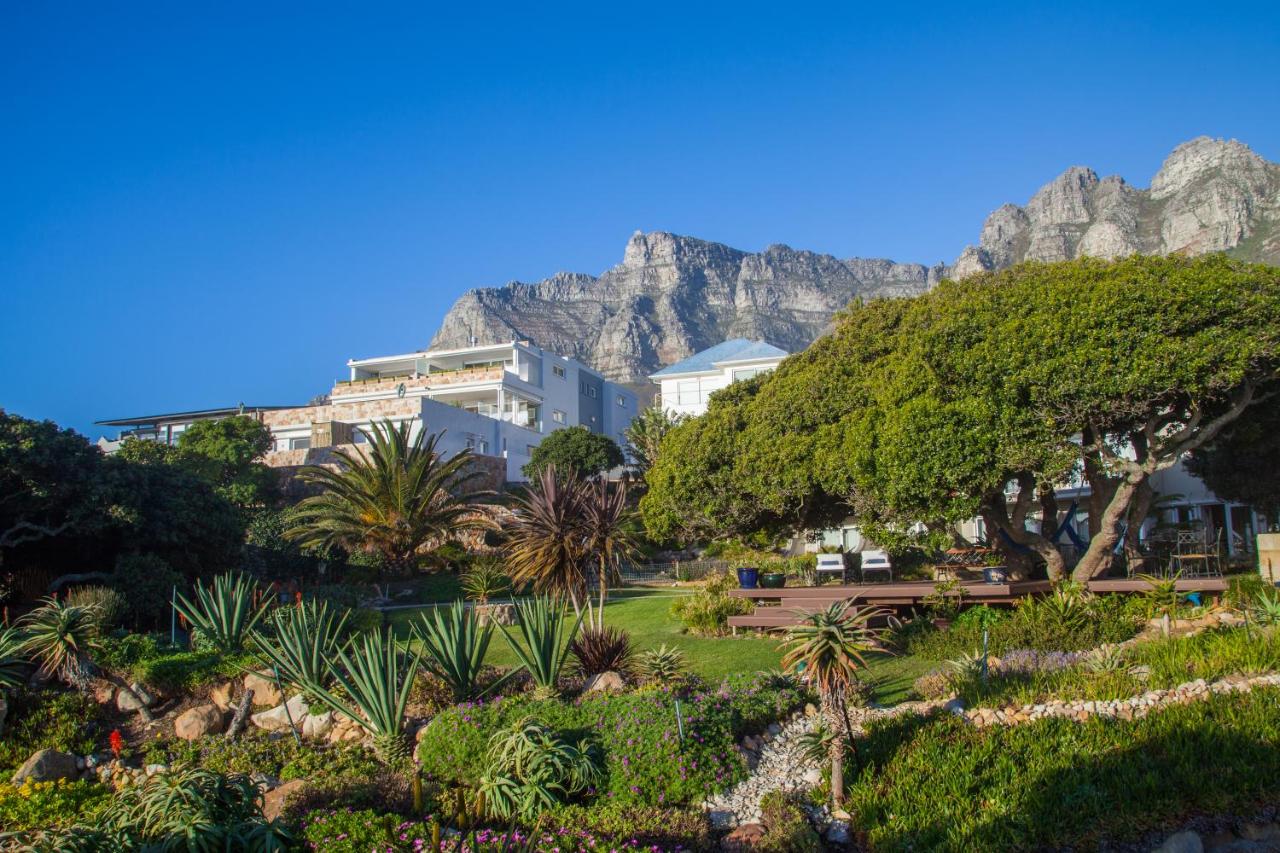

Ocean View House
Bakoven, Cape Town
From R 1,500a night
Across South Africa
Bakoven, Cape Town

Franschhoek


Swellendam

Constantia, Cape Town

Montagu

Simon's Town, Cape Town


Vredehoek, Cape Town


Constantia, Cape Town

Stellenbosch

Noordhoek, Cape Town

Tamboerskloof, Cape Town
Stellenbosch
Swellendam
Swellendam

Stellenbosch

Paarl

Greyton

Camps Bay, Cape Town

Vredehoek, Cape Town

Stellenbosch

De Waterkant, Cape Town

Constantia, Cape Town

Newlands, Cape Town

Bishopscourt, Cape Town

Next stop
Mountain, ocean, and fynbos within reach of the city
See places that give backHike the mountains the Cape leopard lives in, and fund the people who study and protect it. The Cape Leopard Trust works across the Cederberg, the Boland and the Overberg mountains, where a small, shy leopard survives in the fynbos and the kloofs. You are very unlikely to see one; the camera traps do that. But every stay on this page sends a share of its booking commission to the Trust, and the walking is some of the best in the country.
The stays sit at the foot of the trails: Cederberg farms and cottages, Winelands estates below the Jonkershoek and Hottentots Holland peaks, Overberg and Little Karoo villages under the Langeberg and the Swartberg. Autumn and spring are the seasons, cool and clear; winter brings rain and snow on the high ground; summer is hot, so walk early.
Pair the hiking with wine tasting, stargazing in the Cederberg, or a Cape Dutch village stay.
A share of the host's commission on every booking goes to the Trust, which runs research, camera-trap monitoring, conservation and environmental education across the Cape mountains. Guests pay no service fee.
Almost certainly not, and that is normal. Cape leopards are small, solitary and wary, and are known mostly through camera traps and tracks. Sightings are never promised anywhere on Spekboom. What you will see is the mountain fynbos the leopards depend on.
Autumn (March to May) and spring (September to November) for cool, clear days and, in spring, the flowers. Winter is wet in the Boland and can bring snow to the peaks. Summer is hot; start early and carry water. Some trails require a permit, which your host can advise on.