
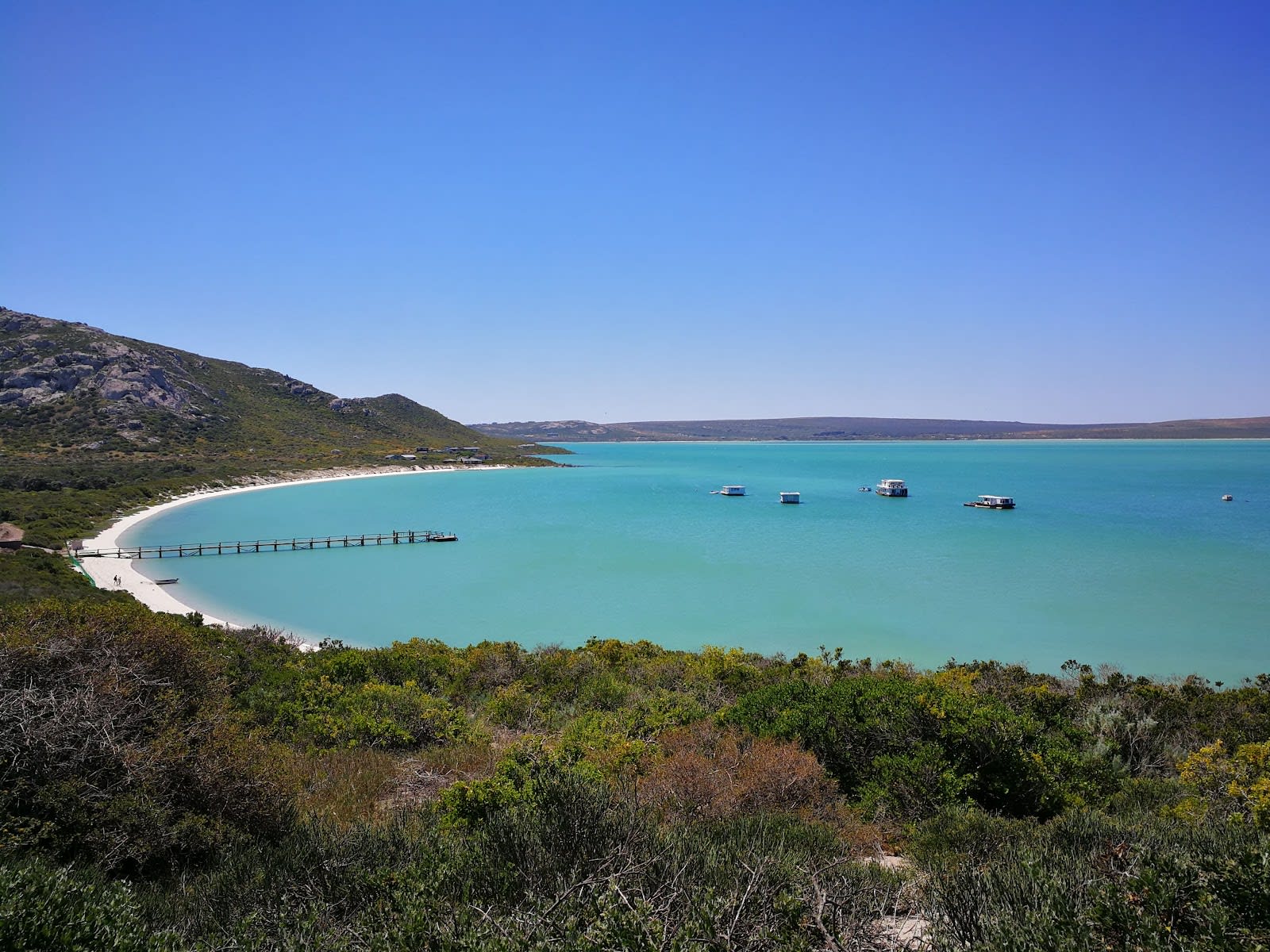
West Coast National Park
Western Cape · Best Sep to Apr
1 lugar

The grey-headed albatross (Thalassarche chrysostoma) also known as the grey-headed mollymawk, is a large seabird from the albatross family.
Por todo o Cabo Ocidental
West Coast National Park
Grey-headed Albatross: registrado aqui

Benguela Cove, Hermanus

Observação de aves

Oudtshoorn


Wittedrift, Plettenberg Bay


Riebeek Valley, Riebeek West

Observação de aves

Gardens, Cape Town

Klapmuts, Simondium

Bakoven, Cape Town

Swellendam


Franschhoek

Stanford
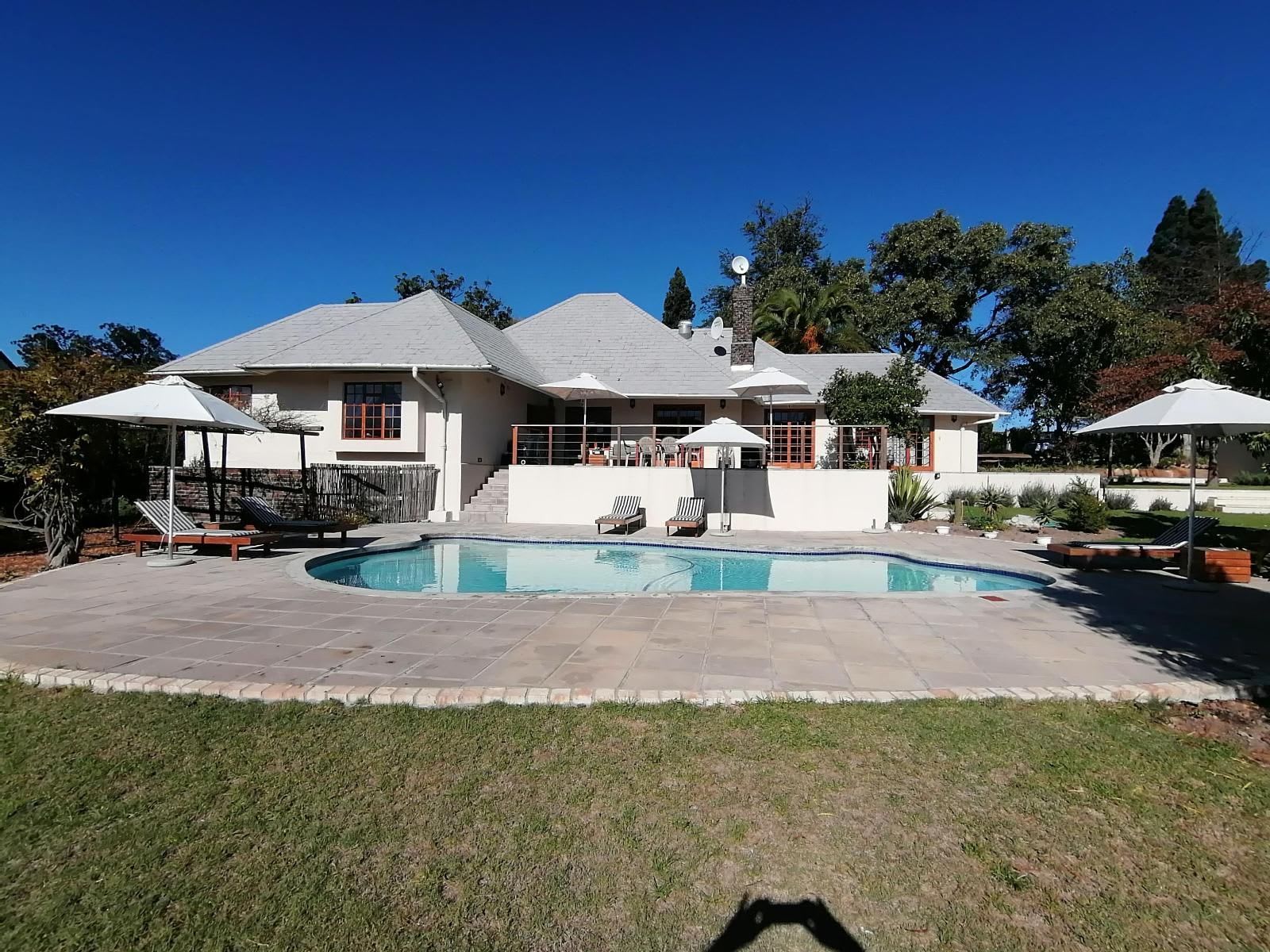
Stellenbosch

Stanford
Observação de aves

The Crags, Plettenberg Bay

Voëlklip, Hermanus

Somerset West


Franschhoek

Prince Albert

Simon's Town, Cape Town


Franschhoek

Constantia, Cape Town
Constantia, Cape Town

Calitzdorp

Stanford

Próxima paragem
Southern right whales, sea cliffs, and Hermanus's harbour town
Ver lugares que retribuemPlanejando uma viagem
Os anfitriões registraram esta espécie (Grey-headed Albatross) em hospedagens dentro ou ao lado de West Coast National Park.
Dirija por conta própria
Seu próprio veículo e seu próprio ritmo, nas estradas do parque.
Onde os anfitriões registram
Lista Vermelha da IUCN
Endangered
Espécie
Thalassarche chrysostoma
Cada reserva no Spekboom apoia a conservação.
Um registro significa que um anfitrião avistou esta espécie (Grey-headed Albatross) na propriedade ou nas proximidades. Nunca é garantia de avistamento.
Hosts on Spekboom have recorded the Grey-headed Albatross at stays in or beside West Coast National Park. A record means a host has seen it on the property or nearby, which makes these the places to base yourself; it is never a guarantee of a sighting on any given day.
The Grey-headed Albatross (Thalassarche chrysostoma) is listed as Endangered on the IUCN Red List.
The grey-headed albatross (Thalassarche chrysostoma) also known as the grey-headed mollymawk, is a large seabird from the albatross family. It has a circumpolar distribution, nesting on isolated islands in the Southern Ocean and feeding at high latitudes, further south than any of the other mollymawks. Its name derives from its ashy-grey head, throat and upper neck.