
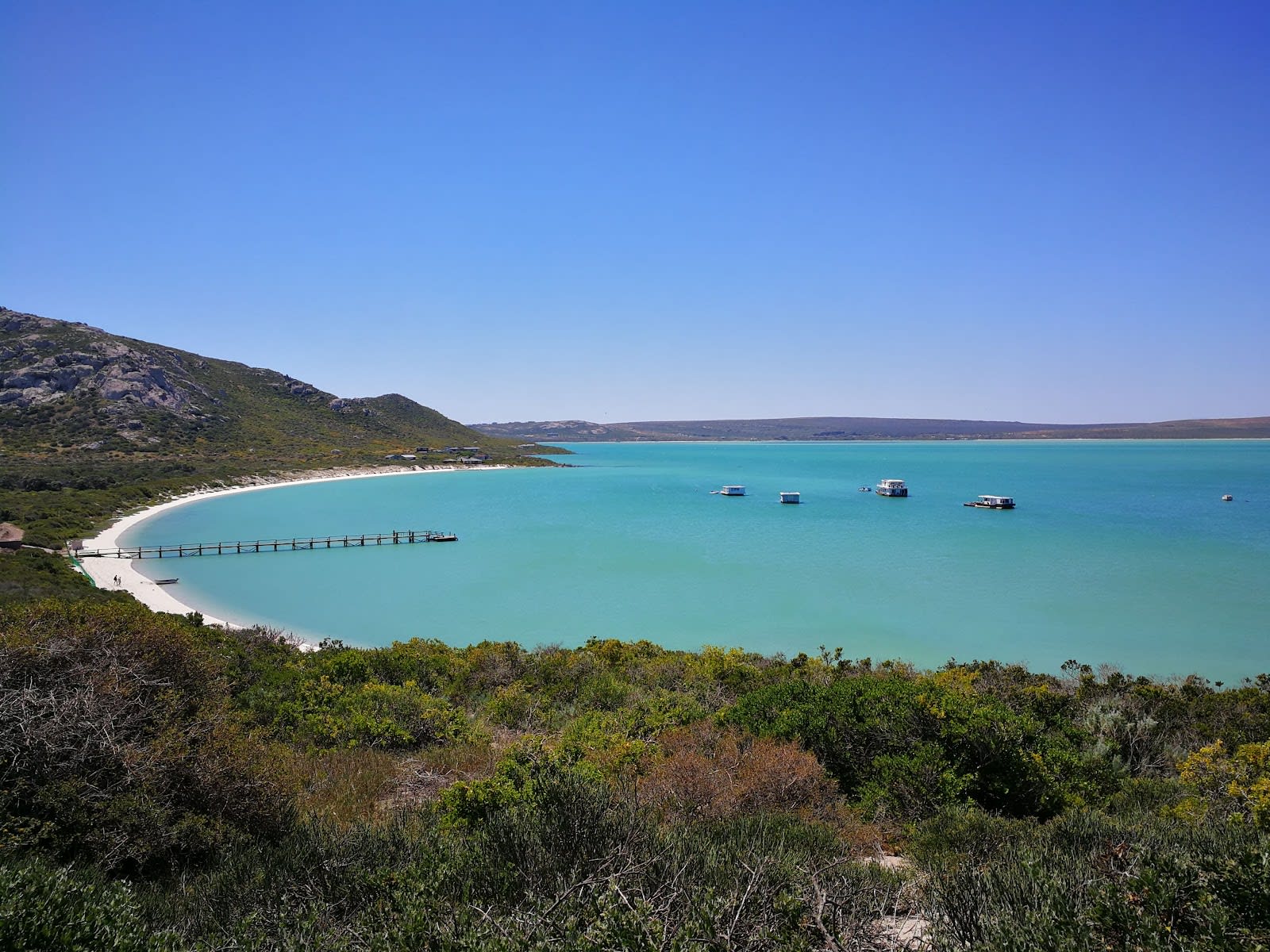
West Coast National Park
Western Cape · Best Sep to Apr
1 plek

The grey-headed albatross (Thalassarche chrysostoma) also known as the grey-headed mollymawk, is a large seabird from the albatross family.
Regoor die Wes-Kaap
West Coast National Park
Grey-headed Albatross hier aangeteken

Benguela Cove, Hermanus

Voëlkykervriendelik

Oudtshoorn


Wittedrift, Plettenberg Bay


Riebeek Valley, Riebeek West

Voëlkykervriendelik

Gardens, Cape Town

Klapmuts, Simondium

Bakoven, Cape Town

Swellendam


Franschhoek

Stanford
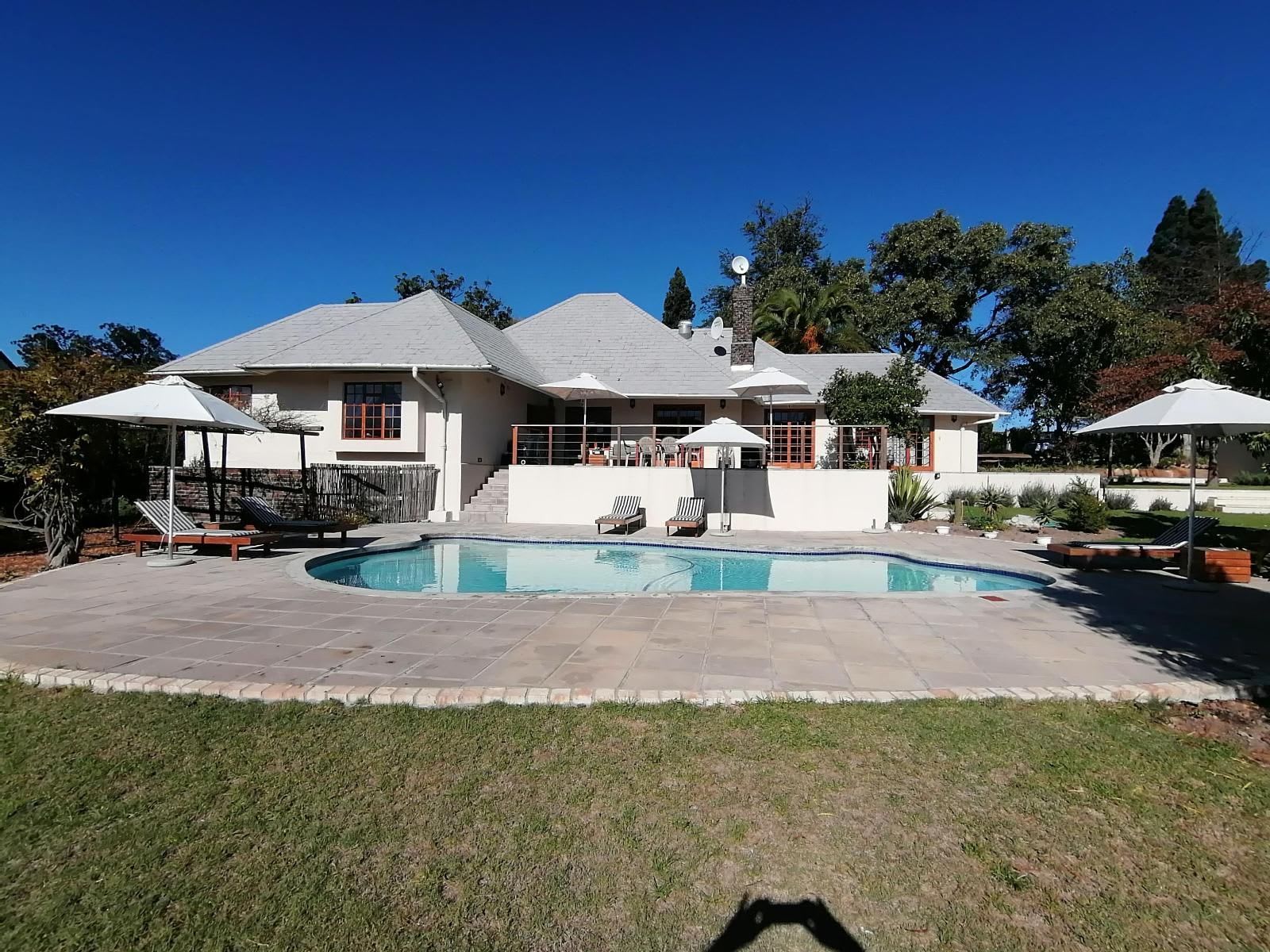
Stellenbosch


Stanford
Voëlkykervriendelik

The Crags, Plettenberg Bay

Voëlklip, Hermanus

Somerset West


Franschhoek

Prince Albert

Simon's Town, Cape Town


Franschhoek

Constantia, Cape Town
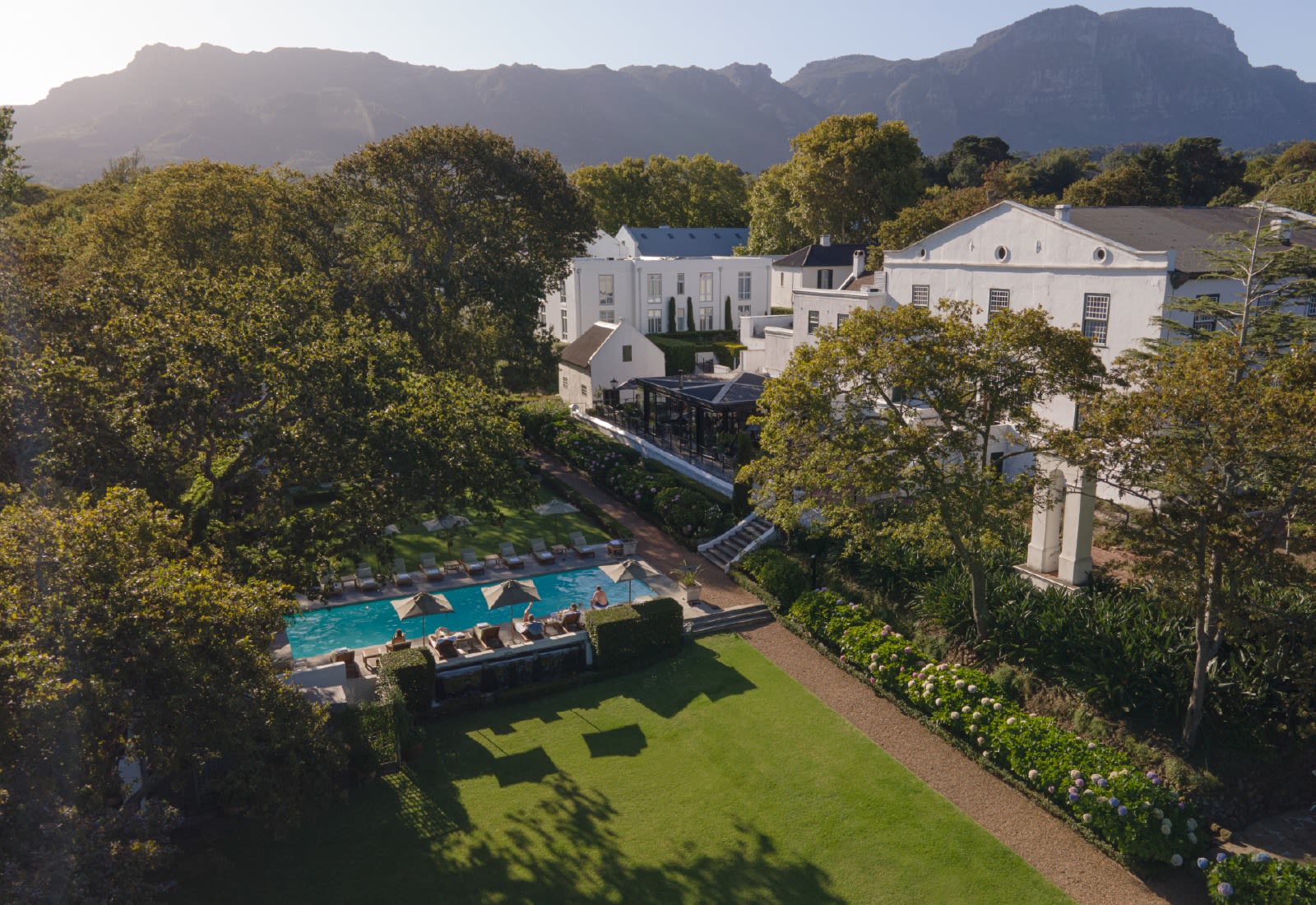
Constantia, Cape Town

Calitzdorp

Stanford

Volgende stop
Southern right whales, sea cliffs, and Hermanus's harbour town
Sien plekke wat teruggeeBeplan ’n reis
Gashere het die Grey-headed Albatross gesien by verblyfplekke in of langs West Coast National Park.
Ry self
Jou eie voertuig en pas, op die park se paaie.
Waar gashere dit aanteken
IUBN Rooi Lys
Endangered
Spesie
Thalassarche chrysostoma
Elke bespreking op Spekboom ondersteun bewaring.
’n Waarneming beteken dat ’n gasheer die Grey-headed Albatross op die eiendom of naby gesien het. Dit waarborg nooit dat jy dit sal sien nie.
Hosts on Spekboom have recorded the Grey-headed Albatross at stays in or beside West Coast National Park. A record means a host has seen it on the property or nearby, which makes these the places to base yourself; it is never a guarantee of a sighting on any given day.
The Grey-headed Albatross (Thalassarche chrysostoma) is listed as Endangered on the IUCN Red List.
The grey-headed albatross (Thalassarche chrysostoma) also known as the grey-headed mollymawk, is a large seabird from the albatross family. It has a circumpolar distribution, nesting on isolated islands in the Southern Ocean and feeding at high latitudes, further south than any of the other mollymawks. Its name derives from its ashy-grey head, throat and upper neck.