
Cederberg Wilderness Area
Western Cape · Best Sep to Apr
9 lugares

The African paradise flycatcher (Terpsiphone viridis) is a medium-sized passerine bird with a very long tail.
Most records Nov to Dec
When African Paradise Flycatcher sightings peak, from open records. Outside these months it is seen less often, not never.
Curve from 1,971 national iNaturalist observations, not from one property and not from this province. Single-month spikes are discarded as upload artefacts, and below 50 records we show no curve at all.
Western Cape and beyond
Provinces where African Paradise Flycatcher is most recorded. Tap one to find places to stay.
1,971 records, iNaturalist
Por todo o Cabo Ocidental

Oudtshoorn · A partir de R 5,060 por noite

Avistado com frequência · Observação de aves

Robertson · A partir de R 1,155 por noite

Avistado com frequência · Observação de aves

Riebeek Valley, Riebeek West · A partir de R 5,636 por noite

Avistado com frequência · Observação de aves

Hunter's Home, Knysna · A partir de R 2,310 por noite

Avistado com frequência · Observação de aves

Swartberg Nature Reserve · A partir de R 630 por noite
African Paradise Flycatcher: registrado aqui

Klapmuts, Simondium · Preço sob consulta
African Paradise Flycatcher: registrado aqui

Pringle Bay · A partir de R 4,640 por noite
African Paradise Flycatcher: registrado aqui

Marloth Nature Reserve · A partir de R 1,180 por noite
African Paradise Flycatcher: registrado aqui
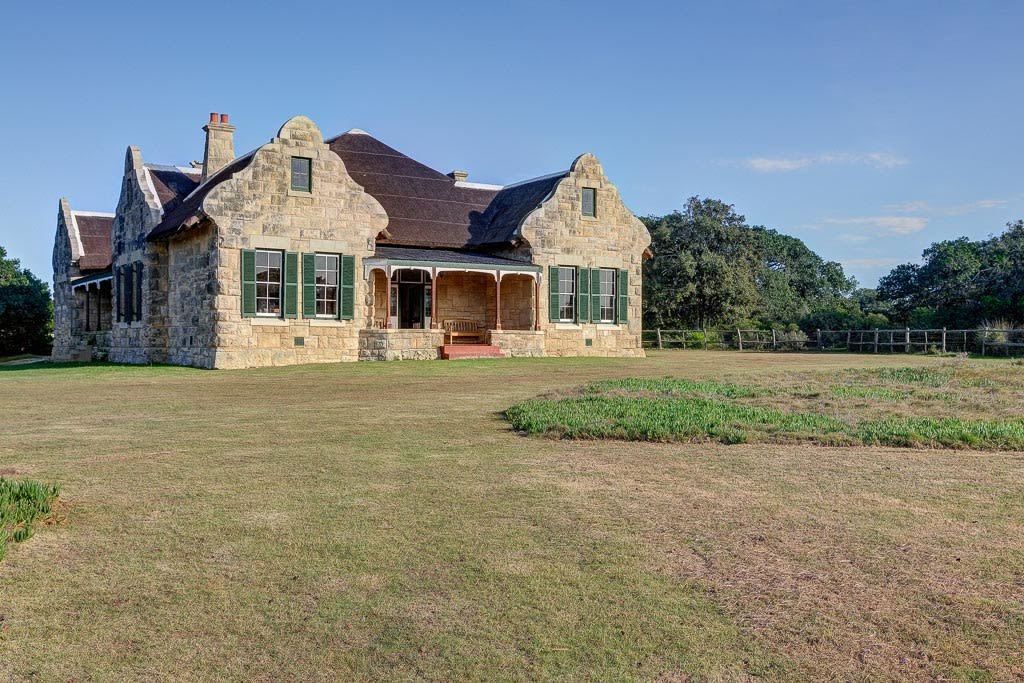
De Hoop Nature Reserve · Preço sob consulta
Avistado com frequência · Observação de aves

Limietberg Nature Reserve · A partir de R 220 por noite
African Paradise Flycatcher: registrado aqui

Groot Winterhoek Wilderness Area · A partir de R 680 por noite
African Paradise Flycatcher: registrado aqui
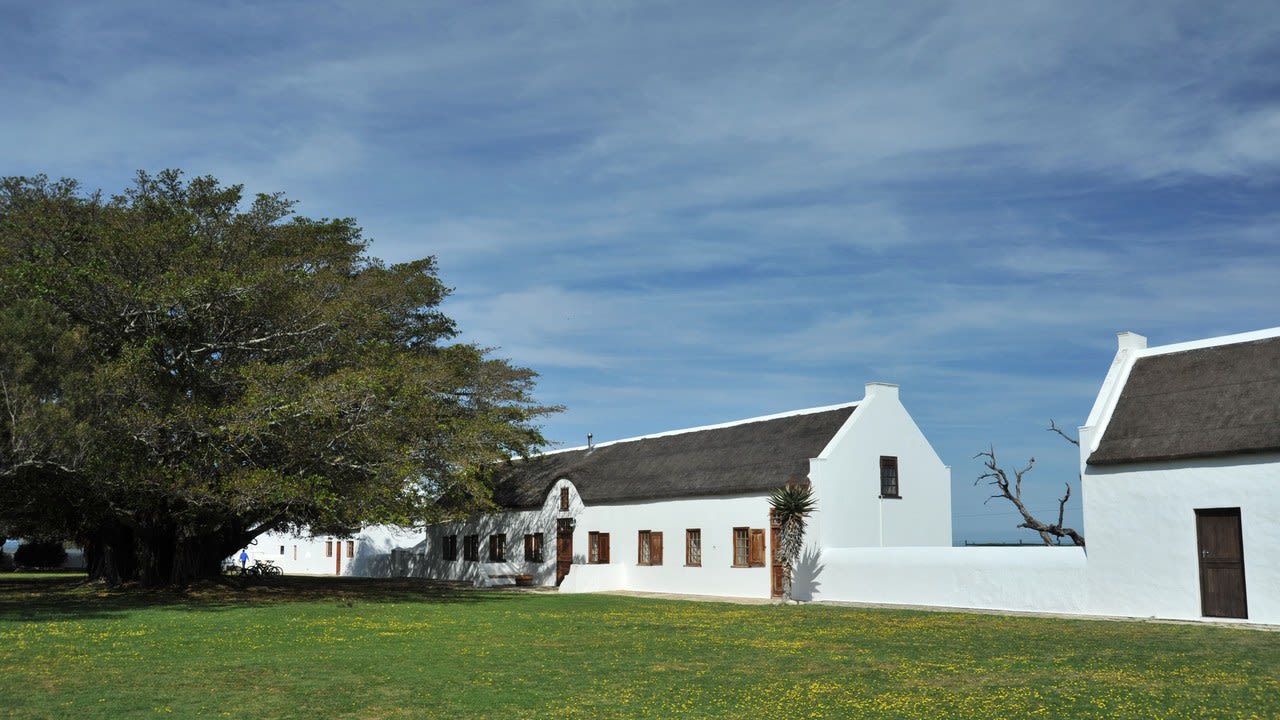
De Hoop Nature Reserve · Preço sob consulta
Avistado com frequência · Observação de aves
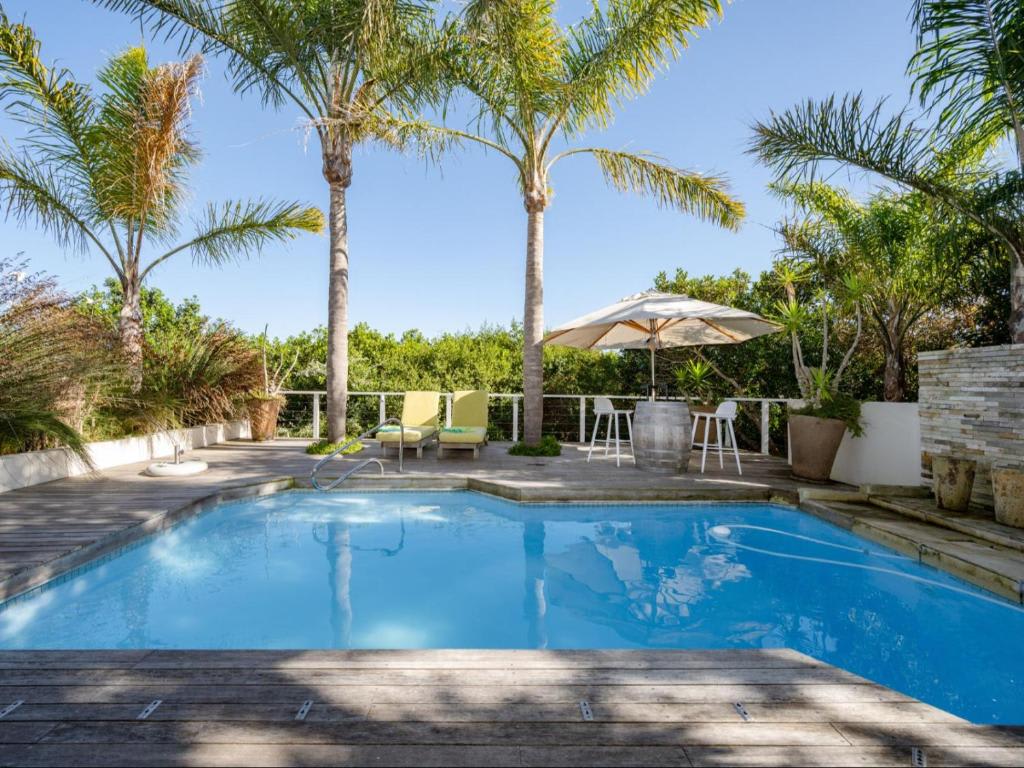
Keurbooms River Nature Reserve · A partir de R 2,170 por noite
African Paradise Flycatcher: registrado aqui

Hottentots Holland Nature Reserve · A partir de R 680 por noite
African Paradise Flycatcher: registrado aqui

Robberg Nature Reserve · A partir de R 1,560 por noite
African Paradise Flycatcher: registrado aqui

Cederberg Wilderness Area · A partir de R 180 por noite
African Paradise Flycatcher: registrado aqui

Grootvadersbosch Nature Reserve · A partir de R 300 por noite
African Paradise Flycatcher: registrado aqui

Grootvadersbosch Nature Reserve · A partir de R 1,460 por noite
African Paradise Flycatcher: registrado aqui

Kogelberg Nature Reserve · A partir de R 1,590 por noite
African Paradise Flycatcher: registrado aqui

Kogelberg Nature Reserve · A partir de R 1,730 por noite
African Paradise Flycatcher: registrado aqui

Vrolijkheid Nature Reserve · A partir de R 1,750 por noite
African Paradise Flycatcher: registrado aqui

Vrolijkheid Nature Reserve · A partir de R 1,750 por noite
African Paradise Flycatcher: registrado aqui
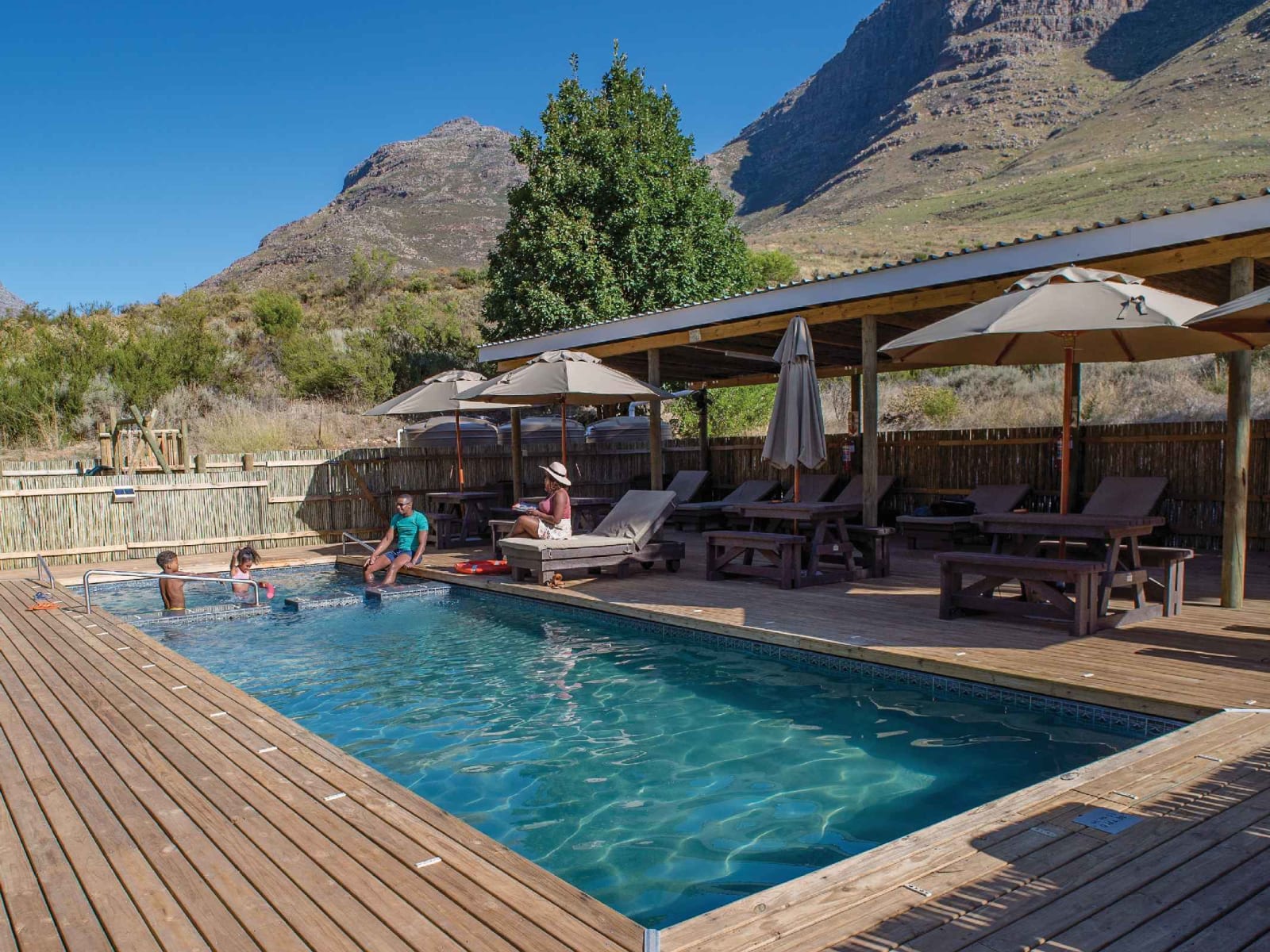
Cederberg Wilderness Area · A partir de R 1,990 por noite
African Paradise Flycatcher: registrado aqui

Grootvadersbosch Nature Reserve · A partir de R 1,780 por noite
African Paradise Flycatcher: registrado aqui

Próxima paragem
Southern right whales, sea cliffs, and Hermanus's harbour town
Ver lugares que retribuemPlanejando uma viagem
Os anfitriões registraram esta espécie (African Paradise Flycatcher) em hospedagens dentro ou ao lado de Cederberg Wilderness Area, Goukamma Nature Reserve and De Hoop Nature Reserve.
Dirija por conta própria
Seu próprio veículo e seu próprio ritmo, nas estradas do parque.
Onde os anfitriões registram
Espécie
Terpsiphone viridis
Registros
1,971
Observações no iNaturalist
Cada reserva no Spekboom apoia a conservação.
Um registro significa que um anfitrião avistou esta espécie (African Paradise Flycatcher) na propriedade ou nas proximidades. Nunca é garantia de avistamento.
Hosts on Spekboom have recorded the African Paradise Flycatcher at stays in or beside Cederberg Wilderness Area, Goukamma Nature Reserve, De Hoop Nature Reserve, Grootvadersbosch Nature Reserve, Kogelberg Nature Reserve and Vrolijkheid Nature Reserve and other reserves. A record means a host has seen it on the property or nearby, which makes these the places to base yourself; it is never a guarantee of a sighting on any given day.
The African Paradise Flycatcher is most recorded in Western Cape (38% of records), KwaZulu-Natal (27% of records), Limpopo (10% of records), based on 1,971 iNaturalist observations. 44 places to stay on Spekboom in Western Cape have recorded the African Paradise Flycatcher on site or nearby.
Sightings of the African Paradise Flycatcher peak from Nov to Dec, based on 1,971 iNaturalist records. You may still see it outside those months, sightings are just less frequent.
The African paradise flycatcher (Terpsiphone viridis) is a medium-sized passerine bird with a very long tail. It is a common resident breeder in Africa south of the Sahara Desert. The male is boldly coloured in chestnut and black and the female is rather more drab. This bird feeds mainly on insects and builds a tiny cup nest in a tree where two or three eggs are laid.

