Kruger National Park
Limpopo · Best Apr to Sep
42 lugares

The lappet-faced vulture or Nubian vulture (Torgos tracheliotos) is an Old World vulture belonging to the bird order Accipitriformes, which also includes eagles, kites, buzzards and hawks.
Recorded year-round
Recorded in every month, so no month is the wrong month to look. We would rather say that than invent a best time.
Curve from 682 national iNaturalist observations, not from one property. Single-month spikes are discarded as upload artefacts, and below 50 records we show no curve at all.
Mpumalanga and beyond
Provinces where Lappet-faced Vulture is most recorded. Tap one to find places to stay.
682 records, iNaturalist
Por todo o África do Sul

Kruger National Park

Avistado com frequência · Observação de aves

Mkuze
Avistado com frequência · Observação de aves

Kruger National Park
Avistado com frequência · Observação de aves

Kruger National Park
Avistado com frequência · Observação de aves

Kruger National Park
Avistado com frequência · Observação de aves

Timbavati Private Nature Reserve
Lappet-faced Vulture: registrado aqui

Kruger National Park
Lappet-faced Vulture: registrado aqui
Kruger National Park

Lappet-faced Vulture: registrado aqui

Hluhluwe-Imfolozi Park

Lappet-faced Vulture: registrado aqui

Kruger National Park
Lappet-faced Vulture: registrado aqui

Sabi Sand Game Reserve

Lappet-faced Vulture: registrado aqui

Kruger National Park
Lappet-faced Vulture: registrado aqui

Kruger National Park
Lappet-faced Vulture: registrado aqui

Kruger National Park
Lappet-faced Vulture: registrado aqui

Welgevonden Game Reserve
Lappet-faced Vulture: registrado aqui

Kruger National Park
Lappet-faced Vulture: registrado aqui

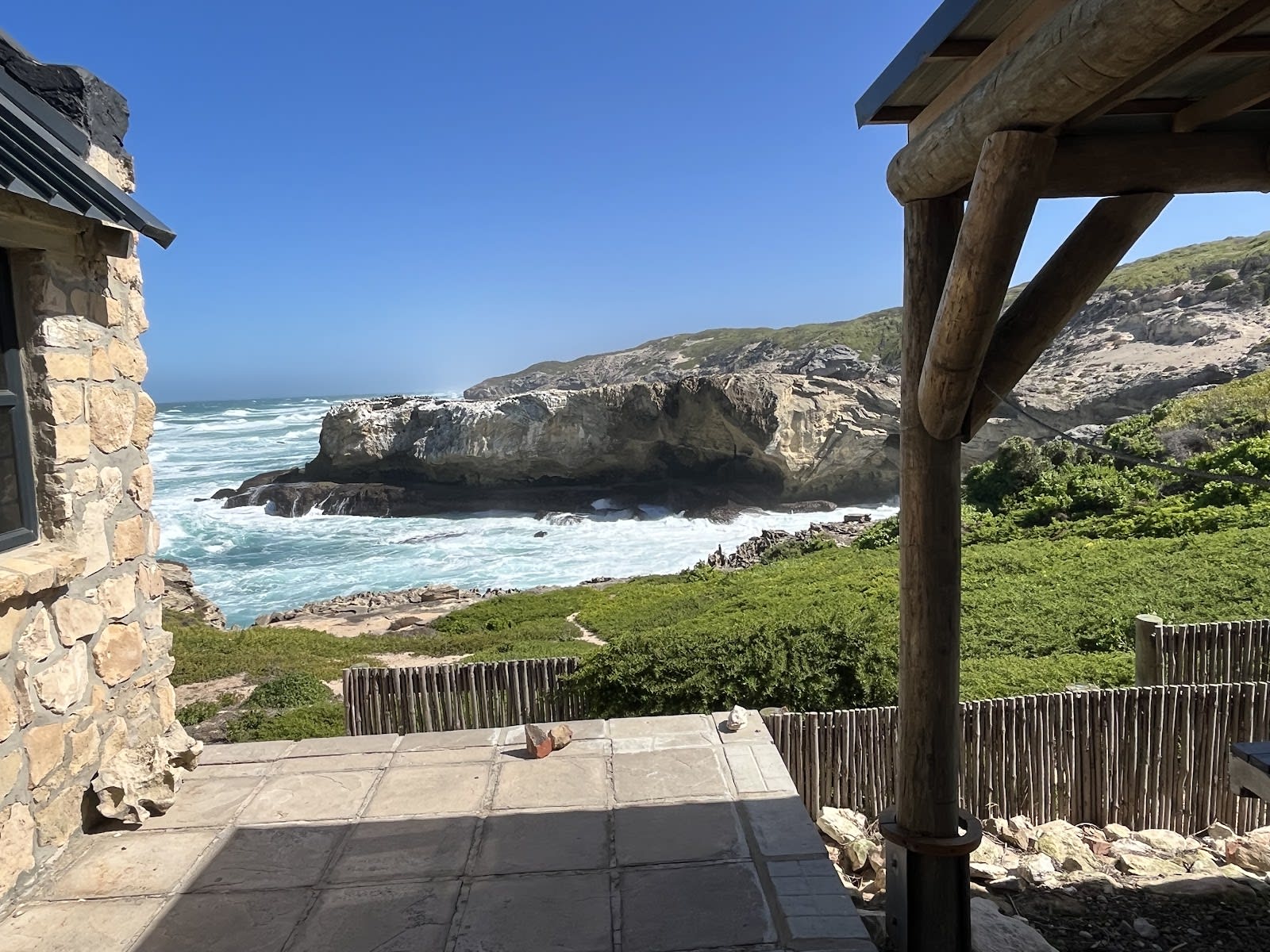
De Hoop Nature Reserve
Lappet-faced Vulture: registrado aqui

Kruger National Park
Lappet-faced Vulture: registrado aqui

Kgalagadi Transfrontier Park
Lappet-faced Vulture: registrado aqui

Ai-Ais/Richtersveld Transfrontier Park
Lappet-faced Vulture: registrado aqui

Kruger National Park
Lappet-faced Vulture: registrado aqui

Kruger National Park
Lappet-faced Vulture: registrado aqui

Kgalagadi Transfrontier Park
Lappet-faced Vulture: registrado aqui

Kruger National Park
Lappet-faced Vulture: registrado aqui

Próxima paragem
Bushveld game country and the southern gates of the Kruger
Ver lugares que retribuemPlanejando uma viagem
Os anfitriões registraram esta espécie (Lappet-faced Vulture) em hospedagens dentro ou ao lado de Kruger National Park, Kgalagadi Transfrontier Park and De Hoop Nature Reserve.
Kruger · Mapungubwe · Timbavati

Kgalagadi · Ai-Ais/Richtersveld · Mokala
Hluhluwe-Imfolozi · iSimangaliso Wetland · Ithala

De Hoop
Dirija por conta própria
Seu próprio veículo e seu próprio ritmo, nas estradas do parque.
Onde os anfitriões registram
Lista Vermelha da IUCN
Endangered
Espécie
Torgos tracheliotos
Registros
682
Observações no iNaturalist
Cada reserva no Spekboom apoia a conservação.
Um registro significa que um anfitrião avistou esta espécie (Lappet-faced Vulture) na propriedade ou nas proximidades. Nunca é garantia de avistamento.
Hosts on Spekboom have recorded the Lappet-faced Vulture at stays in or beside Kruger National Park, Kgalagadi Transfrontier Park, De Hoop Nature Reserve, Ai-Ais/Richtersveld Transfrontier Park, Hluhluwe-Imfolozi Park and Mapungubwe National Park and other reserves. A record means a host has seen it on the property or nearby, which makes these the places to base yourself; it is never a guarantee of a sighting on any given day.
The Lappet-faced Vulture is most recorded in Mpumalanga (53% of records), Limpopo (24% of records), Northern Cape (14% of records), based on 682 iNaturalist observations. 82 places to stay on Spekboom in South Africa have recorded the Lappet-faced Vulture on site or nearby.
The Lappet-faced Vulture is recorded throughout the year, so no month is the wrong month to look for it. For the parks where hosts record it most, these are the best seasons they give. Kruger National Park: Apr-Sep; Kgalagadi Transfrontier Park: Aug-Oct, flowers, Mar-May; De Hoop Nature Reserve: Sep-Apr, flowers Aug-Oct; Hluhluwe-Imfolozi Park: year-round, dry season May-Sep. In the dry months animals concentrate at water and the grass is short.
The Lappet-faced Vulture (Torgos tracheliotos) is listed as Endangered on the IUCN Red List.
The lappet-faced vulture or Nubian vulture (Torgos tracheliotos) is an Old World vulture belonging to the bird order Accipitriformes, which also includes eagles, kites, buzzards and hawks. It is the only member of the genus Torgos. It is not closely related to the superficially similar New World vultures, and does not share the good sense of smell of some members of that group.