
Goukamma Nature Reserve
Western Cape · Year-round
4 plekken

Wildlife
The caracal (Caracal caracal) is a medium-sized wild cat native to Africa, the Middle East, Central Asia and India.
Recorded year-round
Recorded in every month, so no month is the wrong month to look. We would rather say that than invent a best time.
Curve from 1,533 national iNaturalist observations, not from one property and not from this province. Single-month spikes are discarded as upload artefacts, and below 50 records we show no curve at all.
Western Cape and beyond
Provinces where Caracal is most recorded. Tap one to find places to stay.
1,533 records, iNaturalist
Door heel West-Kaap

Benguela Cove, Hermanus
Caracal hier waargenomen · Fynbos-bioom · Southern right whale · Caracal
Steunt Walker Bay Fynbos Conservancy en 1 ander goed doel
Vanaf R 29,981 per nacht

Touws River
Caracal hier waargenomen · Fynbos-bioom · Giraffe · Leopard
Steunt Saving Private Rhino
Vanaf R 7,820 per nacht

Oudtshoorn
Caracal hier waargenomen · Fynbos-bioom · Gemsbok · Greater kudu
Steunt Wolwekraal Nature Reserve
Vanaf R 5,060 per nacht
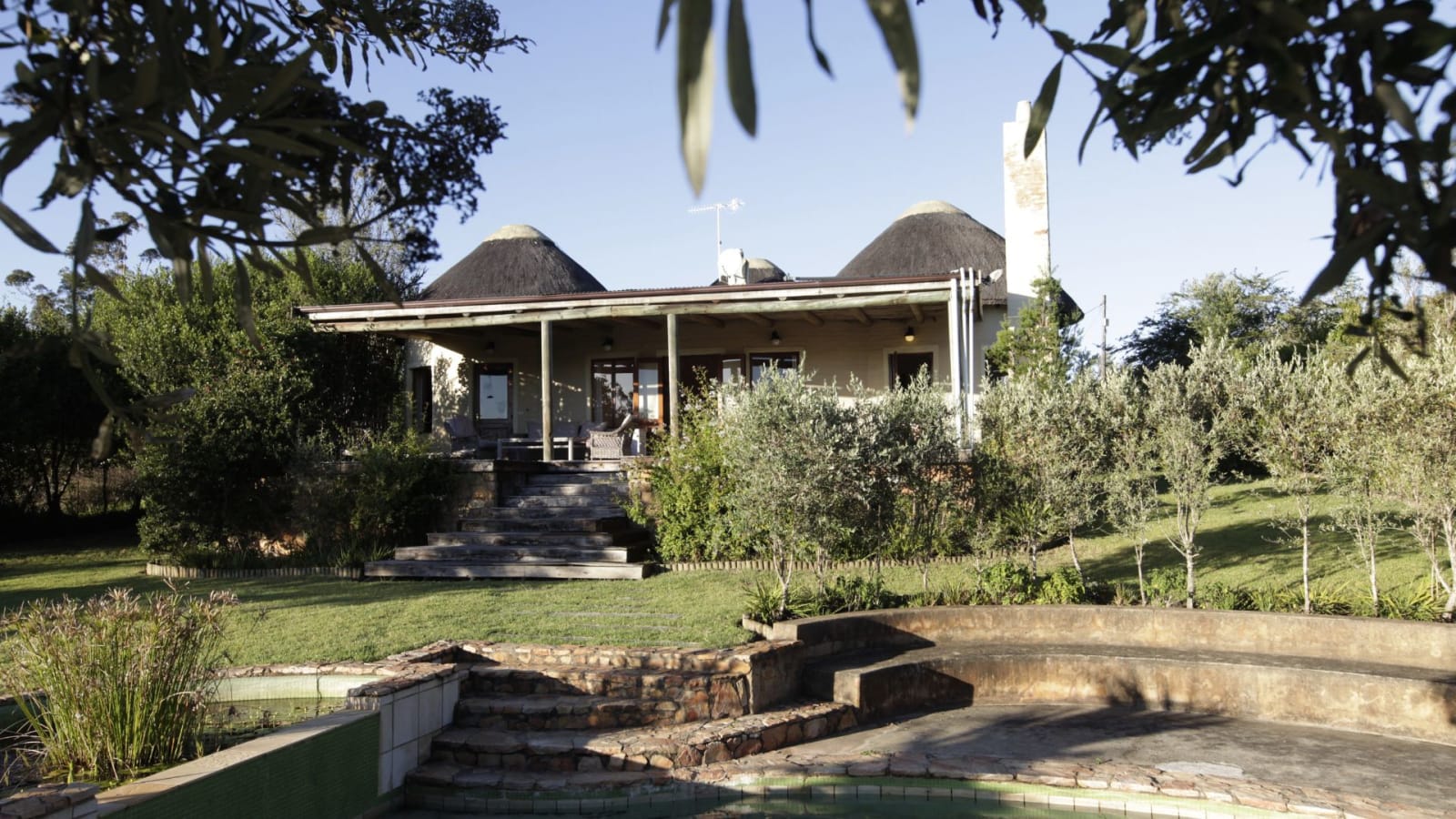
Rheenendal, Knysna
Caracal hier waargenomen · Fynbos-bioom · Bushbuck · Caracal
Steunt National Sea Rescue Institute
Vanaf R 2,000 per nacht

Goukamma Nature Reserve
Caracal hier waargenomen · Fynbos-bioom · Bushbuck · Bushpig
Vanaf R 1,380 per nacht

Stanford
Caracal hier waargenomen · Fynbos-bioom · White milkwood · Southern right whale
Steunt Walker Bay Fynbos Conservancy
Prijs op aanvraag

Goukamma Nature Reserve
Caracal hier waargenomen · Fynbos-bioom · Bushbuck · Bushpig
Vanaf R 1,580 per nacht
Goukamma Nature Reserve
Caracal hier waargenomen · Fynbos-bioom · Bushbuck · Bushpig
Vanaf R 1,580 per nacht

Western Cape
Caracal hier waargenomen · Fynbos-bioom · Cape fox · Caracal
Steunt Saving Private Rhino
Prijs op aanvraag

Goukamma Nature Reserve
Caracal hier waargenomen · Fynbos-bioom · Bushbuck · Bushpig
Vanaf R 1,410 per nacht

Table Mountain National Park
Caracal hier waargenomen · Fynbos-bioom · King protea · Sugarbush
Vanaf R 965 per nacht

Western Cape
Caracal hier waargenomen · Succulente Karoo-bioom · Black wildebeest · Black backed jackal
Steunt Saving Private Rhino
Prijs op aanvraag

Table Mountain National Park
Caracal hier waargenomen · Fynbos-bioom · King protea · Sugarbush
Vanaf R 4,009 per nacht

Table Mountain National Park
Caracal hier waargenomen · Fynbos-bioom · King protea · Sugarbush
Vanaf R 770 per nacht
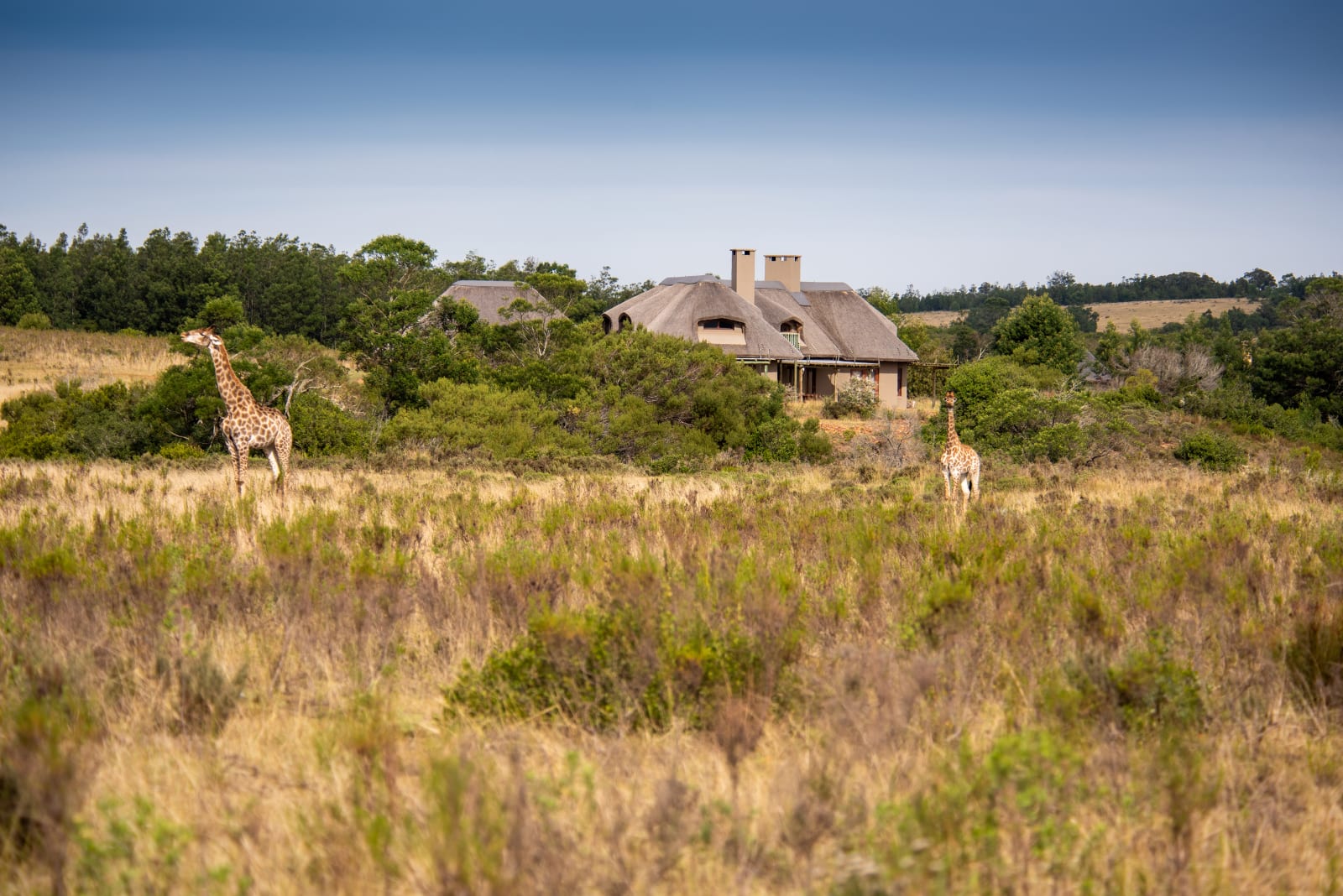
Gondwana Game Reserve
Caracal hier waargenomen · Fynbos-bioom · Leopard · Lion
Steunt Endangered Wildlife Trust
Prijs op aanvraag

Table Mountain National Park
Caracal hier waargenomen · Fynbos-bioom · Bontebok · King protea
Vanaf R 4,859 per nacht

Garden Route National Park
Caracal hier waargenomen · Fynbos-bioom · Bushbuck · Outeniqua yellowwood
Vanaf R 287 per nacht
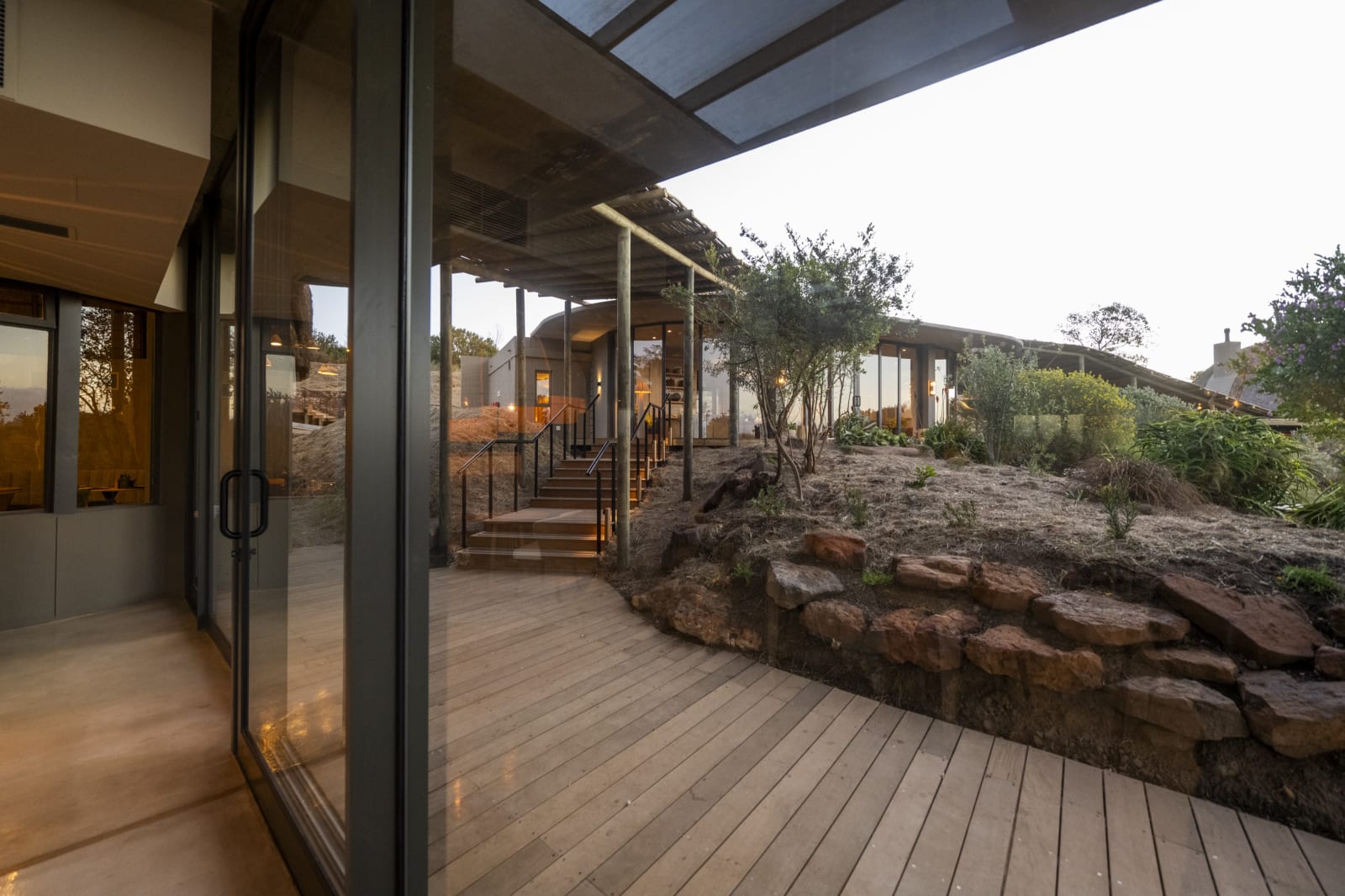
Gondwana Game Reserve
Caracal hier waargenomen · Fynbos-bioom · Leopard · Lion
Steunt Endangered Wildlife Trust
Prijs op aanvraag

Benguela Cove, Hermanus
Fynbos-bioom
Steunt Walker Bay Fynbos Conservancy en 1 ander goed doel
Vanaf R 14,985 per nacht

Oudtshoorn
Succulente Karoo-bioom · Spekboom
Steunt Wolwekraal Nature Reserve
Vanaf R 1,400 per nacht

Wittedrift, Plettenberg Bay
Bos-bioom
Steunt National Sea Rescue Institute
Vanaf R 2,250 per nacht

Riebeek Valley, Riebeek West
Fynbos-bioom · Black wildebeest · Bontebok
Steunt BirdLife South Africa
Vanaf R 5,636 per nacht

Franschhoek
Fynbos-bioom · English oak
Steunt Cape Leopard Trust
Vanaf R 6,195 per nacht

Klapmuts, Simondium
Angulate tortoise · Wild olive
Prijs op aanvraag

Volgende stop
Southern right whales, sea cliffs, and Hermanus's harbour town
Bekijk plekken die iets teruggevenEen reis plannen
Caracal: door verhuurders waargenomen in of bij Goukamma Nature Reserve, Table Mountain National Park and Gondwana Game Reserve.
| Park | jan | feb | mrt | apr | mei | jun | jul | aug | sep | okt | nov | dec |
|---|---|---|---|---|---|---|---|---|---|---|---|---|
| Goukamma | Best te zien | Best te zien | Best te zien | Best te zien | Hier | Hier | Hier | Hier | Hier | Best te zien | Best te zien | Best te zien |
| Table Mountain | Best te zien | Best te zien | Best te zien | Best te zien | Hier |
Donkerder maanden zijn het beste seizoen van elk park, wanneer dunne begroeiing of schaars water het kijken makkelijker maakt. Een waarneming is nooit gegarandeerd.
Zelf rijden
Uw eigen auto en tempo, op de wegen van het park.
Waar verhuurders de soort waarnemen
Begeleide ritten vanuit een lodge
Een gids die weet waar te kijken, met offroad- en nachtritten in de privéreservaten.
Waar verhuurders de soort waarnemen
Soort
Caracal caracal
Waarnemingen
1,533
iNaturalist-waarnemingen
Elke boeking op Spekboom steunt natuurbehoud.
Een waarneming betekent dat een verhuurder de Caracal op of bij het terrein heeft gezien. Het is nooit een garantie dat u de soort ziet.
Hosts on Spekboom have recorded the Caracal at stays in or beside Goukamma Nature Reserve, Table Mountain National Park, Gondwana Game Reserve and Garden Route National Park. A record means a host has seen it on the property or nearby, which makes these the places to base yourself; it is never a guarantee of a sighting on any given day.
The Caracal is most recorded in Western Cape (76% of records), Northern Cape (5% of records), based on 1,533 iNaturalist observations. 18 places to stay on Spekboom in Western Cape have recorded the Caracal on site or nearby.
The Caracal is recorded throughout the year, so no month is the wrong month to look for it. For the parks where hosts record it most, these are the best seasons they give. Goukamma Nature Reserve: year-round, warm Oct-Apr; Table Mountain National Park: Sep-Apr, flowers Aug-Oct; Gondwana Game Reserve: Sep-Apr, flowers Aug-Oct; Garden Route National Park: Sep-Apr, flowers Aug-Oct. In the dry months animals concentrate at water and the grass is short.
The caracal (Caracal caracal) is a medium-sized wild cat native to Africa, the Middle East, Central Asia and India. The caracal is characterised by a robust build, long legs, a short face, long tufted ears and long canine teeth. Its coat is uniformly reddish tan or sandy, while the ventral parts are lighter with small reddish markings.
| Hier |
| Hier |
| Hier |
| Best te zien |
| Best te zien |
| Best te zien |
| Best te zien |
| Gondwana | Best te zien | Best te zien | Best te zien | Best te zien | Hier | Hier | Hier | Hier | Best te zien | Best te zien | Best te zien | Best te zien |
|---|
| Garden Route | Best te zien | Best te zien | Best te zien | Best te zien | Hier | Hier | Hier | Hier | Best te zien | Best te zien | Best te zien | Best te zien |
|---|


