

Kgalagadi Transfrontier Park
Northern Cape · Best Aug to Oct
9 plekken

Wildlife
The bat-eared fox (Otocyon megalotis) is a species of fox found on the African savanna, named for its large ears, which are used for thermoregulation.
Recorded year-round
Recorded in every month, so no month is the wrong month to look. We would rather say that than invent a best time.
Curve from 816 national iNaturalist observations, not from one property and not from this province. Single-month spikes are discarded as upload artefacts, and below 50 records we show no curve at all.
Northern Cape and beyond
Provinces where Bat-eared Fox is most recorded. Tap one to find places to stay.
815 records, iNaturalist
Door heel Noord-Kaap

Kgalagadi Transfrontier Park
Bat-eared Fox hier waargenomen

Ai-Ais/Richtersveld Transfrontier Park
Bat-eared Fox hier waargenomen

Kgalagadi Transfrontier Park
Bat-eared Fox hier waargenomen

Kgalagadi Transfrontier Park
Bat-eared Fox hier waargenomen

Kgalagadi Transfrontier Park
Bat-eared Fox hier waargenomen

Mokala National Park
Bat-eared Fox hier waargenomen

Ai-Ais/Richtersveld Transfrontier Park
Bat-eared Fox hier waargenomen
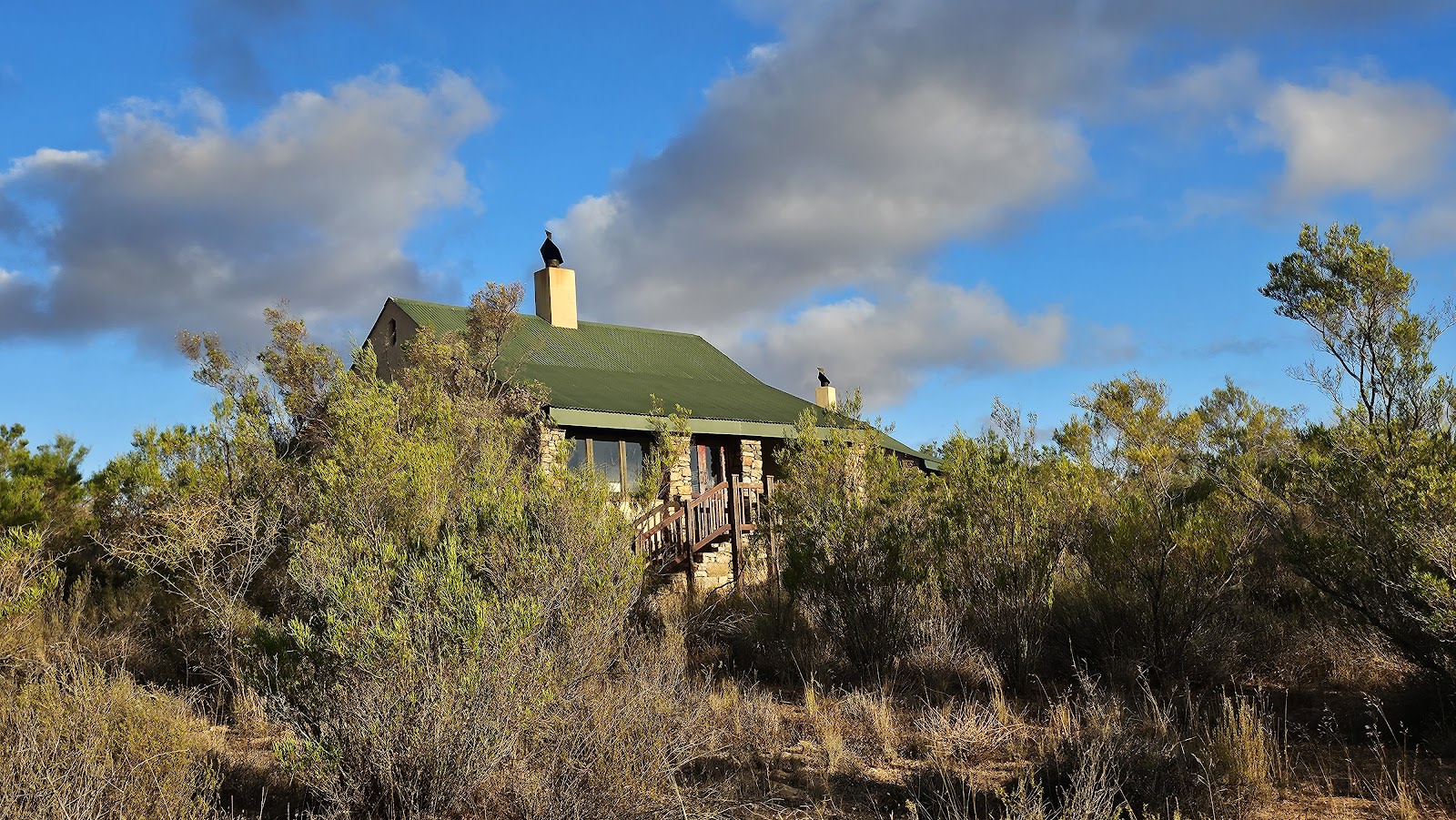
Namaqua National Park
Bat-eared Fox hier waargenomen

Mokala National Park
Bat-eared Fox hier waargenomen
Kgalagadi Transfrontier Park
Bat-eared Fox hier waargenomen
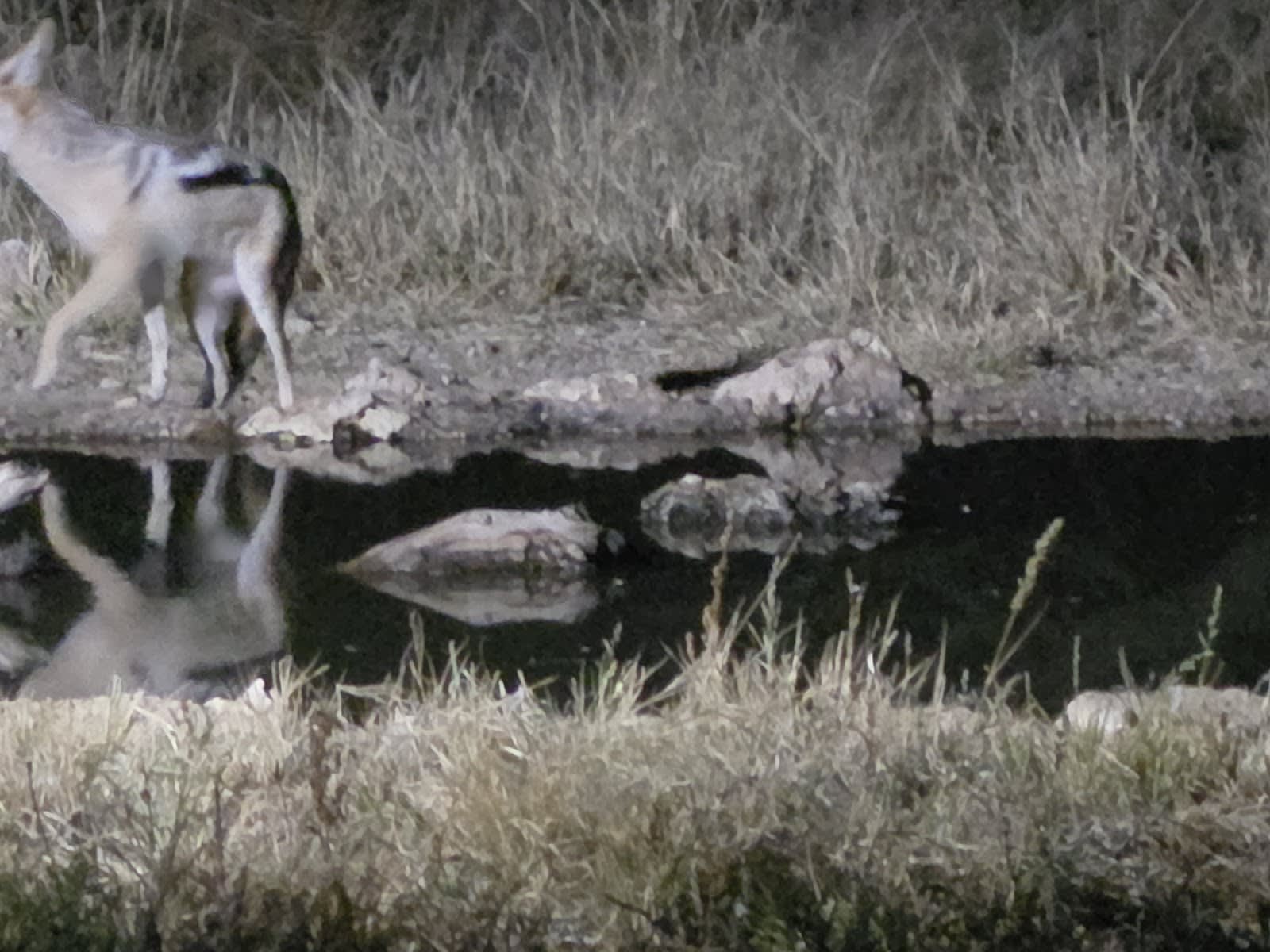
Kgalagadi Transfrontier Park
Bat-eared Fox hier waargenomen
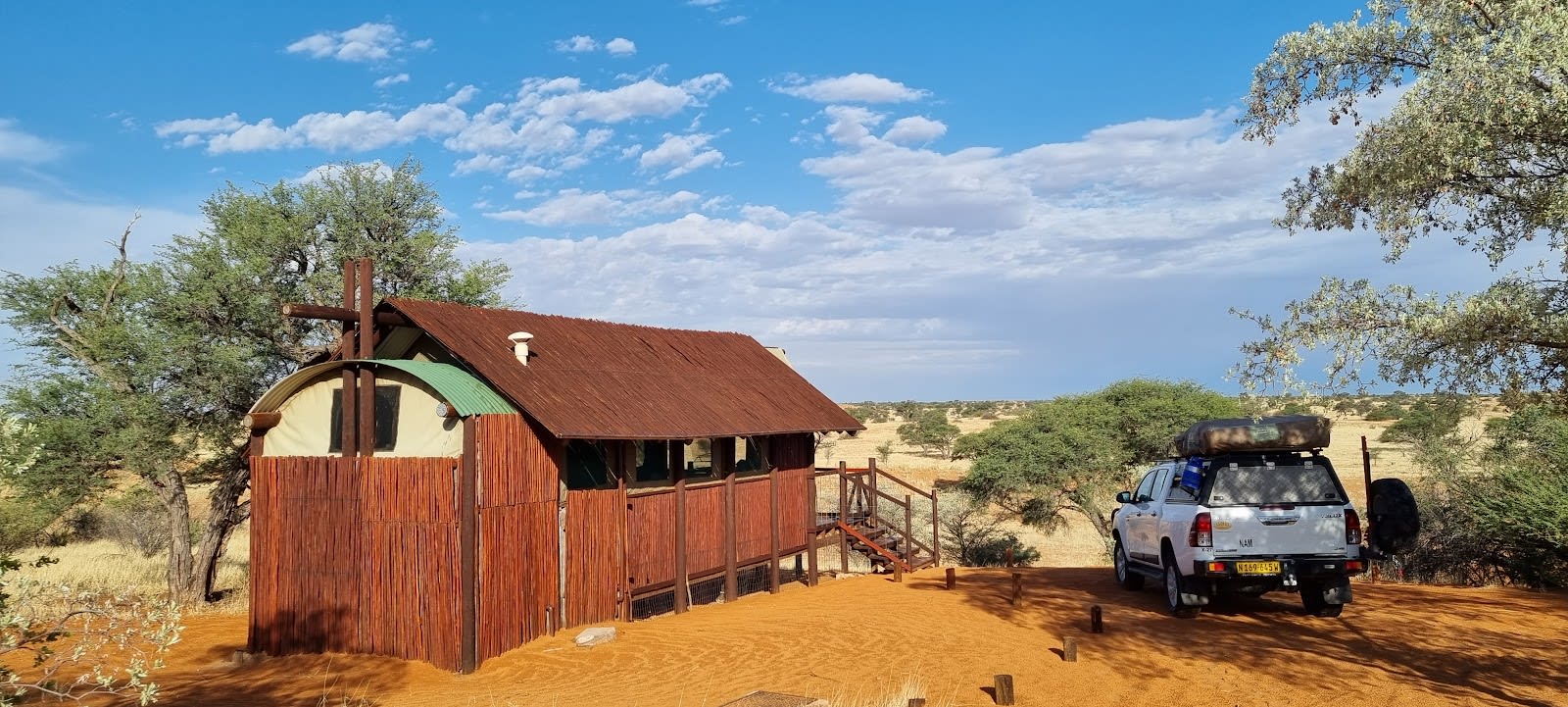
Kgalagadi Transfrontier Park
Bat-eared Fox hier waargenomen

Augrabies Falls National Park
Bat-eared Fox hier waargenomen

Mokala National Park
Bat-eared Fox hier waargenomen
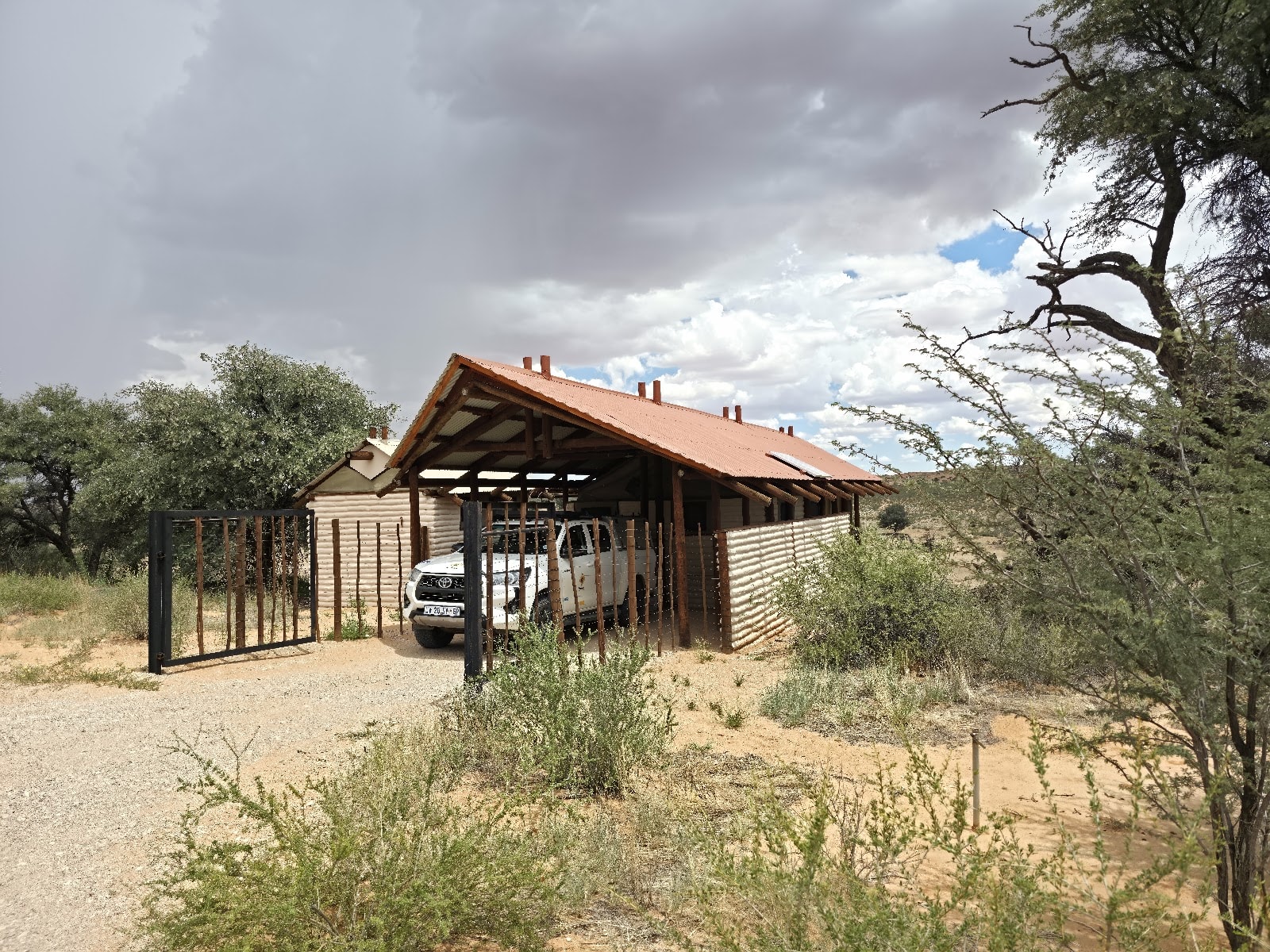
Kgalagadi Transfrontier Park
Bat-eared Fox hier waargenomen

Kgalagadi Transfrontier Park
Bat-eared Fox hier waargenomen

Ai-Ais/Richtersveld Transfrontier Park
Bat-eared Fox hier waargenomen

Richmond


Colesberg

Sutherland


Northern Cape

Tankwa Karoo National Park

Tankwa Karoo National Park

Concordia, Springbok
Volgende stop
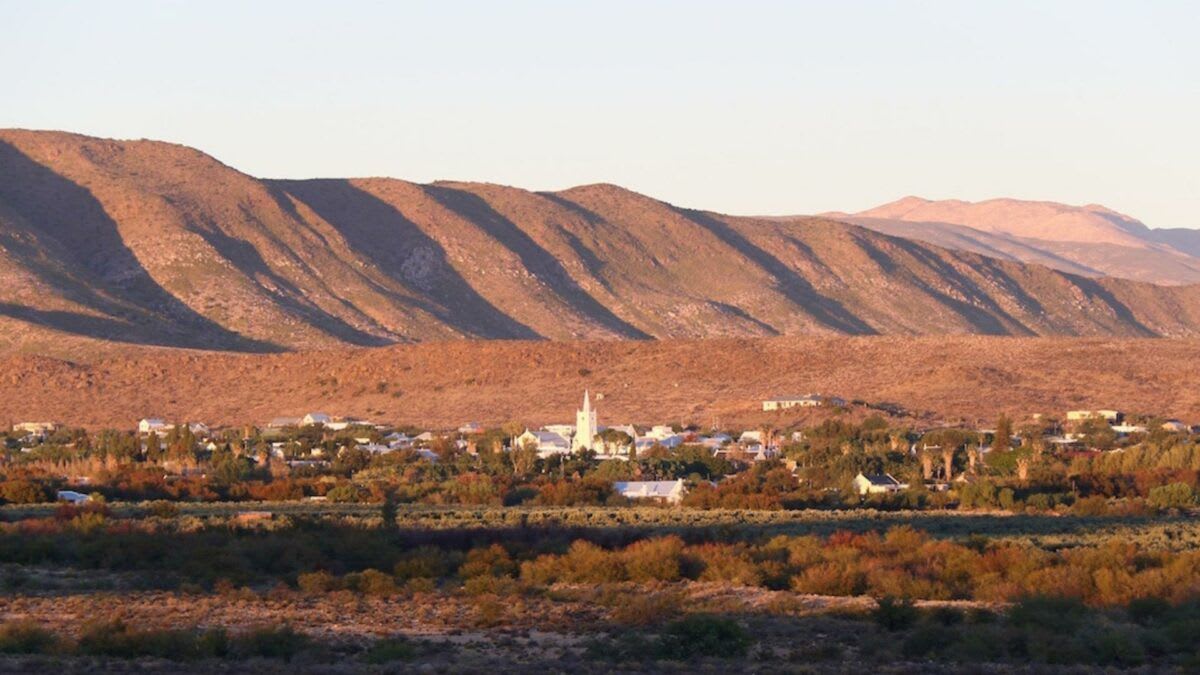
South Africa's vast inland heart: silence, stars, and wide horizons
Bekijk plekken die iets teruggevenEen reis plannen
Bat-eared Fox: door verhuurders waargenomen in of bij Kgalagadi Transfrontier Park, Ai-Ais/Richtersveld Transfrontier Park and Mokala National Park.
| Park | jan | feb | mrt | apr | mei | jun | jul | aug | sep | okt | nov | dec |
|---|---|---|---|---|---|---|---|---|---|---|---|---|
| Kgalagadi | Hier | Hier | Best te zien | Best te zien | Best te zien | Hier | Hier | Hier | Hier | Hier | Hier | Hier |
| Ai-Ais/Richtersveld | Hier | Hier | Hier | Hier | Hier |
Donkerder maanden zijn het beste seizoen van elk park, wanneer dunne begroeiing of schaars water het kijken makkelijker maakt. Een waarneming is nooit gegarandeerd.
Zelf rijden
Uw eigen auto en tempo, op de wegen van het park.
Waar verhuurders de soort waarnemen
Rode Lijst van de IUCN
Least Concern
Soort
Otocyon megalotis
Waarnemingen
815
iNaturalist-waarnemingen
Elke boeking op Spekboom steunt natuurbehoud.
Een waarneming betekent dat een verhuurder de Bat-eared Fox op of bij het terrein heeft gezien. Het is nooit een garantie dat u de soort ziet.
Hosts on Spekboom have recorded the Bat-eared Fox at stays in or beside Kgalagadi Transfrontier Park, Ai-Ais/Richtersveld Transfrontier Park, Mokala National Park, Augrabies Falls National Park and Namaqua National Park. A record means a host has seen it on the property or nearby, which makes these the places to base yourself; it is never a guarantee of a sighting on any given day.
The Bat-eared Fox is most recorded in Northern Cape (40% of records), Western Cape (35% of records), Eastern Cape (14% of records), based on 815 iNaturalist observations. 17 places to stay on Spekboom in Northern Cape have recorded the Bat-eared Fox on site or nearby.
The Bat-eared Fox is recorded throughout the year, so no month is the wrong month to look for it. For the parks where hosts record it most, these are the best seasons they give. Kgalagadi Transfrontier Park: Aug-Oct, flowers, Mar-May; Mokala National Park: Aug-Oct, flowers, Mar-May; Augrabies Falls National Park: Aug-Oct, flowers, Mar-May; Namaqua National Park: Aug-Oct, flowers, Mar-May. In the dry months animals concentrate at water and the grass is short.
The Bat-eared Fox (Otocyon megalotis) is listed as Least Concern on the IUCN Red List.
The bat-eared fox (Otocyon megalotis) is a species of fox found on the African savanna, named for its large ears, which are used for thermoregulation. Fossil records show this canid first appeared during the middle Pleistocene, about 800,000 years ago. It is considered a basal canid species, resembling ancestral forms of the family.
| Hier |
| Hier |
| Hier |
| Hier |
| Hier |
| Hier |
| Hier |
| Mokala | Hier | Hier | Best te zien | Best te zien | Best te zien | Hier | Hier | Hier | Hier | Hier | Hier | Hier |
|---|
| Augrabies Falls | Hier | Hier | Best te zien | Best te zien | Best te zien | Hier | Hier | Hier | Hier | Hier | Hier | Hier |
|---|
| Namaqua | Hier | Hier | Best te zien | Best te zien | Best te zien | Hier | Hier | Hier | Hier | Hier | Hier | Hier |
|---|