
Waterberg Plateau Park
Otjozondjupa · Best Dry season
1 plek

The Bradfield's hornbill (Lophoceros bradfieldi) is an African hornbill.
Dit zijn de parken waar verhuurders op Spekboom de soort hebben waargenomen.
Most records Aug to Nov
When Bradfield's Hornbill sightings peak, from open records. Outside these months it is seen less often, not never.
Curve from 66 national iNaturalist observations, not from one property. Single-month spikes are discarded as upload artefacts, and below 50 records we show no curve at all.
Door heel Zuid-Afrika

Benguela Cove, Hermanus

Vogelaarsvriendelijk

Bergville


Kruger National Park

Vogelaarsvriendelijk

Riebeek Valley, Riebeek West
Vogelaarsvriendelijk
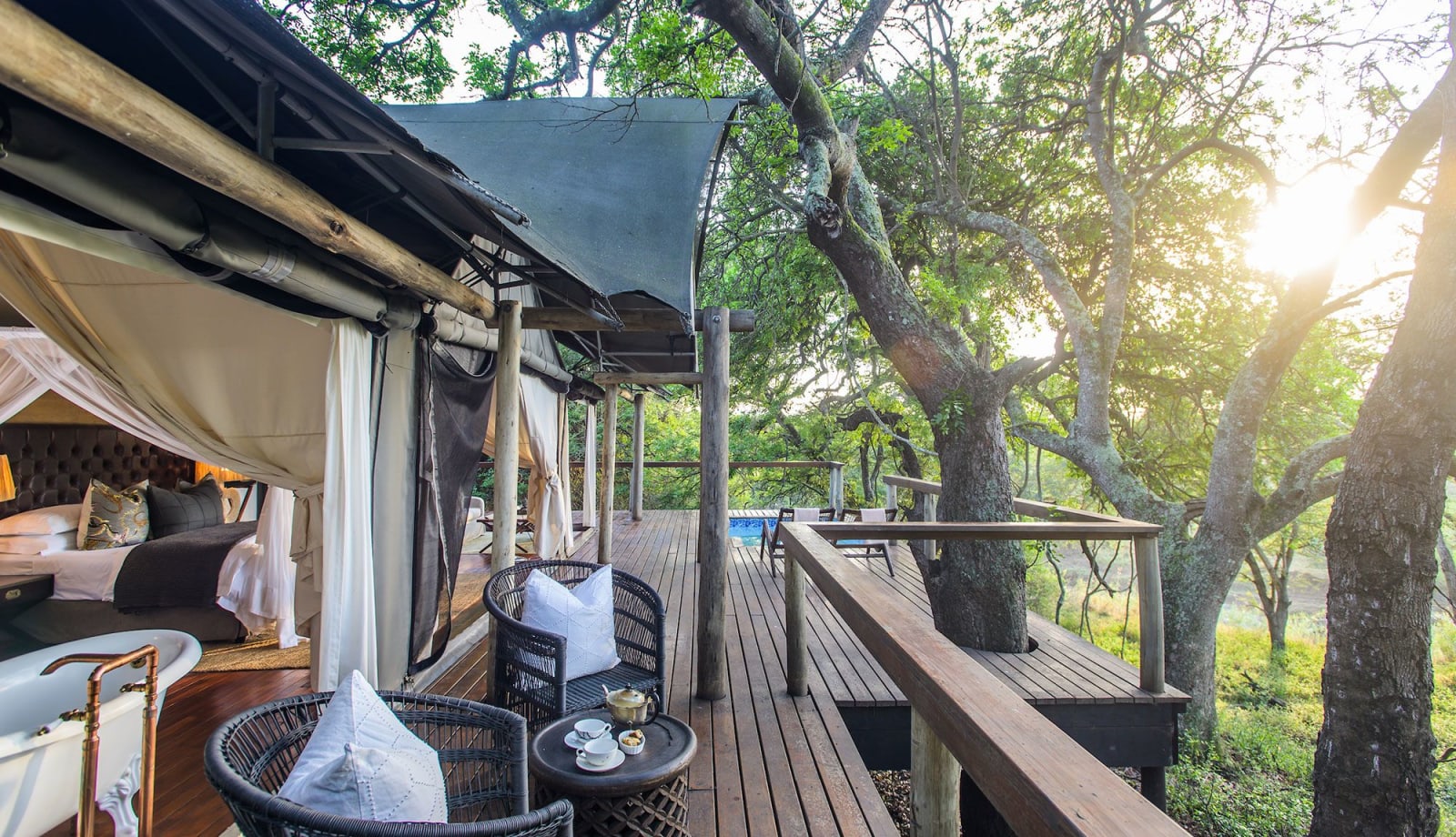
Hazyview

Klapmuts, Simondium

Gardens, Cape Town

Bakoven, Cape Town

Timbavati Private Nature Reserve

Kruger National Park
Vogelaarsvriendelijk

Kruger National Park
Vogelaarsvriendelijk

Hluhluwe-Imfolozi Park


Kruger National Park
Vogelaarsvriendelijk

Madikwe

iSimangaliso Wetland Park

Swellendam


Hoedspruit


Franschhoek

Wittedrift, Plettenberg Bay


Stanford

Stanford
Vogelaarsvriendelijk

Stellenbosch


The Crags, Plettenberg Bay

Kruger National Park

Volgende stop
Sandstone amphitheatres and cool mountain air
Bekijk plekken die iets teruggevenEen reis plannen
Rode Lijst van de IUCN
Least Concern
Soort
Lophoceros bradfieldi
Elke boeking op Spekboom steunt natuurbehoud.
Een waarneming betekent dat een verhuurder de Bradfield's Hornbill op of bij het terrein heeft gezien. Het is nooit een garantie dat u de soort ziet.
Sightings of the Bradfield's Hornbill peak from Aug to Nov, based on 66 iNaturalist records. You may still see it outside those months, sightings are just less frequent.
The Bradfield's Hornbill (Lophoceros bradfieldi) is listed as Least Concern on the IUCN Red List.
The Bradfield's hornbill (Lophoceros bradfieldi) is an African hornbill. It is a medium-sized bird, 50, 57 centimetres (20, 22 in) in length, characterized by black back and wings and a white belly. The tip feathers of the long tail are white. Females are smaller than males and can be recognized by turquoise facial skin. The eyes are yellow and the beak is red.