

Kruger National Park
Limpopo · Best Apr to Sep
19 luoghi

The shaft-tailed whydah or queen whydah (Vidua regia) is a small, sparrow-like bird in the genus Vidua.
Most records Dec to Mar
When Shaft-tailed Whydah sightings peak, from open records. Outside these months it is seen less often, not never.
Curve from 248 national iNaturalist observations, not from one property and not from this province. Single-month spikes are discarded as upload artefacts, and below 50 records we show no curve at all.
Northern Cape and beyond
Provinces where Shaft-tailed Whydah is most recorded. Tap one to find places to stay.
248 records, iNaturalist
In tutto il Limpopo

Kruger National Park

Avvistato spesso · Birder Friendly

Kruger National Park
Avvistato spesso · Birder Friendly

Kruger National Park
Avvistato spesso · Birder Friendly

Kruger National Park
Avvistato spesso · Birder Friendly

Kruger National Park
Shaft-tailed Whydah: segnalato qui

Rust de Winter
Avvistato spesso · Birder Friendly
Kruger National Park
Shaft-tailed Whydah: segnalato qui

Kruger National Park
Shaft-tailed Whydah: segnalato qui

Kruger National Park
Shaft-tailed Whydah: segnalato qui

Kruger National Park
Shaft-tailed Whydah: segnalato qui

Marakele National Park
Shaft-tailed Whydah: segnalato qui

Kruger National Park
Shaft-tailed Whydah: segnalato qui

Kruger National Park
Shaft-tailed Whydah: segnalato qui
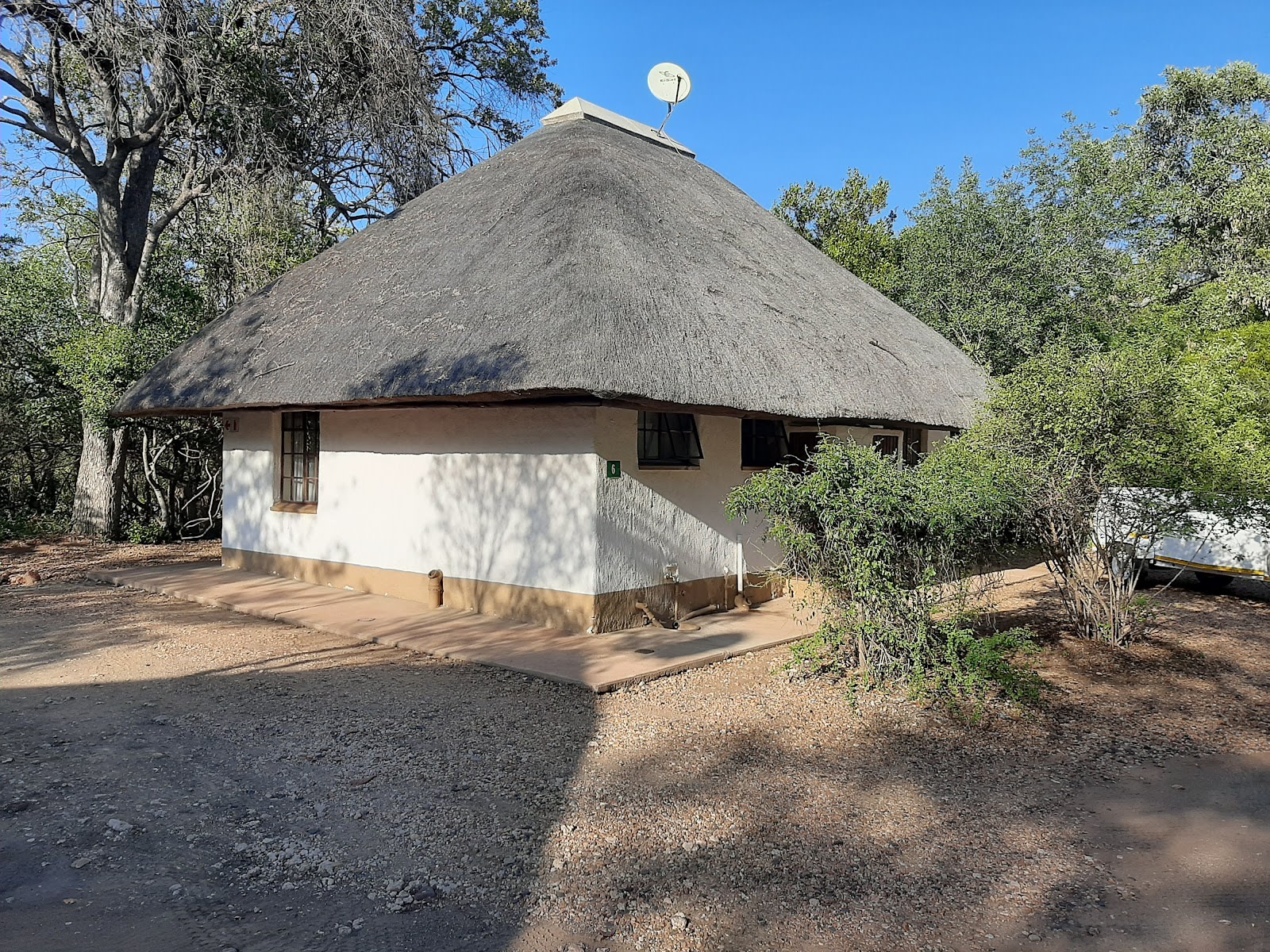
Kruger National Park
Shaft-tailed Whydah: segnalato qui

Kruger National Park
Shaft-tailed Whydah: segnalato qui
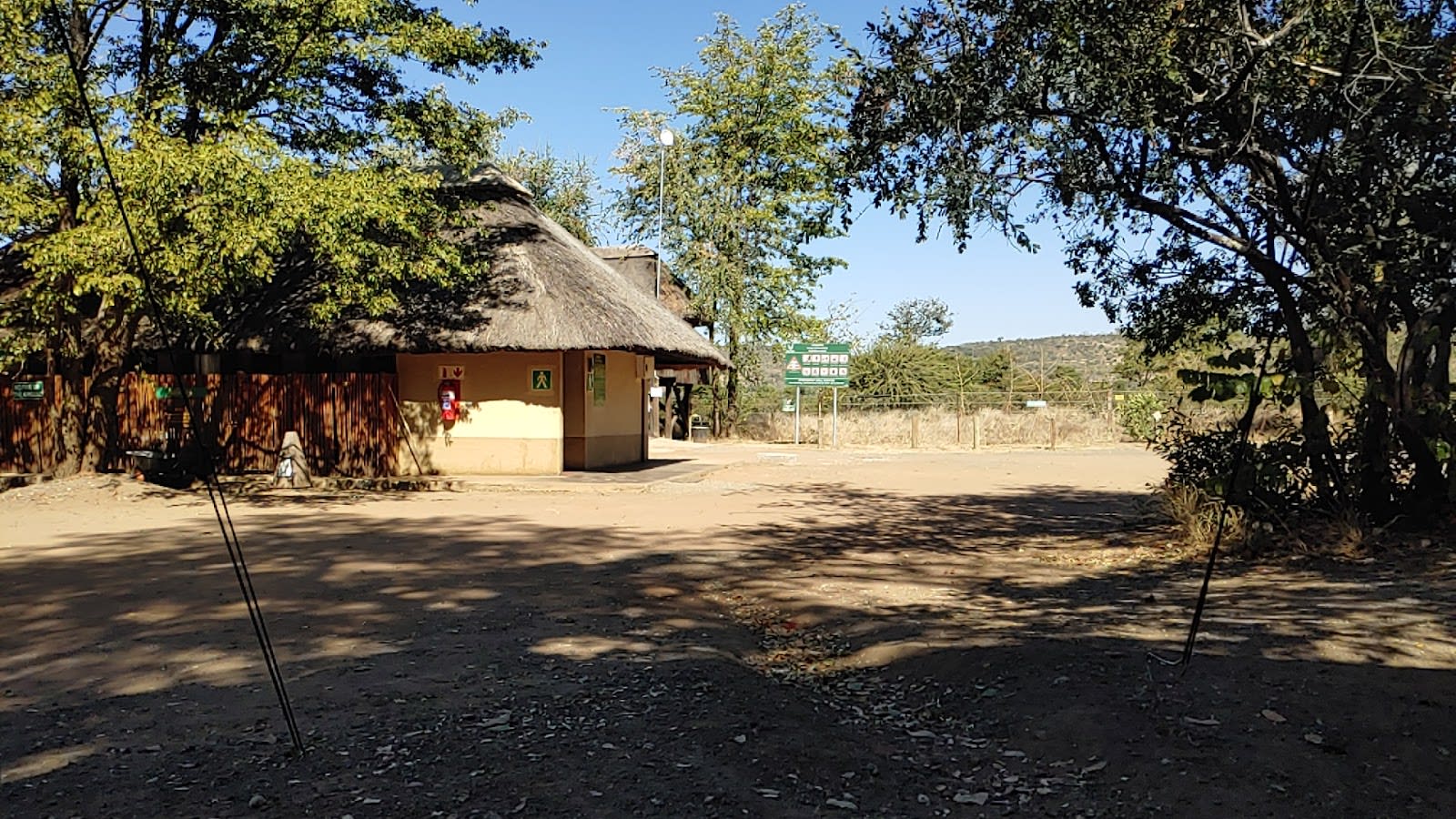
Kruger National Park
Shaft-tailed Whydah: segnalato qui

Kruger National Park
Shaft-tailed Whydah: segnalato qui
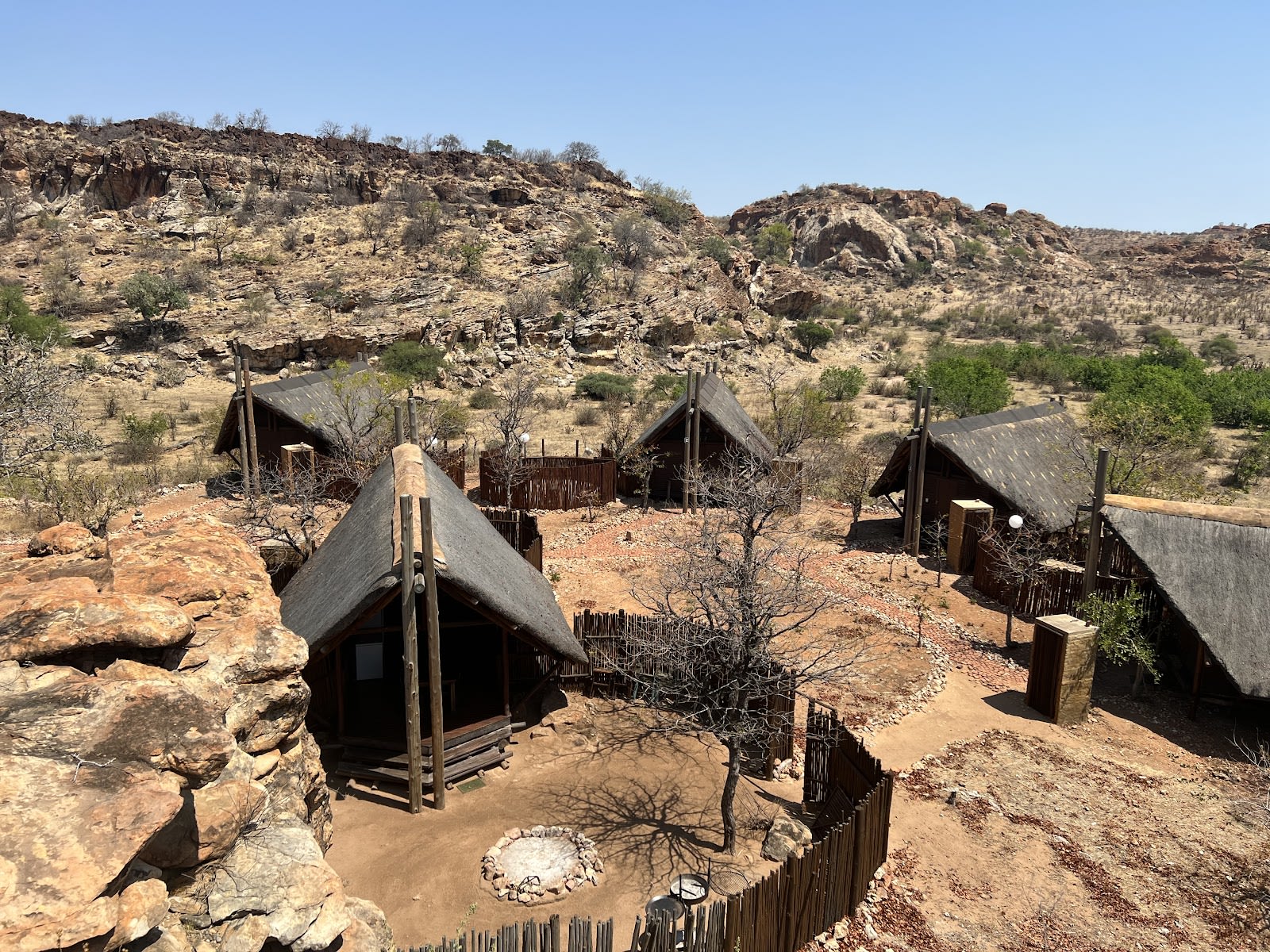
Mapungubwe National Park
Shaft-tailed Whydah: segnalato qui

Kruger National Park
Shaft-tailed Whydah: segnalato qui

Kruger National Park
Shaft-tailed Whydah: segnalato qui
Mapungubwe National Park
Shaft-tailed Whydah: segnalato qui

Kruger National Park
Shaft-tailed Whydah: segnalato qui

Kruger National Park
Shaft-tailed Whydah: segnalato qui

Mapungubwe National Park
Shaft-tailed Whydah: segnalato qui

Prossima tappa
iSimangaliso wetlands, sand forest, and Sodwana reefs
Vedi le strutture che sostengono una causaPianificare un viaggio
Gli host hanno segnalato questa specie (Shaft-tailed Whydah) in strutture dentro o accanto a Kruger National Park, Mapungubwe National Park and Marakele National Park.
Guidare in autonomia
Il Suo veicolo e il Suo ritmo, sulle strade del parco.
Dove lo segnalano gli host
Specie
Vidua regia
Segnalazioni
248
Osservazioni su iNaturalist
Ogni prenotazione su Spekboom sostiene la conservazione.
Una segnalazione significa che un host ha visto questa specie (Shaft-tailed Whydah) nella struttura o nei dintorni. Non è mai una garanzia di avvistamento.
Hosts on Spekboom have recorded the Shaft-tailed Whydah at stays in or beside Kruger National Park, Mapungubwe National Park and Marakele National Park. A record means a host has seen it on the property or nearby, which makes these the places to base yourself; it is never a guarantee of a sighting on any given day.
The Shaft-tailed Whydah is most recorded in Northern Cape (42% of records), Limpopo (32% of records), North West (21% of records), based on 248 iNaturalist observations. 24 places to stay on Spekboom in Limpopo have recorded the Shaft-tailed Whydah on site or nearby.
Sightings of the Shaft-tailed Whydah peak from Dec to Mar, based on 248 iNaturalist records. You may still see it outside those months, sightings are just less frequent.
The shaft-tailed whydah or queen whydah (Vidua regia) is a small, sparrow-like bird in the genus Vidua. During the breeding season the male has black crown and upper body plumage, golden breast and four elongated black tail shaft feathers with expanded tips. After the breeding season is over, the male sheds its long tail and grows olive brown female-like plumage.
