
Kwandwe Private Game Reserve
Eastern Cape · Year-round
5 luoghi

The Eurasian reed warbler, or just reed warbler (Acrocephalus scirpaceus) is an Old World warbler in the genus Acrocephalus.
Questi sono i parchi in cui gli host di Spekboom la segnalano.
Most records Dec to Jan
When African Reed Warbler sightings peak, from open records. Outside these months it is seen less often, not never.
Curve from 368 national iNaturalist observations, not from one property. Single-month spikes are discarded as upload artefacts, and below 50 records we show no curve at all.
Western Cape and beyond
Provinces where African Reed Warbler is most recorded. Tap one to find places to stay.
368 records, iNaturalist
In tutto il Limpopo

Haenertsburg · Da R 1,500 a notte

Birder Friendly

Kruger National Park · Da R 17,120 a notte
Birder Friendly

Magoebaskloof · Da R 1,512 a notte
Birder Friendly

Kruger National Park · Da R 11,820 a notte
Birder Friendly

Kruger National Park · Da R 8,380 a notte
Birder Friendly

Timbavati Private Nature Reserve · Prezzo su richiesta

Kruger National Park · Da R 11,820 a notte
Birder Friendly

Hoedspruit · Da R 1,100 a notte


Welgevonden Game Reserve · Prezzo su richiesta

Magoebaskloof · Da R 2,000 a notte
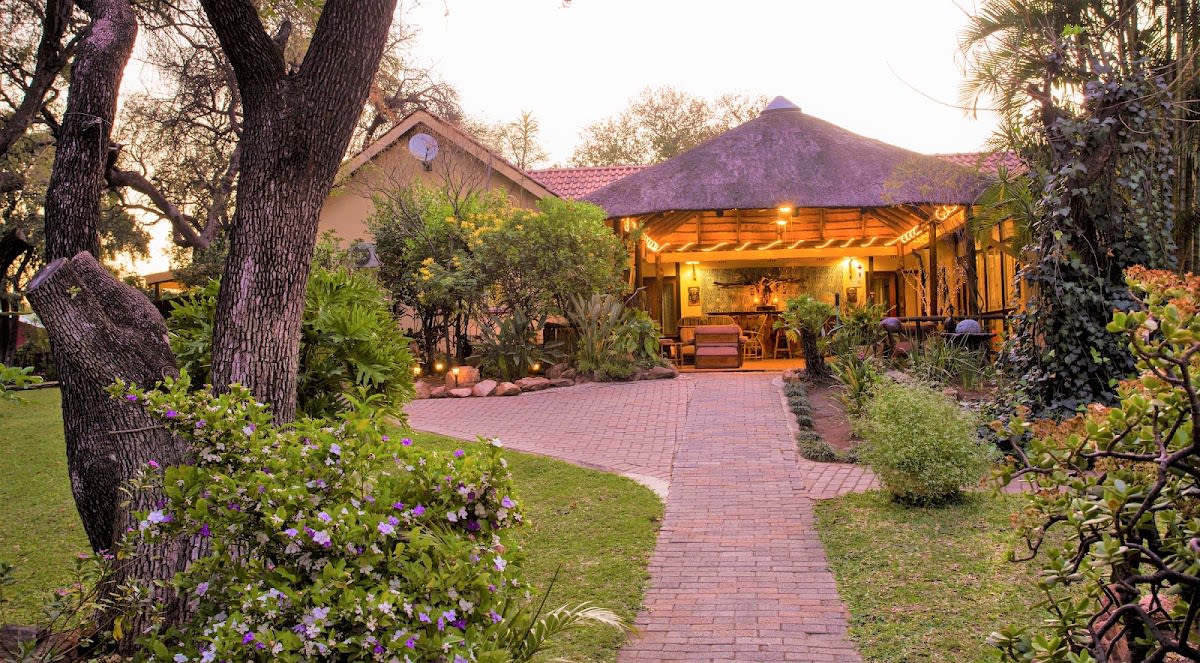
Phalaborwa · Da R 1,500 a notte
Birder Friendly

Marakele National Park · Prezzo su richiesta

Hoedspruit · Da R 4,000 a notte
Birder Friendly

Louis Trichardt · Da R 650 a notte
Birder Friendly

Marakele National Park · Prezzo su richiesta

Hoedspruit · Da R 6,400 a notte

Hoedspruit · Da R 3,278 a notte

Thornybush Game Reserve · Prezzo su richiesta

Kruger National Park · Da R 379 a notte

Kruger National Park · Da R 331 a notte

Thornybush Game Reserve · Prezzo su richiesta

Kruger National Park · Da R 1,445 a notte

Kruger National Park · Da R 390 a notte

Marakele National Park · Prezzo su richiesta

Prossima tappa
iSimangaliso wetlands, sand forest, and Sodwana reefs
Vedi le strutture che sostengono una causaPianificare un viaggio
Specie
Acrocephalus scirpaceus
Segnalazioni
368
Osservazioni su iNaturalist
Ogni prenotazione su Spekboom sostiene la conservazione.
Una segnalazione significa che un host ha visto questa specie (African Reed Warbler) nella struttura o nei dintorni. Non è mai una garanzia di avvistamento.
The African Reed Warbler is most recorded in Western Cape (49% of records), Gauteng (21% of records), Northern Cape (10% of records), based on 368 iNaturalist observations.
Sightings of the African Reed Warbler peak from Dec to Jan, based on 368 iNaturalist records. You may still see it outside those months, sightings are just less frequent.
The Eurasian reed warbler, or just reed warbler (Acrocephalus scirpaceus) is an Old World warbler in the genus Acrocephalus. It breeds across Europe into temperate western Asia. It is migratory, wintering in sub-Saharan Africa.


