
Table Mountain National Park
Western Cape · Best Sep to Apr
2 lieux

Plants & flora
Agapanthus praecox (common agapanthus, blue lily, African lily, or lily of the Nile) is a popular garden plant around the world, especially in Mediterranean climates.
Recorded year-round
Recorded in every month, so no month is the wrong month to look. We would rather say that than invent a best time.
Curve from 1,143 national iNaturalist observations, not from one property. Single-month spikes are discarded as upload artefacts, and below 50 records we show no curve at all.
Western Cape and beyond
Provinces where Agapanthus is most recorded. Tap one to find places to stay.
1,143 records, iNaturalist
À travers Afrique du Sud

Hemel-en-Aarde Valley, Hermanus
Agapanthus : espèce observée ici · Biome Fynbos · Agapanthus · Wild olive
Soutient Walker Bay Fynbos Conservancy et 1 autre cause
À partir de R 2,000 la nuit

Hunter's Home, Knysna
Agapanthus : espèce observée ici · Biome Fynbos · Spekboom · Outeniqua yellowwood
Soutient Revive Knysna
À partir de R 2,310 la nuit

Howick
Agapanthus : espèce observée ici · Biome Prairie · Bushbuck · Vervet monkey
Soutient Isibindi Foundation
À partir de R 795 la nuit
Table Mountain National Park
Agapanthus : espèce observée ici · Biome Fynbos · King protea · Sugarbush
À partir de R 965 la nuit

Table Mountain National Park
Agapanthus : espèce observée ici · Biome Fynbos · King protea · Sugarbush
À partir de R 4,009 la nuit

Garden Route National Park
Agapanthus : espèce observée ici · Biome Forêt · Arum lily · Krantz aloe
À partir de R 457 la nuit

Garden Route National Park
Agapanthus : espèce observée ici · Biome Fynbos · Bushbuck · Outeniqua yellowwood
À partir de R 287 la nuit

Garden Route National Park
Agapanthus : espèce observée ici · Biome Forêt · Arum lily · Krantz aloe
À partir de R 294 la nuit
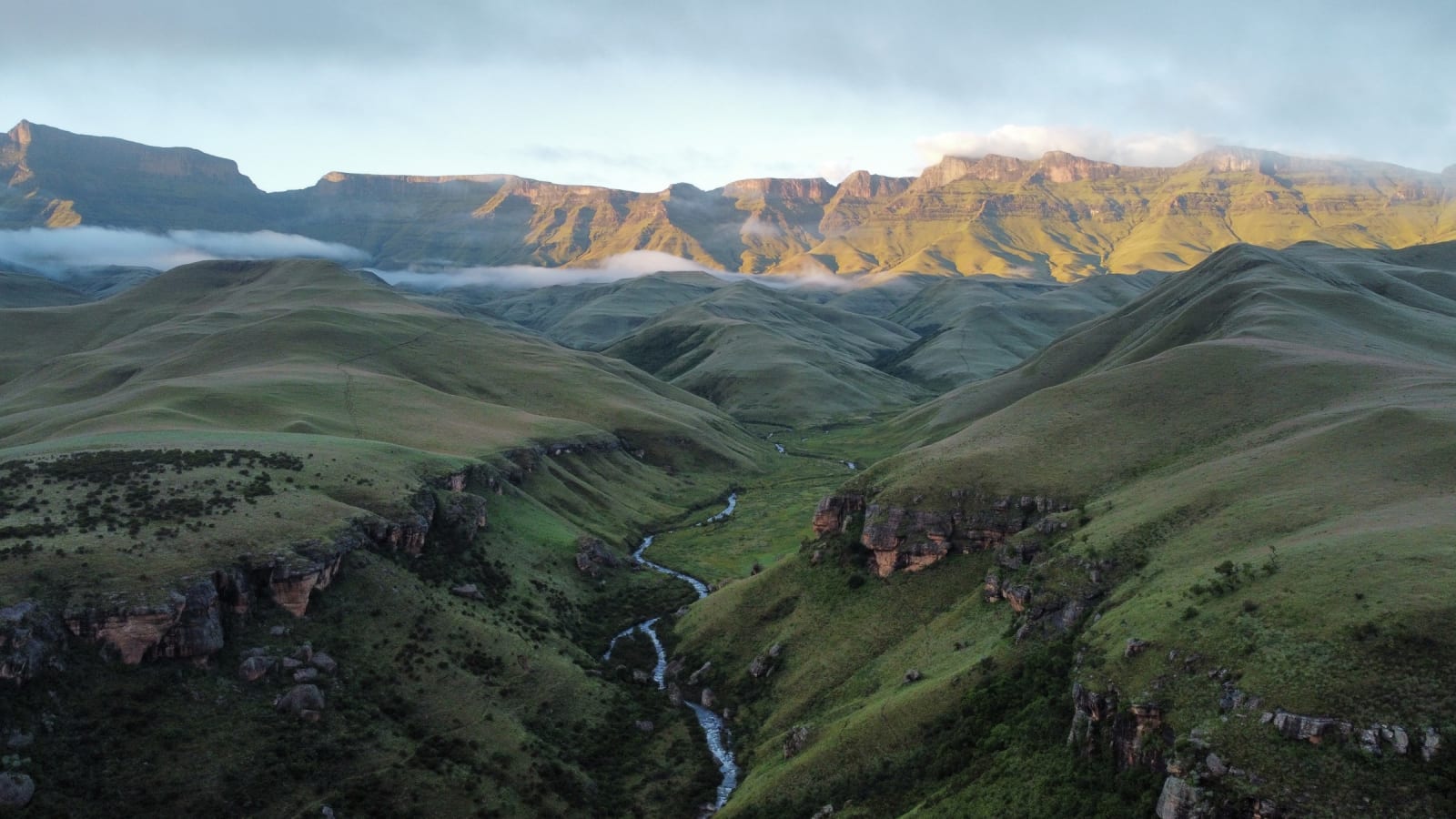
uKhahlamba-Drakensberg Park
Agapanthus : espèce observée ici · Biome Prairie · Real yellowwood · Chacma baboon
À partir de R 1,150 la nuit

Voëlklip, Hermanus
Biome Fynbos · Southern right whale
Soutient Stanford Animal Welfare Society et 1 autre cause
À partir de R 2,235 la nuit

Swellendam
Biome Fynbos
Soutient Barrydale Hospice
À partir de R 4,355 la nuit
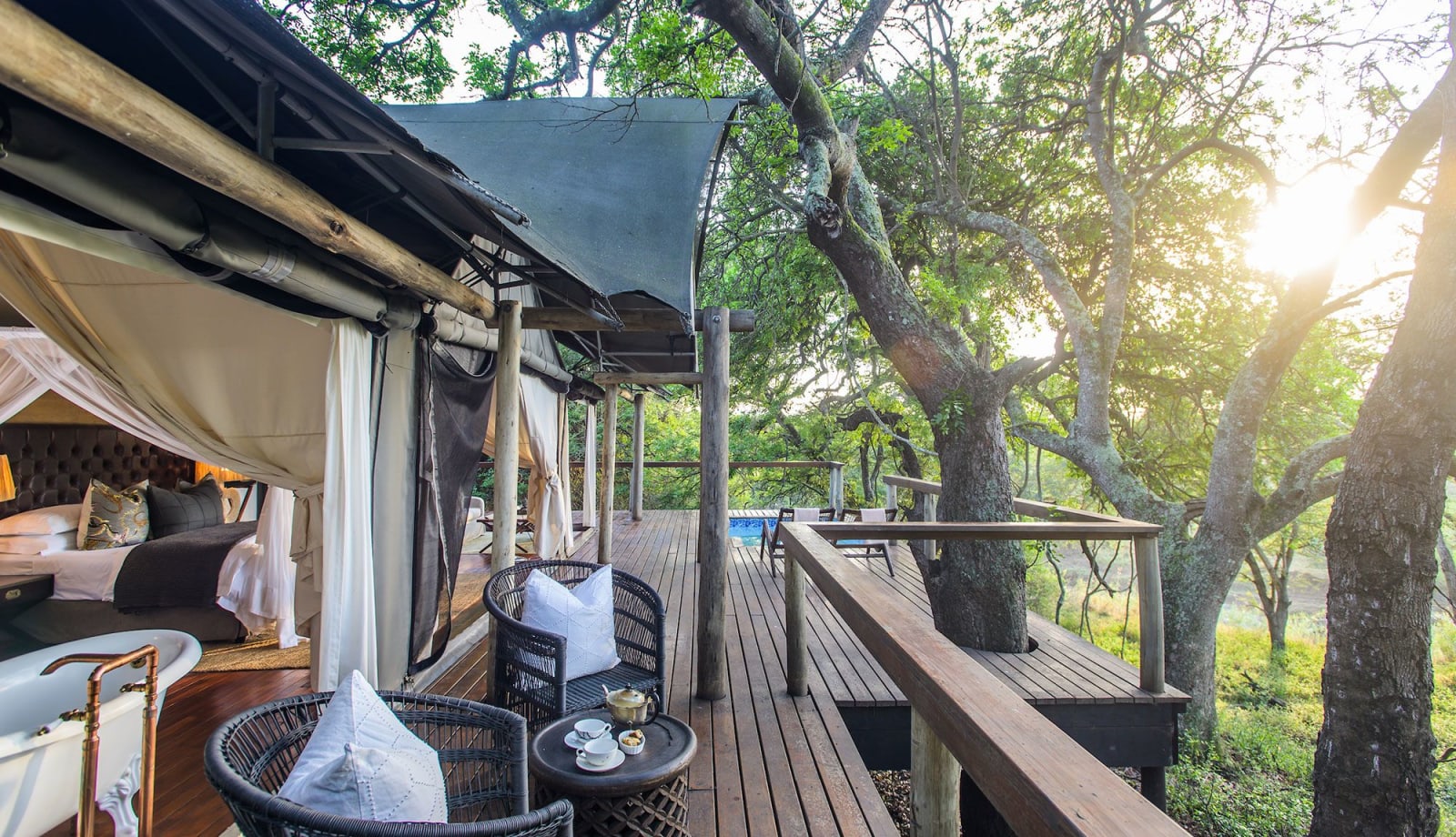
Hazyview
Biome Savane · Leopard · Lion
Soutient Zululand Conservation Trust et 1 autre cause
À partir de R 22,680 la nuit

Riebeek Valley, Riebeek West
Biome Fynbos · Black wildebeest · Bontebok
Soutient BirdLife South Africa
À partir de R 5,636 la nuit

Franschhoek
Biome Fynbos · English oak
Soutient Cape Leopard Trust
À partir de R 6,195 la nuit

Klapmuts, Simondium
Angulate tortoise · Wild olive
Prix sur demande

Gardens, Cape Town
Biome Fynbos · English oak
À partir de R 2,800 la nuit

Bakoven, Cape Town
Biome Fynbos
À partir de R 9,900 la nuit

Timbavati Private Nature Reserve
Biome Savane · Lion · Leopard
Prix sur demande

Kruger National Park
Biome Savane · Makalani palm · Ana tree
Soutient BirdLife South Africa
À partir de R 11,820 la nuit

Kruger National Park
Biome Savane · Makalani palm · Ana tree
Soutient BirdLife South Africa
À partir de R 17,120 la nuit

Hluhluwe-Imfolozi Park
Biome Savane · African wild dog · Spotted hyena
Soutient Isibindi Foundation
Prix sur demande

Kruger National Park
Biome Savane · Makalani palm · Ana tree
Soutient BirdLife South Africa
À partir de R 8,380 la nuit

Kruger National Park
Biome Savane · Leopard · Spotted hyena
Soutient BirdLife South Africa
À partir de R 11,820 la nuit

iSimangaliso Wetland Park
Biome Forêt · Humpback whale · Southern right whale
Soutient Isibindi Foundation
Prix sur demande
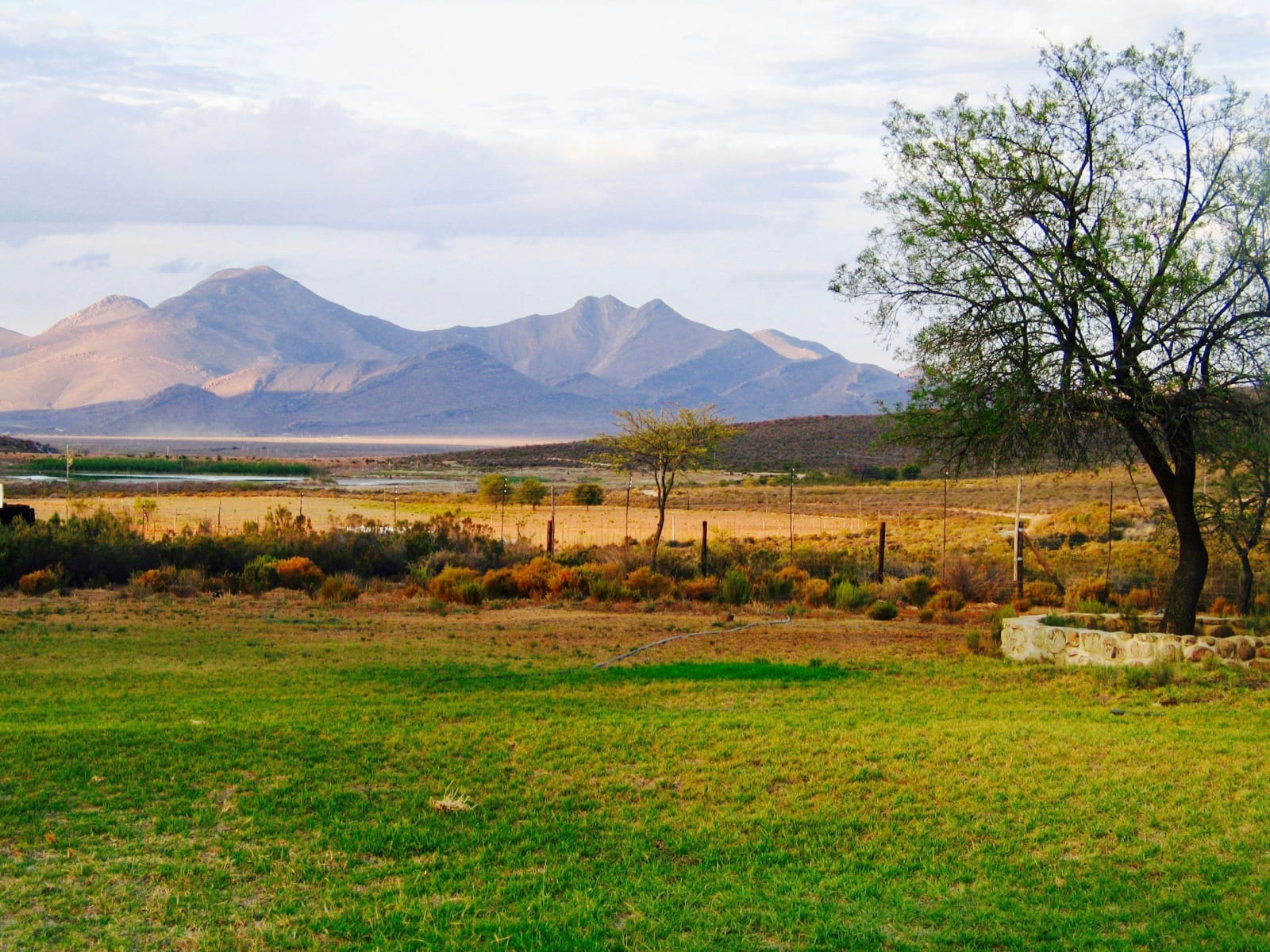
Prochaine étape
Dry mountains, ostriches, and Calitzdorp's port wines
Voir les hébergements engagésPréparer un voyage
Agapanthus : signalé par des hôtes dans ou près de Table Mountain National Park, Tsitsikamma National Park and Garden Route National Park.
Espèce
Agapanthus praecox
Observations
1,143
observations iNaturalist
Chaque réservation sur Spekboom soutient la conservation.
Une observation signifie qu’un hôte a vu l’espèce Agapanthus sur place ou à proximité. Ce n’est jamais une garantie de la voir.
Hosts on Spekboom have recorded the Agapanthus at stays in or beside Table Mountain National Park, Tsitsikamma National Park, Garden Route National Park, Giants Castle Game Reserve and uKhahlamba-Drakensberg Park. A record means a host has seen it on the property or nearby, which makes these the places to base yourself; it is never a guarantee of a sighting on any given day.
The Agapanthus is most recorded in Western Cape (56% of records), Eastern Cape (19% of records), KwaZulu-Natal (16% of records), based on 1,143 iNaturalist observations. 9 places to stay on Spekboom in South Africa have recorded the Agapanthus on site or nearby.
The Agapanthus is recorded throughout the year, so no month is the wrong month to look for it. For the parks where hosts record it most, these are the best seasons they give. Table Mountain National Park: Sep-Apr, flowers Aug-Oct; Tsitsikamma National Park: Apr-Sep; Garden Route National Park: Sep-Apr, flowers Aug-Oct; Giants Castle Game Reserve: year-round, dry season May-Sep. In the dry months animals concentrate at water and the grass is short.
Agapanthus praecox (common agapanthus, blue lily, African lily, or lily of the Nile) is a popular garden plant around the world, especially in Mediterranean climates. It is native of Natal and Cape of Good Hope in South Africa, local names include agapant, bloulelie, isicakathi and ubani. Most of the cultivated plants of the genus Agapanthus are hybrids or cultivars of this species.


