
Rocherpan Nature Reserve
Western Cape · Best Winter and spring for birds and flowers
5 lieux

The pectoral sandpiper (Calidris melanotos) is a small, migratory wader that breeds in North America and Asia, wintering in South America and Oceania.
Most records Dec to Feb
When Pectoral Sandpiper sightings peak, from open records. Outside these months it is seen less often, not never.
Curve from 59 national iNaturalist observations, not from one property and not from this province. Single-month spikes are discarded as upload artefacts, and below 50 records we show no curve at all.
Western Cape and beyond
Provinces where Pectoral Sandpiper is most recorded. Tap one to find places to stay.
59 records, iNaturalist
À travers Cap-Occidental

Rocherpan Nature Reserve
Pectoral Sandpiper : espèce observée ici · Biome Fynbos
À partir de R 1,990 la nuit

Rocherpan Nature Reserve
Pectoral Sandpiper : espèce observée ici · Biome Fynbos
À partir de R 1,500 la nuit

Rocherpan Nature Reserve
Pectoral Sandpiper : espèce observée ici · Biome Fynbos
À partir de R 1,430 la nuit

Rocherpan Nature Reserve
Pectoral Sandpiper : espèce observée ici · Biome Fynbos
À partir de R 1,430 la nuit
Rocherpan Nature Reserve
Pectoral Sandpiper : espèce observée ici · Biome Fynbos
À partir de R 1,430 la nuit

Benguela Cove, Hermanus
Accueillant pour les ornithologues · Biome Fynbos
Soutient Walker Bay Fynbos Conservancy et 1 autre cause
À partir de R 14,985 la nuit

Oudtshoorn
Biome Karoo succulent · Spekboom
Soutient Wolwekraal Nature Reserve
À partir de R 1,400 la nuit

Wittedrift, Plettenberg Bay
Biome Forêt
Soutient National Sea Rescue Institute
À partir de R 2,250 la nuit

Riebeek Valley, Riebeek West
Accueillant pour les ornithologues · Biome Fynbos · Black wildebeest · Bontebok
Soutient BirdLife South Africa
À partir de R 5,636 la nuit

Franschhoek
Biome Fynbos · English oak
Soutient Cape Leopard Trust
À partir de R 6,195 la nuit

Klapmuts, Simondium
Angulate tortoise · Wild olive
Prix sur demande

Gardens, Cape Town
Biome Fynbos · English oak
À partir de R 2,800 la nuit

Bakoven, Cape Town
Biome Fynbos
À partir de R 9,900 la nuit

Franschhoek
Biome Fynbos · English oak
Prix sur demande

Swellendam
Biome Fynbos
Soutient Barrydale Hospice
À partir de R 4,355 la nuit

Stanford
Biome Fynbos
Soutient Walker Bay Fynbos Conservancy et 1 autre cause
À partir de R 2,850 la nuit

Stanford
Accueillant pour les ornithologues · Biome Fynbos · White milkwood · Southern right whale
Soutient Walker Bay Fynbos Conservancy
Prix sur demande
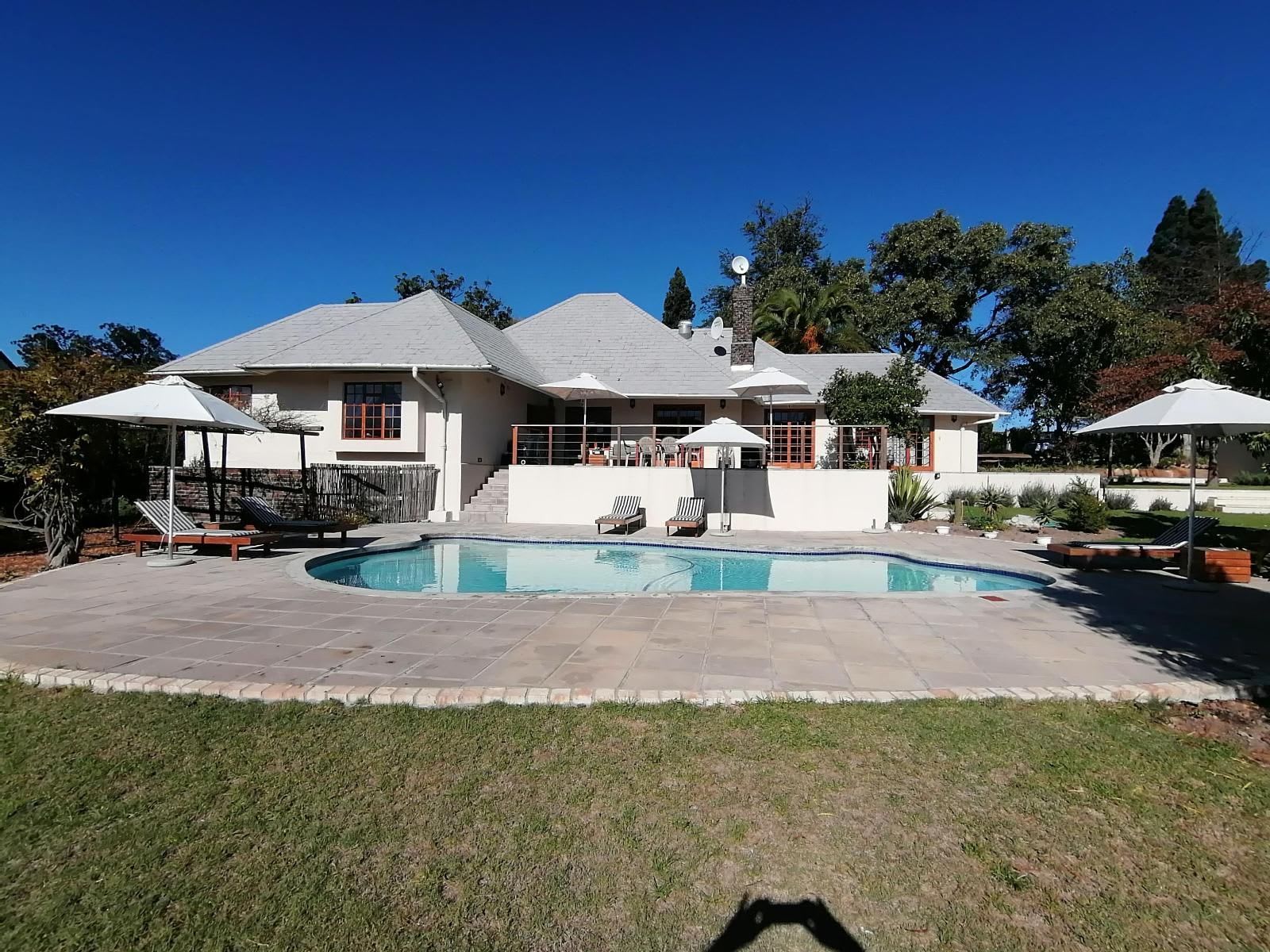
Stellenbosch
Biome Fynbos · English oak
Soutient Cape Leopard Trust
À partir de R 1,465 la nuit

The Crags, Plettenberg Bay
Biome Fynbos
Soutient National Sea Rescue Institute
À partir de R 1,950 la nuit

Somerset West
Biome Fynbos
Soutient Love to Give
Prix sur demande

Voëlklip, Hermanus
Biome Fynbos · Southern right whale
Soutient Stanford Animal Welfare Society et 1 autre cause
À partir de R 2,235 la nuit

Prince Albert
Biome Nama-Karoo · Spekboom
Soutient Wolwekraal Nature Reserve
À partir de R 1,200 la nuit

Simon's Town, Cape Town
Biome Fynbos
Soutient SANCCOB et 4 autres causes
Prix sur demande

Franschhoek
Biome Fynbos · English oak
Soutient Cape Leopard Trust
À partir de R 3,425 la nuit

Prochaine étape
Southern right whales, sea cliffs, and Hermanus's harbour town
Voir les hébergements engagésPréparer un voyage
Pectoral Sandpiper : signalé par des hôtes dans ou près de Rocherpan Nature Reserve.
Conduire soi-même
Votre véhicule et votre rythme, sur les routes du parc.
Parcs où l’espèce est signalée
Espèce
Calidris melanotos
Observations
59
observations iNaturalist
Chaque réservation sur Spekboom soutient la conservation.
Une observation signifie qu’un hôte a vu l’espèce Pectoral Sandpiper sur place ou à proximité. Ce n’est jamais une garantie de la voir.
Hosts on Spekboom have recorded the Pectoral Sandpiper at stays in or beside Rocherpan Nature Reserve. A record means a host has seen it on the property or nearby, which makes these the places to base yourself; it is never a guarantee of a sighting on any given day.
The Pectoral Sandpiper is most recorded in Western Cape (78% of records), KwaZulu-Natal (10% of records), Mpumalanga (5% of records), based on 59 iNaturalist observations. 5 places to stay on Spekboom in Western Cape have recorded the Pectoral Sandpiper on site or nearby.
Sightings of the Pectoral Sandpiper peak from Dec to Feb, based on 59 iNaturalist records. You may still see it outside those months, sightings are just less frequent.
The pectoral sandpiper (Calidris melanotos) is a small, migratory wader that breeds in North America and Asia, wintering in South America and Oceania. It eats small invertebrates. Its nest, a hole scraped in the ground and with a thick lining, is deep enough to protect its four eggs from the cool breezes of its breeding grounds.


