
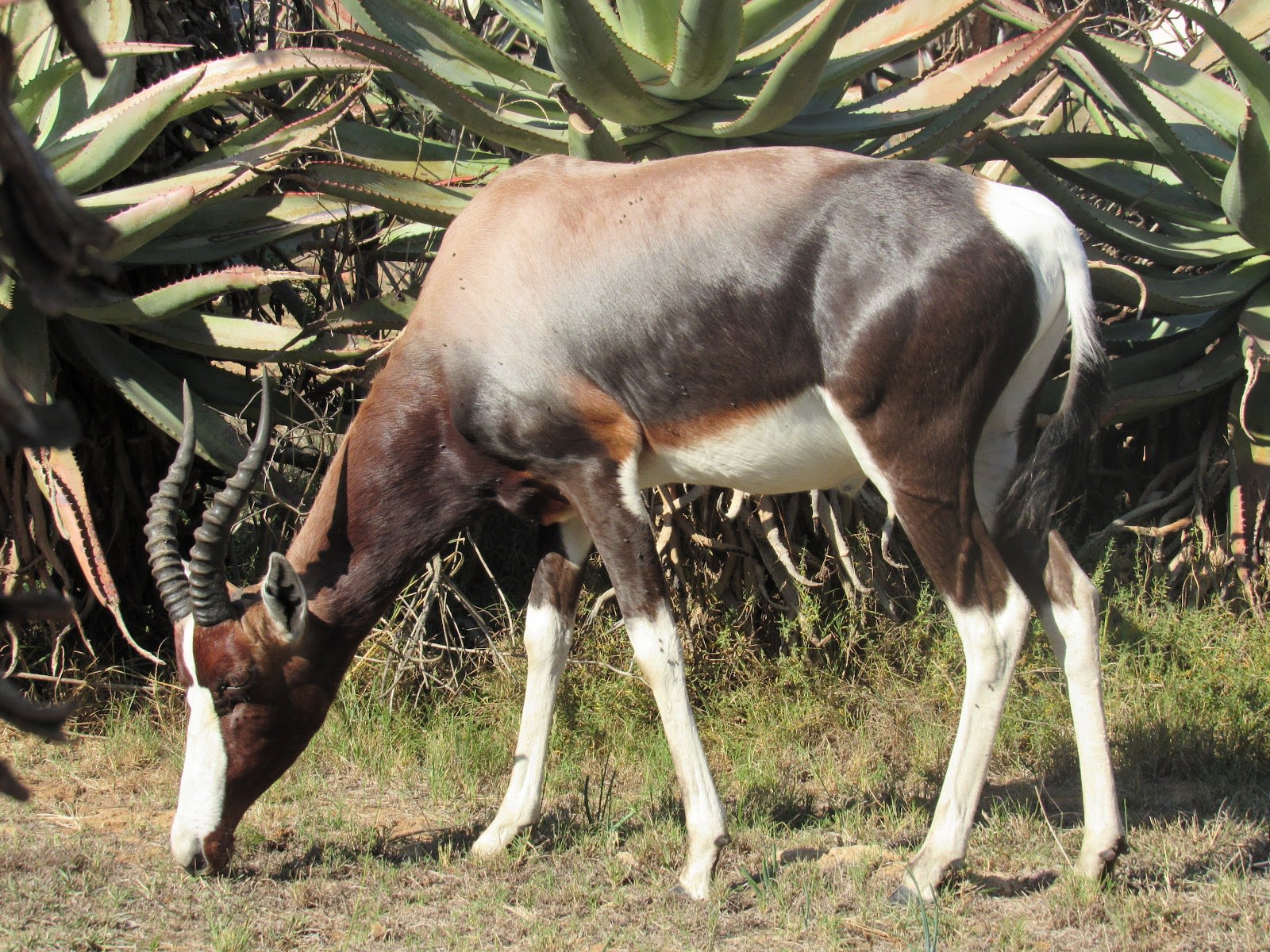
Bontebok National Park
Western Cape · Best Sep to Apr
1 lieu

The green sandpiper (Tringa ochropus) is a small wader (shorebird) of the Old World.
Mpumalanga and beyond
Provinces where Green Sandpiper is most recorded. Tap one to find places to stay.
39 records, iNaturalist
À travers Cap-Occidental
Bontebok National Park
Green Sandpiper : espèce observée ici

Benguela Cove, Hermanus

Accueillant pour les ornithologues

Oudtshoorn


Wittedrift, Plettenberg Bay


Riebeek Valley, Riebeek West

Accueillant pour les ornithologues

Gardens, Cape Town

Klapmuts, Simondium

Bakoven, Cape Town

Swellendam


Franschhoek

Stanford

Stellenbosch


Stanford
Accueillant pour les ornithologues

The Crags, Plettenberg Bay

Voëlklip, Hermanus


Somerset West


Franschhoek

Prince Albert

Simon's Town, Cape Town


Franschhoek

Constantia, Cape Town

Constantia, Cape Town

Calitzdorp

Stanford

Prochaine étape
Southern right whales, sea cliffs, and Hermanus's harbour town
Voir les hébergements engagésPréparer un voyage
Green Sandpiper : signalé par des hôtes dans ou près de Bontebok National Park.
Conduire soi-même
Votre véhicule et votre rythme, sur les routes du parc.
Parcs où l’espèce est signalée
Liste rouge de l’UICN
Least Concern
Espèce
Tringa ochropus
Observations
39
observations iNaturalist
Chaque réservation sur Spekboom soutient la conservation.
Une observation signifie qu’un hôte a vu l’espèce Green Sandpiper sur place ou à proximité. Ce n’est jamais une garantie de la voir.
Hosts on Spekboom have recorded the Green Sandpiper at stays in or beside Bontebok National Park. A record means a host has seen it on the property or nearby, which makes these the places to base yourself; it is never a guarantee of a sighting on any given day.
The Green Sandpiper is most recorded in Mpumalanga (33% of records), KwaZulu-Natal (21% of records), Gauteng (21% of records), based on 39 iNaturalist observations. 1 place to stay on Spekboom in Western Cape has recorded the Green Sandpiper on site or nearby.
The Green Sandpiper (Tringa ochropus) is listed as Least Concern on the IUCN Red List.
The green sandpiper (Tringa ochropus) is a small wader (shorebird) of the Old World. The genus name Tringa is the New Latin name given to the green sandpiper by Aldrovandus in 1599 based on Ancient Greek trungas, a thrush-sized, white-rumped, tail-bobbing wading bird mentioned by Aristotle. The specific ochropus is from Ancient Greek okhros, "ochre", and pous, "foot".