
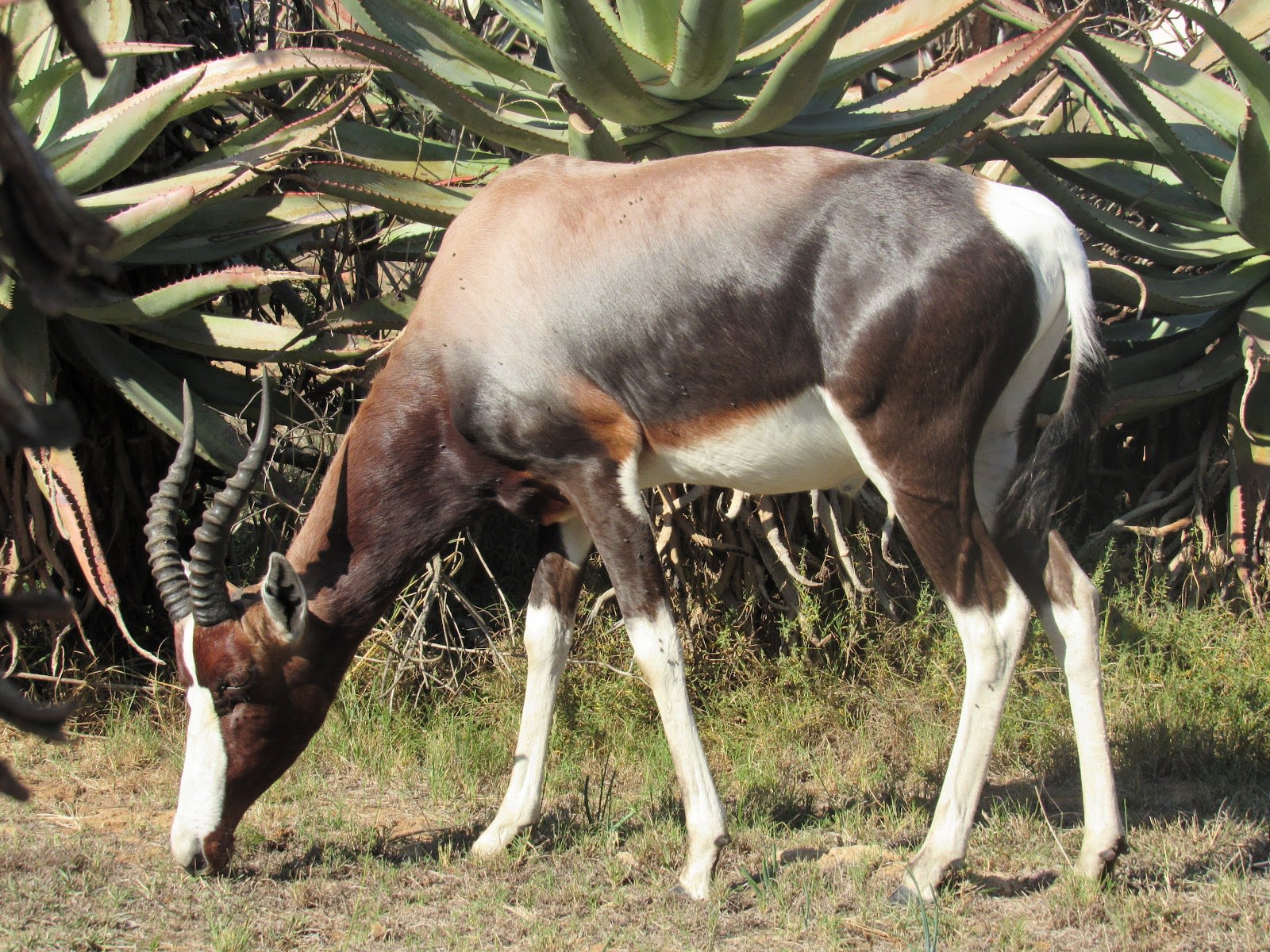
Bontebok National Park
Western Cape · Best Sep to Apr
1 luogo

The green sandpiper (Tringa ochropus) is a small wader (shorebird) of the Old World.
Mpumalanga and beyond
Provinces where Green Sandpiper is most recorded. Tap one to find places to stay.
39 records, iNaturalist
In tutto il Capo Occidentale
Bontebok National Park
Green Sandpiper: segnalato qui

Benguela Cove, Hermanus

Birder Friendly

Oudtshoorn


Wittedrift, Plettenberg Bay


Riebeek Valley, Riebeek West

Birder Friendly

Gardens, Cape Town

Klapmuts, Simondium

Bakoven, Cape Town

Swellendam


Franschhoek

Stanford

Stellenbosch


Stanford
Birder Friendly

The Crags, Plettenberg Bay

Voëlklip, Hermanus


Somerset West


Franschhoek

Prince Albert

Simon's Town, Cape Town


Franschhoek

Constantia, Cape Town

Constantia, Cape Town

Calitzdorp

Stanford

Prossima tappa
Southern right whales, sea cliffs, and Hermanus's harbour town
Vedi le strutture che sostengono una causaPianificare un viaggio
Gli host hanno segnalato questa specie (Green Sandpiper) in strutture dentro o accanto a Bontebok National Park.
Guidare in autonomia
Il Suo veicolo e il Suo ritmo, sulle strade del parco.
Dove lo segnalano gli host
Lista Rossa IUCN
Least Concern
Specie
Tringa ochropus
Segnalazioni
39
Osservazioni su iNaturalist
Ogni prenotazione su Spekboom sostiene la conservazione.
Una segnalazione significa che un host ha visto questa specie (Green Sandpiper) nella struttura o nei dintorni. Non è mai una garanzia di avvistamento.
Hosts on Spekboom have recorded the Green Sandpiper at stays in or beside Bontebok National Park. A record means a host has seen it on the property or nearby, which makes these the places to base yourself; it is never a guarantee of a sighting on any given day.
The Green Sandpiper is most recorded in Mpumalanga (33% of records), KwaZulu-Natal (21% of records), Gauteng (21% of records), based on 39 iNaturalist observations. 1 place to stay on Spekboom in Western Cape has recorded the Green Sandpiper on site or nearby.
The Green Sandpiper (Tringa ochropus) is listed as Least Concern on the IUCN Red List.
The green sandpiper (Tringa ochropus) is a small wader (shorebird) of the Old World. The genus name Tringa is the New Latin name given to the green sandpiper by Aldrovandus in 1599 based on Ancient Greek trungas, a thrush-sized, white-rumped, tail-bobbing wading bird mentioned by Aristotle. The specific ochropus is from Ancient Greek okhros, "ochre", and pous, "foot".
