

Kgalagadi Transfrontier Park
Northern Cape · Best Aug to Oct
9 lieux

The marsh sandpiper (Tringa stagnatilis) is a small wader.
Most records Oct to Jan
When Marsh Sandpiper sightings peak, from open records. Outside these months it is seen less often, not never.
Curve from 228 national iNaturalist observations, not from one property. Single-month spikes are discarded as upload artefacts, and below 50 records we show no curve at all.
Western Cape and beyond
Provinces where Marsh Sandpiper is most recorded. Tap one to find places to stay.
228 records, iNaturalist
À travers Cap-Nord

Kgalagadi Transfrontier Park
Marsh Sandpiper : espèce observée ici

Ai-Ais/Richtersveld Transfrontier Park
Marsh Sandpiper : espèce observée ici

Kgalagadi Transfrontier Park
Marsh Sandpiper : espèce observée ici

Kgalagadi Transfrontier Park
Marsh Sandpiper : espèce observée ici

Kgalagadi Transfrontier Park
Marsh Sandpiper : espèce observée ici

Mokala National Park
Marsh Sandpiper : espèce observée ici

Ai-Ais/Richtersveld Transfrontier Park
Marsh Sandpiper : espèce observée ici

Mokala National Park
Marsh Sandpiper : espèce observée ici
Kgalagadi Transfrontier Park
Marsh Sandpiper : espèce observée ici

Tankwa Karoo National Park
Marsh Sandpiper : espèce observée ici
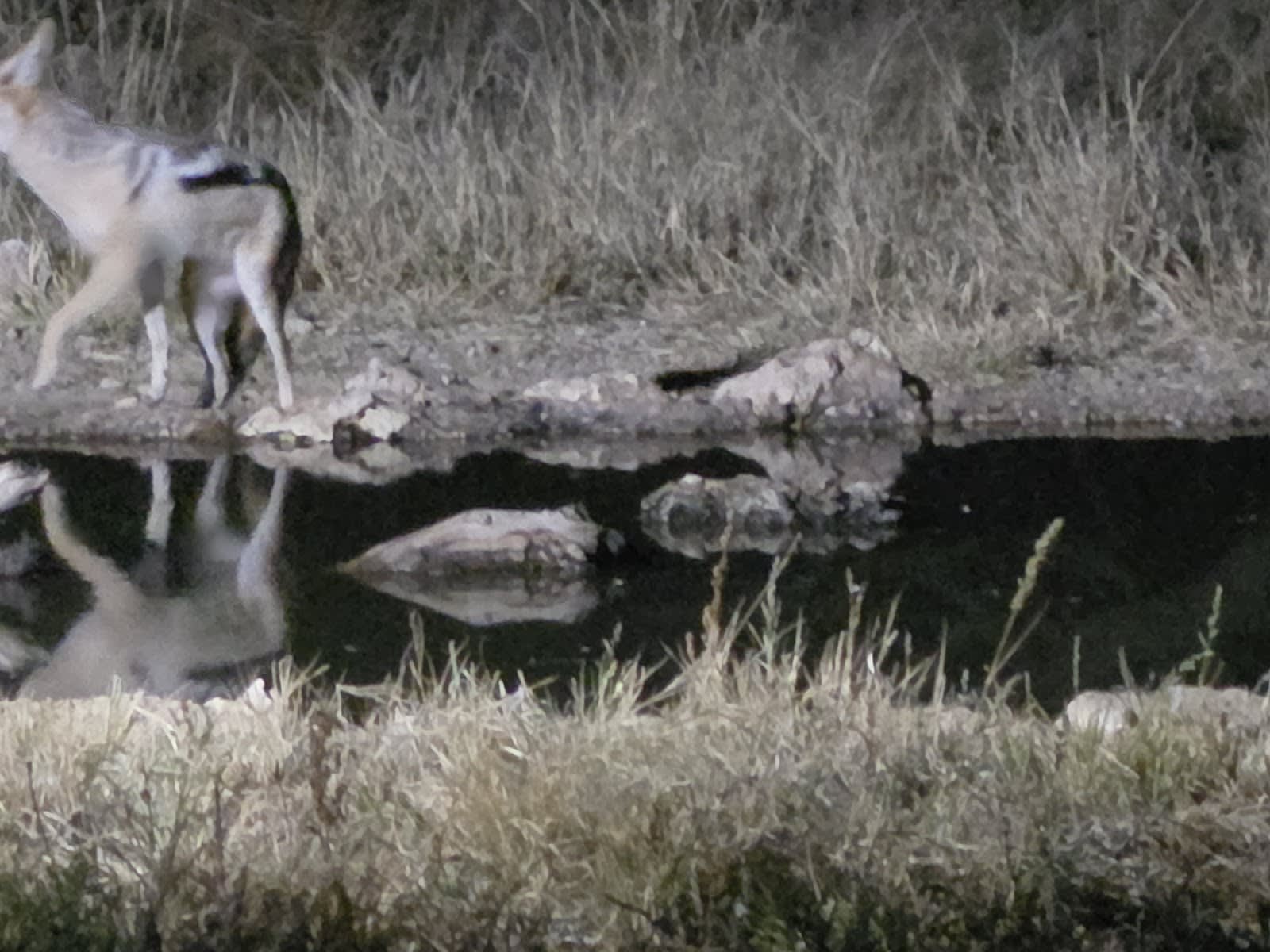
Kgalagadi Transfrontier Park
Marsh Sandpiper : espèce observée ici
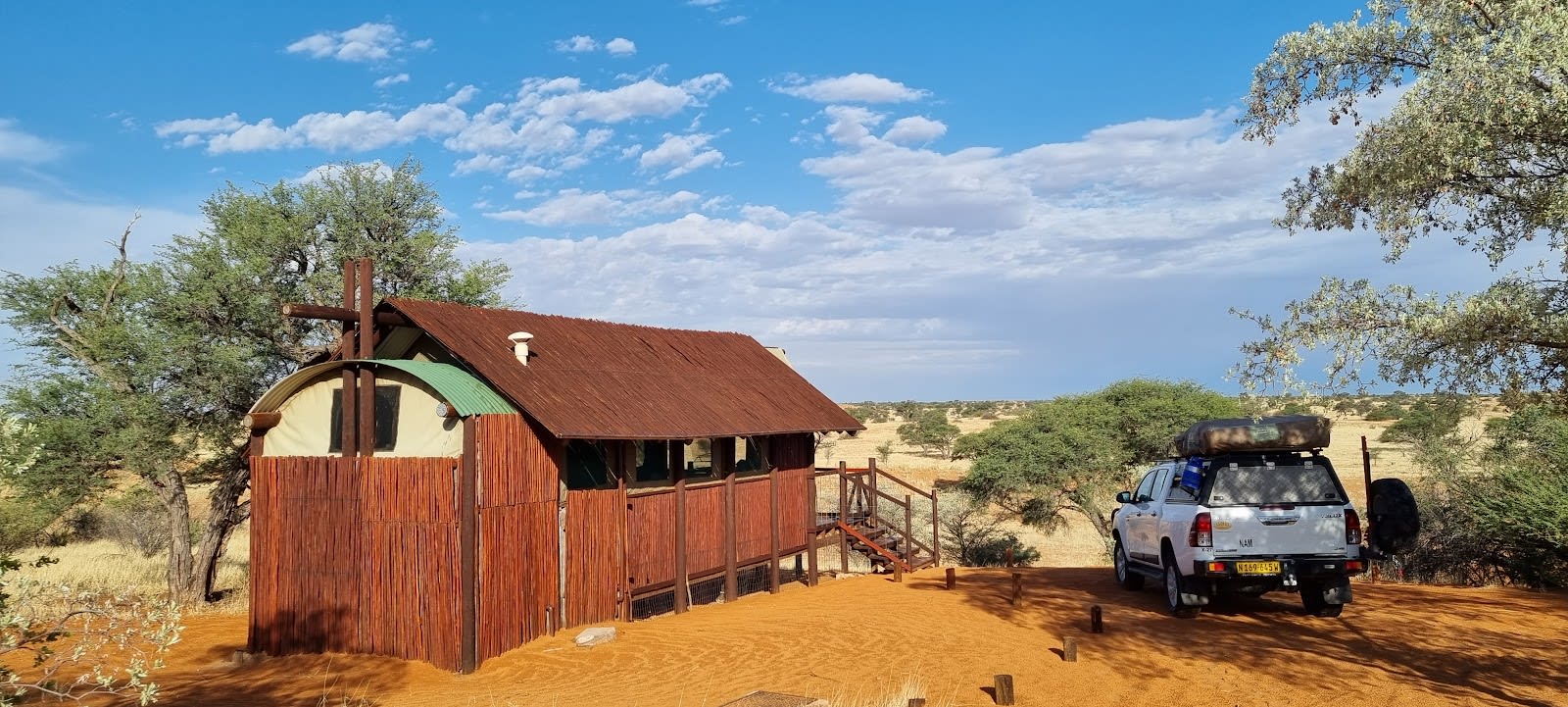
Kgalagadi Transfrontier Park
Marsh Sandpiper : espèce observée ici

Mokala National Park
Marsh Sandpiper : espèce observée ici
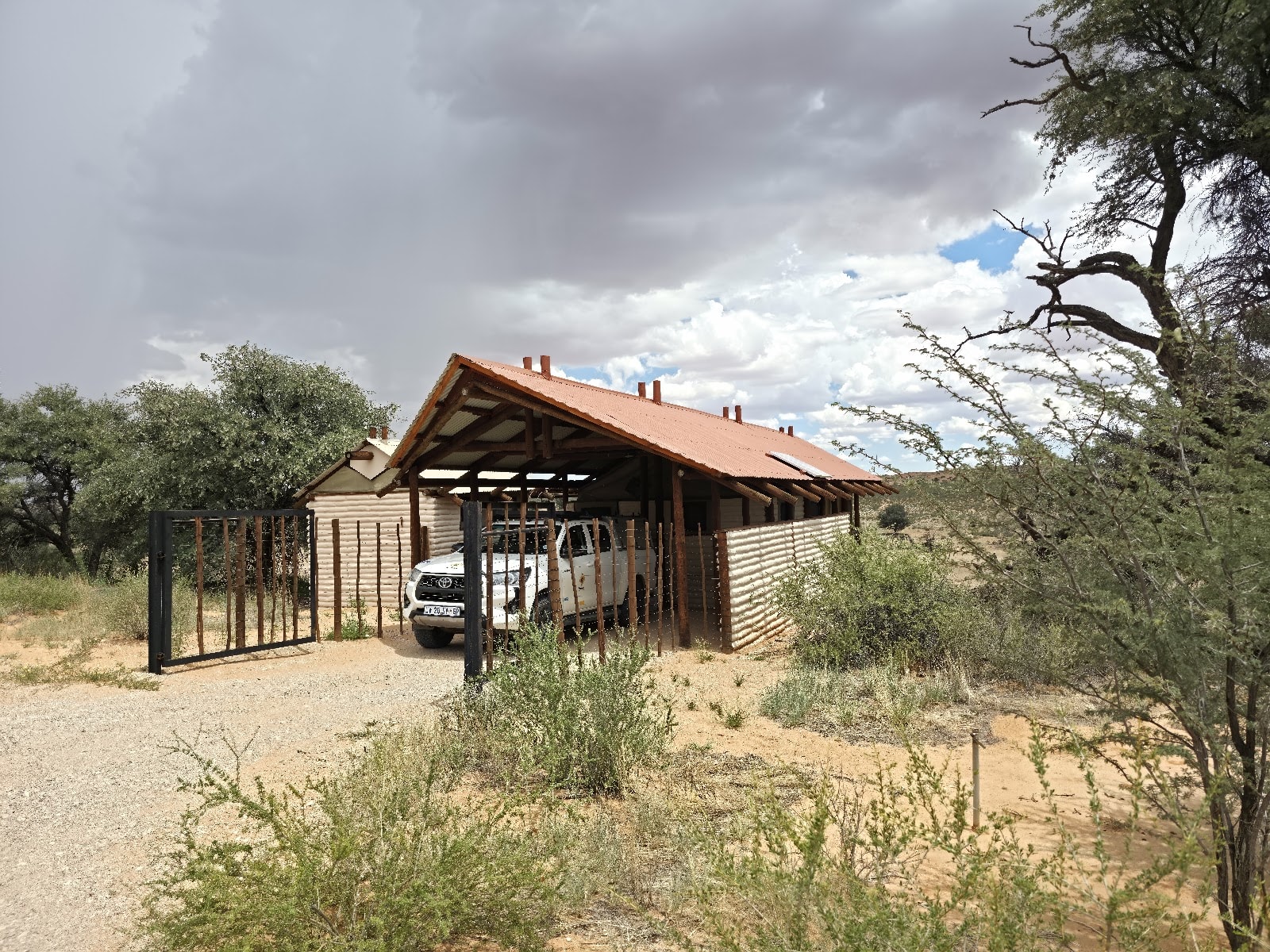
Kgalagadi Transfrontier Park
Marsh Sandpiper : espèce observée ici

Tankwa Karoo National Park
Marsh Sandpiper : espèce observée ici

Kgalagadi Transfrontier Park
Marsh Sandpiper : espèce observée ici
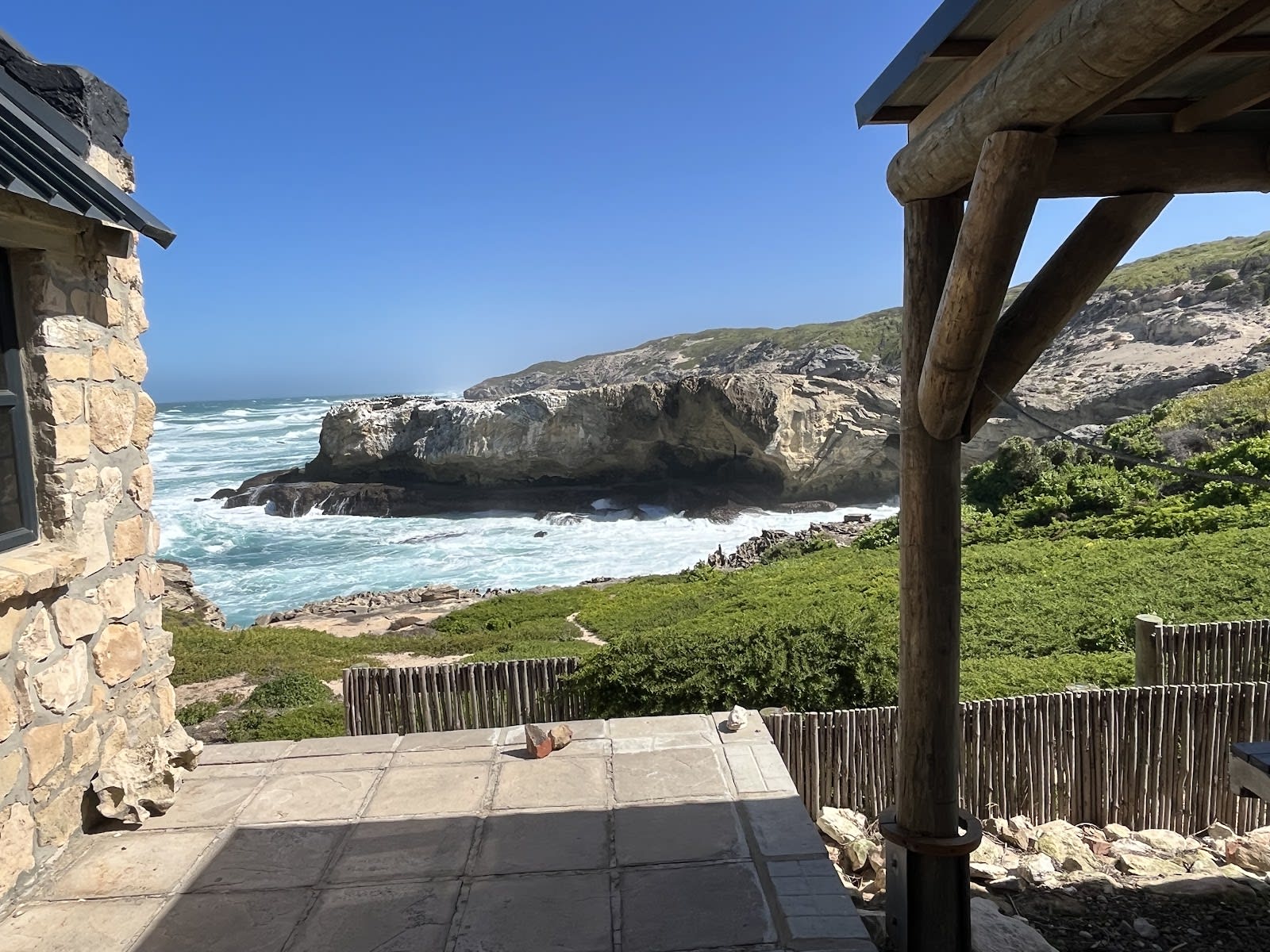
Ai-Ais/Richtersveld Transfrontier Park
Marsh Sandpiper : espèce observée ici

Richmond

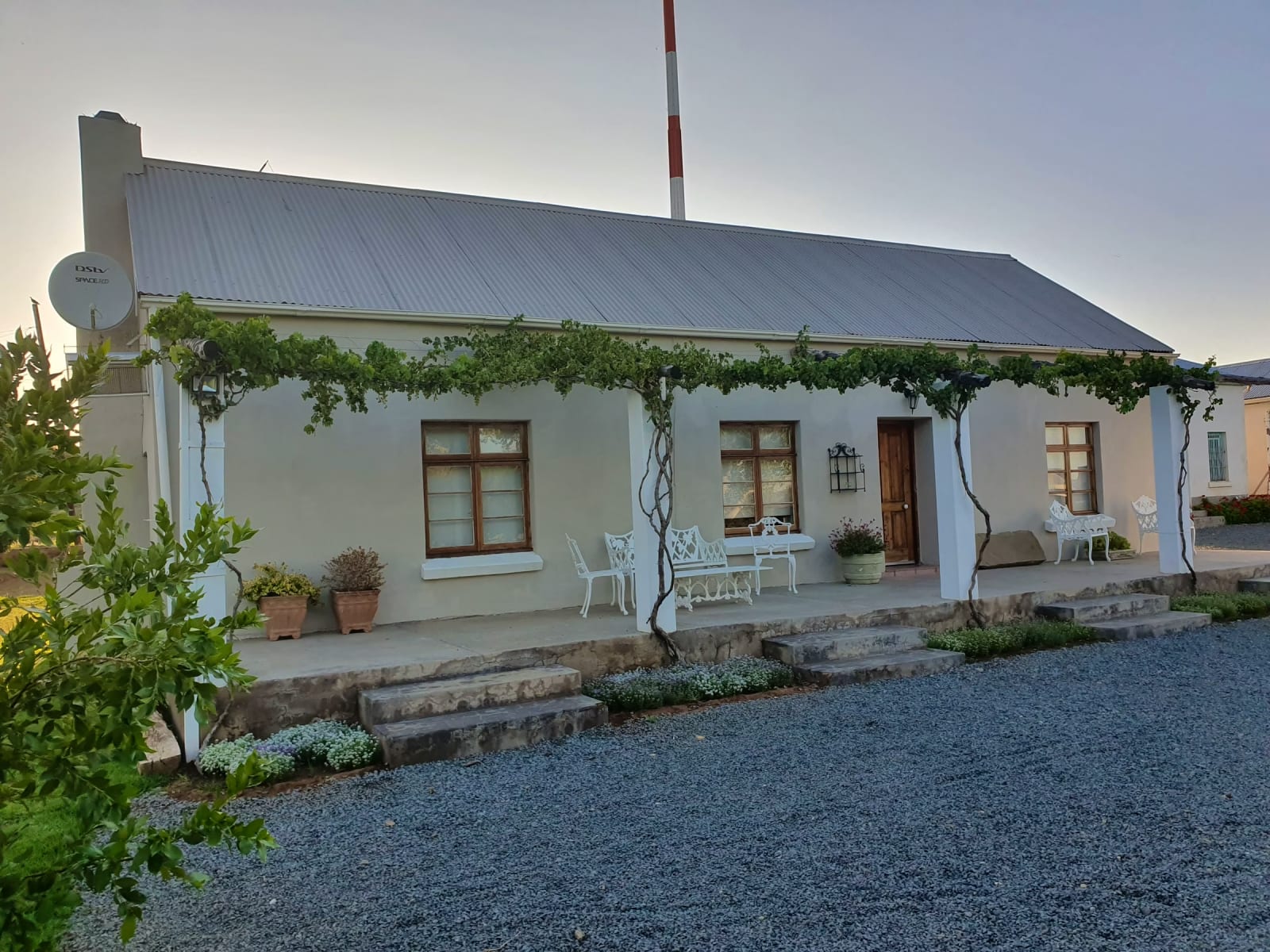
Colesberg

Sutherland


Northern Cape
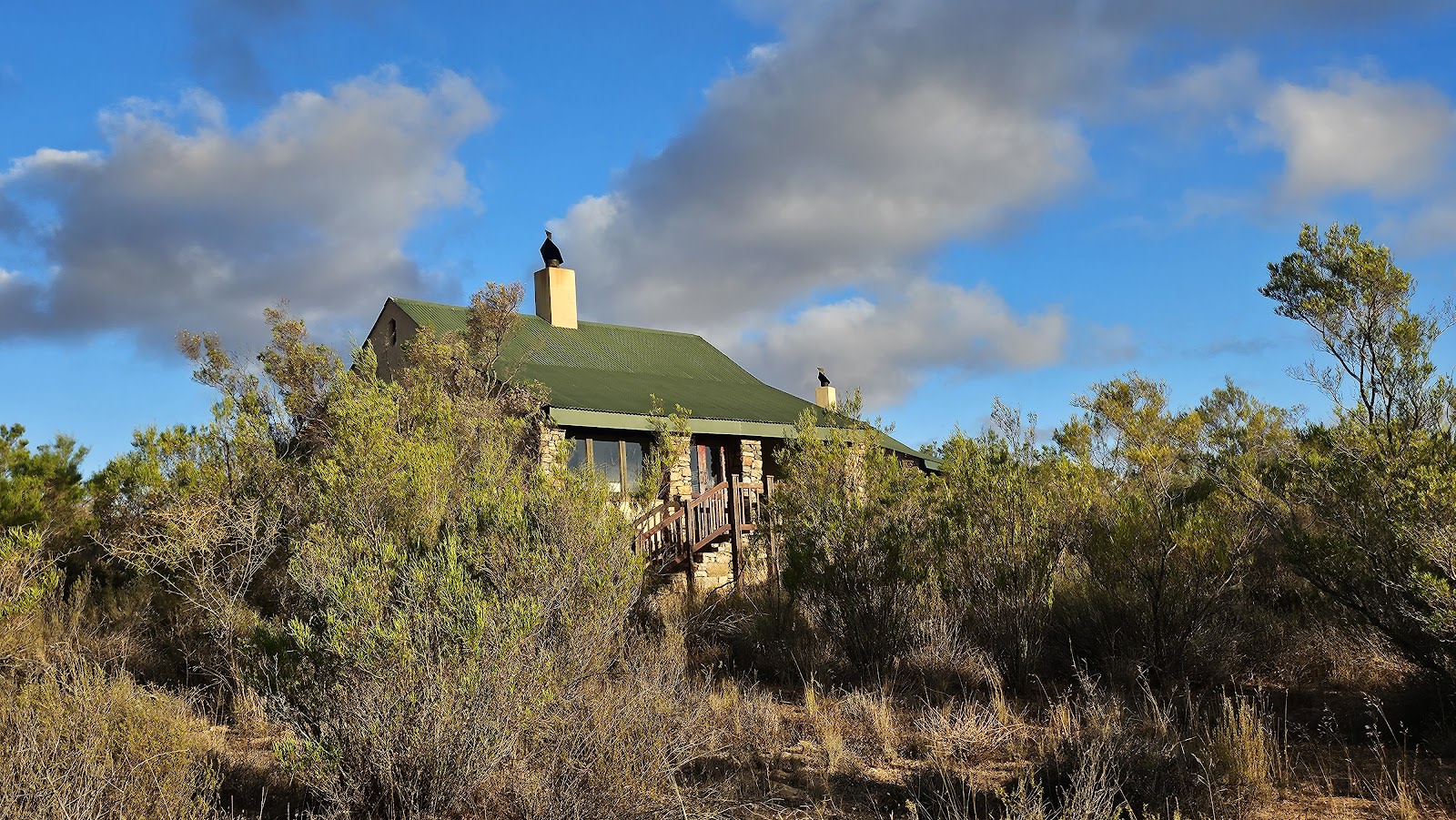
Namaqua National Park

Augrabies Falls National Park

Concordia, Springbok
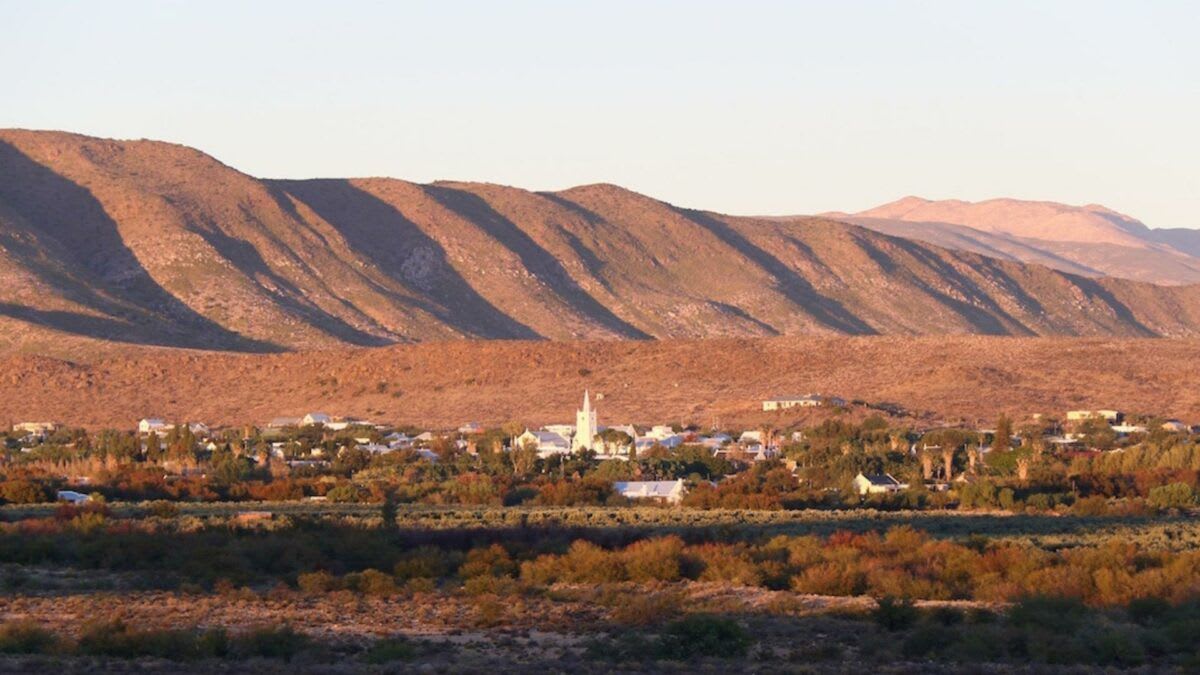
Prochaine étape
South Africa's vast inland heart: silence, stars, and wide horizons
Voir les hébergements engagésPréparer un voyage
Marsh Sandpiper : signalé par des hôtes dans ou près de Kgalagadi Transfrontier Park, Ai-Ais/Richtersveld Transfrontier Park and Mokala National Park.
Conduire soi-même
Votre véhicule et votre rythme, sur les routes du parc.
Parcs où l’espèce est signalée
Espèce
Tringa stagnatilis
Observations
228
observations iNaturalist
Chaque réservation sur Spekboom soutient la conservation.
Une observation signifie qu’un hôte a vu l’espèce Marsh Sandpiper sur place ou à proximité. Ce n’est jamais une garantie de la voir.
Hosts on Spekboom have recorded the Marsh Sandpiper at stays in or beside Kgalagadi Transfrontier Park, Ai-Ais/Richtersveld Transfrontier Park, Mokala National Park and Tankwa Karoo National Park. A record means a host has seen it on the property or nearby, which makes these the places to base yourself; it is never a guarantee of a sighting on any given day.
The Marsh Sandpiper is most recorded in Western Cape (45% of records), KwaZulu-Natal (14% of records), Gauteng (11% of records), based on 228 iNaturalist observations. 17 places to stay on Spekboom in Northern Cape have recorded the Marsh Sandpiper on site or nearby.
Sightings of the Marsh Sandpiper peak from Oct to Jan, based on 228 iNaturalist records. You may still see it outside those months, sightings are just less frequent.
The marsh sandpiper (Tringa stagnatilis) is a small wader. It is a rather small shank, and breeds in open grassy steppe and taiga wetlands from easternmost Europe to the Russian Far East. The genus name Tringa is the New Latin name given to the green sandpiper by Aldrovandus in 1599 based on Ancient Greek trungas, a thrush-sized, white-rumped, tail-bobbing wading bird mentioned by Aristotle.
