

Kruger National Park
Limpopo · Best Apr to Sep
19 lieux

Wildlife
The serval (Leptailurus serval) is a wild cat native to Africa.
Recorded year-round
Recorded in every month, so no month is the wrong month to look. We would rather say that than invent a best time.
Curve from 449 national iNaturalist observations, not from one property and not from this province. Single-month spikes are discarded as upload artefacts, and below 50 records we show no curve at all.
Gauteng and beyond
Provinces where Serval is most recorded. Tap one to find places to stay.
449 records, iNaturalist
À travers Limpopo

Kruger National Park

Serval : espèce observée ici

Kruger National Park
Serval : espèce observée ici

Kruger National Park
Serval : espèce observée ici

Kruger National Park
Serval : espèce observée ici

Kruger National Park
Serval : espèce observée ici

Timbavati Private Nature Reserve
Serval : espèce observée ici
Kruger National Park
Serval : espèce observée ici

Kruger National Park
Serval : espèce observée ici

Marakele National Park
Serval : espèce observée ici

Kruger National Park
Serval : espèce observée ici

Kruger National Park
Serval : espèce observée ici
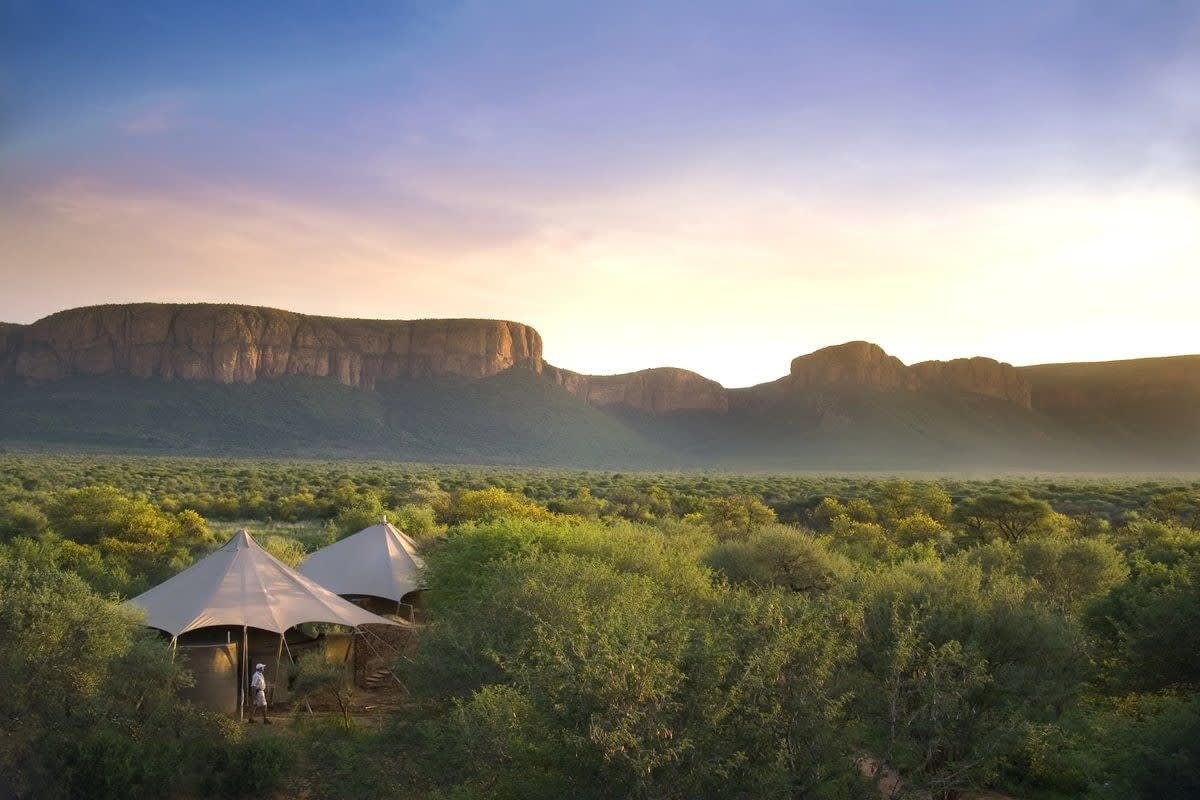
Marakele National Park
Serval : espèce observée ici

Marakele National Park
Serval : espèce observée ici

Kruger National Park
Serval : espèce observée ici
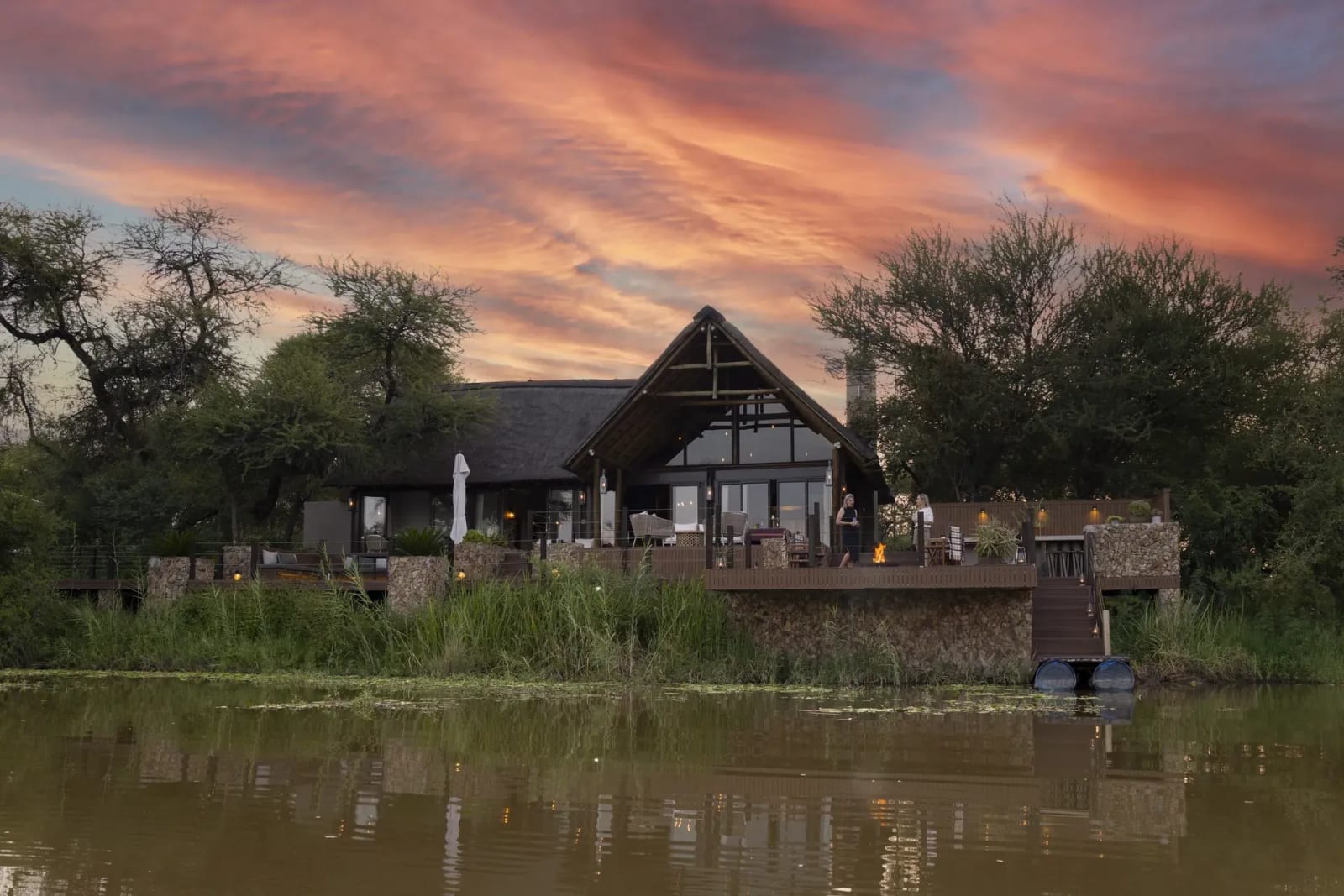
Marakele National Park
Serval : espèce observée ici

Kruger National Park
Serval : espèce observée ici
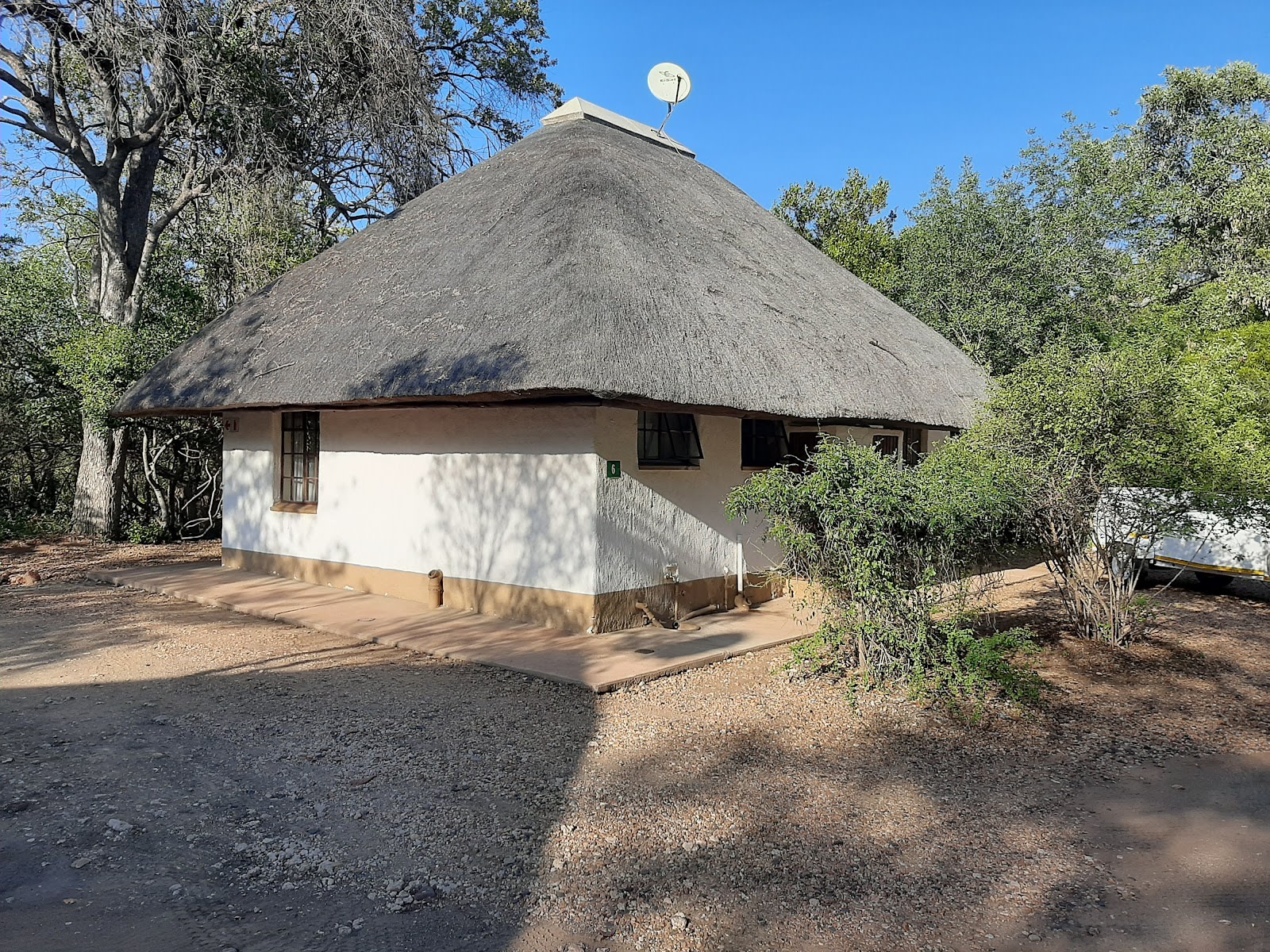
Kruger National Park
Serval : espèce observée ici

Welgevonden Game Reserve

Serval : espèce observée ici

Kruger National Park
Serval : espèce observée ici
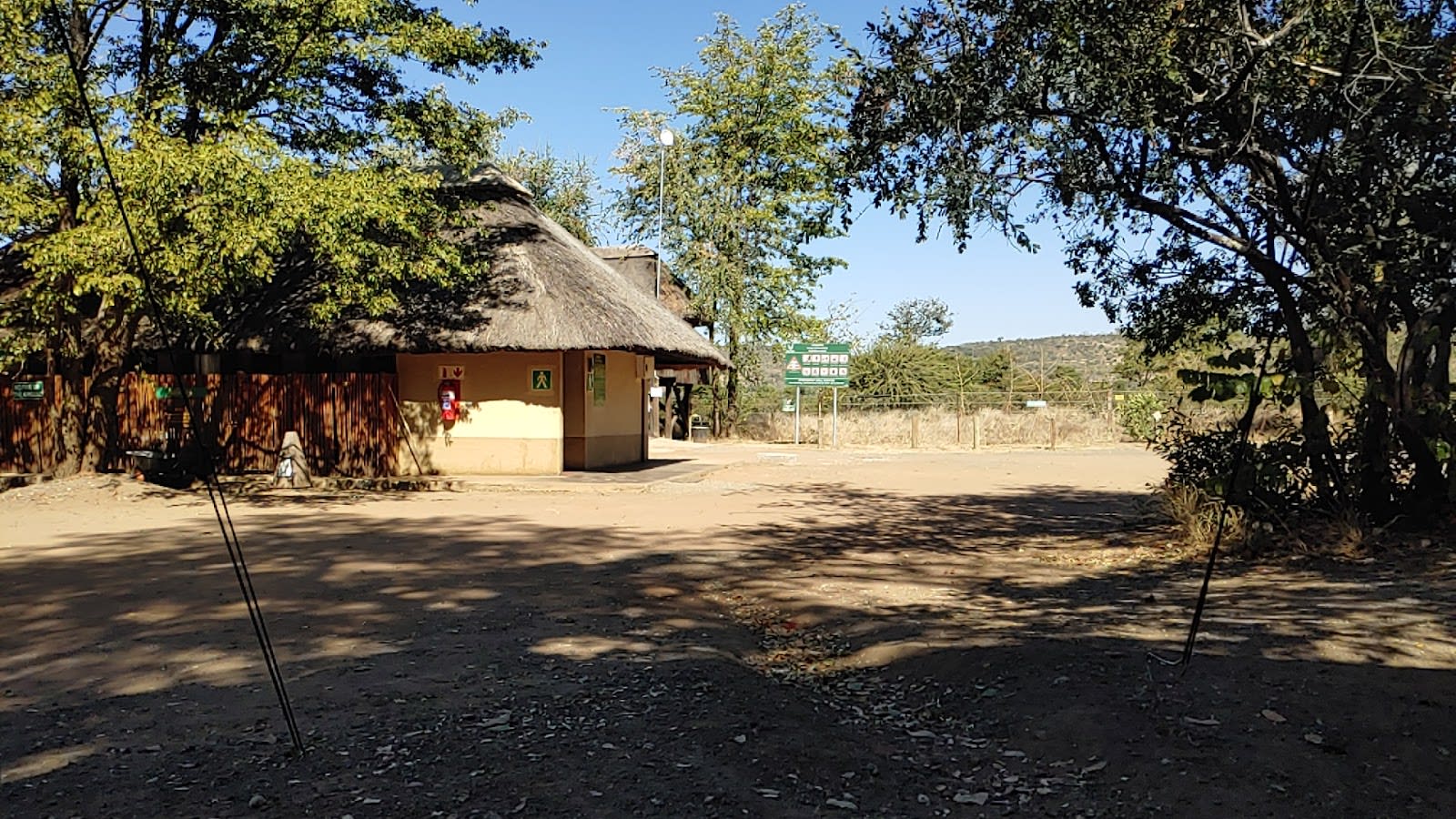
Kruger National Park
Serval : espèce observée ici

Welgevonden Game Reserve
Serval : espèce observée ici

Kruger National Park
Serval : espèce observée ici

Marakele National Park
Serval : espèce observée ici

Rust de Winter
Serval : espèce observée ici

Prochaine étape
iSimangaliso wetlands, sand forest, and Sodwana reefs
Voir les hébergements engagésPréparer un voyage
Serval : signalé par des hôtes dans ou près de Kruger National Park, Marakele National Park and Welgevonden Game Reserve.
| Parc | janv | févr | mars | avr | mai | juin | juil | août | sept | oct | nov | déc |
|---|---|---|---|---|---|---|---|---|---|---|---|---|
| Kruger | Présent | Présent | Présent | Plus facile à voir | Plus facile à voir | Plus facile à voir | Plus facile à voir | Plus facile à voir | Plus facile à voir | Présent | Présent | Présent |
| Marakele | Présent | Présent | Présent | Présent | Plus facile à voir |
Les mois plus foncés sont la meilleure saison de chaque parc, quand la brousse clairsemée ou le manque d’eau facilite l’observation. Une observation n’est jamais garantie.
Safaris guidés depuis un lodge
Un guide qui sait où chercher, avec hors-piste et safaris de nuit dans les réserves privées.
Parcs où l’espèce est signalée
Espèce
Leptailurus serval
Observations
449
observations iNaturalist
Chaque réservation sur Spekboom soutient la conservation.
Une observation signifie qu’un hôte a vu l’espèce Serval sur place ou à proximité. Ce n’est jamais une garantie de la voir.
Hosts on Spekboom have recorded the Serval at stays in or beside Kruger National Park, Marakele National Park, Welgevonden Game Reserve and Timbavati Private Nature Reserve. A record means a host has seen it on the property or nearby, which makes these the places to base yourself; it is never a guarantee of a sighting on any given day.
The Serval is most recorded in Gauteng (26% of records), KwaZulu-Natal (20% of records), Mpumalanga (18% of records), based on 449 iNaturalist observations. 28 places to stay on Spekboom in Limpopo have recorded the Serval on site or nearby.
The Serval is recorded throughout the year, so no month is the wrong month to look for it. For the parks where hosts record it most, these are the best seasons they give. Kruger National Park: Apr-Sep; Marakele National Park: May-Sep, dry season; Welgevonden Game Reserve: May-Sep, dry season; Timbavati Private Nature Reserve: May-Sep, dry season. In the dry months animals concentrate at water and the grass is short.
The serval (Leptailurus serval) is a wild cat native to Africa. It is rare in North Africa and the Sahel, but widespread in sub-Saharan countries except rainforest regions. On the IUCN Red List it is listed as Least Concern. Across its range, it occurs in protected areas, and hunting it is either prohibited or regulated in range countries.
| Plus facile à voir |
| Plus facile à voir |
| Plus facile à voir |
| Plus facile à voir |
| Présent |
| Présent |
| Présent |
| Welgevonden | Présent | Présent | Présent | Présent | Plus facile à voir | Plus facile à voir | Plus facile à voir | Plus facile à voir | Plus facile à voir | Présent | Présent | Présent |
|---|
| Timbavati | Présent | Présent | Présent | Présent | Plus facile à voir | Plus facile à voir | Plus facile à voir | Plus facile à voir | Plus facile à voir | Présent | Présent | Présent |
|---|
