
Kruger National Park
Limpopo · Best Apr to Sep
16 Orte

Wildlife
The impala is a medium-sized antelope found in eastern and southern Africa.
Recorded year-round
Recorded in every month, so no month is the wrong month to look. We would rather say that than invent a best time.
Curve from 7,391 national iNaturalist observations, not from one property. Single-month spikes are discarded as upload artefacts, and below 50 records we show no curve at all.
Mpumalanga and beyond
Provinces where Impala is most recorded. Tap one to find places to stay.
7,391 records, iNaturalist
In ganz Südafrika
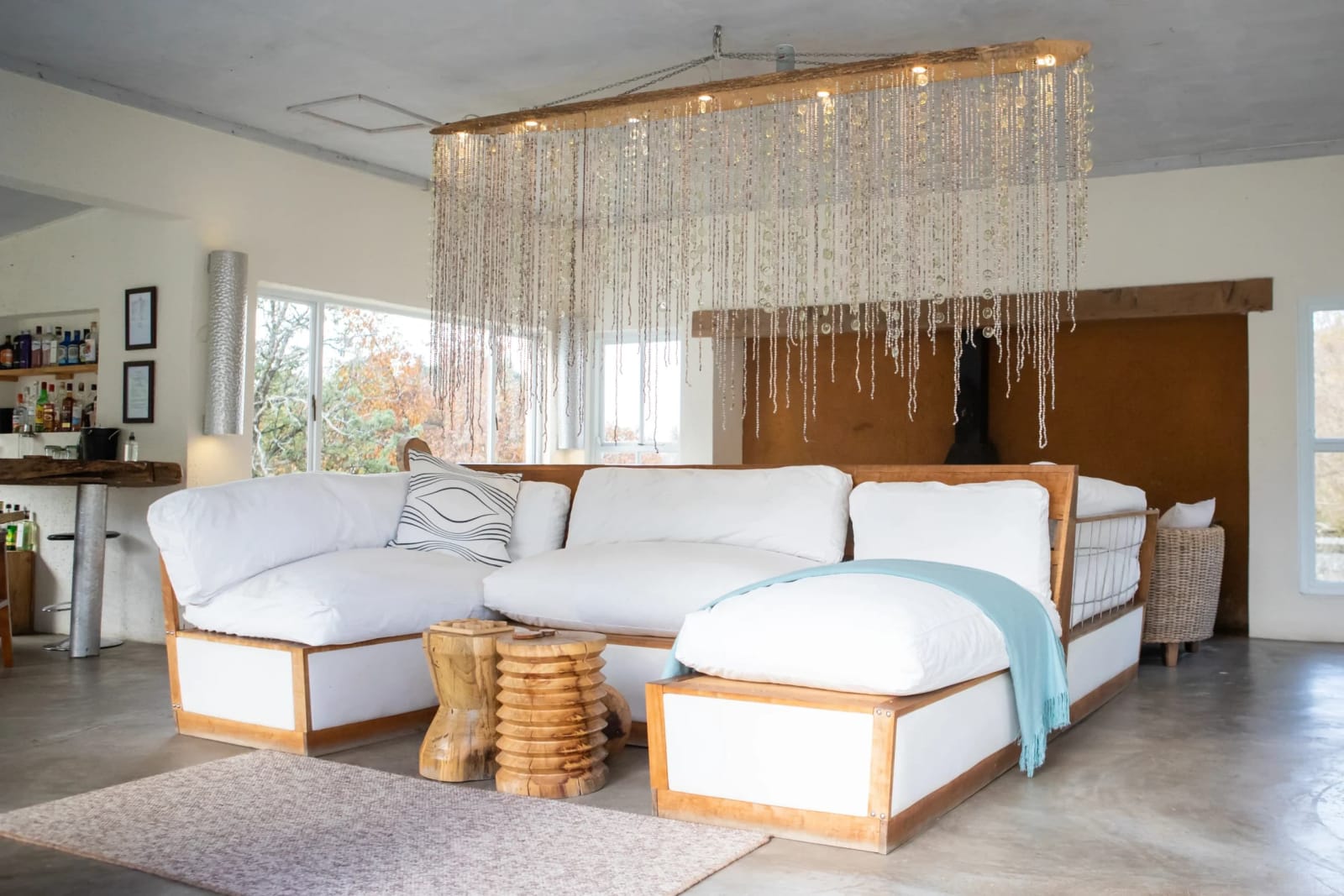
Nottingham Road
Impala hier erfasst · Grasland-Biom · Bushbuck · Serval
Hilft Royal Drakensberg Education Trust
Ab R 4,100 pro Nacht

Kruger National Park
Impala hier erfasst · Savanne-Biom · Leopard · Spotted hyena
Hilft BirdLife South Africa
Ab R 11,820 pro Nacht

Sundays River Valley, Addo
Impala hier erfasst · Albany-Dickicht-Biom · Black wildebeest · Blue wildebeest
Hilft Endangered Wildlife Trust
Ab R 7,500 pro Nacht

Madikwe
Impala hier erfasst · Savanne-Biom · Leopard · Lion
Hilft Jaci's Lodge Trust
Ab R 31,500 pro Nacht
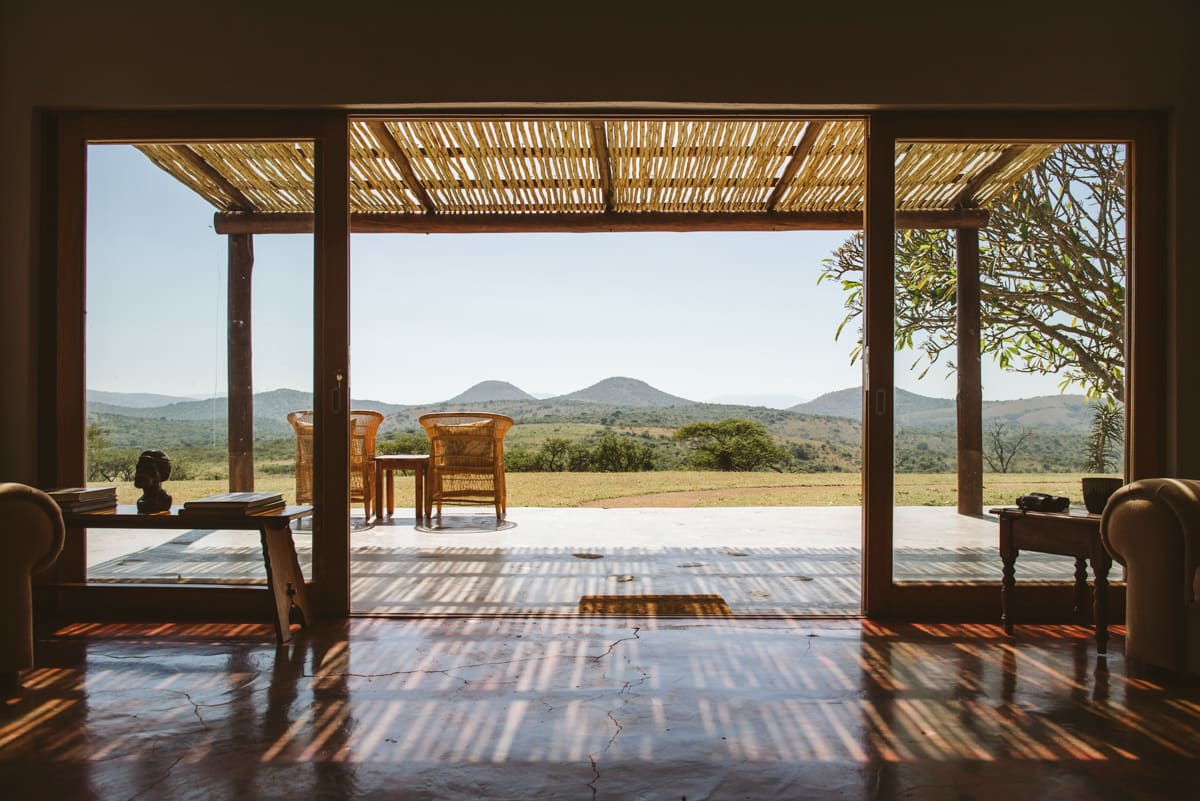
Magudu
Impala hier erfasst · Savanne-Biom · Leopard · Lion
Hilft Zululand Conservation Trust
Ab R 1,280 pro Nacht

Timbavati Private Nature Reserve
Impala hier erfasst · Savanne-Biom · Lion · Leopard
Preis auf Anfrage

Kruger National Park
Impala hier erfasst · Savanne-Biom · Leopard · Lion
Ab R 10,670 pro Nacht

Marloth Park
Impala hier erfasst · Savanne-Biom · Giraffe · Warthog
Hilft DAKTARI Bush School
Ab R 2,473 pro Nacht

Hluhluwe-Imfolozi Park
Impala hier erfasst · Savanne-Biom · African wild dog · Spotted hyena
Hilft Isibindi Foundation
Preis auf Anfrage

Kruger National Park
Impala hier erfasst · Savanne-Biom · Leopard · Lion
Hilft Endangered Wildlife Trust
Ab R 17,400 pro Nacht
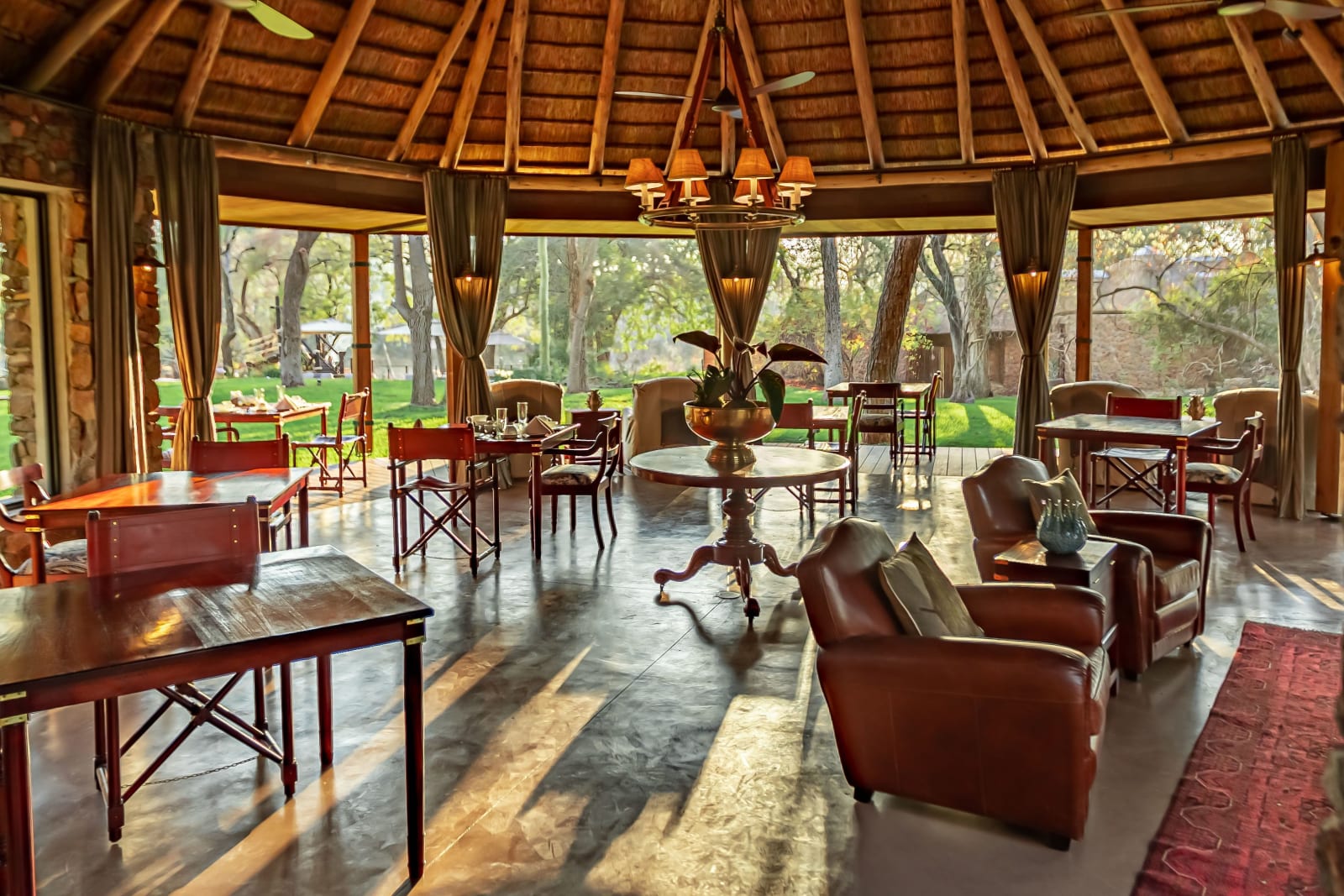
Sabi Sand Game Reserve
Impala hier erfasst · Savanne-Biom · Leadwood · Leopard
Hilft DAKTARI Bush School
Ab R 28,990 pro Nacht

Kruger National Park
Impala hier erfasst · Savanne-Biom · Leopard · Lion
Hilft DAKTARI Bush School
Preis auf Anfrage

Kruger National Park
Impala hier erfasst · Savanne-Biom · Impala · Spotted hyena
Hilft Endangered Wildlife Trust
Ab R 11,980 pro Nacht

Kruger National Park
Impala hier erfasst · Savanne-Biom · Leopard · Lion
Hilft Endangered Wildlife Trust
Ab R 17,500 pro Nacht

Sabi Sand Game Reserve
Impala hier erfasst · Savanne-Biom · Leopard · Lion
Preis auf Anfrage

Hluhluwe
Impala hier erfasst · Savanne-Biom · Giraffe · Nyala
Hilft BirdLife South Africa
Ab R 3,280 pro Nacht

Hankey
Impala hier erfasst · Fynbos-Biom · Giraffe · Impala
Hilft BirdLife South Africa
Ab R 485 pro Nacht
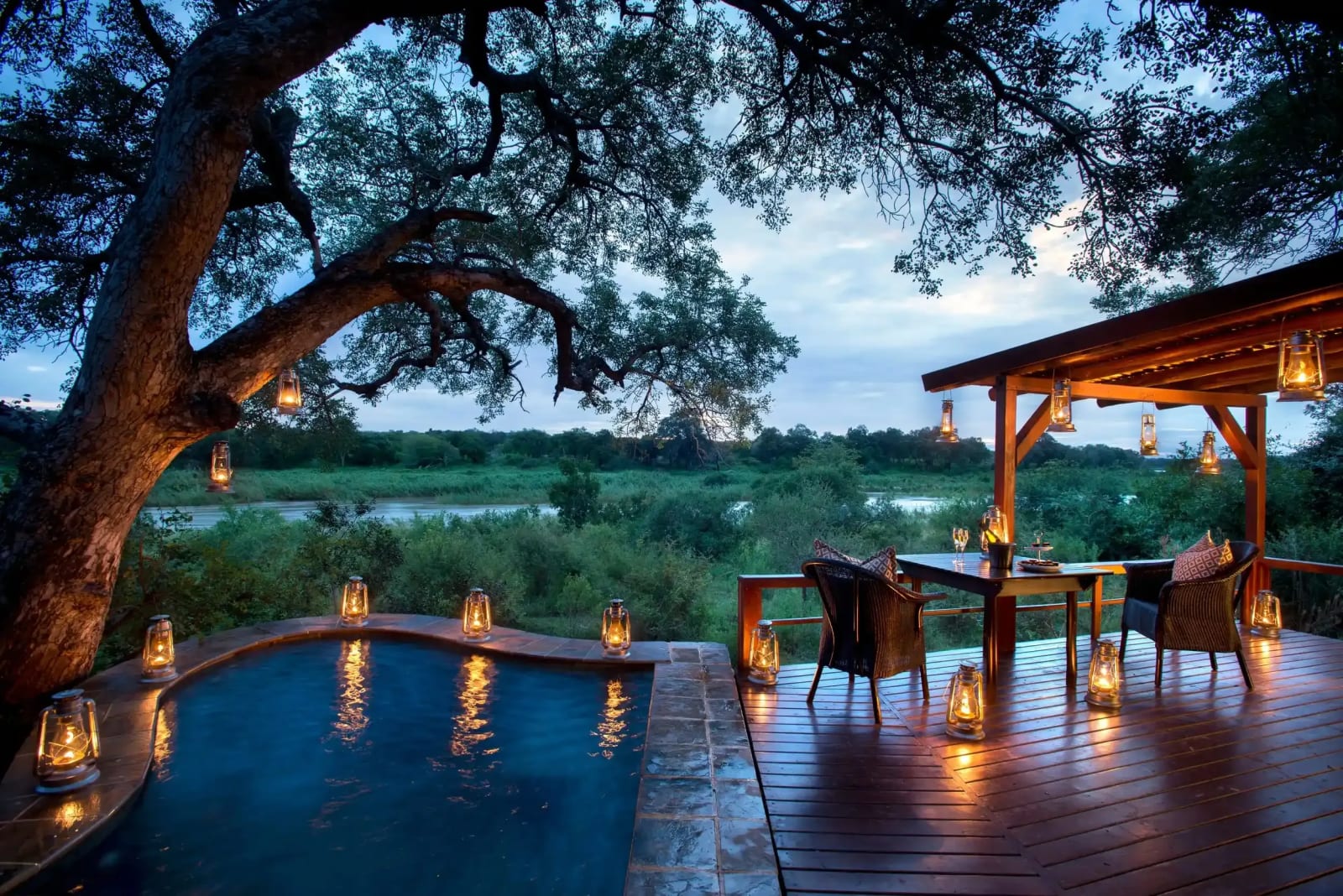
Kruger National Park
Impala hier erfasst · Savanne-Biom · Leopard · Lion
Preis auf Anfrage

Hluhluwe
Impala hier erfasst · Savanne-Biom · Leopard · Giraffe
Hilft BirdLife South Africa
Ab R 240 pro Nacht
Kruger National Park
Impala hier erfasst · Savanne-Biom · Blue wildebeest · Cheetah
Ab R 331 pro Nacht

Thornybush Game Reserve
Impala hier erfasst · Savanne-Biom · Lion · Leopard
Preis auf Anfrage

Marakele National Park
Impala hier erfasst · Savanne-Biom · African elephant · Leopard
Ab R 1,866 pro Nacht

Kruger National Park
Impala hier erfasst · Savanne-Biom · Giraffe · Impala
Ab R 390 pro Nacht

Kruger National Park
Impala hier erfasst · Savanne-Biom · Leopard · Lion
Preis auf Anfrage

Nächster Halt
iSimangaliso wetlands, sand forest, and Sodwana reefs
Orte ansehen, die etwas zurückgebenEine Reise planen
Gastgeber haben die Art Impala in oder bei Kruger National Park, Sabi Sand Game Reserve and Gondwana Game Reserve erfasst.
| Park | Jan | Feb | Mär | Apr | Mai | Jun | Jul | Aug | Sep | Okt | Nov | Dez |
|---|---|---|---|---|---|---|---|---|---|---|---|---|
| Kruger | Hier | Hier | Hier | Beste Beobachtungszeit | Beste Beobachtungszeit | Beste Beobachtungszeit | Beste Beobachtungszeit | Beste Beobachtungszeit | Beste Beobachtungszeit | Hier | Hier | Hier |
| Sabi Sand | Hier | Hier | Hier | Hier | Beste Beobachtungszeit |
Dunklere Monate sind die beste Saison des jeweiligen Parks, wenn lichter Busch oder knappes Wasser die Beobachtung erleichtert. Eine Sichtung ist nie garantiert.
Kruger · Timbavati · Thornybush
Sabi Sand

Phinda · Hluhluwe-Imfolozi · Ithala

Gondwana
Art
Aepyceros melampus
Nachweise
7,391
iNaturalist-Beobachtungen
Jede Buchung auf Spekboom unterstützt den Naturschutz.
Ein Nachweis bedeutet, dass ein Gastgeber die Art Impala auf dem Grundstück oder in der Nähe gesehen hat. Eine Sichtung ist nie garantiert.
Hosts on Spekboom have recorded the Impala at stays in or beside Kruger National Park, Sabi Sand Game Reserve, Gondwana Game Reserve, Kwandwe Private Game Reserve, Phinda Private Game Reserve and Hluhluwe-Imfolozi Park and other reserves. A record means a host has seen it on the property or nearby, which makes these the places to base yourself; it is never a guarantee of a sighting on any given day.
The Impala is most recorded in Mpumalanga (36% of records), Limpopo (23% of records), KwaZulu-Natal (20% of records), based on 7,391 iNaturalist observations. 69 places to stay on Spekboom in South Africa have recorded the Impala on site or nearby.
The Impala is recorded throughout the year, so no month is the wrong month to look for it. For the parks where hosts record it most, these are the best seasons they give. Kruger National Park: Apr-Sep; Sabi Sand Game Reserve: year-round, dry season May-Sep optimal; Gondwana Game Reserve: Sep-Apr, flowers Aug-Oct; Kwandwe Private Game Reserve: year-round, best Mar-May, Sep-Nov. In the dry months animals concentrate at water and the grass is short.
The impala is a medium-sized antelope found in eastern and southern Africa. The sole member of the genus Aepyceros, it was first described to European audiences by German zoologist Hinrich Lichtenstein in 1812. Two subspecies are recognised-the common impala, and the larger and darker black-faced impala.
| Beste Beobachtungszeit |
| Beste Beobachtungszeit |
| Beste Beobachtungszeit |
| Beste Beobachtungszeit |
| Hier |
| Hier |
| Hier |
| Gondwana | Beste Beobachtungszeit | Beste Beobachtungszeit | Beste Beobachtungszeit | Beste Beobachtungszeit | Hier | Hier | Hier | Hier | Beste Beobachtungszeit | Beste Beobachtungszeit | Beste Beobachtungszeit | Beste Beobachtungszeit |
|---|
| Kwandwe | Hier | Hier | Beste Beobachtungszeit | Beste Beobachtungszeit | Beste Beobachtungszeit | Hier | Hier | Hier | Beste Beobachtungszeit | Beste Beobachtungszeit | Beste Beobachtungszeit | Hier |
|---|
| Phinda | Hier | Hier | Hier | Hier | Beste Beobachtungszeit | Beste Beobachtungszeit | Beste Beobachtungszeit | Beste Beobachtungszeit | Beste Beobachtungszeit | Hier | Hier | Hier |
|---|
| Hluhluwe-Imfolozi | Hier | Hier | Hier | Hier | Beste Beobachtungszeit | Beste Beobachtungszeit | Beste Beobachtungszeit | Beste Beobachtungszeit | Beste Beobachtungszeit | Hier | Hier | Hier |
|---|
| Timbavati | Hier | Hier | Hier | Hier | Beste Beobachtungszeit | Beste Beobachtungszeit | Beste Beobachtungszeit | Beste Beobachtungszeit | Beste Beobachtungszeit | Hier | Hier | Hier |
|---|


