
Kruger National Park
Limpopo · Best Apr to Sep
6 Orte

The steppe eagle (Aquila nipalensis) is a bird of prey.
Mpumalanga and beyond
Provinces where Steppe Eagle is most recorded. Tap one to find places to stay.
24 records, iNaturalist
In ganz Limpopo

Kruger National Park
Zuverlässig zu sehen · Für Vogelbeobachter · Savanne-Biom · Makalani palm · Ana tree
Hilft BirdLife South Africa
Ab R 17,120 pro Nacht
Kruger National Park
Zuverlässig zu sehen · Für Vogelbeobachter · Savanne-Biom · Makalani palm · Ana tree
Hilft BirdLife South Africa
Ab R 11,820 pro Nacht

Kruger National Park
Zuverlässig zu sehen · Für Vogelbeobachter · Savanne-Biom · Makalani palm · Ana tree
Hilft BirdLife South Africa
Ab R 8,380 pro Nacht

Kruger National Park
Zuverlässig zu sehen · Für Vogelbeobachter · Savanne-Biom · Leopard · Spotted hyena
Hilft BirdLife South Africa
Ab R 11,820 pro Nacht

Kruger National Park
Steppe Eagle hier erfasst · Savanne-Biom · Delagoa thorn · Knobthorn
Ab R 390 pro Nacht

Kruger National Park
Steppe Eagle hier erfasst · Savanne-Biom · Cheetah · Delagoa thorn
Ab R 771 pro Nacht

Haenertsburg
Für Vogelbeobachter · Grasland-Biom · Bushbuck
Hilft BirdLife South Africa
Ab R 1,500 pro Nacht

Magoebaskloof
Für Vogelbeobachter · Wald-Biom
Hilft BirdLife South Africa
Ab R 1,512 pro Nacht

Timbavati Private Nature Reserve
Savanne-Biom · Lion · Leopard
Preis auf Anfrage

Hoedspruit
Savanne-Biom · Giraffe · Cheetah
Hilft DAKTARI Bush School
Ab R 1,100 pro Nacht

Welgevonden Game Reserve
Savanne-Biom · Giraffe · African elephant
Hilft DAKTARI Bush School und einem weiteren Projekt
Preis auf Anfrage

Magoebaskloof
Savanne-Biom
Hilft DAKTARI Bush School
Ab R 2,000 pro Nacht
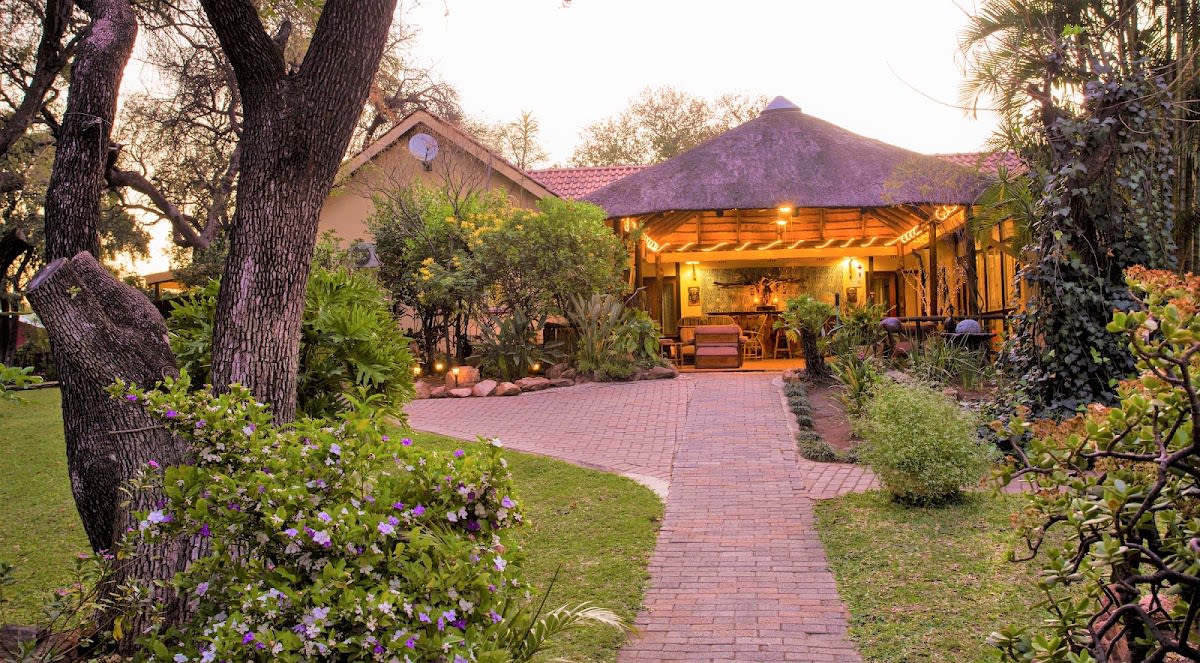
Phalaborwa
Für Vogelbeobachter · Savanne-Biom
Hilft DAKTARI Bush School
Ab R 1,500 pro Nacht

Marakele National Park
Savanne-Biom · Lion · Leopard
Preis auf Anfrage

Hoedspruit
Für Vogelbeobachter · Savanne-Biom · Ana tree
Hilft BirdLife South Africa
Ab R 4,000 pro Nacht

Louis Trichardt
Für Vogelbeobachter · Savanne-Biom
Hilft BirdLife South Africa
Ab R 650 pro Nacht
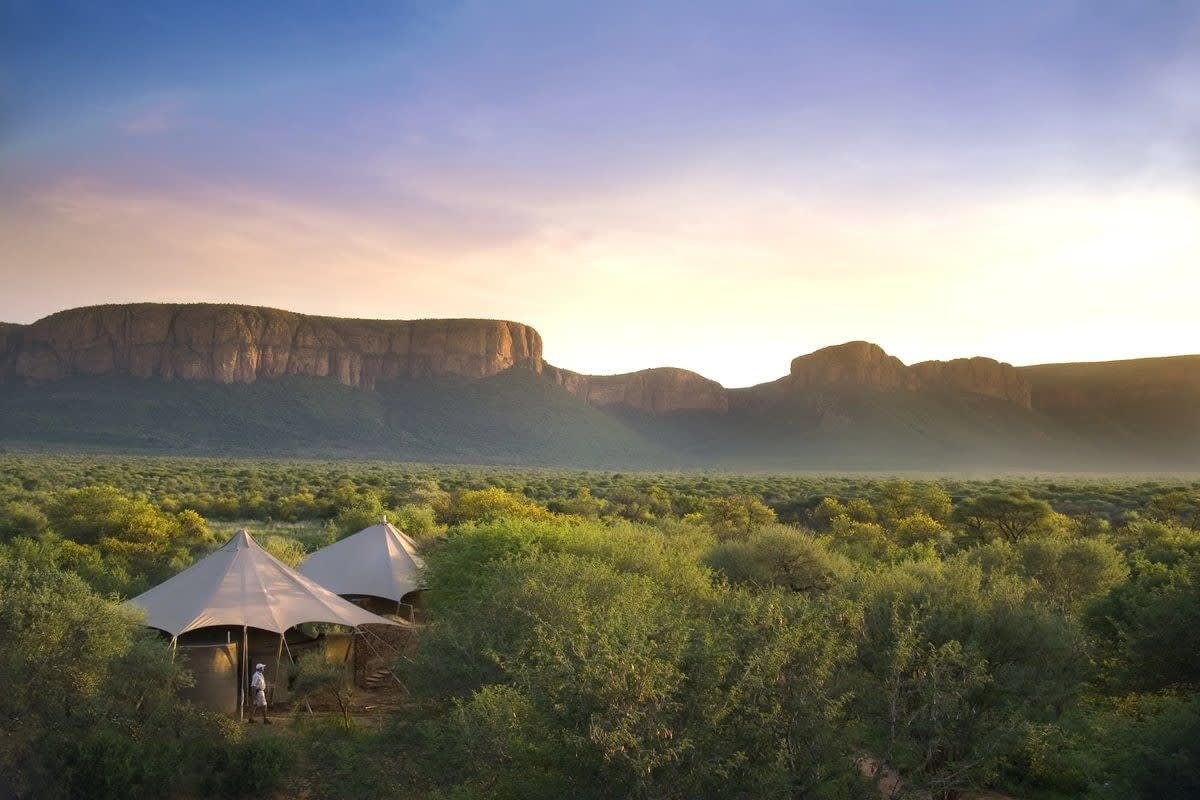
Marakele National Park
Savanne-Biom · Lion · Leopard
Preis auf Anfrage

Hoedspruit
Savanne-Biom
Hilft DAKTARI Bush School
Ab R 6,400 pro Nacht

Hoedspruit
Savanne-Biom · Ana tree
Hilft DAKTARI Bush School
Ab R 3,278 pro Nacht

Thornybush Game Reserve
Savanne-Biom · Lion · Leopard
Preis auf Anfrage

Kruger National Park
Savanne-Biom · Flaky bark thorn · Leadwood
Ab R 379 pro Nacht

Kruger National Park
Savanne-Biom · Blue wildebeest · Cheetah
Ab R 331 pro Nacht

Thornybush Game Reserve
Savanne-Biom · Lion · Leopard
Preis auf Anfrage

Kruger National Park
Savanne-Biom · Knobthorn · Leadwood
Ab R 1,445 pro Nacht

Nächster Halt
iSimangaliso wetlands, sand forest, and Sodwana reefs
Orte ansehen, die etwas zurückgebenEine Reise planen
Gastgeber haben die Art Steppe Eagle in oder bei Kruger National Park erfasst.
Selbst fahren
Eigenes Fahrzeug, eigenes Tempo, auf den Straßen des Parks.
Wo Gastgeber die Art erfassen
Rote Liste der IUCN
Endangered
Art
Aquila nipalensis
Nachweise
24
iNaturalist-Beobachtungen
Jede Buchung auf Spekboom unterstützt den Naturschutz.
Ein Nachweis bedeutet, dass ein Gastgeber die Art Steppe Eagle auf dem Grundstück oder in der Nähe gesehen hat. Eine Sichtung ist nie garantiert.
Hosts on Spekboom have recorded the Steppe Eagle at stays in or beside Kruger National Park. A record means a host has seen it on the property or nearby, which makes these the places to base yourself; it is never a guarantee of a sighting on any given day.
The Steppe Eagle is most recorded in Mpumalanga (67% of records), Limpopo (21% of records), KwaZulu-Natal (13% of records), based on 24 iNaturalist observations. 6 places to stay on Spekboom in Limpopo have recorded the Steppe Eagle on site or nearby.
The Steppe Eagle (Aquila nipalensis) is listed as Endangered on the IUCN Red List.
The steppe eagle (Aquila nipalensis) is a bird of prey. Like all eagles, it belongs to the family Accipitridae. It was once considered to be closely related to the non-migratory tawny eagle and the two forms have previously been treated as conspecific.


