
Kruger National Park
Limpopo · Best Apr to Sep
6 luoghi

The steppe eagle (Aquila nipalensis) is a bird of prey.
Mpumalanga and beyond
Provinces where Steppe Eagle is most recorded. Tap one to find places to stay.
24 records, iNaturalist
In tutto il Limpopo

Kruger National Park
Avvistato spesso · Birder Friendly · Bioma: Savana · Makalani palm · Ana tree
Sostiene BirdLife South Africa
Da R 17,120 a notte
Kruger National Park
Avvistato spesso · Birder Friendly · Bioma: Savana · Makalani palm · Ana tree
Sostiene BirdLife South Africa
Da R 11,820 a notte

Kruger National Park
Avvistato spesso · Birder Friendly · Bioma: Savana · Makalani palm · Ana tree
Sostiene BirdLife South Africa
Da R 8,380 a notte

Kruger National Park
Avvistato spesso · Birder Friendly · Bioma: Savana · Leopard · Spotted hyena
Sostiene BirdLife South Africa
Da R 11,820 a notte

Kruger National Park
Steppe Eagle: segnalato qui · Bioma: Savana · Delagoa thorn · Knobthorn
Da R 390 a notte

Kruger National Park
Steppe Eagle: segnalato qui · Bioma: Savana · Cheetah · Delagoa thorn
Da R 771 a notte

Haenertsburg
Birder Friendly · Bioma: Praterie · Bushbuck
Sostiene BirdLife South Africa
Da R 1,500 a notte

Magoebaskloof
Birder Friendly · Bioma: Foresta
Sostiene BirdLife South Africa
Da R 1,512 a notte

Timbavati Private Nature Reserve
Bioma: Savana · Lion · Leopard
Prezzo su richiesta

Hoedspruit
Bioma: Savana · Giraffe · Cheetah
Sostiene DAKTARI Bush School
Da R 1,100 a notte

Welgevonden Game Reserve
Bioma: Savana · Giraffe · African elephant
Sostiene DAKTARI Bush School e un’altra causa
Prezzo su richiesta

Magoebaskloof
Bioma: Savana
Sostiene DAKTARI Bush School
Da R 2,000 a notte
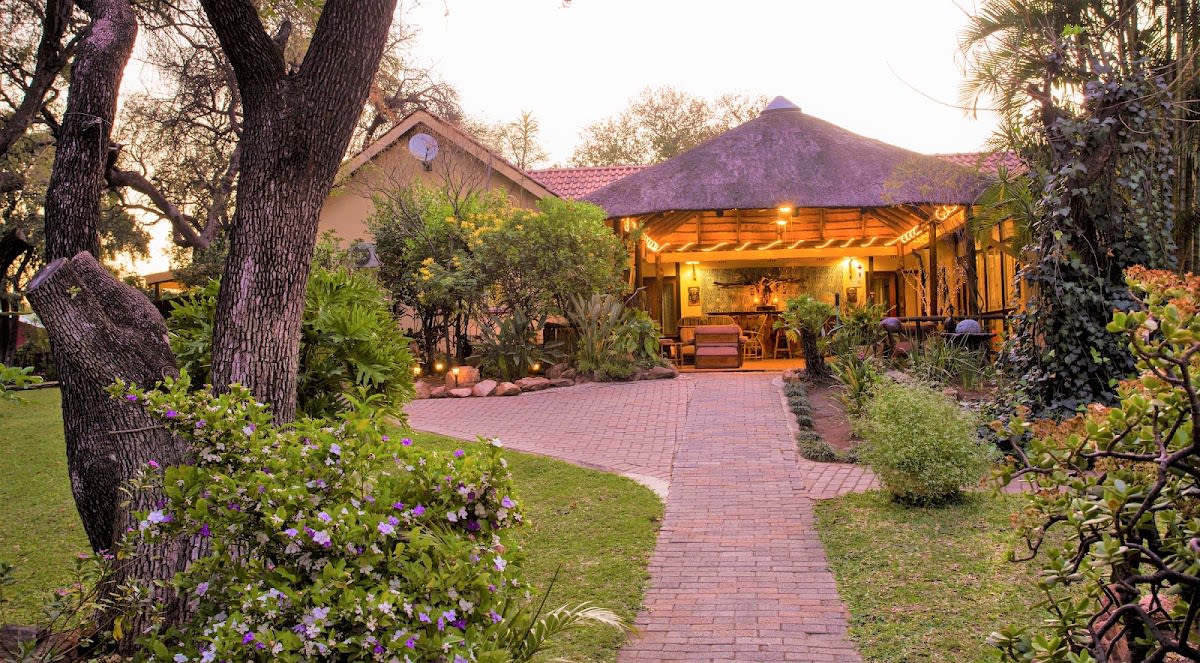
Phalaborwa
Birder Friendly · Bioma: Savana
Sostiene DAKTARI Bush School
Da R 1,500 a notte

Marakele National Park
Bioma: Savana · Lion · Leopard
Prezzo su richiesta

Hoedspruit
Birder Friendly · Bioma: Savana · Ana tree
Sostiene BirdLife South Africa
Da R 4,000 a notte

Louis Trichardt
Birder Friendly · Bioma: Savana
Sostiene BirdLife South Africa
Da R 650 a notte
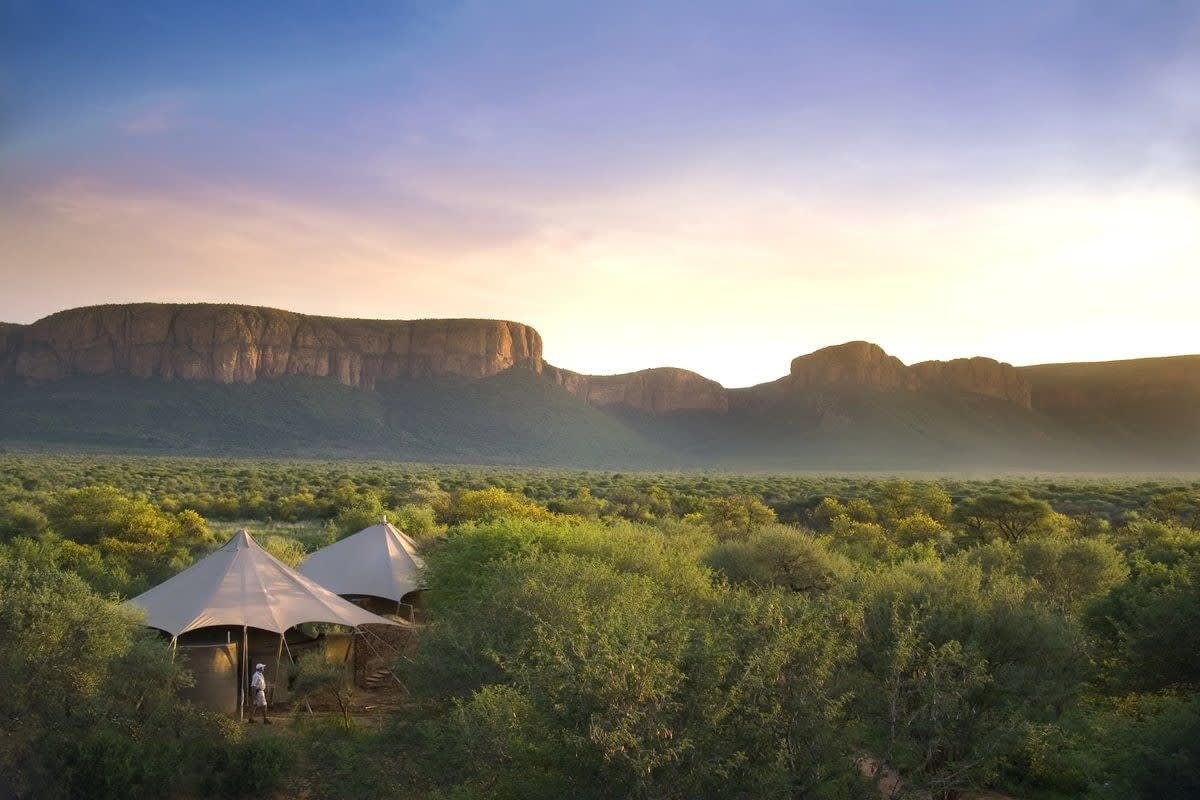
Marakele National Park
Bioma: Savana · Lion · Leopard
Prezzo su richiesta

Hoedspruit
Bioma: Savana
Sostiene DAKTARI Bush School
Da R 6,400 a notte

Hoedspruit
Bioma: Savana · Ana tree
Sostiene DAKTARI Bush School
Da R 3,278 a notte

Thornybush Game Reserve
Bioma: Savana · Lion · Leopard
Prezzo su richiesta

Kruger National Park
Bioma: Savana · Flaky bark thorn · Leadwood
Da R 379 a notte

Kruger National Park
Bioma: Savana · Blue wildebeest · Cheetah
Da R 331 a notte

Thornybush Game Reserve
Bioma: Savana · Lion · Leopard
Prezzo su richiesta

Kruger National Park
Bioma: Savana · Knobthorn · Leadwood
Da R 1,445 a notte

Prossima tappa
iSimangaliso wetlands, sand forest, and Sodwana reefs
Vedi le strutture che sostengono una causaPianificare un viaggio
Gli host hanno segnalato questa specie (Steppe Eagle) in strutture dentro o accanto a Kruger National Park.
Guidare in autonomia
Il Suo veicolo e il Suo ritmo, sulle strade del parco.
Dove lo segnalano gli host
Lista Rossa IUCN
Endangered
Specie
Aquila nipalensis
Segnalazioni
24
Osservazioni su iNaturalist
Ogni prenotazione su Spekboom sostiene la conservazione.
Una segnalazione significa che un host ha visto questa specie (Steppe Eagle) nella struttura o nei dintorni. Non è mai una garanzia di avvistamento.
Hosts on Spekboom have recorded the Steppe Eagle at stays in or beside Kruger National Park. A record means a host has seen it on the property or nearby, which makes these the places to base yourself; it is never a guarantee of a sighting on any given day.
The Steppe Eagle is most recorded in Mpumalanga (67% of records), Limpopo (21% of records), KwaZulu-Natal (13% of records), based on 24 iNaturalist observations. 6 places to stay on Spekboom in Limpopo have recorded the Steppe Eagle on site or nearby.
The Steppe Eagle (Aquila nipalensis) is listed as Endangered on the IUCN Red List.
The steppe eagle (Aquila nipalensis) is a bird of prey. Like all eagles, it belongs to the family Accipitridae. It was once considered to be closely related to the non-migratory tawny eagle and the two forms have previously been treated as conspecific.


