
Limpopo
Kruger · Mapungubwe
Self-drive
Stays in LimpopoWhere to see
Hosts have recorded the Orange-breasted Waxbill at stays in or beside Kruger National Park, uKhahlamba-Drakensberg Park and Golden Gate Highlands National Park.
Amandava subflava · Least Concern
Planning a trip
Hosts have recorded the Orange-breasted Waxbill at stays in or beside Kruger National Park, uKhahlamba-Drakensberg Park and Golden Gate Highlands National Park.
Kruger · Mapungubwe
uKhahlamba-Drakensberg · Giants Castle · iSimangaliso Wetland

Golden Gate Highlands
Drive yourself
Your own vehicle and pace, on the park's roads.
Where hosts record it
IUCN Red List
Least Concern
Species
Amandava subflava
Records
93
iNaturalist observations
Every booking on Spekboom supports conservation.
A record means a host has seen the Orange-breasted Waxbill on the property or nearby. It is never a guarantee of a sighting.
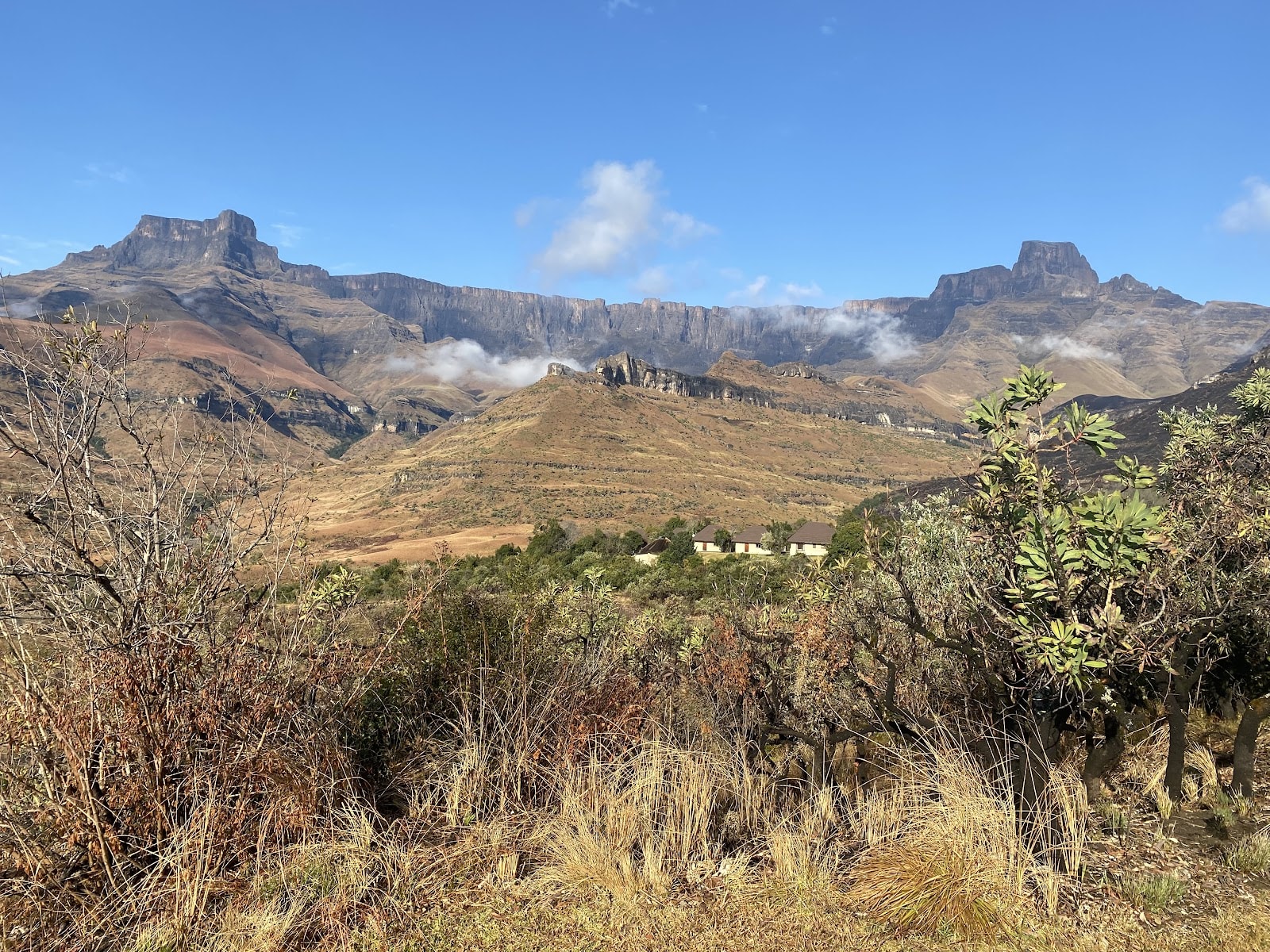
Hosts on Spekboom have recorded the Orange-breasted Waxbill at stays in or beside Kruger National Park, uKhahlamba-Drakensberg Park, Golden Gate Highlands National Park, Mapungubwe National Park, Giants Castle Game Reserve and iSimangaliso Wetland Park and other reserves. A record means a host has seen it on the property or nearby, which makes these the places to base yourself; it is never a guarantee of a sighting on any given day.
The Orange-breasted Waxbill is most recorded in Gauteng (40% of records), KwaZulu-Natal (31% of records), Mpumalanga (16% of records), based on 93 iNaturalist observations. 67 places to stay on Spekboom in South Africa have recorded the Orange-breasted Waxbill on site or nearby.
The Orange-breasted Waxbill is recorded throughout the year, so no month is the wrong month to look for it. For the parks where hosts record it most, these are the best seasons they give. Kruger National Park: Apr-Sep; uKhahlamba-Drakensberg Park: year-round, dry season May-Sep; Golden Gate Highlands National Park: Mar-May, Aug-Oct; Mapungubwe National Park: May-Sep, dry season. In the dry months animals concentrate at water and the grass is short.
The Orange-breasted Waxbill (Amandava subflava) is listed as Least Concern on the IUCN Red List.
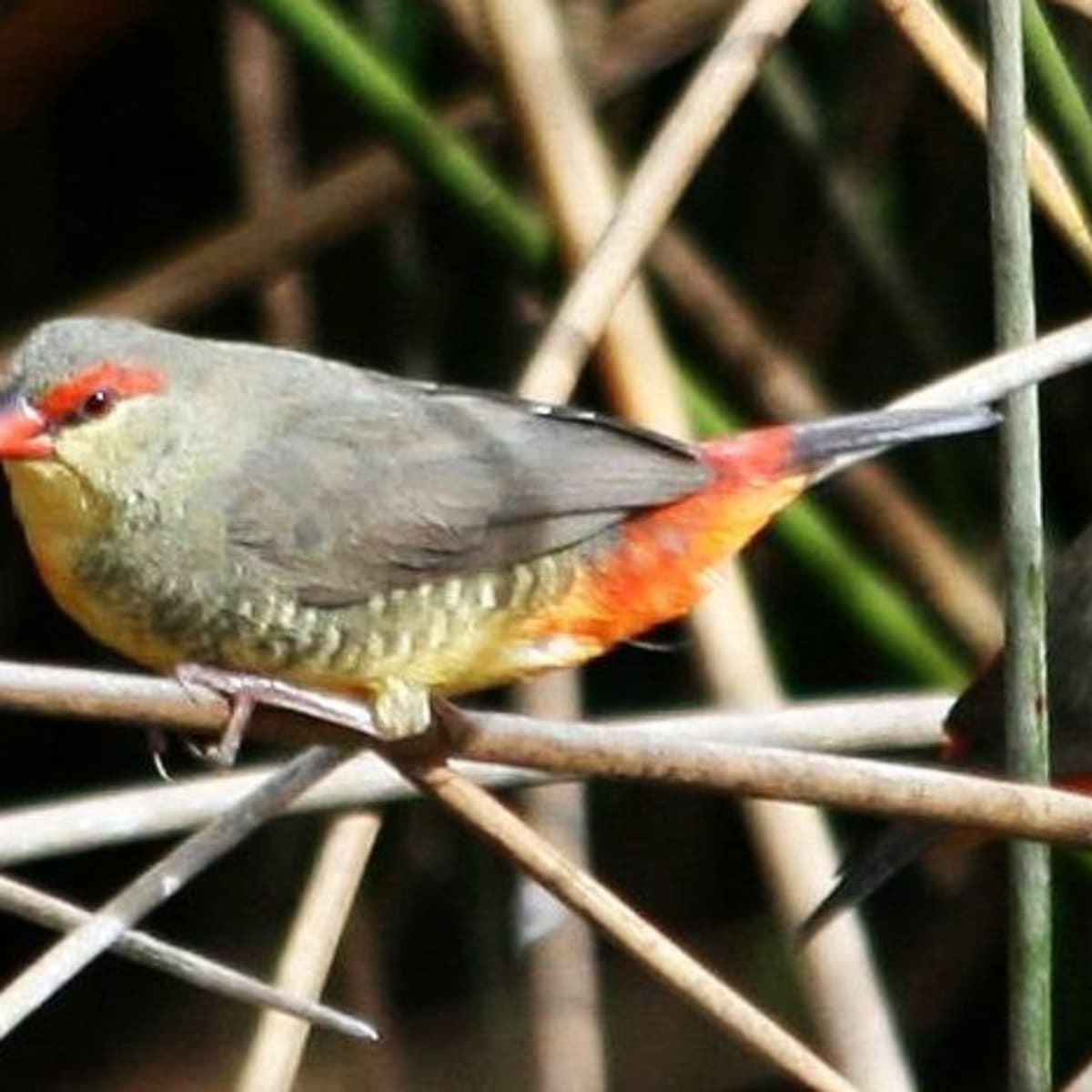
The orange-breasted waxbill (Amandava subflava), also known as the zebra waxbill, is a small (approximately 9 cm long) sparrow-like bird with a reddish iris, orange breast, red bill and dark olive-green plumage. The male has a red rump, dark bars on the whitish flank and a scarlet eyebrow stripe. The female is duller and smaller than male; it also lacks the male's red eyebrow.
Stays that give back
Every stay on the Orange-breasted Waxbill page lists the species its host has recorded on or near the property. A record is a sighting, never a promise.
See where to stay