

Kgalagadi Transfrontier Park
Northern Cape · Best Aug to Oct
9 lugares

Wildlife
The striped polecat (Ictonyx striatus) - also called the African polecat, zoril, zorille, zorilla, Cape polecat, and African skunk - is a member of the family Mustelidae that resembles a skunk (of the family Mephitidae).
Recorded year-round
Recorded in every month, so no month is the wrong month to look. We would rather say that than invent a best time.
Curve from 337 national iNaturalist observations, not from one property and not from this province. Single-month spikes are discarded as upload artefacts, and below 50 records we show no curve at all.
Western Cape and beyond
Provinces where Striped Polecat is most recorded. Tap one to find places to stay.
337 records, iNaturalist
Por todo o Cabo Setentrional

Kgalagadi Transfrontier Park
Striped Polecat: registrado aqui

Ai-Ais/Richtersveld Transfrontier Park
Striped Polecat: registrado aqui

Kgalagadi Transfrontier Park
Striped Polecat: registrado aqui

Kgalagadi Transfrontier Park
Striped Polecat: registrado aqui

Kgalagadi Transfrontier Park
Striped Polecat: registrado aqui

Ai-Ais/Richtersveld Transfrontier Park
Striped Polecat: registrado aqui
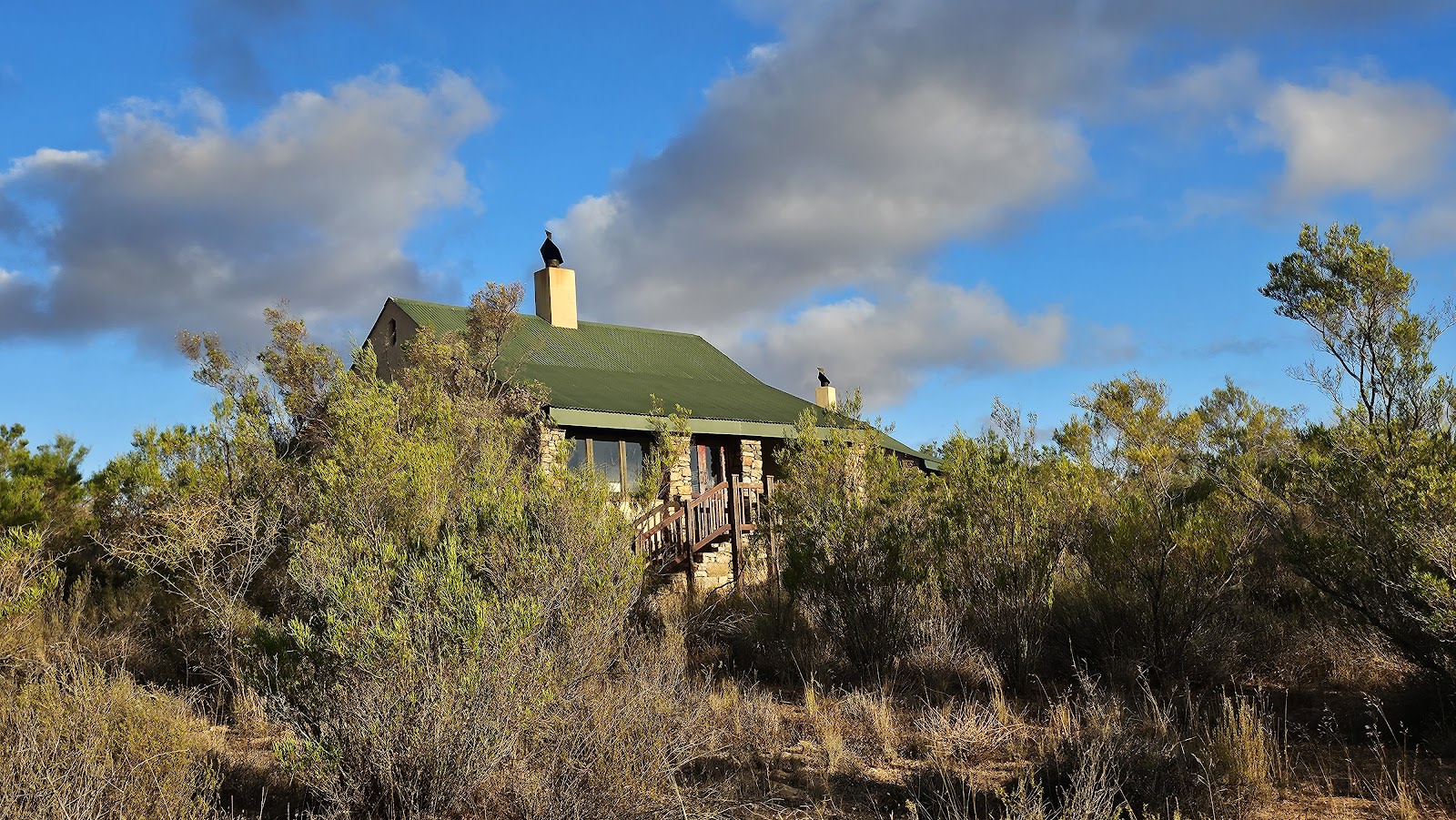
Namaqua National Park
Striped Polecat: registrado aqui
Kgalagadi Transfrontier Park
Striped Polecat: registrado aqui
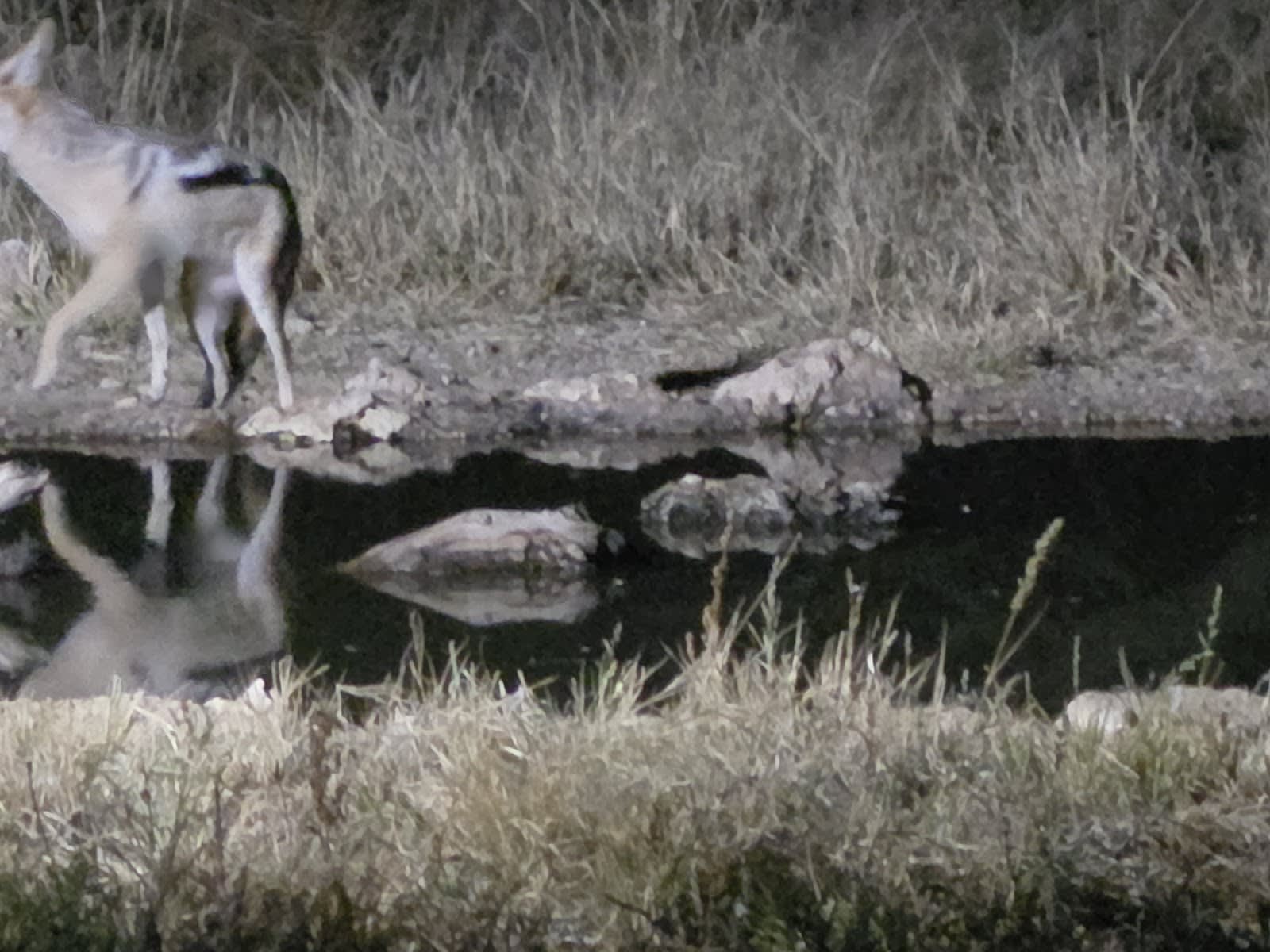
Kgalagadi Transfrontier Park
Striped Polecat: registrado aqui
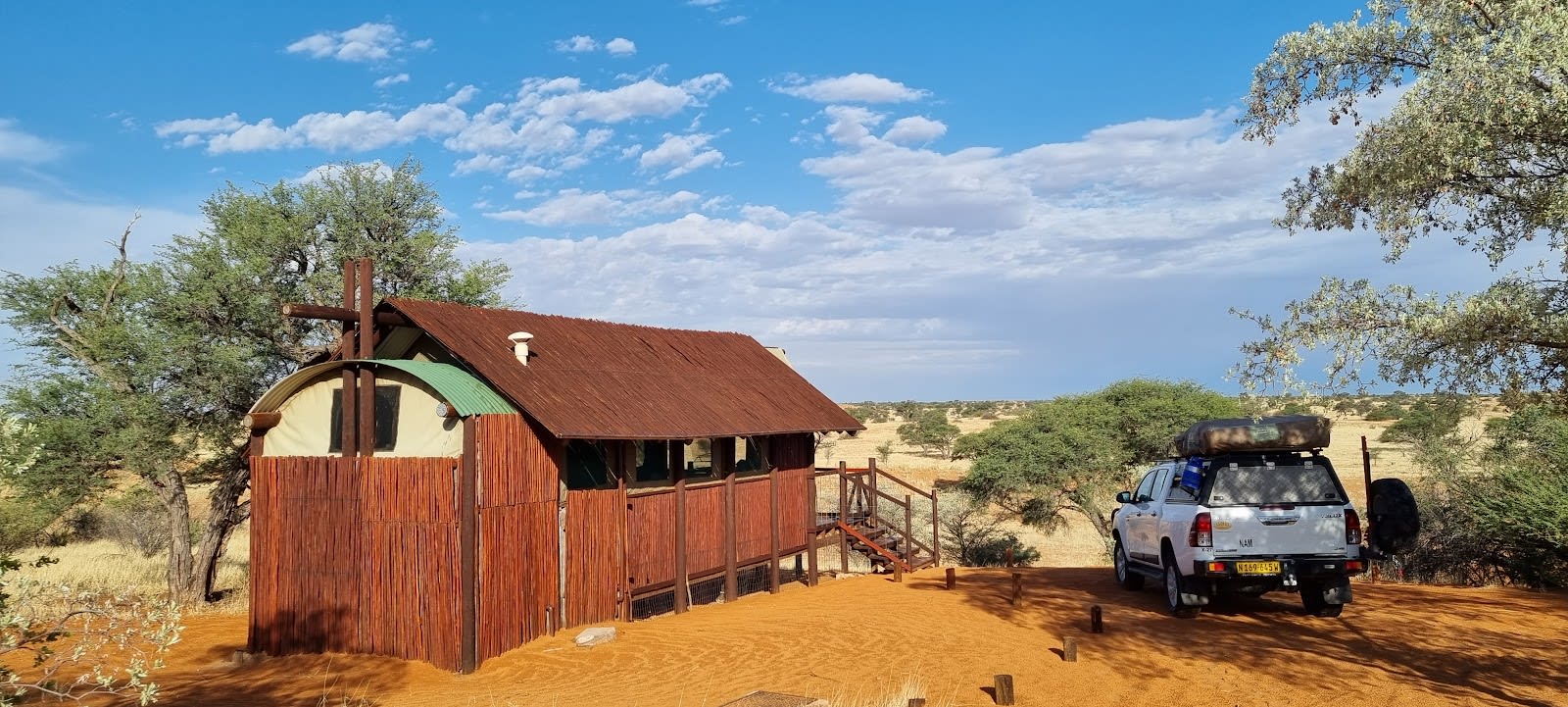
Kgalagadi Transfrontier Park
Striped Polecat: registrado aqui

Augrabies Falls National Park
Striped Polecat: registrado aqui
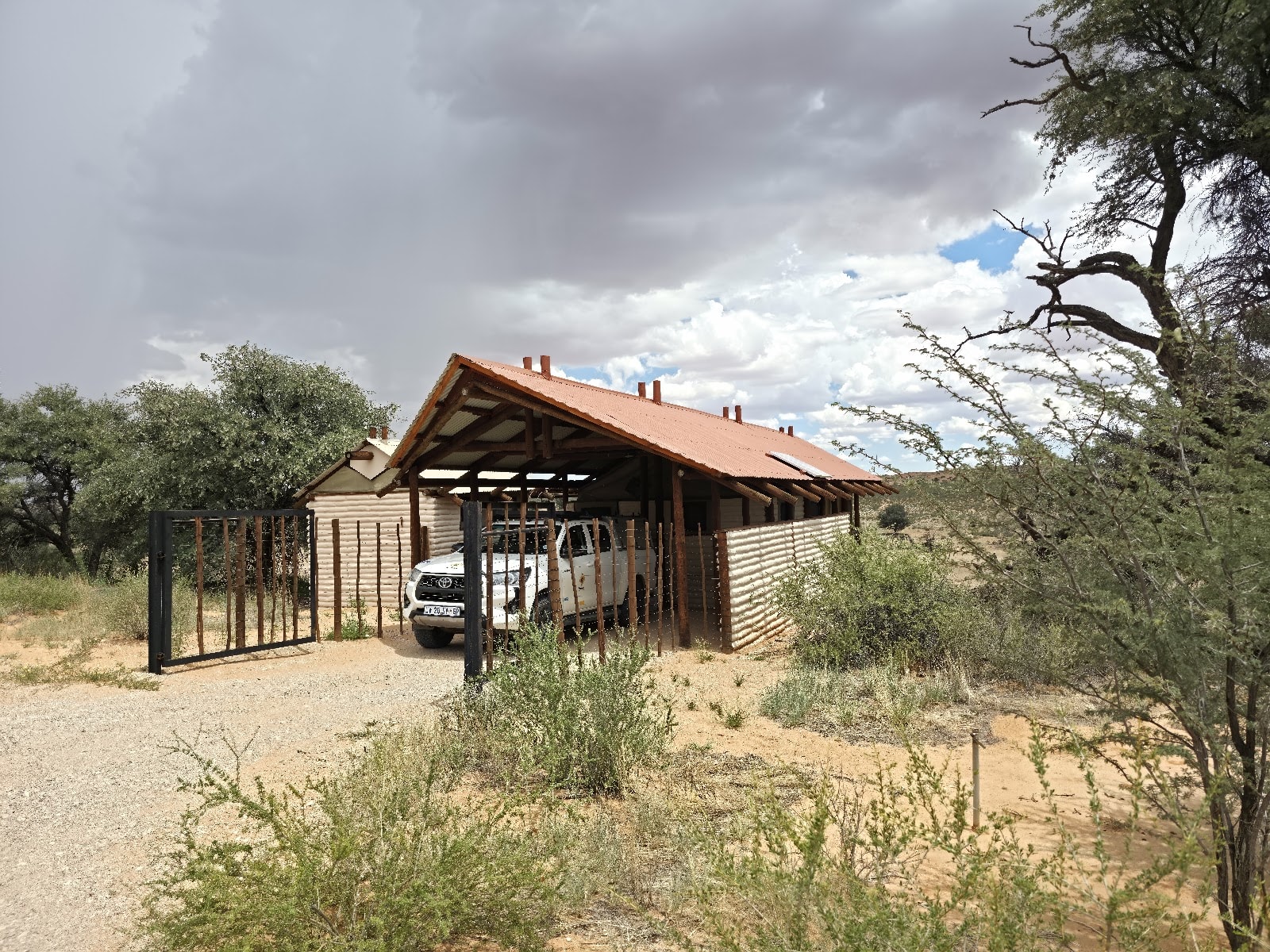
Kgalagadi Transfrontier Park
Striped Polecat: registrado aqui

Kgalagadi Transfrontier Park
Striped Polecat: registrado aqui
Ai-Ais/Richtersveld Transfrontier Park
Striped Polecat: registrado aqui

Richmond

Colesberg

Sutherland

Northern Cape

Mokala National Park

Mokala National Park

Tankwa Karoo National Park

Mokala National Park

Tankwa Karoo National Park

Concordia, Springbok
Próxima paragem
South Africa's vast inland heart: silence, stars, and wide horizons
Ver lugares que retribuemPlanejando uma viagem
Os anfitriões registraram esta espécie (Striped Polecat) em hospedagens dentro ou ao lado de Kgalagadi Transfrontier Park, Ai-Ais/Richtersveld Transfrontier Park and Augrabies Falls National Park.
| Parque | jan | fev | mar | abr | mai | jun | jul | ago | set | out | nov | dez |
|---|---|---|---|---|---|---|---|---|---|---|---|---|
| Kgalagadi | Presente | Presente | Observação mais fácil | Observação mais fácil | Observação mais fácil | Presente | Presente | Presente | Presente | Presente | Presente | Presente |
| Ai-Ais/Richtersveld | Presente | Presente | Presente | Presente |
Os meses mais escuros são a melhor época de cada parque, quando a vegetação mais rala ou a água escassa facilitam a observação. Nenhum avistamento é garantido.
Dirija por conta própria
Seu próprio veículo e seu próprio ritmo, nas estradas do parque.
Onde os anfitriões registram
Lista Vermelha da IUCN
Least Concern
Espécie
Ictonyx striatus
Registros
337
Observações no iNaturalist
Cada reserva no Spekboom apoia a conservação.
Um registro significa que um anfitrião avistou esta espécie (Striped Polecat) na propriedade ou nas proximidades. Nunca é garantia de avistamento.
Hosts on Spekboom have recorded the Striped Polecat at stays in or beside Kgalagadi Transfrontier Park, Ai-Ais/Richtersveld Transfrontier Park, Augrabies Falls National Park and Namaqua National Park. A record means a host has seen it on the property or nearby, which makes these the places to base yourself; it is never a guarantee of a sighting on any given day.
The Striped Polecat is most recorded in Western Cape (52% of records), Northern Cape (24% of records), Eastern Cape (7% of records), based on 337 iNaturalist observations. 14 places to stay on Spekboom in Northern Cape have recorded the Striped Polecat on site or nearby.
The Striped Polecat is recorded throughout the year, so no month is the wrong month to look for it. For the parks where hosts record it most, these are the best seasons they give. Kgalagadi Transfrontier Park: Aug-Oct, flowers, Mar-May; Augrabies Falls National Park: Aug-Oct, flowers, Mar-May; Namaqua National Park: Aug-Oct, flowers, Mar-May. In the dry months animals concentrate at water and the grass is short.
The Striped Polecat (Ictonyx striatus) is listed as Least Concern on the IUCN Red List.
The striped polecat (Ictonyx striatus) - also called the African polecat, zoril, zorille, zorilla, Cape polecat, and African skunk - is a member of the family Mustelidae that resembles a skunk (of the family Mephitidae). The name "zorilla" comes from the word "zorro", which in Spanish means "fox".
| Presente |
| Presente |
| Presente |
| Presente |
| Presente |
| Presente |
| Presente |
| Presente |
| Augrabies Falls | Presente | Presente | Observação mais fácil | Observação mais fácil | Observação mais fácil | Presente | Presente | Presente | Presente | Presente | Presente | Presente |
|---|
| Namaqua | Presente | Presente | Observação mais fácil | Observação mais fácil | Observação mais fácil | Presente | Presente | Presente | Presente | Presente | Presente | Presente |
|---|
