

Kgalagadi Transfrontier Park
Northern Cape · Best Aug to Oct
9 lugares

The European bee-eater (Merops apiaster) is a near passerine bird in the bee-eater family Meropidae.
Most records Nov to Jan
When European Bee-eater sightings peak, from open records. Outside these months it is seen less often, not never.
Curve from 1,536 national iNaturalist observations, not from one property. Single-month spikes are discarded as upload artefacts, and below 50 records we show no curve at all.
Mpumalanga and beyond
Provinces where European Bee-eater is most recorded. Tap one to find places to stay.
1,536 records, iNaturalist
Por todo o Cabo Setentrional

Kgalagadi Transfrontier Park
European Bee-eater: registrado aqui

Ai-Ais/Richtersveld Transfrontier Park
European Bee-eater: registrado aqui

Kgalagadi Transfrontier Park
European Bee-eater: registrado aqui

Kgalagadi Transfrontier Park
European Bee-eater: registrado aqui

Kgalagadi Transfrontier Park
European Bee-eater: registrado aqui

Mokala National Park
European Bee-eater: registrado aqui

Ai-Ais/Richtersveld Transfrontier Park
European Bee-eater: registrado aqui
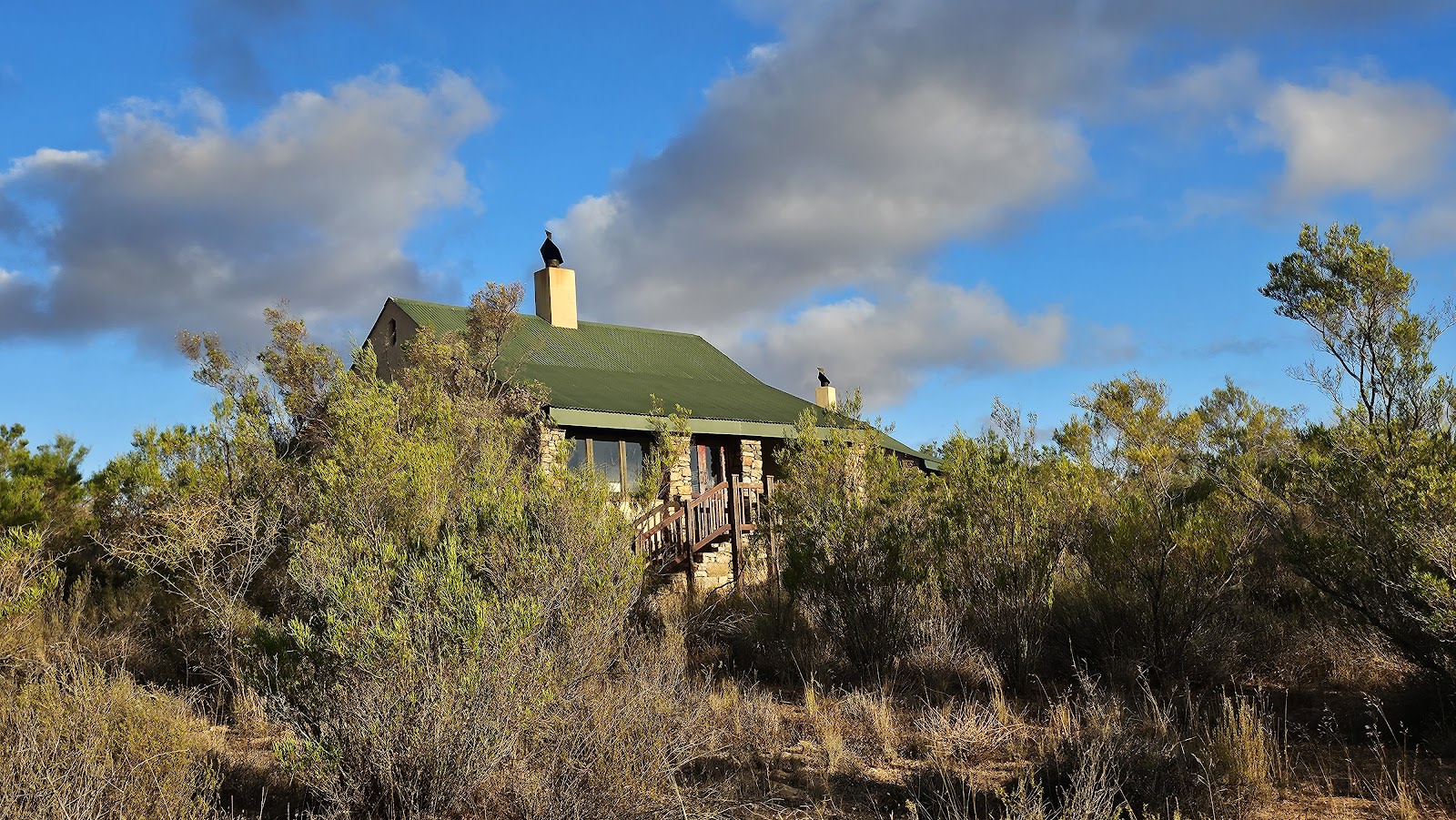
Namaqua National Park
European Bee-eater: registrado aqui

Mokala National Park
European Bee-eater: registrado aqui
Kgalagadi Transfrontier Park
European Bee-eater: registrado aqui

Tankwa Karoo National Park
European Bee-eater: registrado aqui
Kgalagadi Transfrontier Park
European Bee-eater: registrado aqui
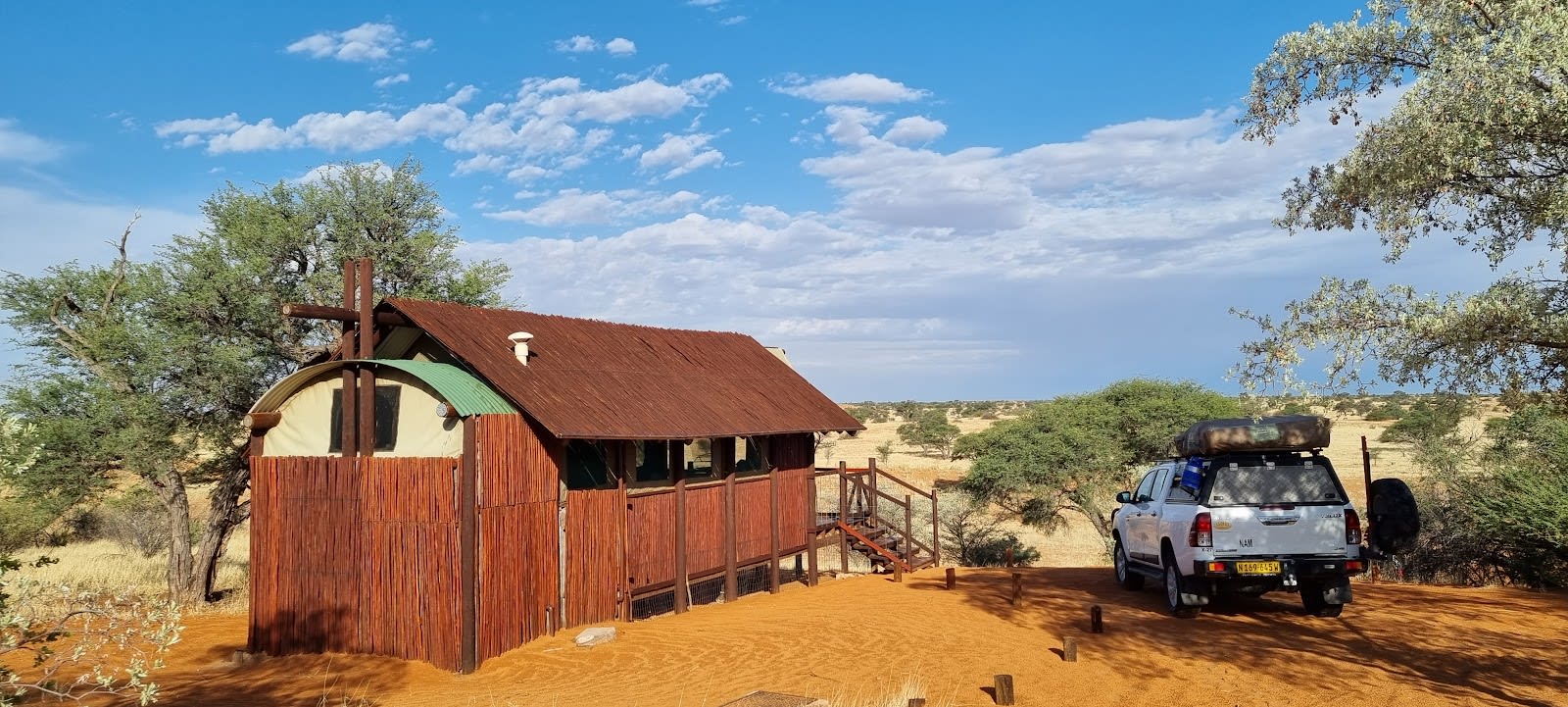
Kgalagadi Transfrontier Park
European Bee-eater: registrado aqui

Augrabies Falls National Park
European Bee-eater: registrado aqui

Mokala National Park
European Bee-eater: registrado aqui
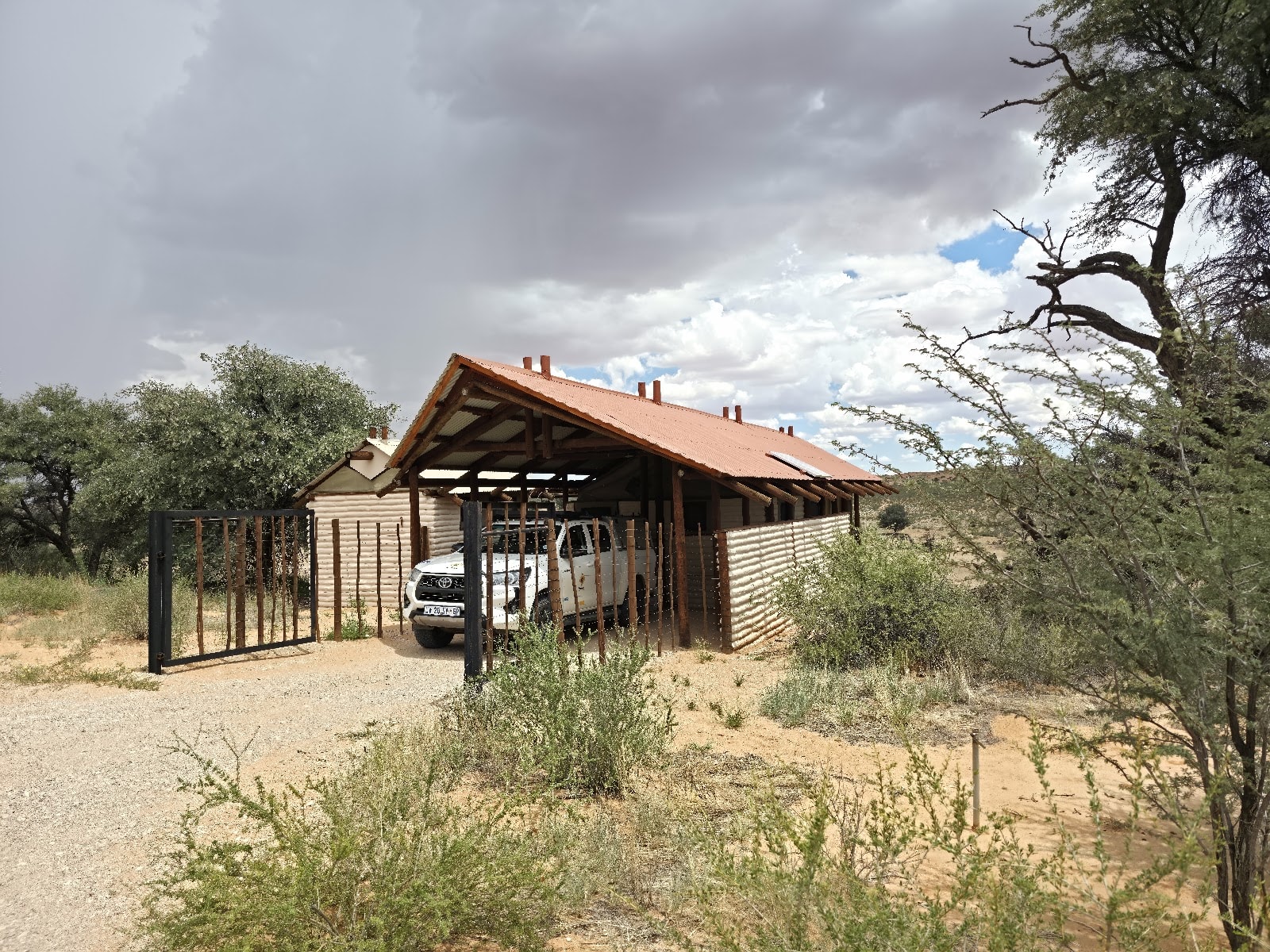
Kgalagadi Transfrontier Park
European Bee-eater: registrado aqui

Tankwa Karoo National Park
European Bee-eater: registrado aqui

Kgalagadi Transfrontier Park
European Bee-eater: registrado aqui

Ai-Ais/Richtersveld Transfrontier Park
European Bee-eater: registrado aqui

Richmond

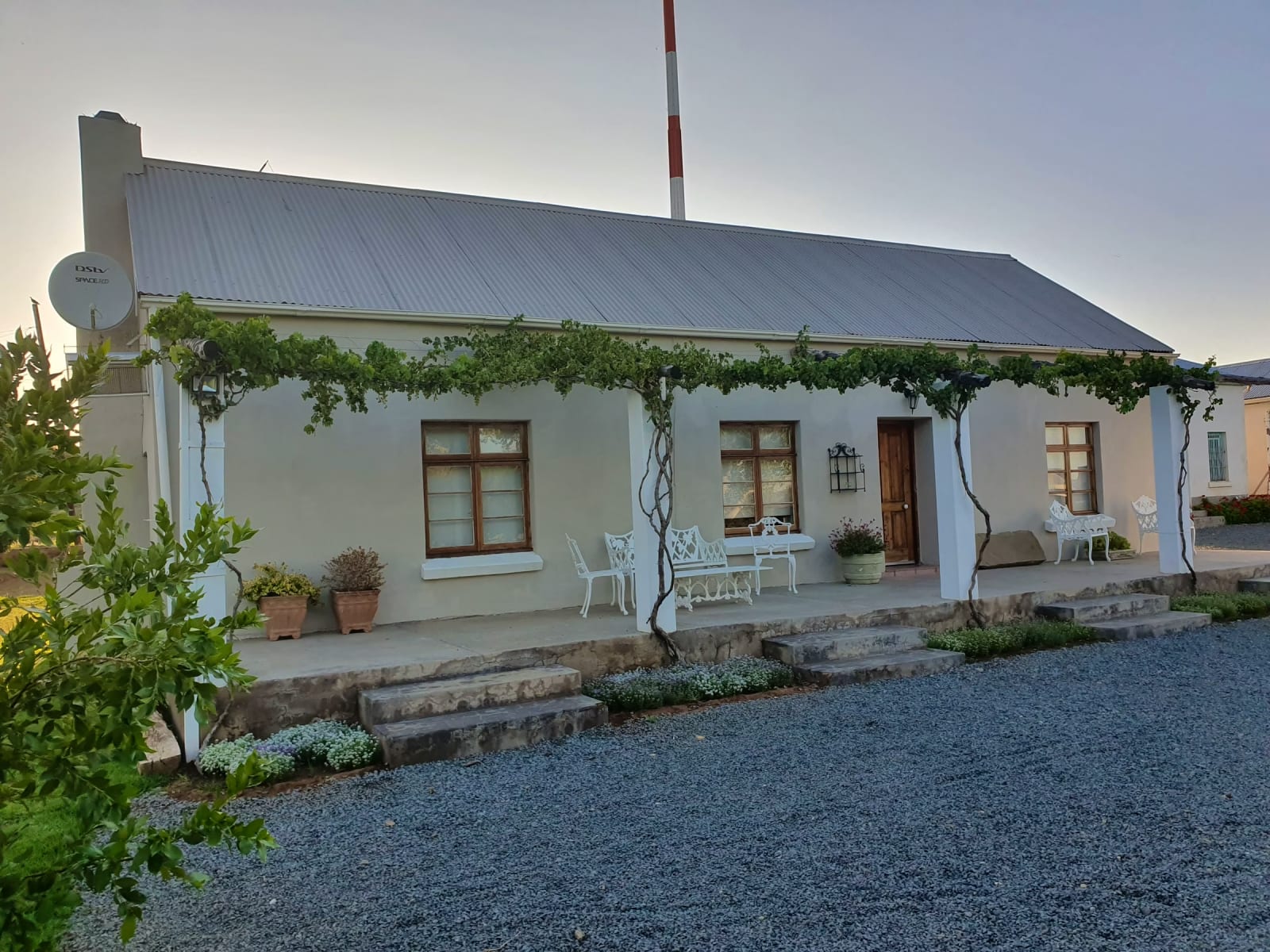
Colesberg

Sutherland


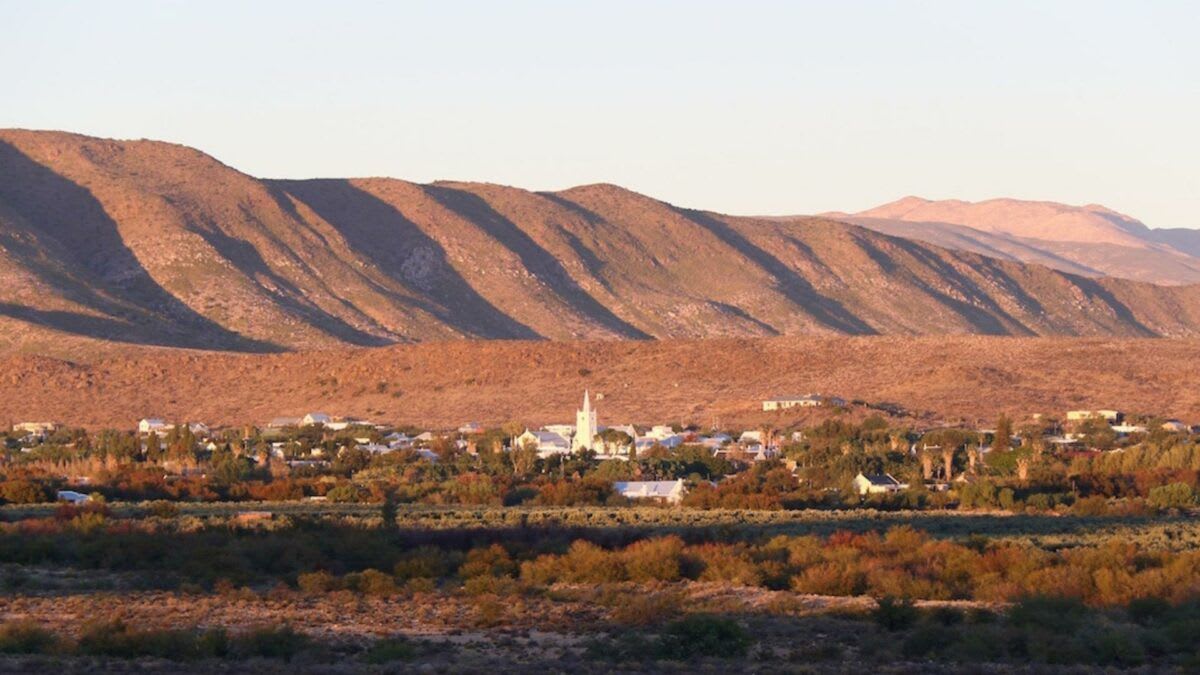
Northern Cape

Concordia, Springbok
Próxima paragem
South Africa's vast inland heart: silence, stars, and wide horizons
Ver lugares que retribuemPlanejando uma viagem
Os anfitriões registraram esta espécie (European Bee-eater) em hospedagens dentro ou ao lado de Kgalagadi Transfrontier Park, Ai-Ais/Richtersveld Transfrontier Park and Mokala National Park.
Dirija por conta própria
Seu próprio veículo e seu próprio ritmo, nas estradas do parque.
Onde os anfitriões registram
Espécie
Merops apiaster
Registros
1,536
Observações no iNaturalist
Cada reserva no Spekboom apoia a conservação.
Um registro significa que um anfitrião avistou esta espécie (European Bee-eater) na propriedade ou nas proximidades. Nunca é garantia de avistamento.
Hosts on Spekboom have recorded the European Bee-eater at stays in or beside Kgalagadi Transfrontier Park, Ai-Ais/Richtersveld Transfrontier Park, Mokala National Park, Tankwa Karoo National Park, Augrabies Falls National Park and Namaqua National Park. A record means a host has seen it on the property or nearby, which makes these the places to base yourself; it is never a guarantee of a sighting on any given day.
The European Bee-eater is most recorded in Mpumalanga (21% of records), Limpopo (19% of records), Western Cape (15% of records), based on 1,536 iNaturalist observations. 19 places to stay on Spekboom in Northern Cape have recorded the European Bee-eater on site or nearby.
Sightings of the European Bee-eater peak from Nov to Jan, based on 1,536 iNaturalist records. You may still see it outside those months, sightings are just less frequent.
The European bee-eater (Merops apiaster) is a near passerine bird in the bee-eater family Meropidae. The genus name Merops is Ancient Greek for "bee-eater", and apiaster is Latin, also meaning "bee-eater", from apis, "bee". It breeds in southern Europe and in parts of north Africa and western Asia. It is strongly migratory, wintering in tropical Africa.
