

Kgalagadi Transfrontier Park
Northern Cape · Best Aug to Oct
9 lugares

The common waxbill (Estrilda astrild), also known as the St Helena waxbill, is a small passerine bird belonging to the estrildid finch family.
Recorded year-round
Recorded in every month, so no month is the wrong month to look. We would rather say that than invent a best time.
Curve from 2,573 national iNaturalist observations, not from one property. Single-month spikes are discarded as upload artefacts, and below 50 records we show no curve at all.
Western Cape and beyond
Provinces where Common Waxbill is most recorded. Tap one to find places to stay.
2,573 records, iNaturalist
Por todo o Cabo Setentrional

Kgalagadi Transfrontier Park
Common Waxbill: registrado aqui

Ai-Ais/Richtersveld Transfrontier Park
Common Waxbill: registrado aqui

Kgalagadi Transfrontier Park
Common Waxbill: registrado aqui

Kgalagadi Transfrontier Park
Common Waxbill: registrado aqui

Kgalagadi Transfrontier Park
Common Waxbill: registrado aqui

Ai-Ais/Richtersveld Transfrontier Park
Common Waxbill: registrado aqui
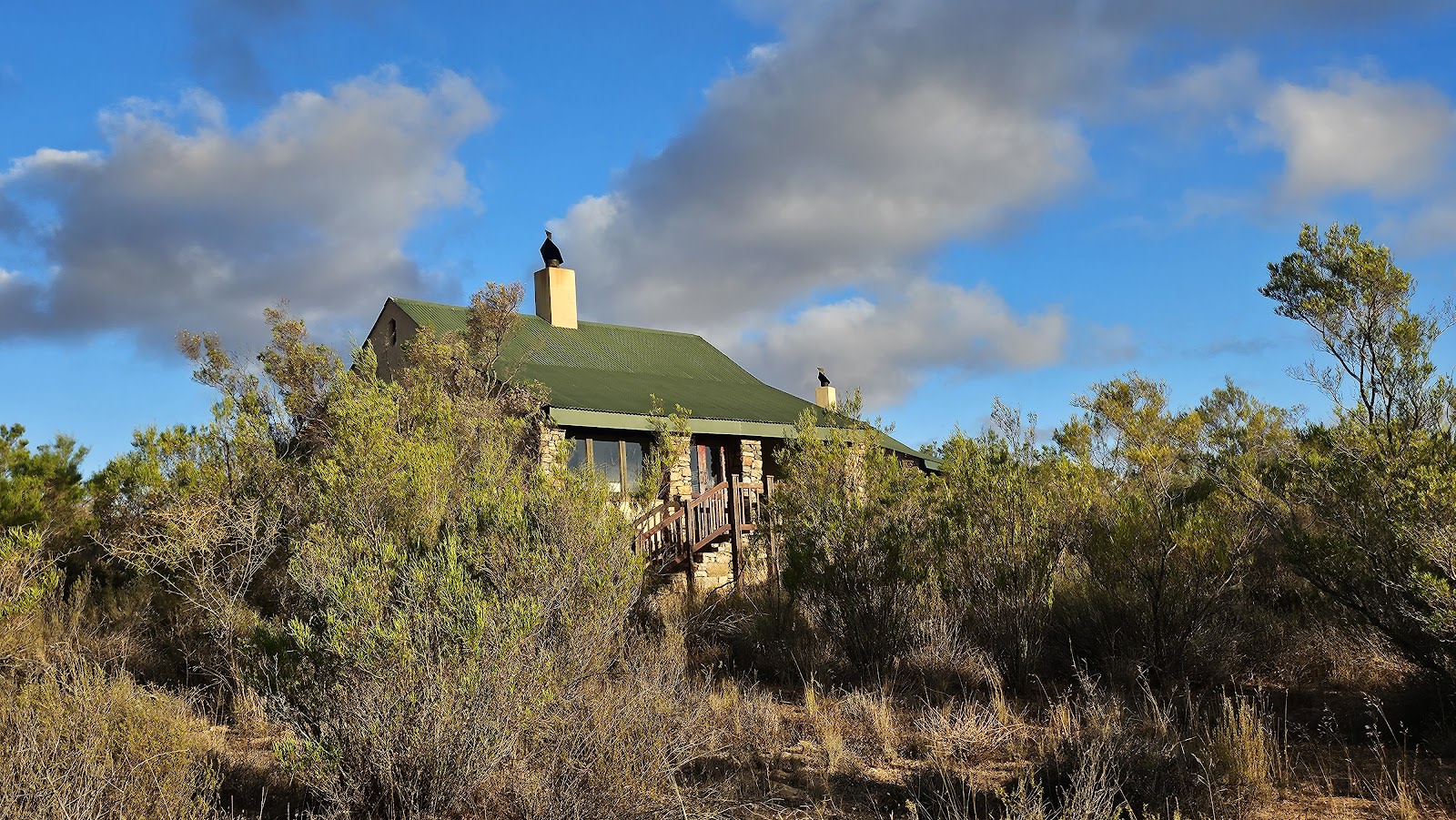
Namaqua National Park
Common Waxbill: registrado aqui
Kgalagadi Transfrontier Park
Common Waxbill: registrado aqui

Tankwa Karoo National Park
Common Waxbill: registrado aqui
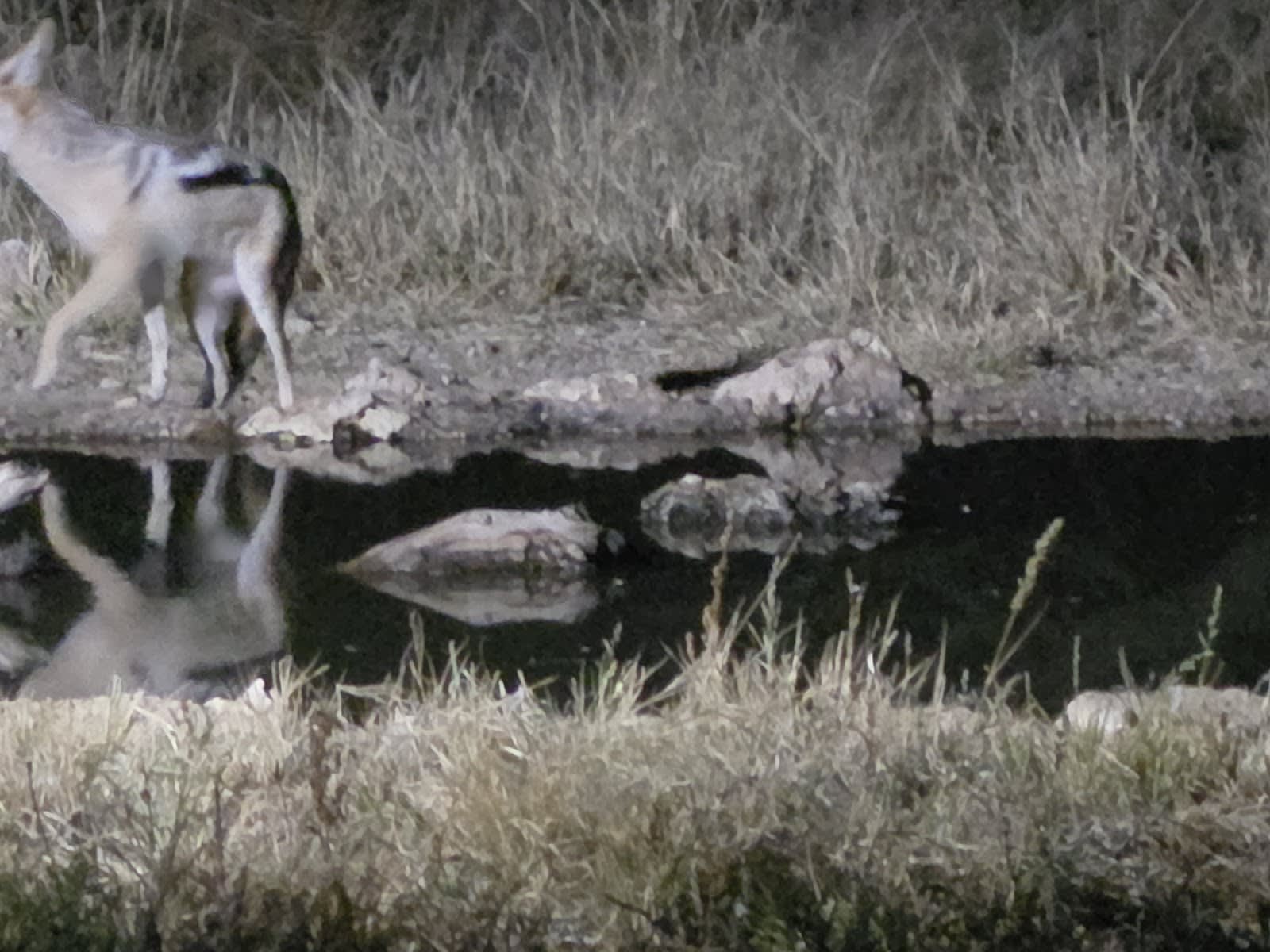
Kgalagadi Transfrontier Park
Common Waxbill: registrado aqui
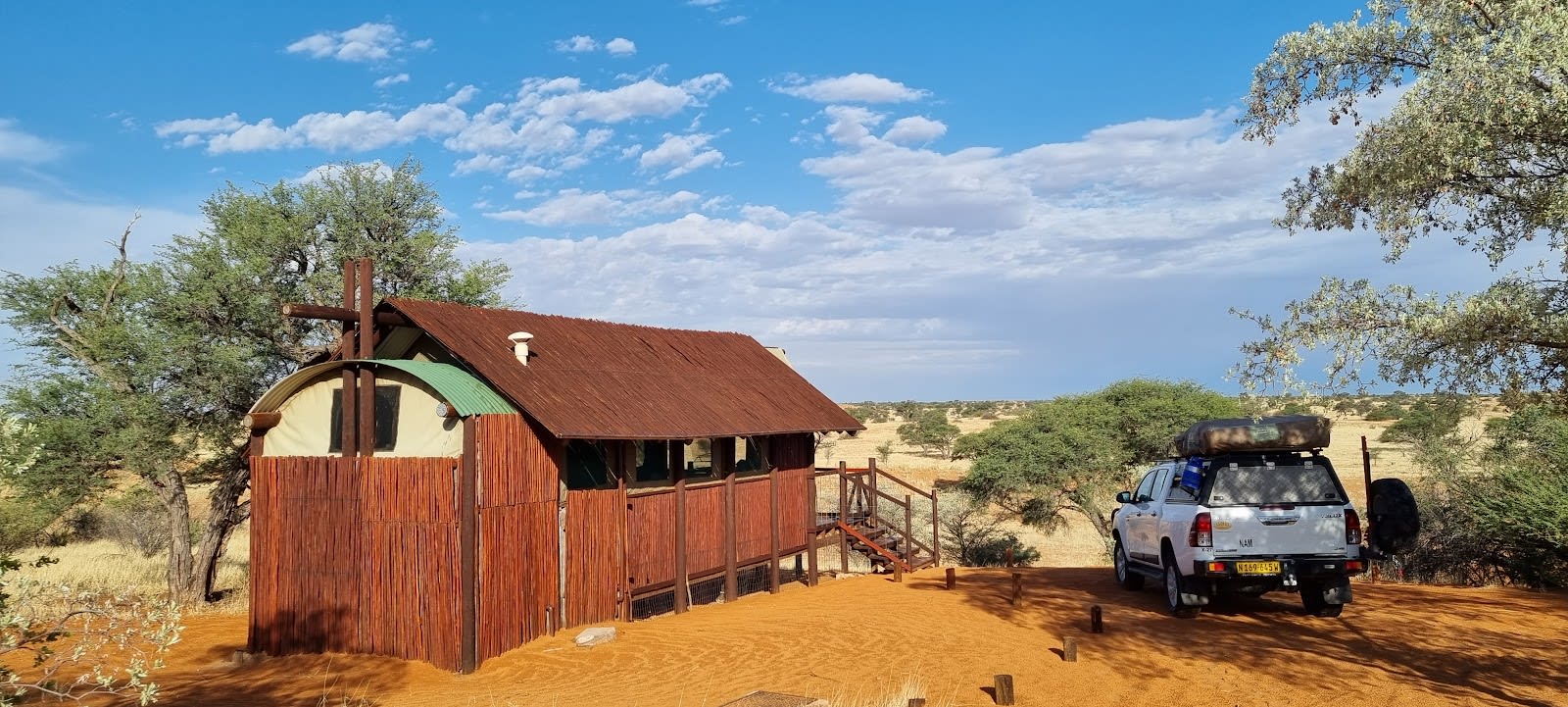
Kgalagadi Transfrontier Park
Common Waxbill: registrado aqui

Augrabies Falls National Park
Common Waxbill: registrado aqui
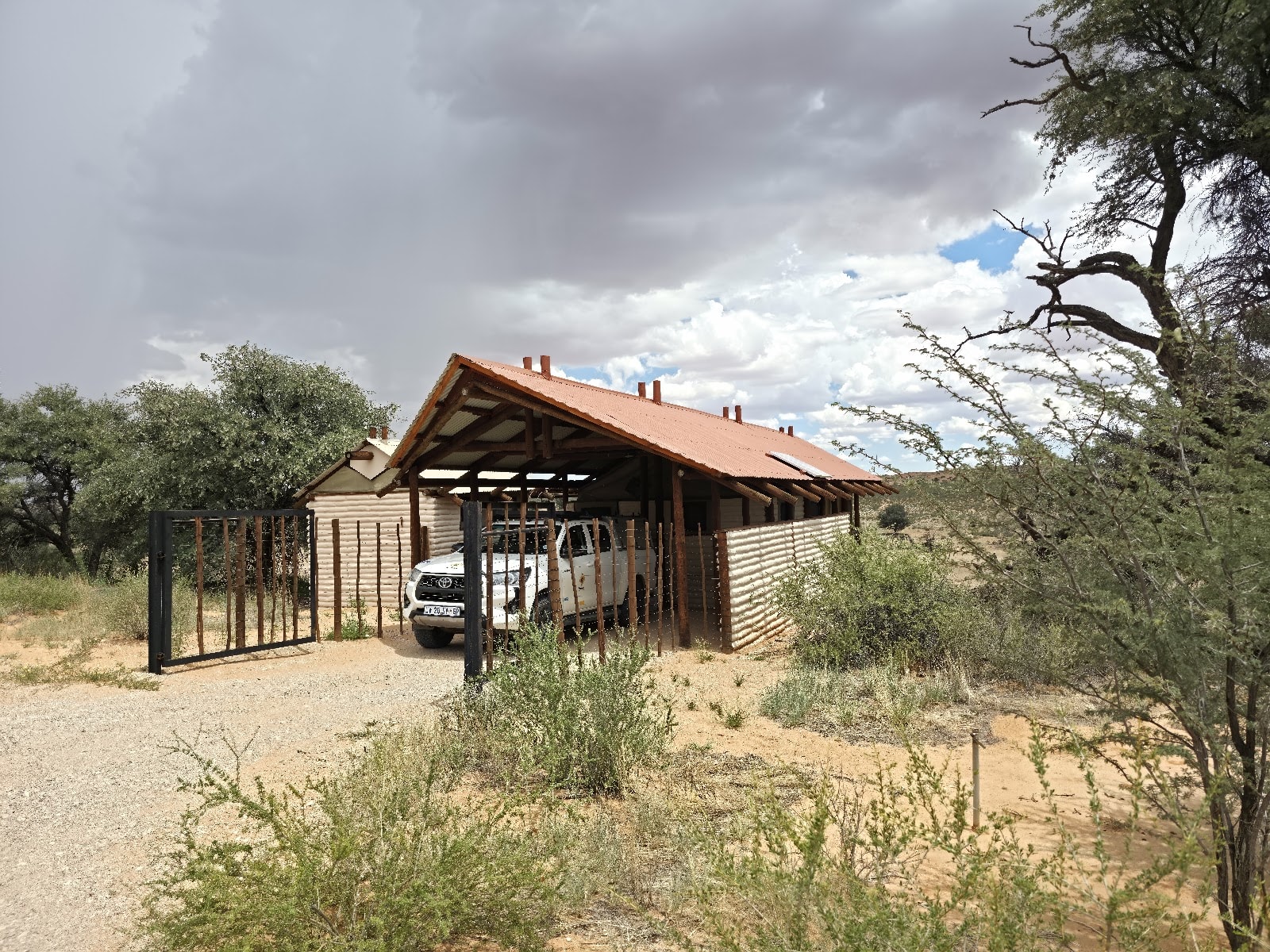
Kgalagadi Transfrontier Park
Common Waxbill: registrado aqui

Tankwa Karoo National Park
Common Waxbill: registrado aqui

Kgalagadi Transfrontier Park
Common Waxbill: registrado aqui
Ai-Ais/Richtersveld Transfrontier Park
Common Waxbill: registrado aqui

Richmond

Colesberg

Sutherland


Northern Cape

Mokala National Park

Mokala National Park

Mokala National Park

Concordia, Springbok
Próxima paragem
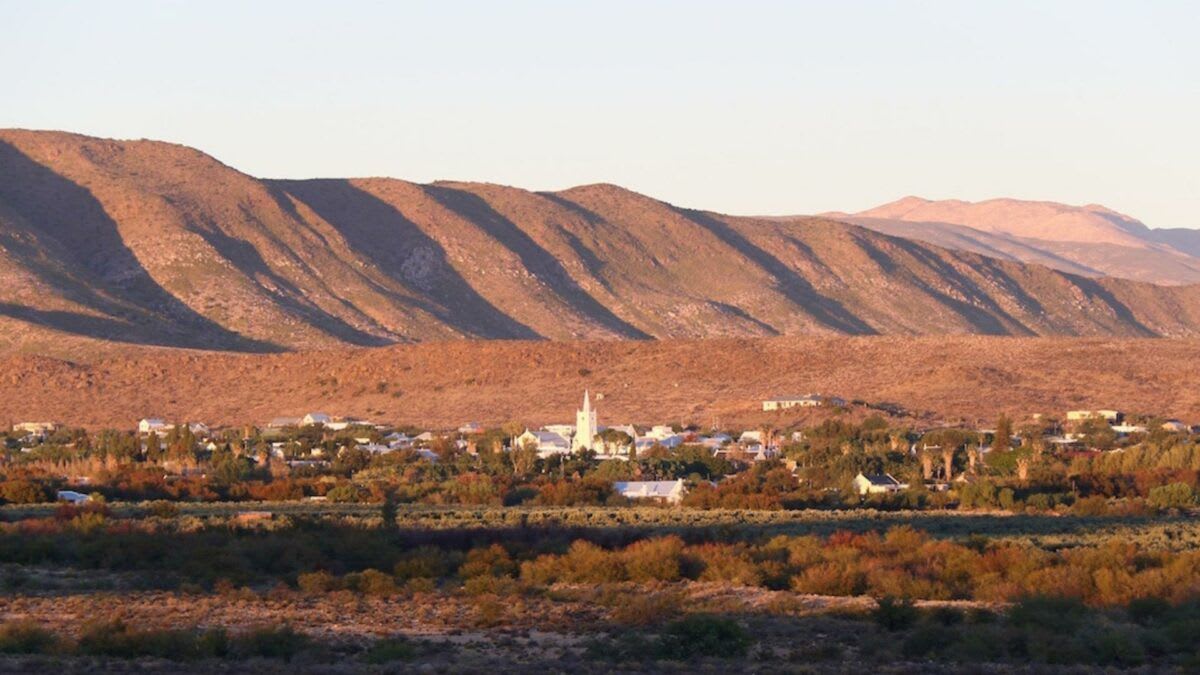
South Africa's vast inland heart: silence, stars, and wide horizons
Ver lugares que retribuemPlanejando uma viagem
Os anfitriões registraram esta espécie (Common Waxbill) em hospedagens dentro ou ao lado de Kgalagadi Transfrontier Park, Ai-Ais/Richtersveld Transfrontier Park and Tankwa Karoo National Park.
Dirija por conta própria
Seu próprio veículo e seu próprio ritmo, nas estradas do parque.
Onde os anfitriões registram
Espécie
Estrilda astrild
Registros
2,573
Observações no iNaturalist
Cada reserva no Spekboom apoia a conservação.
Um registro significa que um anfitrião avistou esta espécie (Common Waxbill) na propriedade ou nas proximidades. Nunca é garantia de avistamento.
Hosts on Spekboom have recorded the Common Waxbill at stays in or beside Kgalagadi Transfrontier Park, Ai-Ais/Richtersveld Transfrontier Park, Tankwa Karoo National Park, Augrabies Falls National Park and Namaqua National Park. A record means a host has seen it on the property or nearby, which makes these the places to base yourself; it is never a guarantee of a sighting on any given day.
The Common Waxbill is most recorded in Western Cape (59% of records), KwaZulu-Natal (16% of records), Gauteng (6% of records), based on 2,573 iNaturalist observations. 16 places to stay on Spekboom in Northern Cape have recorded the Common Waxbill on site or nearby.
The Common Waxbill is recorded throughout the year, so no month is the wrong month to look for it. For the parks where hosts record it most, these are the best seasons they give. Kgalagadi Transfrontier Park: Aug-Oct, flowers, Mar-May; Tankwa Karoo National Park: Sep-Apr, flowers Aug-Oct; Augrabies Falls National Park: Aug-Oct, flowers, Mar-May; Namaqua National Park: Aug-Oct, flowers, Mar-May. In the dry months animals concentrate at water and the grass is short.
The common waxbill (Estrilda astrild), also known as the St Helena waxbill, is a small passerine bird belonging to the estrildid finch family. It is native to sub-Saharan Africa but has been introduced to many other regions of the world and now has an estimated global extent of occurrence of 10,000,000 km2. It is popular and easy to keep in captivity.
