

Kruger National Park
Limpopo · Best Apr to Sep
19 lugares

The pale or pallid harrier (Circus macrourus) is a migratory bird of prey of the harrier family.
Mpumalanga and beyond
Provinces where Pallid Harrier is most recorded. Tap one to find places to stay.
37 records, iNaturalist
Por todo o Limpopo

Kruger National Park

Avistado com frequência · Observação de aves

Kruger National Park
Avistado com frequência · Observação de aves

Kruger National Park
Avistado com frequência · Observação de aves

Kruger National Park
Avistado com frequência · Observação de aves

Kruger National Park
Pallid Harrier: registrado aqui
Kruger National Park
Pallid Harrier: registrado aqui

Kruger National Park
Pallid Harrier: registrado aqui

Kruger National Park
Pallid Harrier: registrado aqui

Kruger National Park
Pallid Harrier: registrado aqui

Kruger National Park
Pallid Harrier: registrado aqui

Kruger National Park
Pallid Harrier: registrado aqui
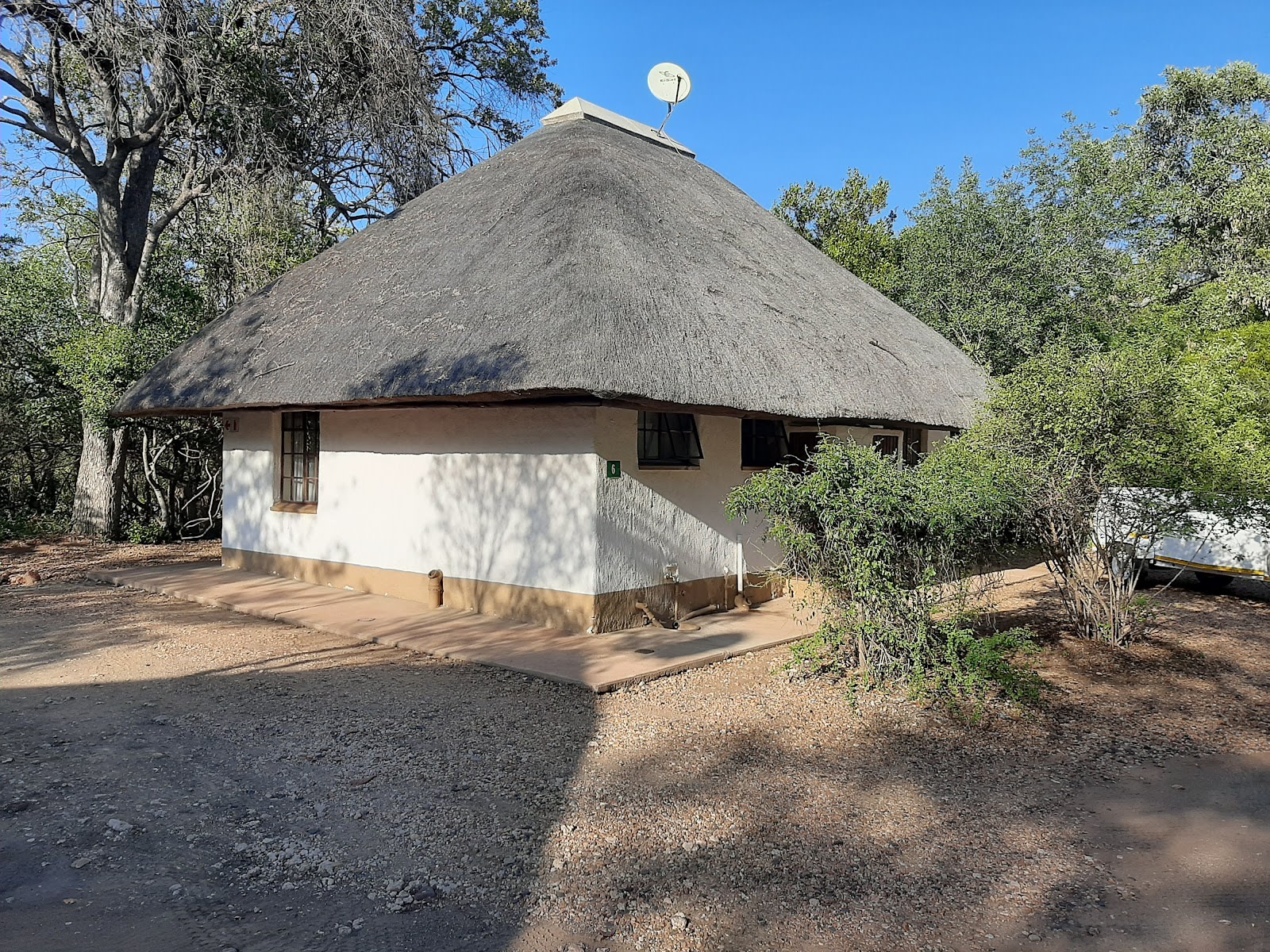
Kruger National Park
Pallid Harrier: registrado aqui

Kruger National Park
Pallid Harrier: registrado aqui
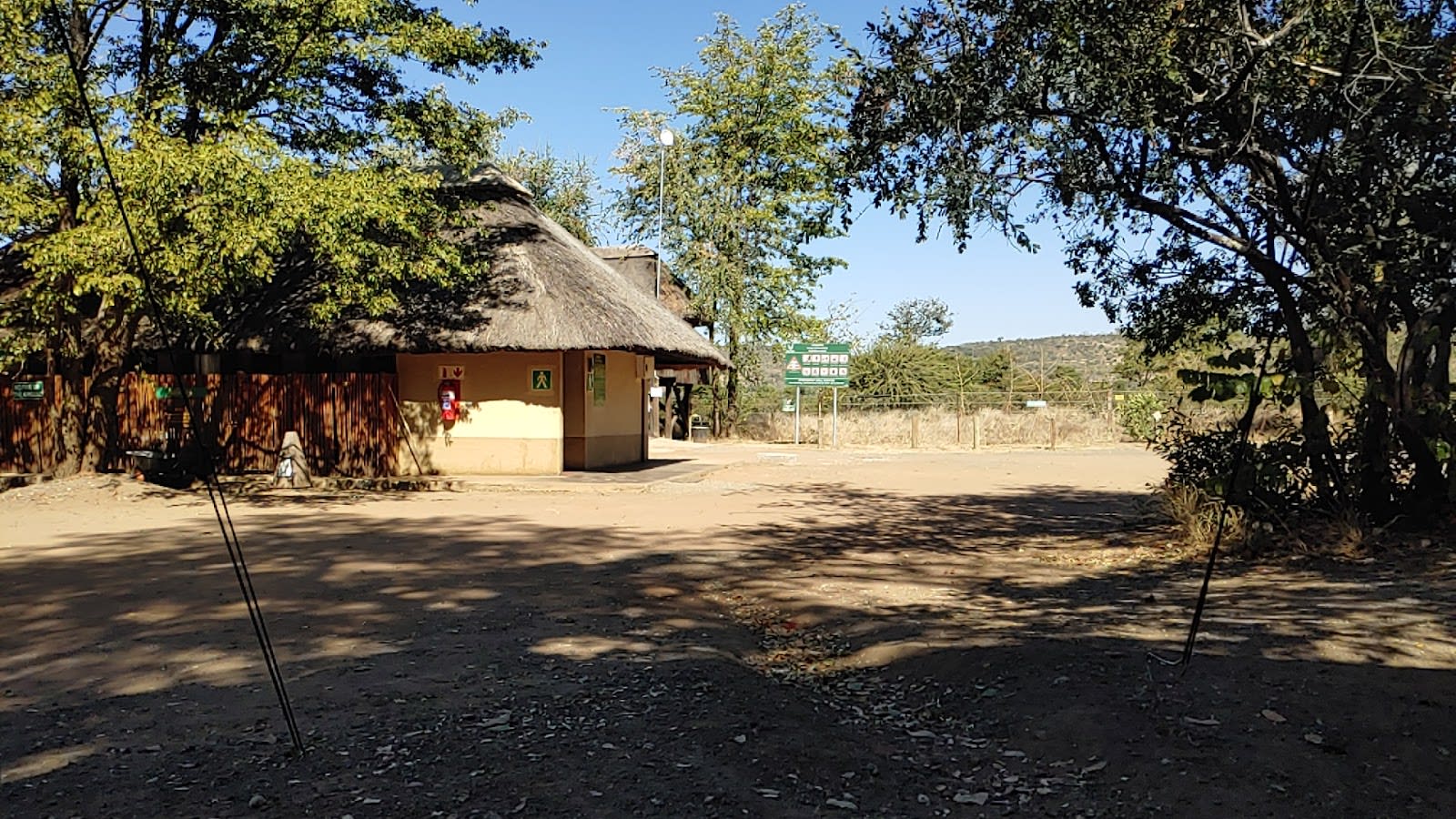
Kruger National Park
Pallid Harrier: registrado aqui

Kruger National Park
Pallid Harrier: registrado aqui
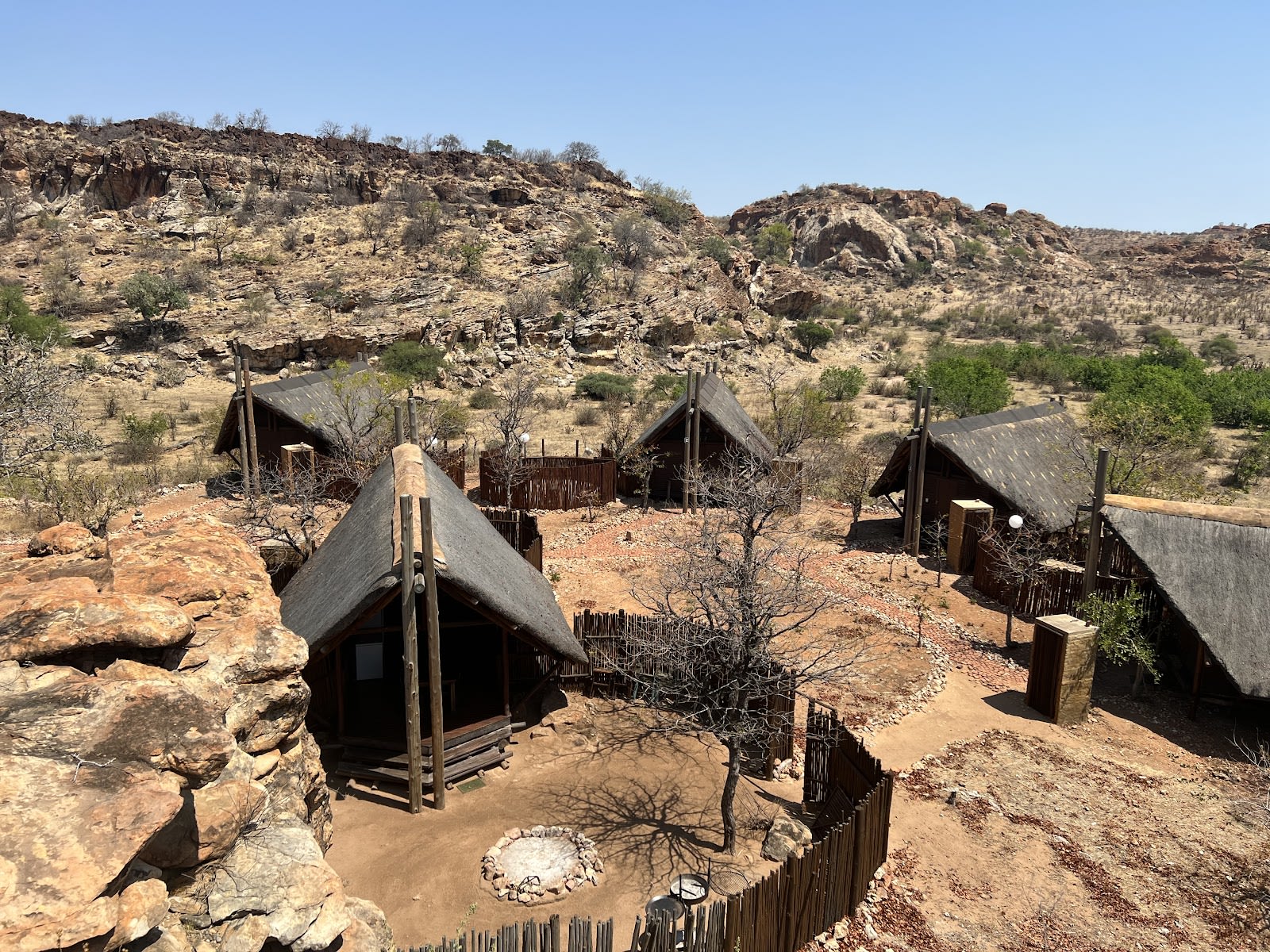
Mapungubwe National Park
Pallid Harrier: registrado aqui

Kruger National Park
Pallid Harrier: registrado aqui

Kruger National Park
Pallid Harrier: registrado aqui
Mapungubwe National Park
Pallid Harrier: registrado aqui

Kruger National Park
Pallid Harrier: registrado aqui

Kruger National Park
Pallid Harrier: registrado aqui

Mapungubwe National Park
Pallid Harrier: registrado aqui

Magoebaskloof


Magoebaskloof
Observação de aves

Próxima paragem
iSimangaliso wetlands, sand forest, and Sodwana reefs
Ver lugares que retribuemPlanejando uma viagem
Os anfitriões registraram esta espécie (Pallid Harrier) em hospedagens dentro ou ao lado de Kruger National Park and Mapungubwe National Park.
Dirija por conta própria
Seu próprio veículo e seu próprio ritmo, nas estradas do parque.
Onde os anfitriões registram
Lista Vermelha da IUCN
Near Threatened
Espécie
Circus macrourus
Registros
37
Observações no iNaturalist
Cada reserva no Spekboom apoia a conservação.
Um registro significa que um anfitrião avistou esta espécie (Pallid Harrier) na propriedade ou nas proximidades. Nunca é garantia de avistamento.
Hosts on Spekboom have recorded the Pallid Harrier at stays in or beside Kruger National Park and Mapungubwe National Park. A record means a host has seen it on the property or nearby, which makes these the places to base yourself; it is never a guarantee of a sighting on any given day.
The Pallid Harrier is most recorded in Mpumalanga (43% of records), Limpopo (38% of records), Gauteng (11% of records), based on 37 iNaturalist observations. 22 places to stay on Spekboom in Limpopo have recorded the Pallid Harrier on site or nearby.
The Pallid Harrier (Circus macrourus) is listed as Near Threatened on the IUCN Red List.
The pale or pallid harrier (Circus macrourus) is a migratory bird of prey of the harrier family. The scientific name is derived from the Ancient Greek. Circus is from kirkos, referring to a bird of prey named for its circling flight (kirkos, "circle"), probably the hen harrier and macrourus is "long-tailed", from makros, "long" and -ouros "-tailed".
