
Hluhluwe-Imfolozi Park
KwaZulu-Natal · Year-round
3 lugares

The saddle-billed stork, or saddlebill (Ephippiorhynchus senegalensis) is a large wading bird in the stork family, Ciconiidae.
Recorded year-round
Recorded in every month, so no month is the wrong month to look. We would rather say that than invent a best time.
Curve from 1,654 national iNaturalist observations, not from one property and not from this province. Single-month spikes are discarded as upload artefacts, and below 50 records we show no curve at all.
Mpumalanga and beyond
Provinces where Saddle-billed Stork is most recorded. Tap one to find places to stay.
1,654 records, iNaturalist
Por todo o KwaZulu-Natal

Hluhluwe-iMfolozi Park · A partir de R 1,420 por noite
Saddle-billed Stork: registrado aqui

Hluhluwe-iMfolozi Park · A partir de R 900 por noite
Saddle-billed Stork: registrado aqui
Hluhluwe-Imfolozi Park · Preço sob consulta

Saddle-billed Stork: registrado aqui

Ndumo Game Reserve · A partir de R 190 por noite
Saddle-billed Stork: registrado aqui

iSimangaliso Wetland Park · Preço sob consulta
Saddle-billed Stork: registrado aqui

iSimangaliso Wetland Park · Preço sob consulta
Avistado com frequência · Observação de aves

Umdloti, Ballito · A partir de R 13,000 por noite
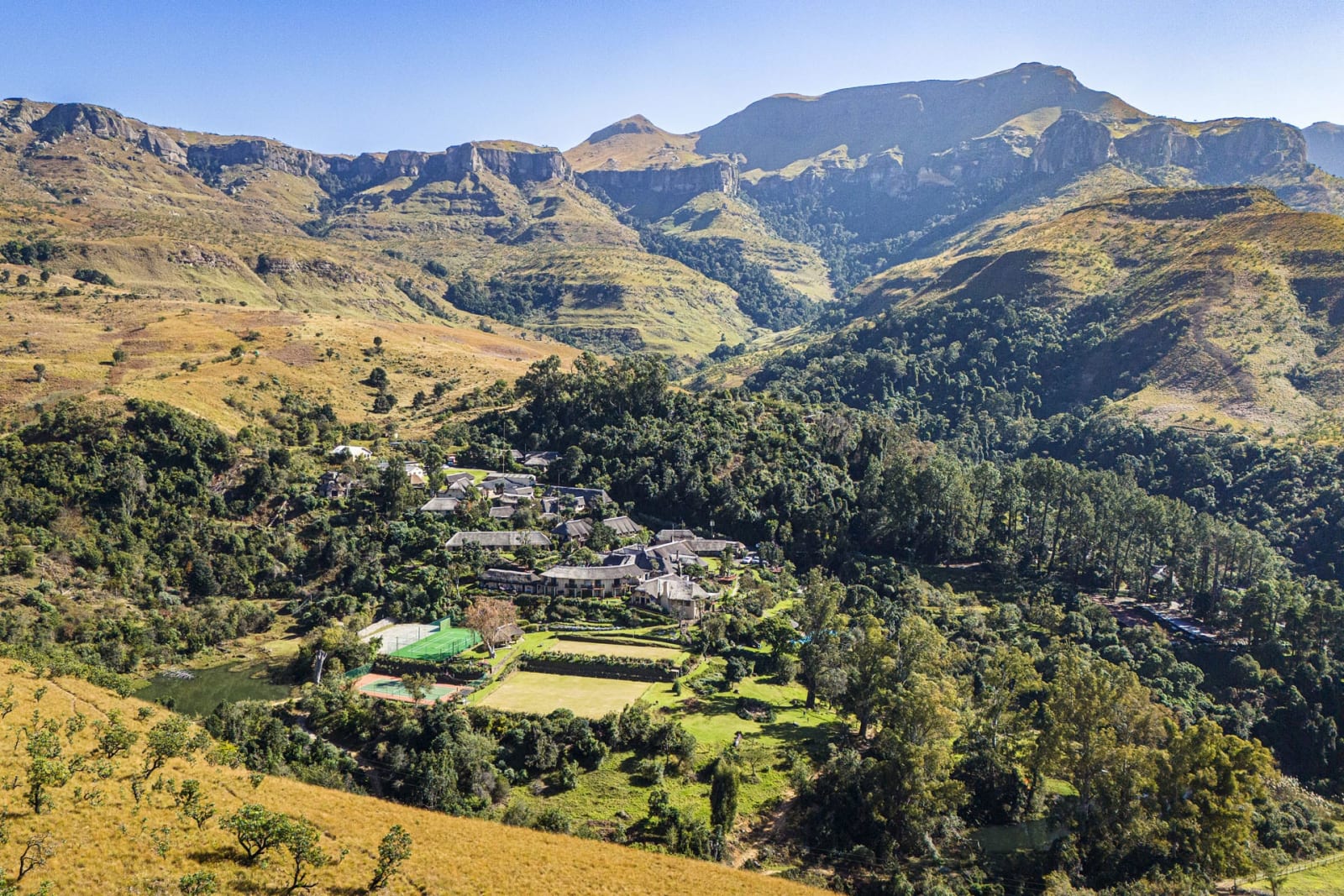
Drakensberg, Bergville · A partir de R 4,280 por noite

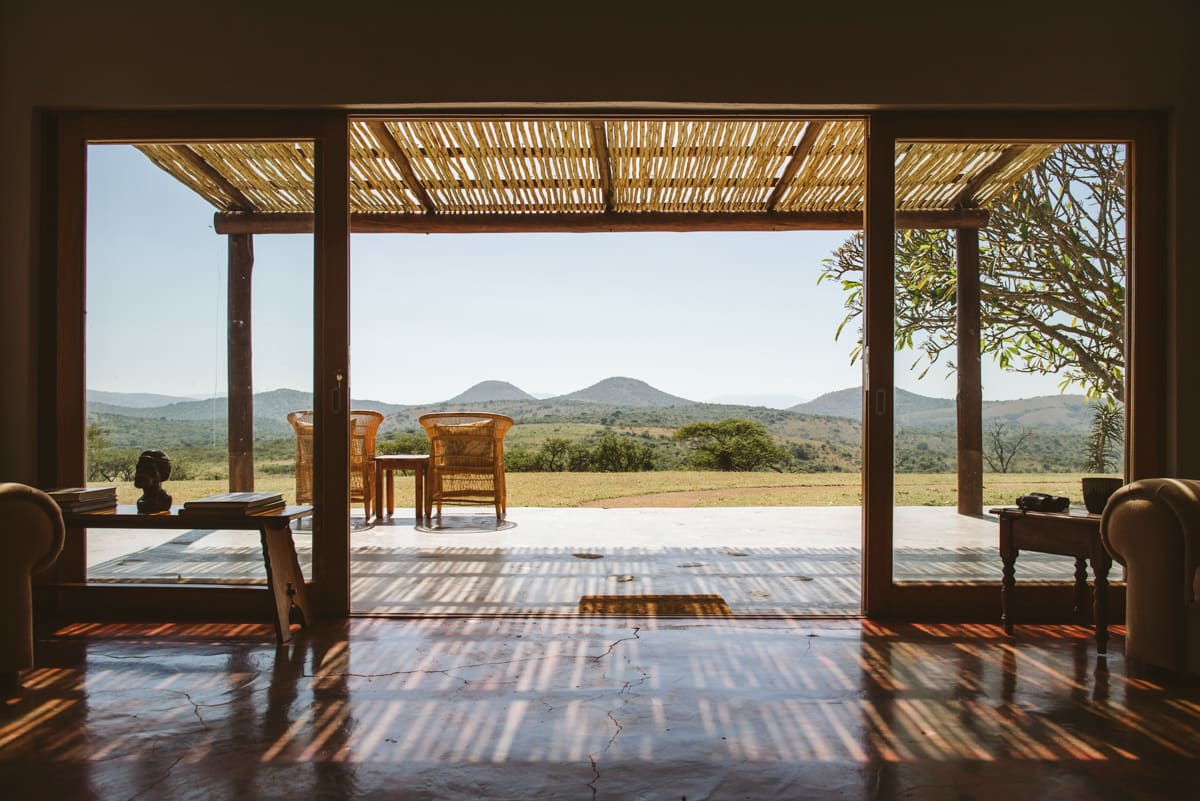
Magudu · A partir de R 1,280 por noite

Observação de aves
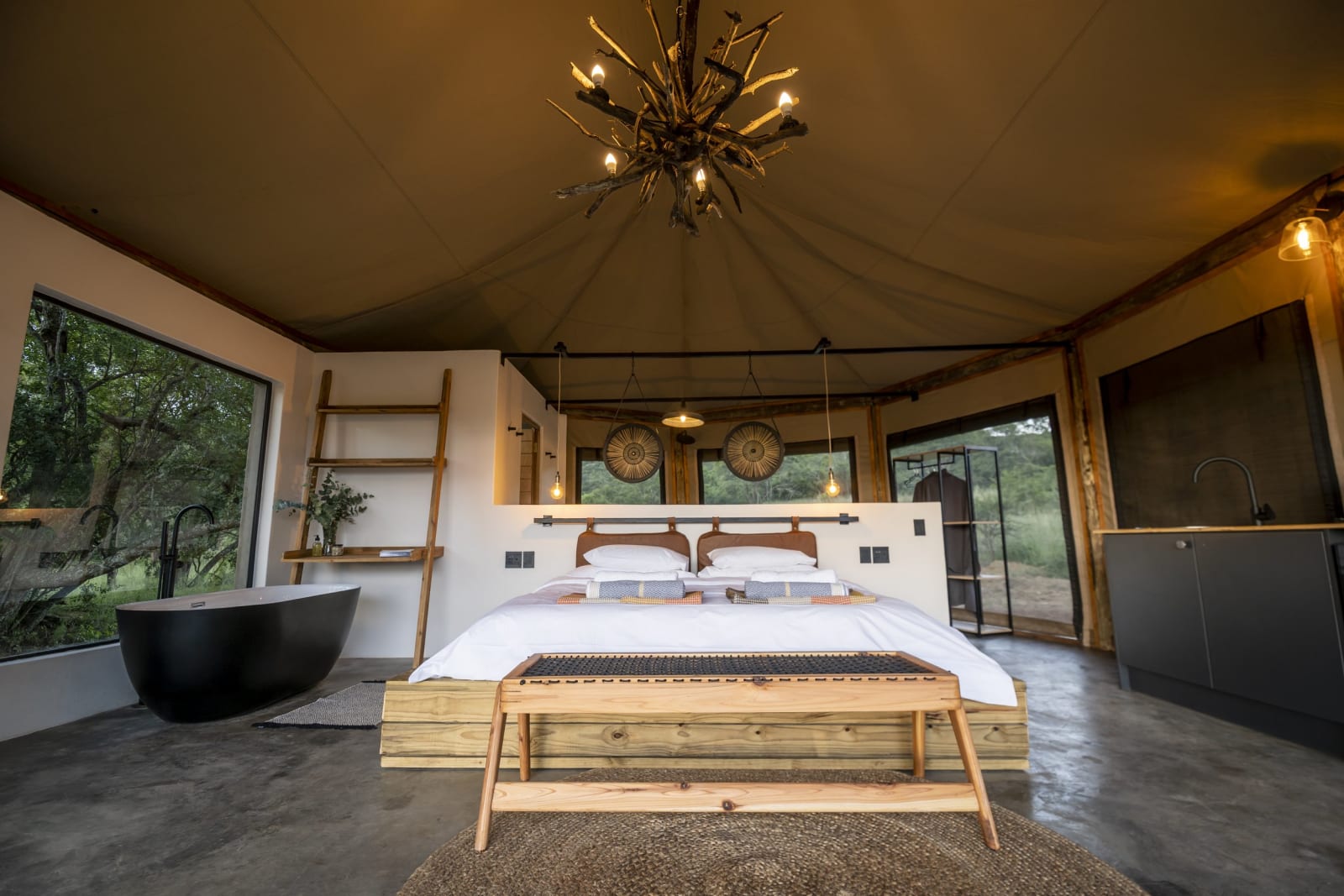
Bergville · A partir de R 5,400 por noite

Richmond · A partir de R 5,990 por noite
Observação de aves

Drakensberg, Bergville · A partir de R 1,140 por noite
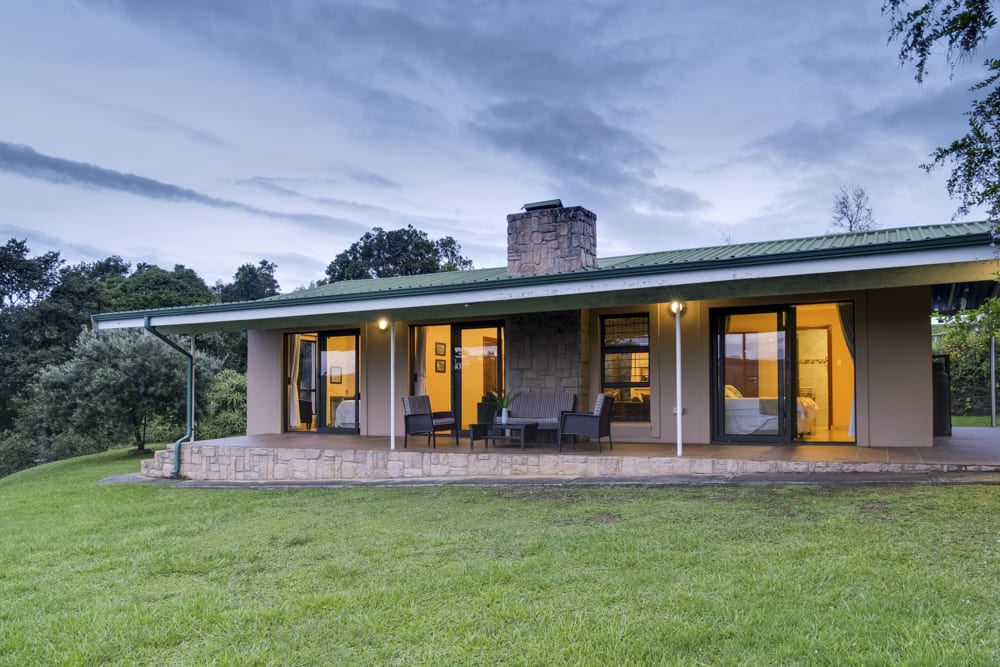
Cathkin Park · A partir de R 1,691 por noite
Observação de aves

Underberg · A partir de R 1,200 por noite
Observação de aves

Drakensberg, Bergville · A partir de R 1,950 por noite

Drakensberg, Bergville · A partir de R 6,800 por noite
Observação de aves

Nottingham Road · A partir de R 4,100 por noite

Phinda Private Game Reserve · Preço sob consulta


Ballito · A partir de R 3,995 por noite


Howick · A partir de R 795 por noite
Observação de aves

Phinda Private Game Reserve · Preço sob consulta

Mkuze · A partir de R 1,840 por noite
Observação de aves
Mkuze · A partir de R 14,000 por noite

Observação de aves

Phinda Private Game Reserve · Preço sob consulta

Próxima paragem
Rolling green hills, dairy farms, and pottery studios
Ver lugares que retribuemPlanejando uma viagem
Os anfitriões registraram esta espécie (Saddle-billed Stork) em hospedagens dentro ou ao lado de Hluhluwe-Imfolozi Park, iSimangaliso Wetland Park and Ndumo Game Reserve.
Lista Vermelha da IUCN
Near Threatened
Espécie
Ephippiorhynchus senegalensis
Registros
1,654
Observações no iNaturalist
Cada reserva no Spekboom apoia a conservação.
Um registro significa que um anfitrião avistou esta espécie (Saddle-billed Stork) na propriedade ou nas proximidades. Nunca é garantia de avistamento.
Hosts on Spekboom have recorded the Saddle-billed Stork at stays in or beside Hluhluwe-Imfolozi Park, iSimangaliso Wetland Park and Ndumo Game Reserve. A record means a host has seen it on the property or nearby, which makes these the places to base yourself; it is never a guarantee of a sighting on any given day.
The Saddle-billed Stork is most recorded in Mpumalanga (55% of records), Limpopo (33% of records), KwaZulu-Natal (11% of records), based on 1,654 iNaturalist observations. 6 places to stay on Spekboom in KwaZulu-Natal have recorded the Saddle-billed Stork on site or nearby.
The Saddle-billed Stork is recorded throughout the year, so no month is the wrong month to look for it. For the parks where hosts record it most, these are the best seasons they give. Hluhluwe-Imfolozi Park: year-round, dry season May-Sep; iSimangaliso Wetland Park: year-round, dry season May-Sep; Ndumo Game Reserve: year-round, dry season May-Sep. In the dry months animals concentrate at water and the grass is short.
The Saddle-billed Stork (Ephippiorhynchus senegalensis) is listed as Near Threatened on the IUCN Red List.
The saddle-billed stork, or saddlebill (Ephippiorhynchus senegalensis) is a large wading bird in the stork family, Ciconiidae. It is a widespread species which is a resident breeder in sub-Saharan Africa from Sudan, Ethiopia and Kenya south to South Africa, and in The Gambia, Senegal, Côte d'Ivoire and Chad in west Africa. Considered Endangered in South Africa.