

Kruger National Park
Limpopo · Best Apr to Sep
4 plekken

Trees & flora
Kirkia is a genus of plant in family Kirkiaceae.
Recorded year-round
Recorded in every month, so no month is the wrong month to look. We would rather say that than invent a best time.
Curve from 188 national iNaturalist observations, not from one property. Single-month spikes are discarded as upload artefacts, and below 50 records we show no curve at all.
Limpopo and beyond
Provinces where White Kirkia is most recorded. Tap one to find places to stay.
188 records, iNaturalist
Door heel Zuid-Afrika
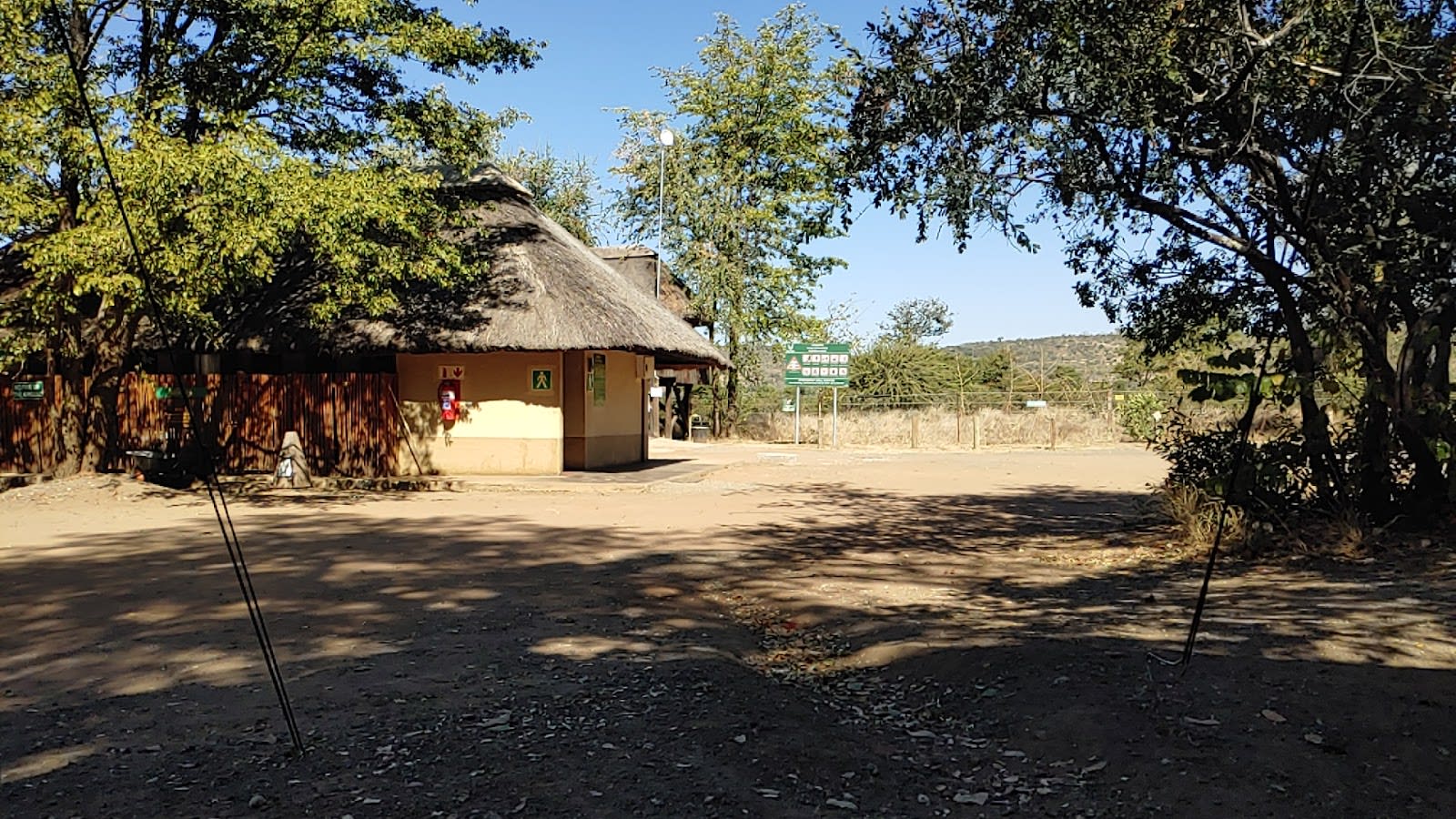
Kruger National Park
White Kirkia hier waargenomen

Kruger National Park
White Kirkia hier waargenomen
Kruger National Park
White Kirkia hier waargenomen

Kruger National Park
White Kirkia hier waargenomen

Benguela Cove, Hermanus


Oudtshoorn


Kruger National Park


Riebeek Valley, Riebeek West
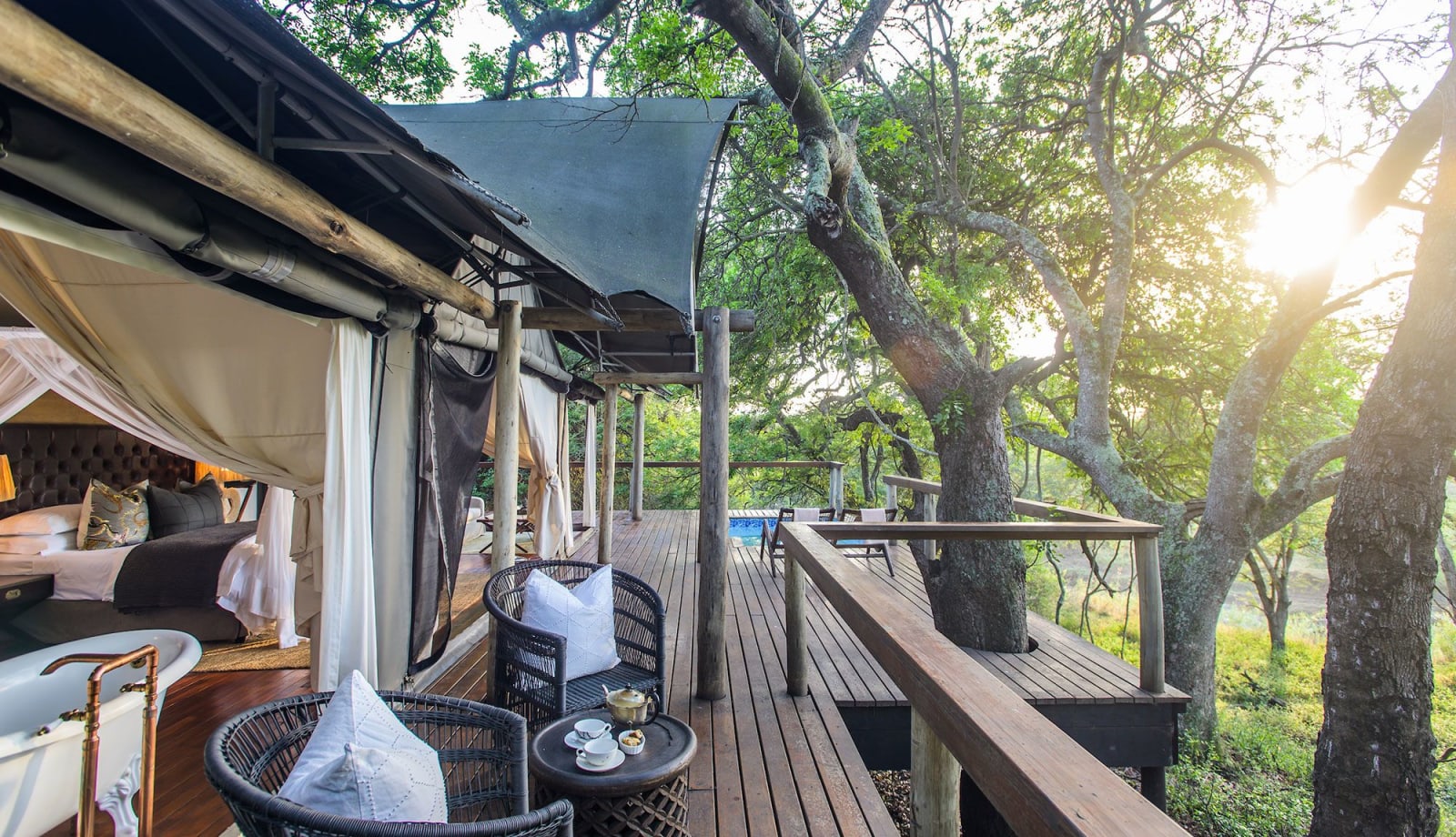
Hazyview


Klapmuts, Simondium

Gardens, Cape Town

Bakoven, Cape Town

Timbavati Private Nature Reserve

Kruger National Park

Kruger National Park

Hluhluwe-Imfolozi Park


Kruger National Park

Swellendam


iSimangaliso Wetland Park

Bergville


Hoedspruit


Franschhoek

Wittedrift, Plettenberg Bay


Stanford

Volgende stop
Sandstone amphitheatres and cool mountain air
Bekijk plekken die iets teruggevenEen reis plannen
White Kirkia: door verhuurders waargenomen in of bij Kruger National Park.
Soort
Kirkia acuminata
Waarnemingen
188
iNaturalist-waarnemingen
Elke boeking op Spekboom steunt natuurbehoud.
Een waarneming betekent dat een verhuurder de White Kirkia op of bij het terrein heeft gezien. Het is nooit een garantie dat u de soort ziet.
Hosts on Spekboom have recorded the White Kirkia at stays in or beside Kruger National Park. A record means a host has seen it on the property or nearby, which makes these the places to base yourself; it is never a guarantee of a sighting on any given day.
The White Kirkia is most recorded in Limpopo (81% of records), Mpumalanga (19% of records), based on 188 iNaturalist observations. 4 places to stay on Spekboom in South Africa have recorded the White Kirkia on site or nearby.
The White Kirkia is recorded throughout the year, so no month is the wrong month to look for it. For the parks where hosts record it most, these are the best seasons they give. Kruger National Park: Apr-Sep. In the dry months animals concentrate at water and the grass is short.
Kirkia is a genus of plant in family Kirkiaceae. It was previously placed in family Simaroubaceae, but was transferred into Kirkiaceae, together with Pleiokirkia, because these genera produce neither quassinoids nor limonoids.
