

Kruger National Park
Limpopo · Best Apr to Sep
19 plekken

The yellow-billed kite is the Afrotropical counterpart of the black kite, of which it is most often considered a subspecies.
Recorded year-round
Recorded in every month, so no month is the wrong month to look. We would rather say that than invent a best time.
Curve from 2,908 national iNaturalist observations, not from one property and not from this province. Single-month spikes are discarded as upload artefacts, and below 50 records we show no curve at all.
KwaZulu-Natal and beyond
Provinces where Yellow-billed Kite is most recorded. Tap one to find places to stay.
2,909 records, iNaturalist
Door heel Limpopo

Kruger National Park

Betrouwbaar te zien · Vogelaarsvriendelijk

Kruger National Park
Betrouwbaar te zien · Vogelaarsvriendelijk

Kruger National Park
Betrouwbaar te zien · Vogelaarsvriendelijk

Kruger National Park
Betrouwbaar te zien · Vogelaarsvriendelijk

Kruger National Park
Yellow-billed Kite hier waargenomen

Timbavati Private Nature Reserve
Yellow-billed Kite hier waargenomen
Kruger National Park
Yellow-billed Kite hier waargenomen

Kruger National Park
Yellow-billed Kite hier waargenomen

Timbavati Private Nature Reserve

Yellow-billed Kite hier waargenomen

Kruger National Park
Yellow-billed Kite hier waargenomen

Kruger National Park
Yellow-billed Kite hier waargenomen

Welgevonden Game Reserve
Yellow-billed Kite hier waargenomen

Kruger National Park
Yellow-billed Kite hier waargenomen

Kruger National Park
Yellow-billed Kite hier waargenomen

Welgevonden Game Reserve
Yellow-billed Kite hier waargenomen
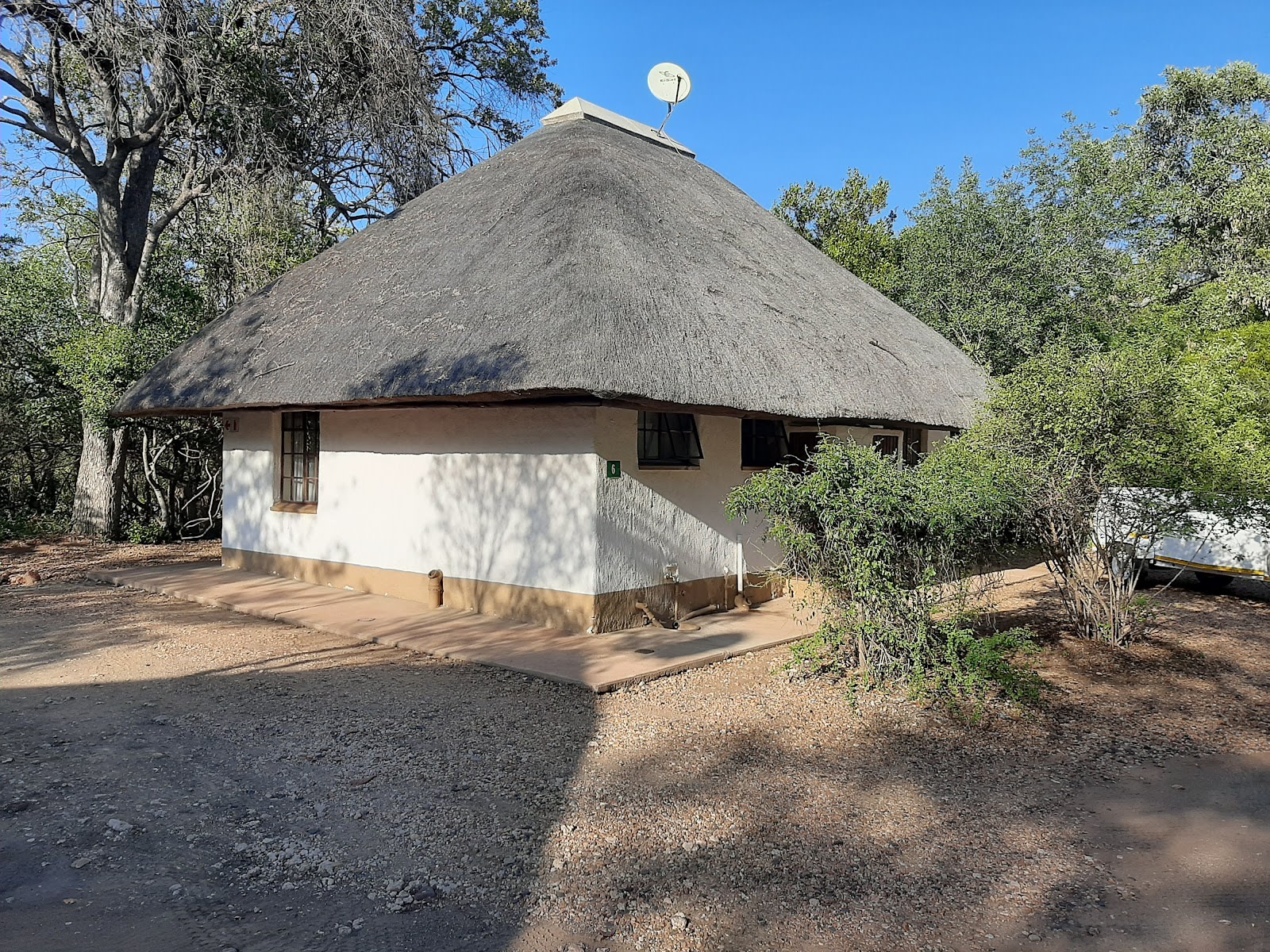
Kruger National Park
Yellow-billed Kite hier waargenomen

Kruger National Park
Yellow-billed Kite hier waargenomen

Rust de Winter
Betrouwbaar te zien · Vogelaarsvriendelijk
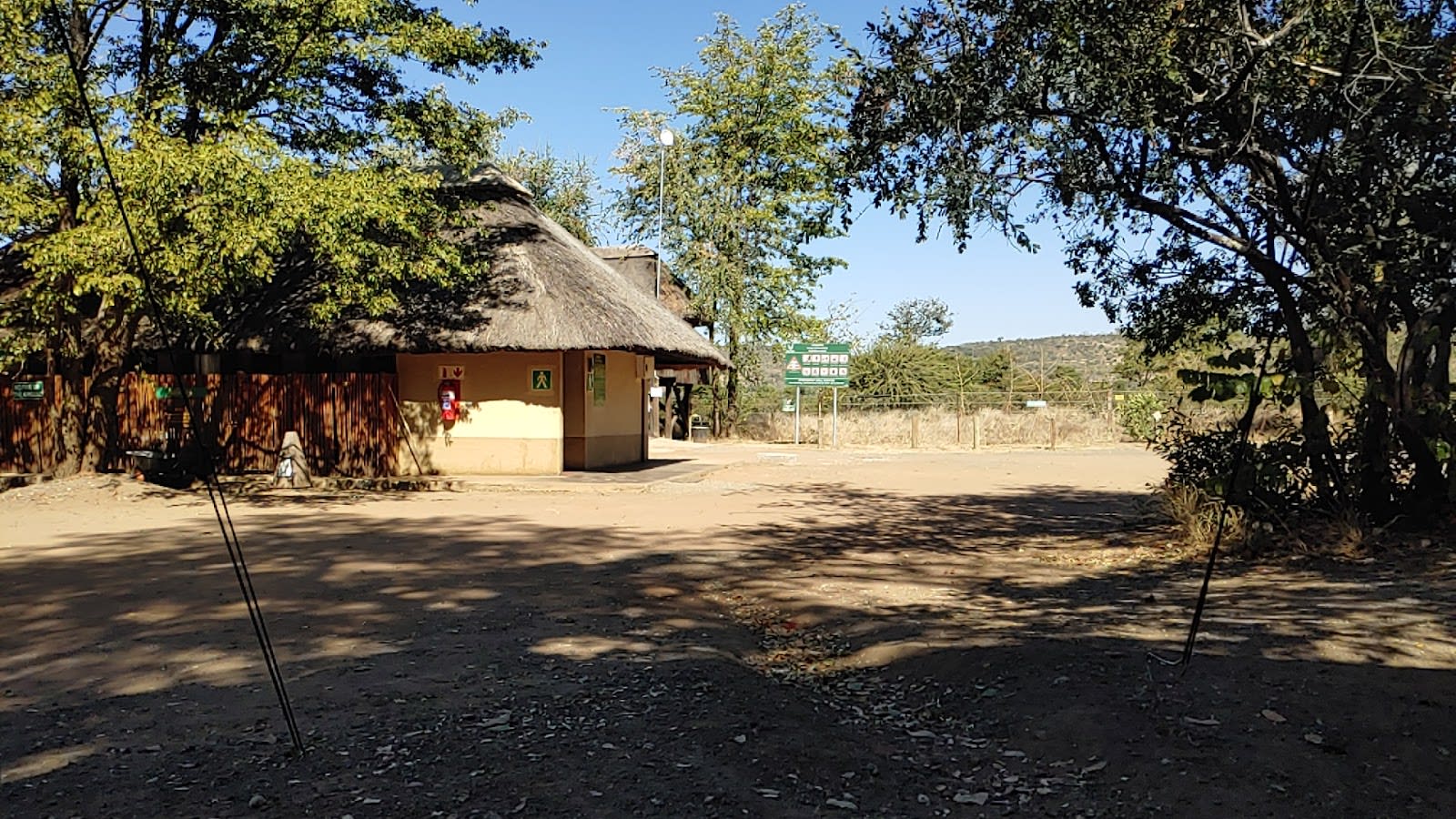
Kruger National Park
Yellow-billed Kite hier waargenomen

Kruger National Park
Yellow-billed Kite hier waargenomen
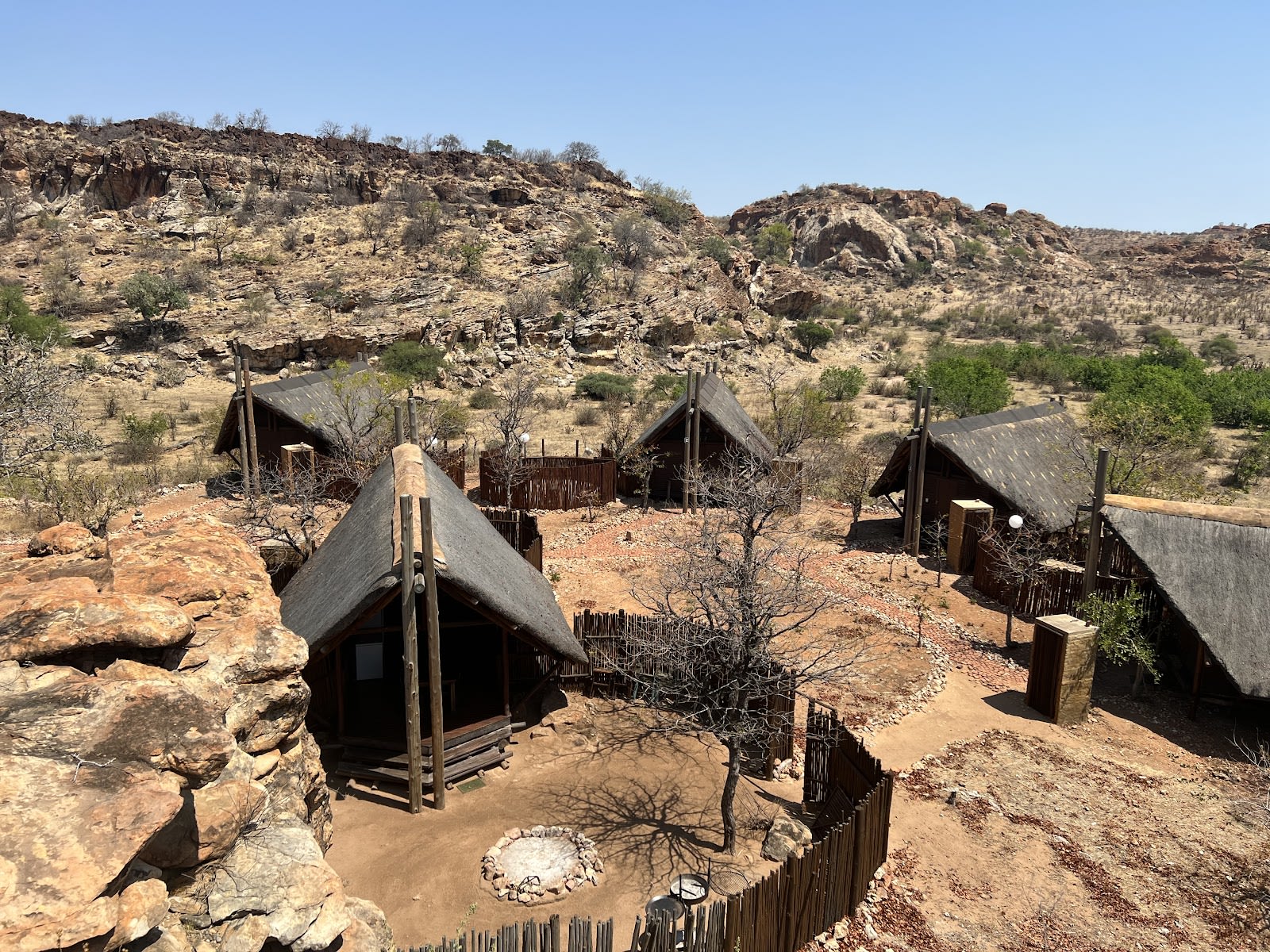
Mapungubwe National Park
Yellow-billed Kite hier waargenomen

Kruger National Park
Yellow-billed Kite hier waargenomen

Kruger National Park
Yellow-billed Kite hier waargenomen
Mapungubwe National Park
Yellow-billed Kite hier waargenomen

Volgende stop
iSimangaliso wetlands, sand forest, and Sodwana reefs
Bekijk plekken die iets teruggevenEen reis plannen
Yellow-billed Kite: door verhuurders waargenomen in of bij Kruger National Park, Mapungubwe National Park and Timbavati Private Nature Reserve.
Zelf rijden
Uw eigen auto en tempo, op de wegen van het park.
Waar verhuurders de soort waarnemen
Begeleide ritten vanuit een lodge
Een gids die weet waar te kijken, met offroad- en nachtritten in de privéreservaten.
Waar verhuurders de soort waarnemen
Soort
Milvus aegyptius
Waarnemingen
2,909
iNaturalist-waarnemingen
Elke boeking op Spekboom steunt natuurbehoud.
Een waarneming betekent dat een verhuurder de Yellow-billed Kite op of bij het terrein heeft gezien. Het is nooit een garantie dat u de soort ziet.
Hosts on Spekboom have recorded the Yellow-billed Kite at stays in or beside Kruger National Park, Mapungubwe National Park, Timbavati Private Nature Reserve and Welgevonden Game Reserve. A record means a host has seen it on the property or nearby, which makes these the places to base yourself; it is never a guarantee of a sighting on any given day.
The Yellow-billed Kite is most recorded in KwaZulu-Natal (40% of records), Western Cape (39% of records), Mpumalanga (8% of records), based on 2,909 iNaturalist observations. 27 places to stay on Spekboom in Limpopo have recorded the Yellow-billed Kite on site or nearby.
The Yellow-billed Kite is recorded throughout the year, so no month is the wrong month to look for it. For the parks where hosts record it most, these are the best seasons they give. Kruger National Park: Apr-Sep; Mapungubwe National Park: May-Sep, dry season; Timbavati Private Nature Reserve: May-Sep, dry season; Welgevonden Game Reserve: May-Sep, dry season. In the dry months animals concentrate at water and the grass is short.
The yellow-billed kite is the Afrotropical counterpart of the black kite, of which it is most often considered a subspecies. However, DNA studies suggest that the yellow-billed kite differs significantly from black kites in the Eurasian clade, and should be considered as a separate, allopatric species.

