
Kruger National Park
Limpopo · Best Apr to Sep
12 plekken

The wood sandpiper (Tringa glareola) is a small wader.
Recorded year-round
Recorded in every month, so no month is the wrong month to look. We would rather say that than invent a best time.
Curve from 1,192 national iNaturalist observations, not from one property. Single-month spikes are discarded as upload artefacts, and below 50 records we show no curve at all.
Mpumalanga and beyond
Provinces where Wood Sandpiper is most recorded. Tap one to find places to stay.
1,192 records, iNaturalist
Door heel Zuid-Afrika

Drakensberg, Bergville

Betrouwbaar te zien · Vogelaarsvriendelijk

Kruger National Park

Betrouwbaar te zien · Vogelaarsvriendelijk

Wakkerstroom
Betrouwbaar te zien · Vogelaarsvriendelijk
Kruger National Park
Betrouwbaar te zien · Vogelaarsvriendelijk

Kruger National Park
Betrouwbaar te zien · Vogelaarsvriendelijk

Hluhluwe-Imfolozi Park

Wood Sandpiper hier waargenomen

Kruger National Park
Betrouwbaar te zien · Vogelaarsvriendelijk

Madikwe
Wood Sandpiper hier waargenomen

Sabi Sand Game Reserve
Wood Sandpiper hier waargenomen

Kruger National Park
Wood Sandpiper hier waargenomen

Kruger National Park

Wood Sandpiper hier waargenomen

Sabi Sand Game Reserve
Wood Sandpiper hier waargenomen

Kruger National Park
Wood Sandpiper hier waargenomen

Kruger National Park
Wood Sandpiper hier waargenomen

Kruger National Park
Wood Sandpiper hier waargenomen

Wakkerstroom
Betrouwbaar te zien · Vogelaarsvriendelijk
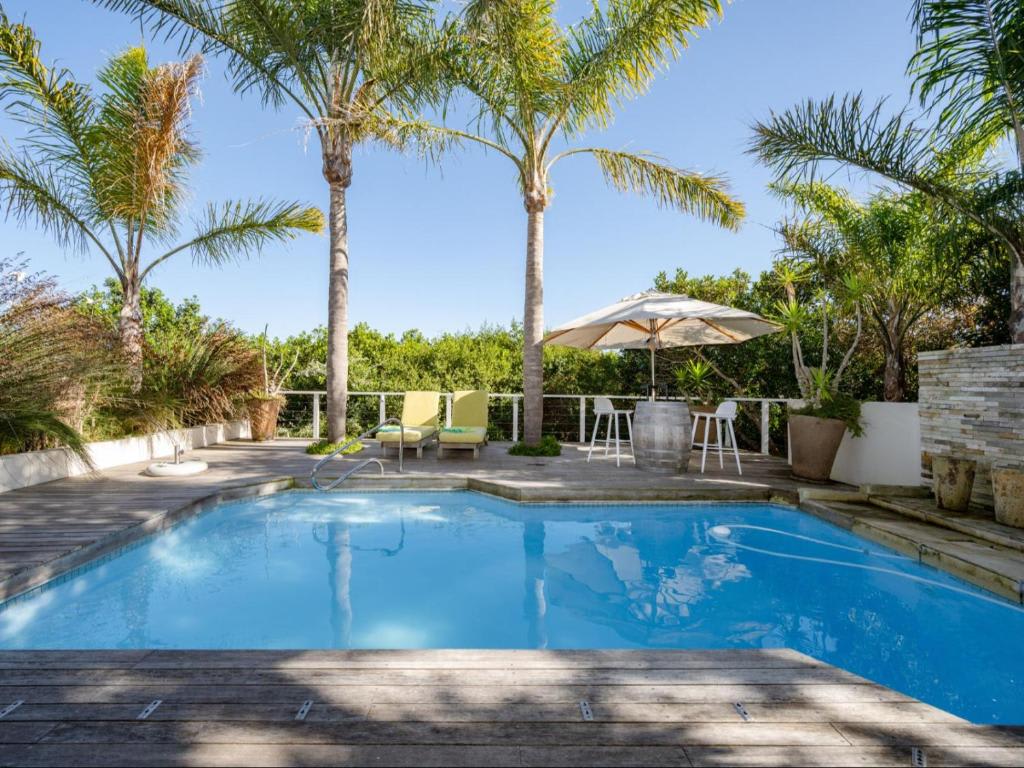
Keurbooms River Nature Reserve
Wood Sandpiper hier waargenomen

Kruger National Park
Wood Sandpiper hier waargenomen

Aberdeen
Betrouwbaar te zien · Vogelaarsvriendelijk

Bronkhorstspruit

Betrouwbaar te zien · Vogelaarsvriendelijk

Kwandwe Private Game Reserve
Wood Sandpiper hier waargenomen

Rocherpan Nature Reserve
Wood Sandpiper hier waargenomen

Rocherpan Nature Reserve
Wood Sandpiper hier waargenomen

Kwandwe Private Game Reserve
Wood Sandpiper hier waargenomen

Volgende stop
Sandstone amphitheatres and cool mountain air
Bekijk plekken die iets teruggevenEen reis plannen
Wood Sandpiper: door verhuurders waargenomen in of bij Kruger National Park, Kwandwe Private Game Reserve and Rocherpan Nature Reserve.
Kruger

Rocherpan · Keurbooms River
Kwandwe
Sabi Sand
Zelf rijden
Uw eigen auto en tempo, op de wegen van het park.
Waar verhuurders de soort waarnemen
Soort
Tringa glareola
Waarnemingen
1,192
iNaturalist-waarnemingen
Elke boeking op Spekboom steunt natuurbehoud.
Een waarneming betekent dat een verhuurder de Wood Sandpiper op of bij het terrein heeft gezien. Het is nooit een garantie dat u de soort ziet.
Hosts on Spekboom have recorded the Wood Sandpiper at stays in or beside Kruger National Park, Kwandwe Private Game Reserve, Rocherpan Nature Reserve, Sabi Sand Game Reserve, Hluhluwe-Imfolozi Park and iSimangaliso Wetland Park and other reserves. A record means a host has seen it on the property or nearby, which makes these the places to base yourself; it is never a guarantee of a sighting on any given day.
The Wood Sandpiper is most recorded in Mpumalanga (33% of records), Limpopo (27% of records), KwaZulu-Natal (19% of records), based on 1,192 iNaturalist observations. 34 places to stay on Spekboom in South Africa have recorded the Wood Sandpiper on site or nearby.
The Wood Sandpiper is recorded throughout the year, so no month is the wrong month to look for it. For the parks where hosts record it most, these are the best seasons they give. Kruger National Park: Apr-Sep; Kwandwe Private Game Reserve: year-round, best Mar-May, Sep-Nov; Rocherpan Nature Reserve: Winter and spring for birds and flowers, Jun-Oct; Sabi Sand Game Reserve: year-round, dry season May-Sep optimal. In the dry months animals concentrate at water and the grass is short.
The wood sandpiper (Tringa glareola) is a small wader. This Eurasian species is the smallest of the shanks, which are mid-sized long-legged waders of the family Scolopacidae. The genus name Tringa is the New Latin name given to the green sandpiper by Aldrovandus in 1599 based on Ancient Greek trungas, a thrush-sized, white-rumped, tail-bobbing wading bird mentioned by Aristotle.
