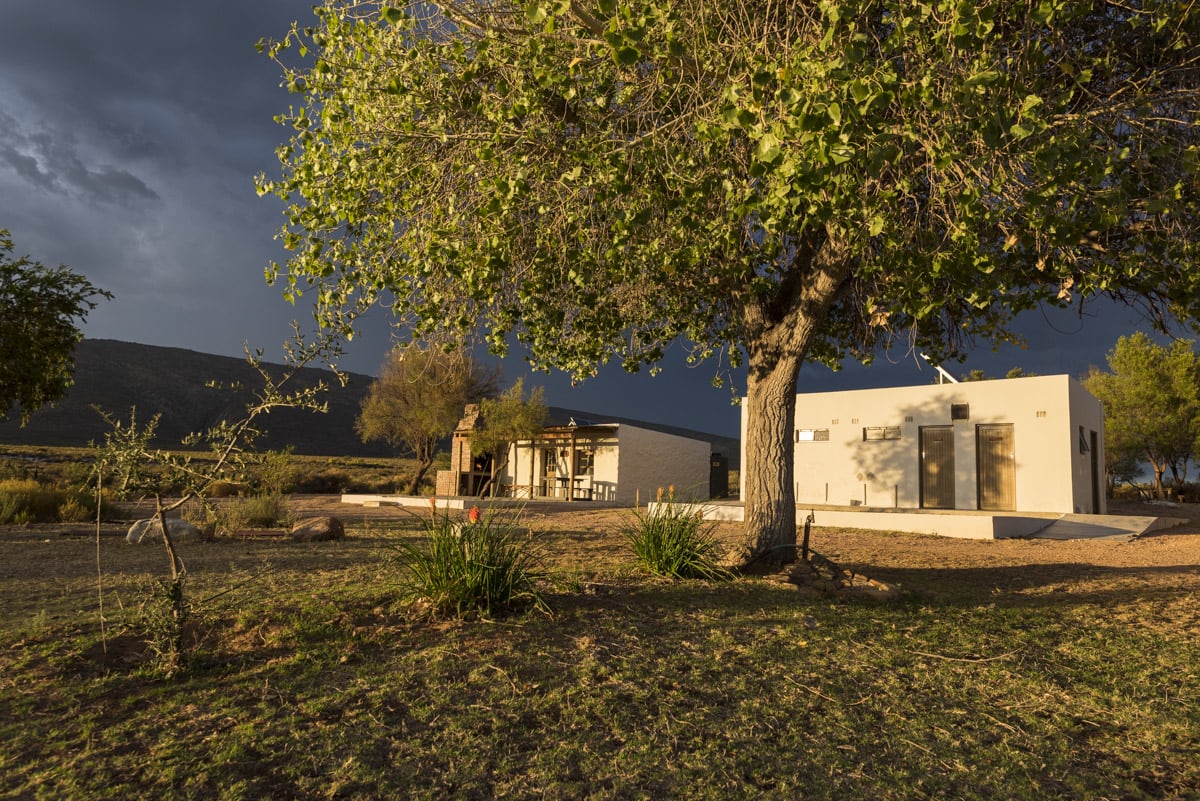
Anysberg Nature Reserve
Western Cape · Best Autumn and spring
7 luoghi

Phalaris arundinacea, sometimes known as reed canary grass, is a tall, perennial bunchgrass that commonly forms extensive single-species stands along the margins of lakes and streams and in wet open areas, with a wide distribution in Europe, Asia, northern Africa and North America.
Western Cape and beyond
Provinces where Sand Martin is most recorded. Tap one to find places to stay.
3 records, iNaturalist
In tutto il Capo Occidentale

Oudtshoorn
Avvistato spesso · Birder Friendly · Bioma: Fynbos · Gemsbok · Greater kudu
Sostiene Wolwekraal Nature Reserve
Da R 5,060 a notte
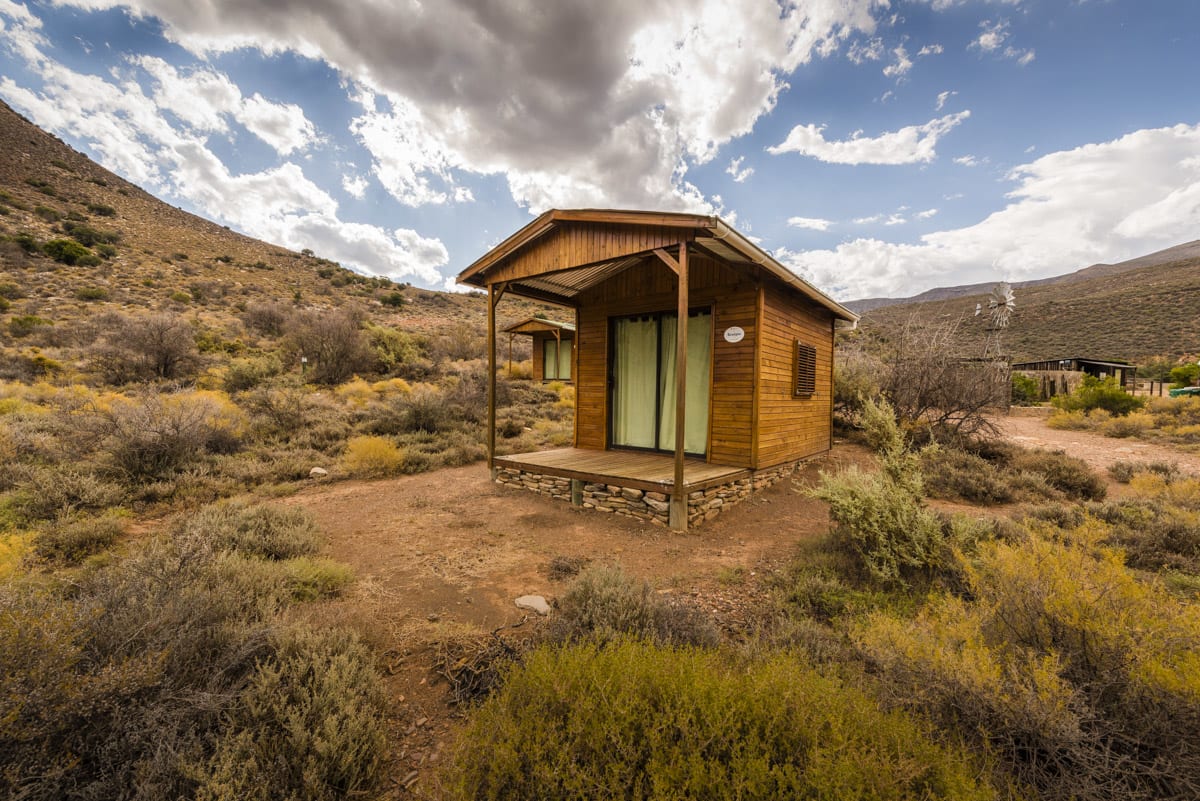
Anysberg Nature Reserve
Sand Martin: segnalato qui · Bioma: Karoo succulento
Da R 250 a notte

Anysberg Nature Reserve
Sand Martin: segnalato qui · Bioma: Karoo succulento
Da R 250 a notte

Anysberg Nature Reserve
Sand Martin: segnalato qui · Bioma: Karoo succulento
Da R 1,520 a notte

Anysberg Nature Reserve
Sand Martin: segnalato qui · Bioma: Karoo succulento
Da R 1,520 a notte

Anysberg Nature Reserve
Sand Martin: segnalato qui · Bioma: Karoo succulento
Da R 1,060 a notte
Anysberg Nature Reserve
Sand Martin: segnalato qui · Bioma: Karoo succulento
Da R 930 a notte
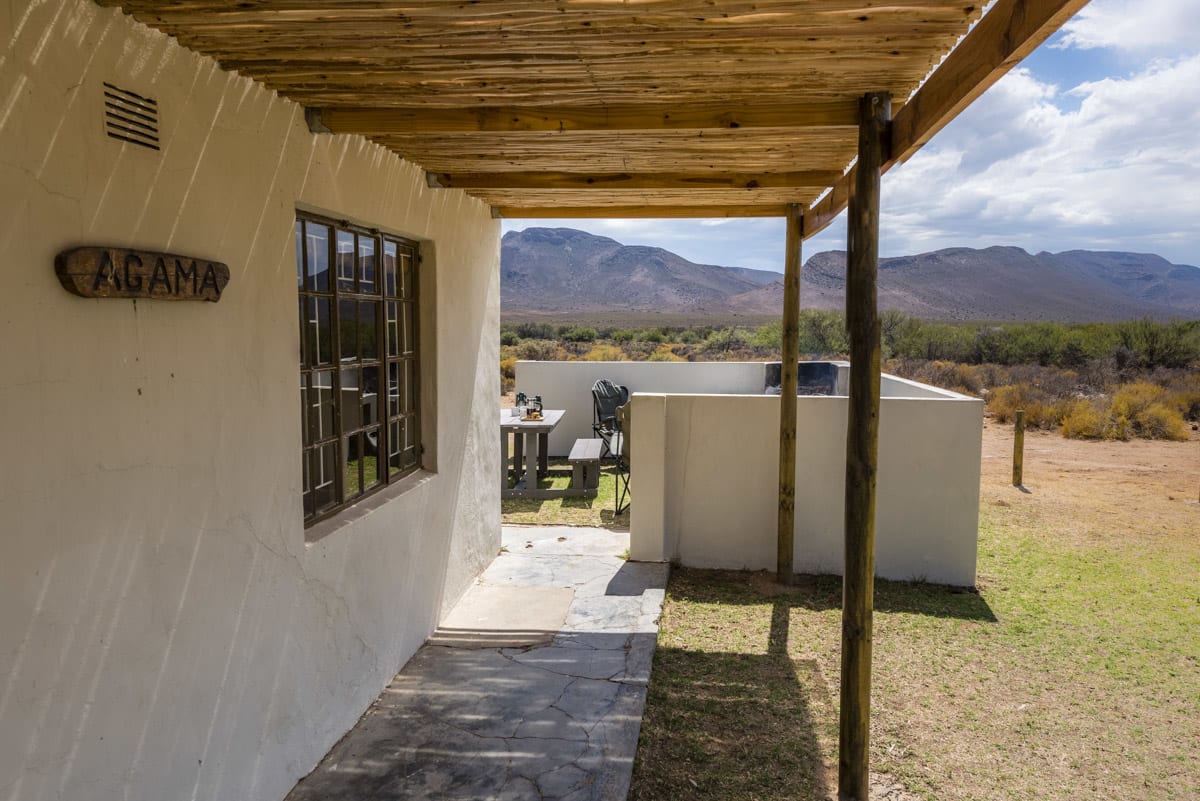
Anysberg Nature Reserve
Sand Martin: segnalato qui · Bioma: Karoo succulento
Da R 1,340 a notte

Benguela Cove, Hermanus
Birder Friendly · Bioma: Fynbos
Sostiene Walker Bay Fynbos Conservancy e un’altra causa
Da R 14,985 a notte

Oudtshoorn
Bioma: Karoo succulento · Spekboom
Sostiene Wolwekraal Nature Reserve
Da R 1,400 a notte

Wittedrift, Plettenberg Bay
Bioma: Foresta
Sostiene National Sea Rescue Institute
Da R 2,250 a notte

Riebeek Valley, Riebeek West
Birder Friendly · Bioma: Fynbos · Black wildebeest · Bontebok
Sostiene BirdLife South Africa
Da R 5,636 a notte

Franschhoek
Bioma: Fynbos · English oak
Sostiene Cape Leopard Trust
Da R 6,195 a notte

Klapmuts, Simondium
Angulate tortoise · Wild olive
Prezzo su richiesta

Gardens, Cape Town
Bioma: Fynbos · English oak
Da R 2,800 a notte

Bakoven, Cape Town
Bioma: Fynbos
Da R 9,900 a notte

Franschhoek
Bioma: Fynbos · English oak
Prezzo su richiesta

Swellendam
Bioma: Fynbos
Sostiene Barrydale Hospice
Da R 4,355 a notte

Stanford
Bioma: Fynbos
Sostiene Walker Bay Fynbos Conservancy e un’altra causa
Da R 2,850 a notte

Stanford
Birder Friendly · Bioma: Fynbos · White milkwood · Southern right whale
Sostiene Walker Bay Fynbos Conservancy
Prezzo su richiesta
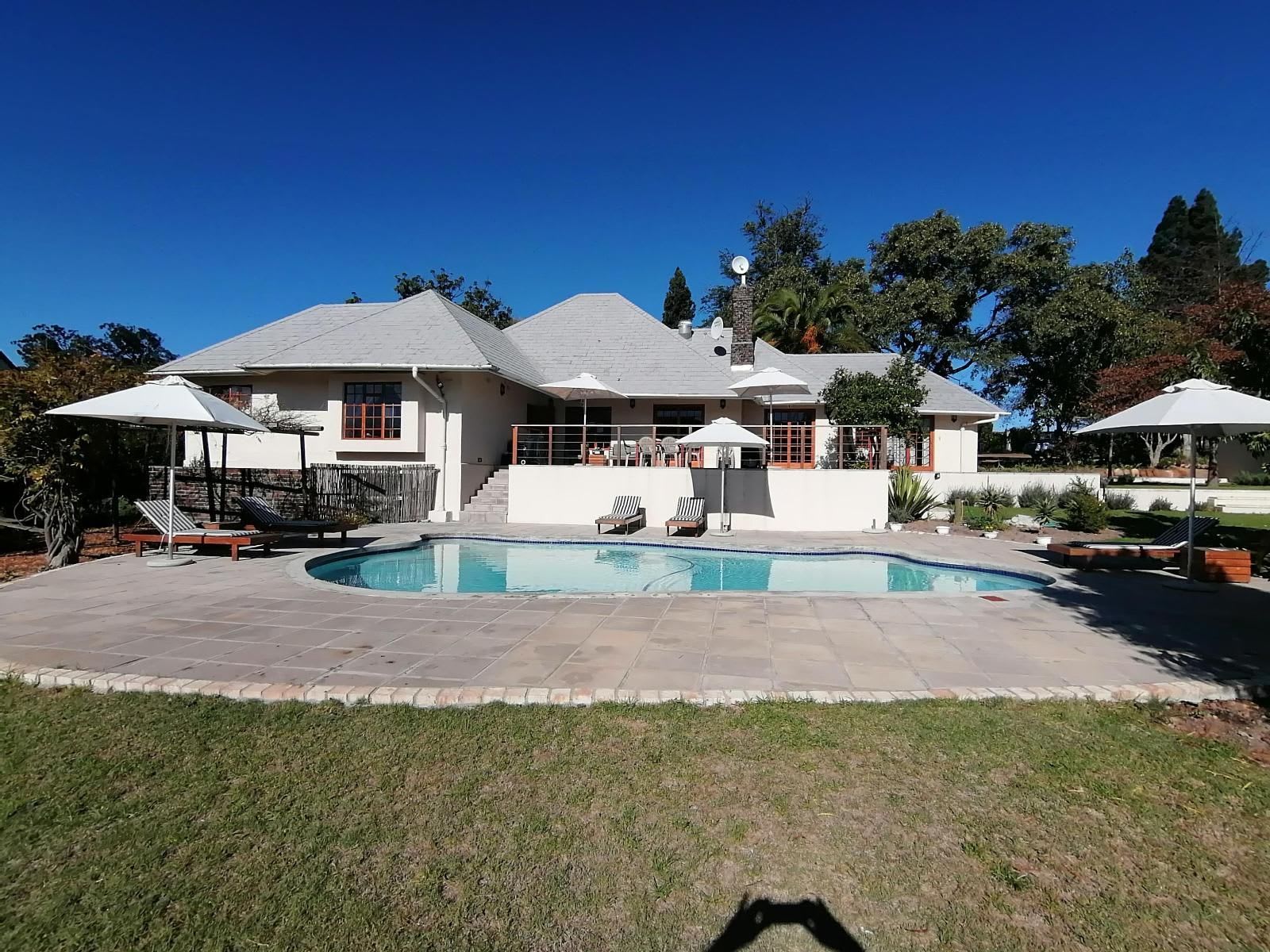
Stellenbosch
Bioma: Fynbos · English oak
Sostiene Cape Leopard Trust
Da R 1,465 a notte

The Crags, Plettenberg Bay
Bioma: Fynbos
Sostiene National Sea Rescue Institute
Da R 1,950 a notte

Somerset West
Bioma: Fynbos
Sostiene Love to Give
Prezzo su richiesta

Voëlklip, Hermanus
Bioma: Fynbos · Southern right whale
Sostiene Stanford Animal Welfare Society e un’altra causa
Da R 2,235 a notte

Prossima tappa
Southern right whales, sea cliffs, and Hermanus's harbour town
Vedi le strutture che sostengono una causaPianificare un viaggio
Gli host hanno segnalato questa specie (Sand Martin) in strutture dentro o accanto a Anysberg Nature Reserve.
Guidare in autonomia
Il Suo veicolo e il Suo ritmo, sulle strade del parco.
Dove lo segnalano gli host
Specie
Riparia riparia
Segnalazioni
3
Osservazioni su iNaturalist
Ogni prenotazione su Spekboom sostiene la conservazione.
Una segnalazione significa che un host ha visto questa specie (Sand Martin) nella struttura o nei dintorni. Non è mai una garanzia di avvistamento.
Hosts on Spekboom have recorded the Sand Martin at stays in or beside Anysberg Nature Reserve. A record means a host has seen it on the property or nearby, which makes these the places to base yourself; it is never a guarantee of a sighting on any given day.
The Sand Martin is most recorded in Western Cape (33% of records), KwaZulu-Natal (33% of records), Gauteng (33% of records), based on 3 iNaturalist observations. 8 places to stay on Spekboom in Western Cape have recorded the Sand Martin on site or nearby.
Phalaris arundinacea, sometimes known as reed canary grass, is a tall, perennial bunchgrass that commonly forms extensive single-species stands along the margins of lakes and streams and in wet open areas, with a wide distribution in Europe, Asia, northern Africa and North America.


